

Table of Contents
Safeguarding Alpine’s Landscapes Before the Season Turns Severe
Alpine, NJ, is famous for its grand estates, Hudson River views, and manicured grounds that blend beauty with prestige. This small borough has been home to notable residents such as comedian Chris Rock, NBA Hall of Famer Patrick Ewing, and legendary actor Eddie Murphy. The tree-lined streets and gated properties here often feature towering oaks, sugar maples, and stately American elms alongside ornamental dogwoods, magnolias, and Japanese maples. Many estates also showcase evergreen Norway spruces, eastern hemlocks, and white pines that provide privacy and year-round greenery.
As certified arborists with more than 65 years serving Hudson and Bergen Counties, we know how summer storms can threaten these signature landscapes. High winds, driving rain, and lightning can turn even healthy trees into hazards if they are not properly maintained. Our storm preparation services are designed to protect the character, safety, and value of Alpine’s exceptional properties before the season’s first severe weather arrives.
Understanding Summer Storm Risks in Alpine
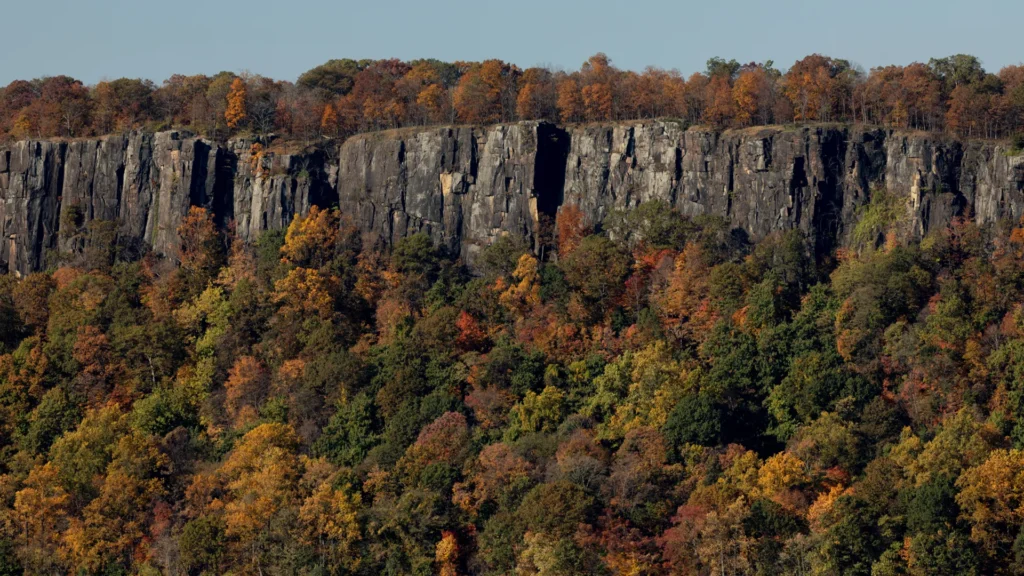
In Alpine, summer storms bring a dangerous mix of strong winds, heavy rain, and sudden lightning strikes. Even the healthiest trees can be stressed when exposed to the wind channels along the Palisades or the open landscapes of Rio Vista. Saturated soils weaken root stability while sudden gusts can snap large limbs or bring down entire trees. On sprawling estate grounds, damage to one tree can alter the look and feel of the property for years.
We evaluate how each property’s location affects storm vulnerability. Trees near ridgelines or overlooking the Hudson River often face the most wind exposure. Dense plantings, often used for privacy, can trap wind in the canopy, increasing stress on limbs. Recognizing these patterns allows us to create a targeted plan that strengthens natural defenses before summer storms peak.
When storm season begins, preventive measures mean the difference between minor cleanup and costly damage. Taking action now not only protects trees but also reduces safety hazards for family, guests, and neighbors. Our decades of Bergen County experience prove that early preparation is the smartest investment Alpine homeowners can make.
These are the important points to remember from this section:
-
Summer storms in Alpine bring high wind, rain, and lightning risks.
-
Properties near ridgelines or the river face added vulnerability.
-
Dense canopies and privacy screens require special care.
-
Early action reduces both damage and safety hazards.
By understanding storm risks, you can see why a professional inspection is the first step toward safety. That leads directly to the next step in storm preparation, which is a full tree health assessment.
Tree Health Assessment and Risk Identification
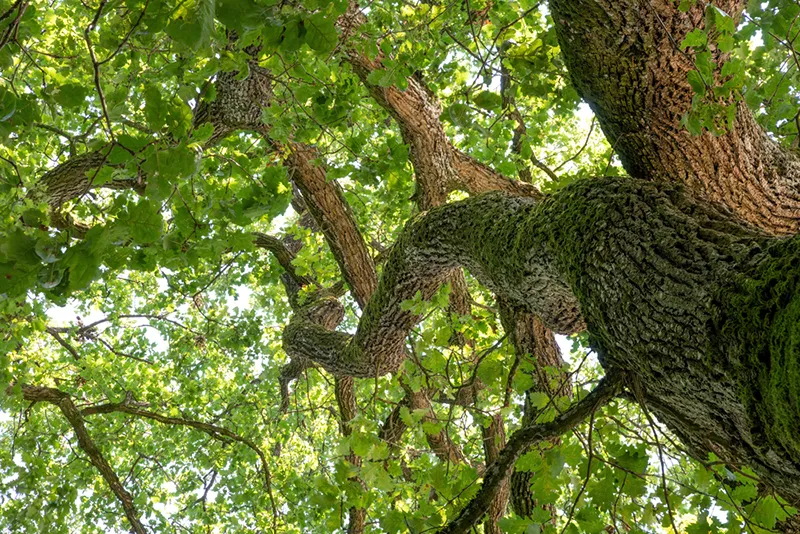
The most effective way to prepare for storm season is to start with a certified arborist’s inspection. We look for structural weaknesses, signs of disease, pest activity, and deadwood that could fail in strong winds. On Alpine’s estate properties, large limb junctions and multi-stem trunks are common. Both can become points of failure during storms without proper maintenance.
We also evaluate root zones for stability. Construction, hardscape installation, or heavy foot traffic can cause hidden root damage that becomes a problem when heavy rain softens the soil. In landscaped properties with intricate stonework, root health can be overlooked until a tree begins to lean or uproot in a storm.
Our assessment also takes into account the tree’s surroundings. Limbs hanging over rooftops, driveways, or pool areas get special attention. In a place like Alpine, preserving ornamental specimens such as Japanese maples or heritage pines is just as important as maintaining large shade trees.
This type of inspection lets us prioritize care before storms arrive. Whether protecting a grand oak along a driveway or a grouping of spruce that forms a privacy wall, we focus on both beauty and safety.
Here are the main takeaways from this section:
-
Certified arborists evaluate overall structure and health.
-
Root stability is checked for hidden weaknesses.
-
Risk prioritization is based on location and property use.
-
Protection covers both shade trees and ornamental specimens.
A health assessment identifies where pruning and weight reduction will have the most impact, which is the next step in a comprehensive storm-prep plan.
Storm Proofing Through Pruning and Weight Reduction
Strategic pruning is one of the most reliable ways to reduce storm damage. In Alpine, where trees often serve as focal points in a carefully designed landscape, we prune to enhance storm resilience without sacrificing visual appeal. Thinning the canopy allows wind to move through more easily, reducing strain on limbs. Removing dead or diseased wood minimizes the chance of branches breaking and falling.
Weight reduction is critical for long limbs that extend over rooftops, walkways, or high-use areas. Heavy limbs are prone to cracking under stress, especially in high winds. Balancing the canopy distributes stress evenly and helps prevent splitting.
We time pruning to each species for maximum benefit. For example, trimming ornamental cherries after bloom but before late summer helps maintain their beauty while improving their structure. Every pruning decision is based on ISA standards and decades of experience in Bergen County landscapes.
With the right pruning, we improve both the health and resilience of your trees. This is especially important in Alpine, where property owners value both curb appeal and long-term safety.
Points to keep in mind from this section:
-
Pruning improves airflow through the canopy.
-
Weight reduction protects structures and paths below.
-
Balanced canopies prevent splitting during storms.
-
Timing is customized to each tree species.
Once pruning is complete, the next step for valuable or historic trees is adding supports that help them withstand high winds.
Emergency Readiness and Post Storm Recovery
No matter how well you prepare, some storms bring unexpected results. Having an emergency plan ensures quick and safe action. We advise Alpine homeowners to keep our phone number, (201) 943-4141, in an accessible place and to identify priority trees for immediate inspection after a storm. Knowing who to call and what to check first can prevent further damage.
Our rapid response crews handle hazardous tree removal, broken limb cleanup, and emergency pruning. For gated properties, we arrange access ahead of time so we can arrive without delay. We also document storm damage for insurance claims, saving you time when it matters most.
Post-storm care often involves more than just cleanup. A tree may appear intact but have structural or root damage that requires professional attention. Acting quickly can mean the difference between saving and losing a mature tree.
Here are the essentials from this section:
-
An emergency plan ensures fast, safe action.
-
Rapid-response crews manage dangerous situations.
-
Insurance documentation is part of our service.
-
Post-storm inspections help save stressed trees.
By having a plan in place, Alpine homeowners can face storm season with confidence, knowing their trees and property are protected.
Scheduling, Quotes, and 24/7 Emergency Service
Reliable Tree Service has helped Alpine residents protect their landscapes for more than 65 years. As New Jersey Certified Tree Experts and ISA Certified Arborists, we combine skill, safety, and local expertise to prepare properties for summer storms. Call us at (201) 943-4141 today to schedule your storm preparation assessment and give your trees the attention they deserve before severe weather strikes.
Request A Quote By Email
Related Articles

Land Clearing in Englewood NJ: Tree Permits, Root Zones, and Replacement Rules
Englewood regulates tree removal under Chapter 425 of its city code, and clearing a lot can trigger a permit before the first tree comes down. This guide covers land clearing in Englewood, from permits to root protection.
Stump Grinding in Hackensack NJ: City Removal Rules, Grinding Depth, and Replanting
Hackensack regulates most tree removals under a 2024 ordinance, and the stump is what remains when the paperwork is done. This guide covers stump grinding in Hackensack, from the city form to grinding depth, wood chips, and replanting.
Tree Removal in Park Ridge NJ: Hazard Trees, Replacement Rules, and Root Zones
Park Ridge adopted a tree removal and replacement ordinance in 2024, and it reaches further than most owners expect. This guide covers tree removal in Park Ridge, from hazard trees to replacement planting and the root zone.
Tree Storm Proofing in Ramsey NJ: Thunderstorm Wind, Borough Rules, and Fall Checks
Ramsey has plenty of mature trees, and a June thunderstorm showed what wind can do to them. This guide covers tree storm proofing in Ramsey, from common defects to the borough’s rules on who handles which tree.

Tree Maintenance in River Edge NJ: Leaves, Mulch, and Root Care for Fall
River Edge has been a Tree City USA every year since 2000, and what happens on the ground under a tree matters as much as what happens in the canopy. This guide covers tree maintenance in River Edge from fallen leaves and mulch to who handles street trees.
Tree Removal in North Bergen NJ: Hillside Roots, Hazard Trees, and Replacement Rules
North Bergen sits on the Hudson Palisades, so trees grow on steep ground, close to walls and buildings. This guide covers tree removal in North Bergen, from what a slope does to roots to the paperwork worth gathering first.