
Table of Contents
Tree Care in Fort Lee, NJ
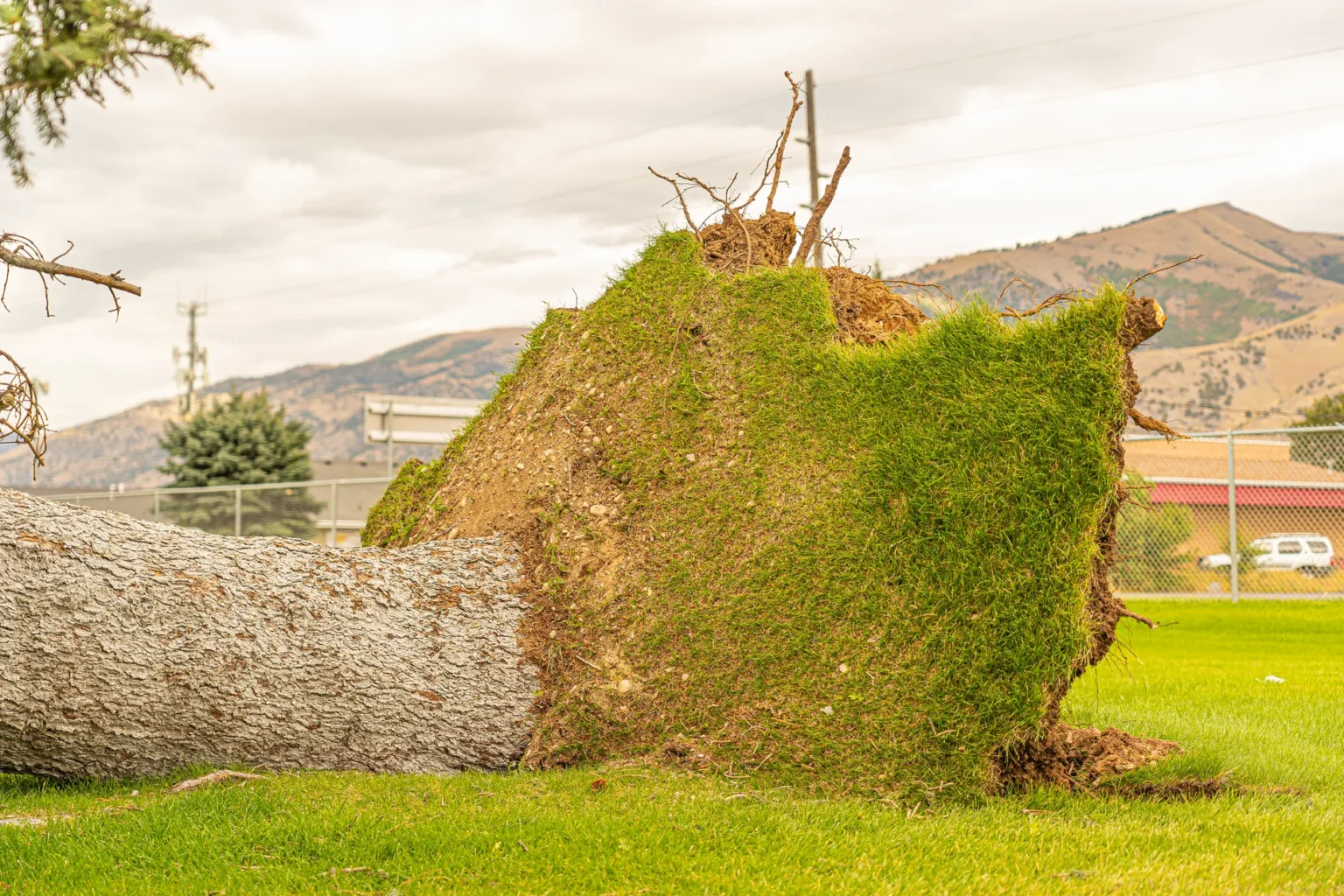
A tree on the ground looks like a finished event. The trunk is down, the road or the yard is blocked, and the first thought is to start cutting. Fallen tree removal in Fort Lee goes better when someone first works out what the wood is resting on, what it is still attached to and who is responsible for it. The Thanksgiving storm gave the Borough a clear reason to slow down and look.
According to Wikipedia, Fort Lee is a Bergen County borough formed on March 29, 1904. It sits along the Hudson River on top of the Palisades, with about 2.52 square miles of land and 40,191 residents in the 2020 census. That is a lot of homes, parked cars and walkways packed close to mature trees, so one large failure can touch several neighbors at once.
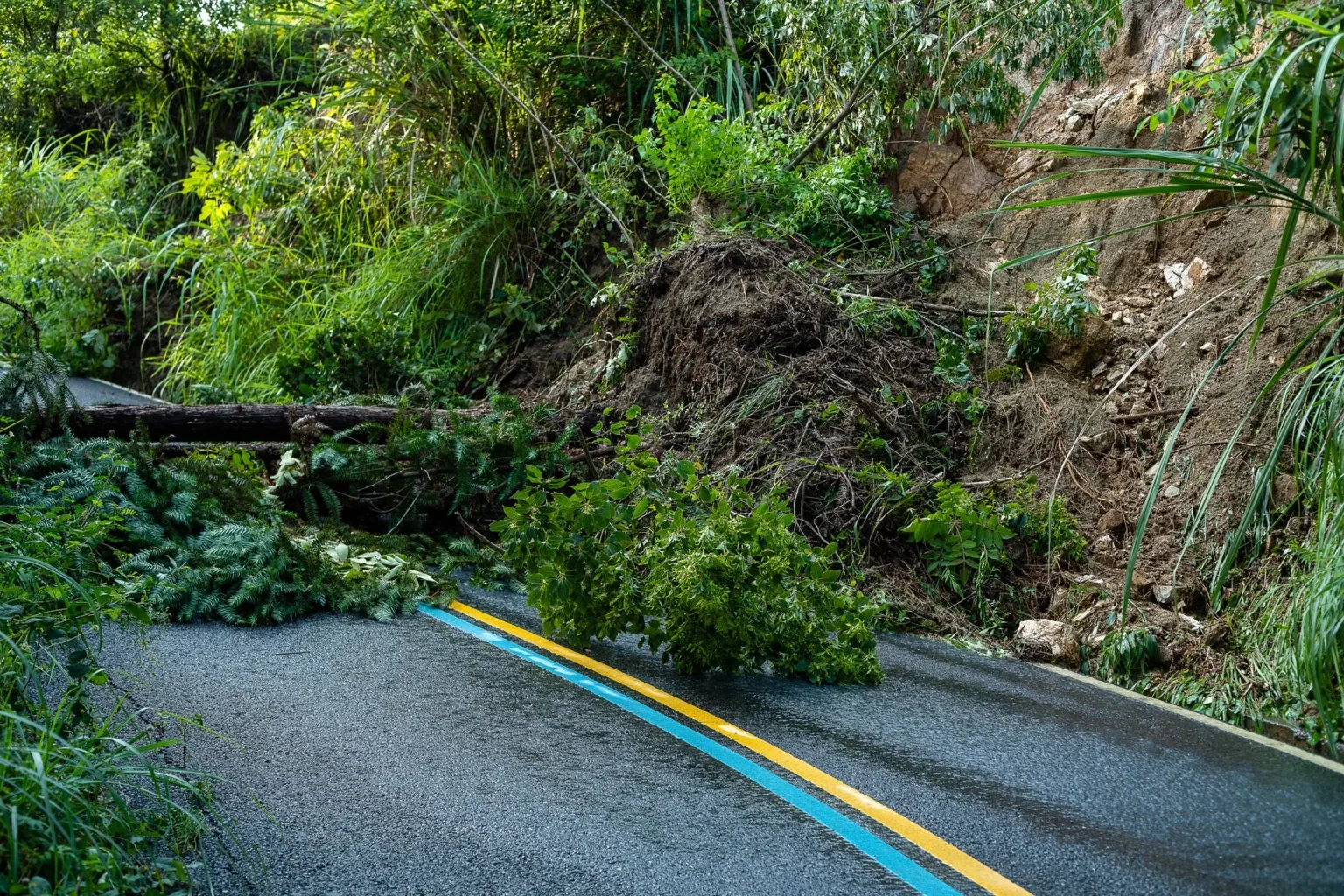
Patch reported on Friday morning, November 27, 2026, that part of River Road was closed from West Fort Lee Road to South Street because of a fallen tree, and that NJ Transit detoured several bus routes. The same report listed more than 1,000 customers without power in the area of Fort Lee and Ridgefield Park, and said downed trees on roads and wires caused some of the outages across Bergen County.
Nearby readings show the kind of day it was. The National Weather Service office in Upton, New York, published a summary of peak wind reports that lists a 54 mph gust at Teterboro Airport at 7:05 PM on Thursday, November 26. That reading was taken a few miles away, so conditions on your block may have differed. Your trees still deserve their own look.
Reliable Tree Service is family owned since 1960 and works across Hudson and Bergen counties from neighboring Cliffside Park. Earlier posts collect on our Fort Lee tree care page, and our recent notes on broken limbs after the Thanksgiving wind in Leonia cover wood that is still caught overhead. This article stays with trees and large sections that have already come down.
Safety Checks Before a Fallen Tree Is Cut
Treat the area as active until proven otherwise. A trunk that lies across a drive may be holding bent branches under heavy load, and a root plate that tipped up can settle back toward the hole once weight is cut away. The International Society of Arboriculture warns in its storm damage brochure that trees and limbs under tension may react unexpectedly when cut or moved. Stay outside the reach of the crown while you look.
Wires come before everything else. If any part of the tree touches or hangs near a line, assume the line is live, keep everyone far away and call PSE&G. Call 911 when someone is in danger or a line is sparking. Do not lift a wire with a rake or a branch, and do not drive over one. Wet leaves, a wet fence or a puddle can extend the hazard farther than it appears.
Next, check what the tree landed on. A roof, a car, a retaining wall or a neighboring tree may be carrying part of the weight. Moving one piece can shift that load onto a weaker spot and widen the damage. Photograph the scene from several sides in daylight before anything is touched, and include a wide view that shows the street, the fence line and the base of the trunk. Insurers and arborists both work better from that record. Note which door or walkway the tree has cut off, so everyone in the home knows the safe way out before dark. Keep children and pets indoors or on the far side of the house, and move a parked car only if the path to it is plainly clear of the tree and any line. A rope, a few chairs or a closed gate can remind visitors to stay back until the area has been checked.
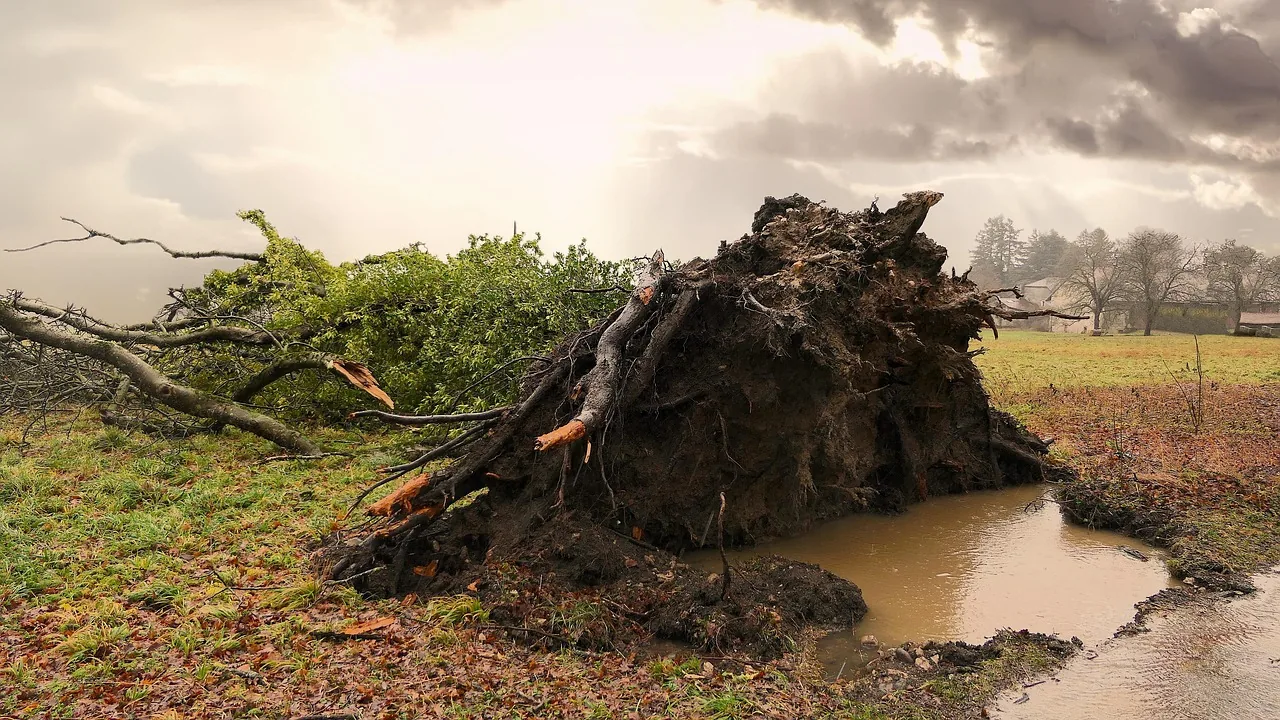
Rain came with this storm, and wet ground changes the picture. Soft soil lets roots slide, so a second tree near the fallen one may have shifted too. Our storm proofing and repair work starts by reading both: the tree that failed and the ones still standing beside it.
Look for these before anyone starts a saw
- Wires touching, sagging or lying anywhere near the wood
- Bent branches that are holding up part of the trunk
- A lifted root plate that could drop back suddenly
- Roofs, vehicles or walls now carrying some of the weight
Edward Hufnagel, who owns Reliable Tree Service, puts it this way: “A tree on the ground can still be loaded like a spring. Find out where it is pushing and pulling before you decide where the first cut belongs.”
Borough Rules for Removing a Tree in Fort Lee
Ownership decides who acts first. A tree in a park, on a county or state road, or in a public planting strip is handled differently from one that stood in your back yard. The Fort Lee Department of Public Works page lists street maintenance among its duties and gives the department phone number and weekday hours. Report a blocked public road to the police when it is urgent, and call the department about Borough streets.
For private property, Chapter 384 of the Borough code governs tree removal and replacement. The text we read in November 2026 requires a permit from the Construction Official before removing a street tree measuring 2.5 inches or more, or any other tree on your property measuring 6 inches or more, in trunk diameter at about four and a half feet. Pruning that does not harm the health or vitality of the tree is permitted.
The chapter lists a filing fee of $75 per tree and waives that fee, though not the application, for an owner who lives in a single family or two family home and removes just one tree. It also lists hazard trees among the cases that carry no fee or replacement requirement under the replacement rules, with written proof that includes a statement and photos from a New Jersey licensed tree expert or an arborist. Confirm current amounts and forms with the Borough before filing.
We did not find a separate step in that chapter for a tree that a storm has already put on the ground. Ask the Construction Official how it should be recorded, especially if the stump or a standing section still needs to come out. A short phone call and a folder of dated photographs can prevent a dispute later. Our tree removal services include taking down the damaged remainder in controlled sections.
Paperwork for fallen tree removal in Fort Lee
- Dated photographs taken before the wood is moved
- Trunk diameter measured about four and a half feet up
- A written statement from a tree expert or arborist
- Notes from any call with the Construction Official
Replacement can follow removal. The code ties the number of replacement trees to trunk size, from one tree for the smallest class up to four for the largest, with exemptions that depend on the facts. Read the table with your own measurement in hand, and read our earlier look at removal permits in neighboring Edgewater if you own property in both towns.
Cutting, Hauling and Stumps After the Storm
A clean cleanup is planned from the top of the pile to the stump. Small brush comes off first so the structure of the larger wood can be seen. Limbs under tension are released in a deliberate order, and the trunk is cut into lengths that can be lifted without tearing up the lawn, the walk or the foundation planting. Heavy sections near a house may need to be lowered or rolled with control.
Disposal needs its own plan this late in the year. The Borough garbage and seasonal debris page says lawn debris is collected on Mondays from April through October, with branches tied and shorter than 4 feet. It says Public Works collects leaves weekly from October through December and asks residents to bag them in paper or lawn bags. Logs and storm limbs may not fit either description, so call before you set anything at the curb.
The stump is the last decision. A snapped stem leaves jagged fibers that hold water, and an uprooted base can leave a hole and a raised mound of soil. Stump grinding takes the remaining wood below grade where the root plate has settled and the ground is stable. Call 811 for a utility markout before any grinding or digging.
Do not forget the survivors. The society guide to recognizing tree risk asks owners to look for hanging branches, loose bark and cracks in the trunk or where branches attach. A neighbor of the fallen tree may now stand alone against the wind. Tree trimming and pruning can remove broken wood and cut torn stubs back to sound tissue while the damage is still easy to find. Torn bark and split unions are much easier to read now, before snow settles in the crown and hides them from the ground.
Order of work for a safer cleanup
- Confirm wires are cleared by the utility before work starts
- Remove loose brush so the heavy wood can be read
- Cut tensioned limbs first, then section the main trunk
- Check neighboring trees before the crew and equipment leave
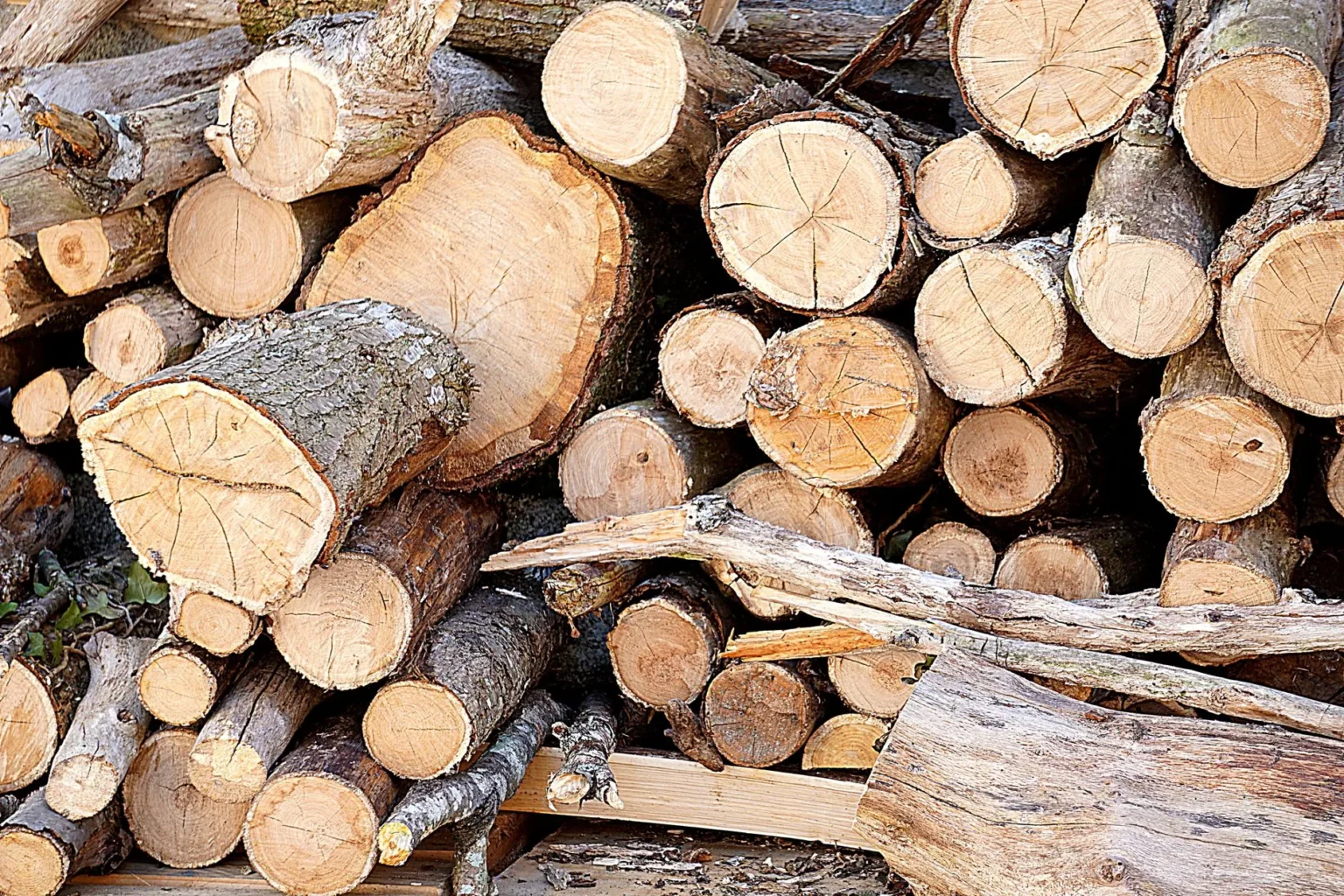
Chips, logs and brush should leave the site or be stacked away from walls and drains. A pile left against a foundation holds moisture, and one that spills into the gutter can block water during the next heavy rain. Ask who hauls the material before the first cut, so fallen tree removal in Fort Lee ends with a usable yard and a clear curb.
Protecting Fort Lee Trees Into Winter
The road may be open again, but split wood and loosened roots can stay hidden into winter. Walk the property after the next rain and compare it with your first photographs. A new lean, a widening crack or soil lifting at the base calls for a prompt assessment, and planned tree maintenance keeps small defects from becoming the next blocked driveway.
Reliable Tree Service is family owned since 1960, and our team includes ISA Certified Arborists and New Jersey Certified Tree Experts. Call (201) 943-4141 about fallen tree removal in Fort Lee, a damaged tree still standing or a stump left behind, and we will talk through what you are seeing.
Related Articles

Hanging Limb Removal in Leonia NJ: Tree Checks After the Thanksgiving Wind
Thursday wind and rain brought trees down on highways around Leonia. Here is how to treat a broken limb that is still overhead, what to check on the rest of the tree, and which Borough rules apply.

Storm Damage Inspection in Teterboro NJ: Tree Checks After Wind and Tidal Water
A Wind Advisory and a Coastal Flood Warning cover Eastern Bergen County on Thanksgiving. This guide explains what to check on Teterboro trees once it is safe, and what the borough tree ordinance asks.

Tree Storm Proofing in Rockleigh NJ: Thanksgiving Wind Prep for Wooded Lots
A Wind Advisory covers Bergen County and a High Wind Warning covers Hudson County from Thursday morning, and Rockleigh has plenty of tall trees to lose limbs. This guide covers tree storm proofing in Rockleigh before the wind arrives.
Tree Risk Evaluation in Washington Township NJ: Hazard Trees, Permits and Vendors
Washington Township in Bergen County has its own tree code, and it defines a hazard tree in plain terms. This guide covers tree risk evaluation in Washington Township, from the warning signs to the permit and vendor steps.

Tree Removal in Moonachie NJ: Dangerous Tree Notices and Public Right of Way Permits
Moonachie is a low lying Bergen County borough with its own rules for trees on public ground. This guide explains tree removal in Moonachie, from the borough code and dangerous tree notices to wet soils and curb debris rules.
Tree Storm Proofing in Little Ferry NJ: Wet Soils, Leaf Rules and Winter Wind
Little Ferry sits where the Hackensack River meets Overpeck Creek, and wet ground changes how trees hold in a storm. This guide covers tree storm proofing in Little Ferry, from root stress to borough leaf rules.