Table of Contents
Tree Care in Leonia, NJ
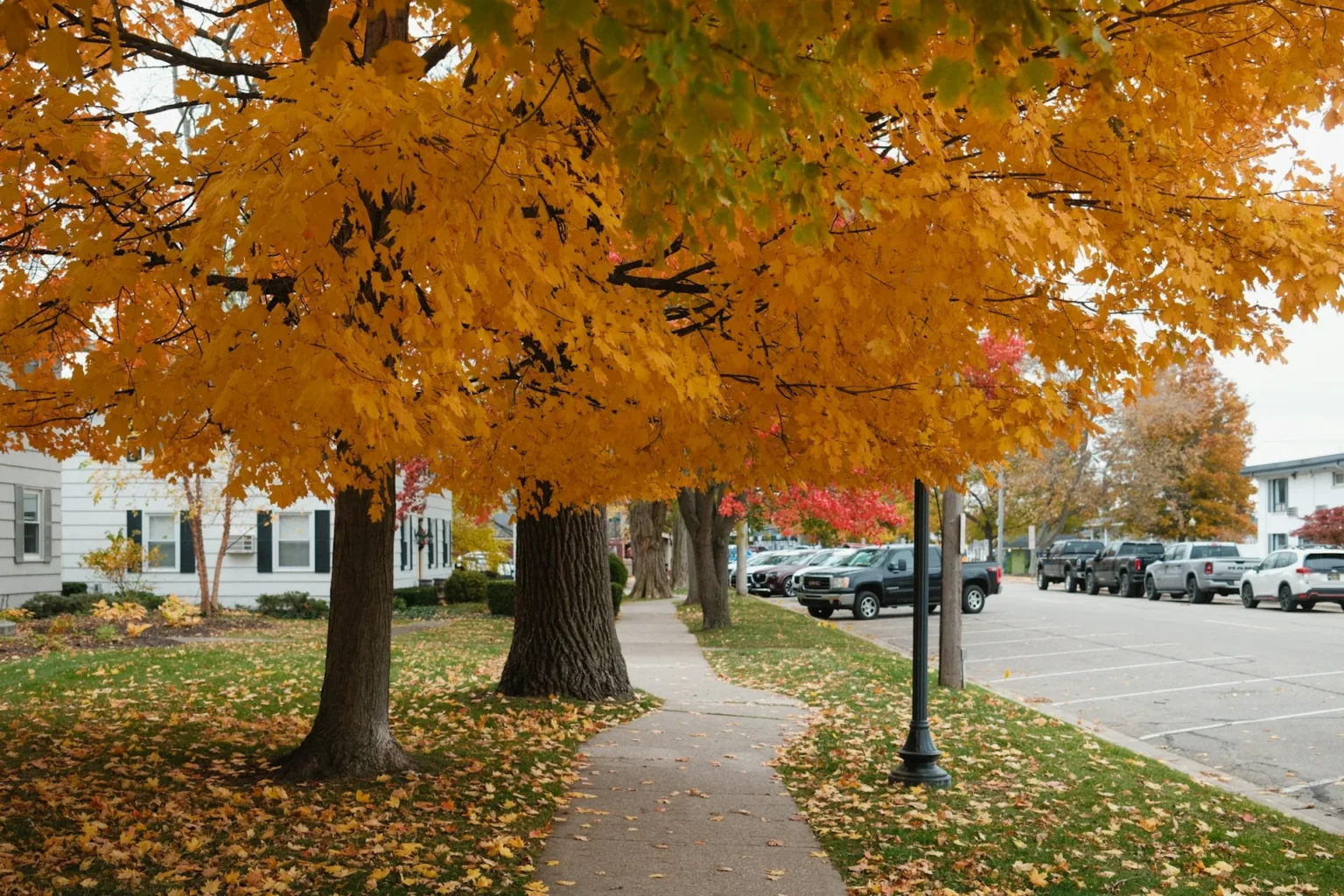
Leonia sits in Bergen County on the western slope of the Palisades, and it is one of the smaller boroughs we serve. According to Wikipedia, the borough was formed on December 5, 1894, when a referendum took land from Ridgefield Township. It covers a little over one and a half square miles and borders Englewood, Fort Lee, Palisades Park, Ridgefield Park, and Teaneck. Wood Park and Overpeck County Park give residents public green space, but most of the shade in Leonia grows on private lots and along the street, which makes tree maintenance in Leonia a job for homeowners as much as for the borough.
The borough takes its trees seriously. The Shade Tree Commission page says Leonia has been recognized by the National Arbor Day Foundation as a Tree City USA since 1990. The same page says the borough has lost more than 16 percent of its canopy since 2008 and that about 85 percent of its trees stand on private property. Those two figures explain why what an owner does in a back yard matters to the whole street.
Reliable Tree Service has been family owned since 1960 and works across Hudson and Bergen counties out of Cliffside Park. This guide covers tree maintenance in Leonia through the fall: what a yearly inspection looks at, how mulch and soil affect the roots, and how the borough rules divide the work between owners and the Department of Public Works.
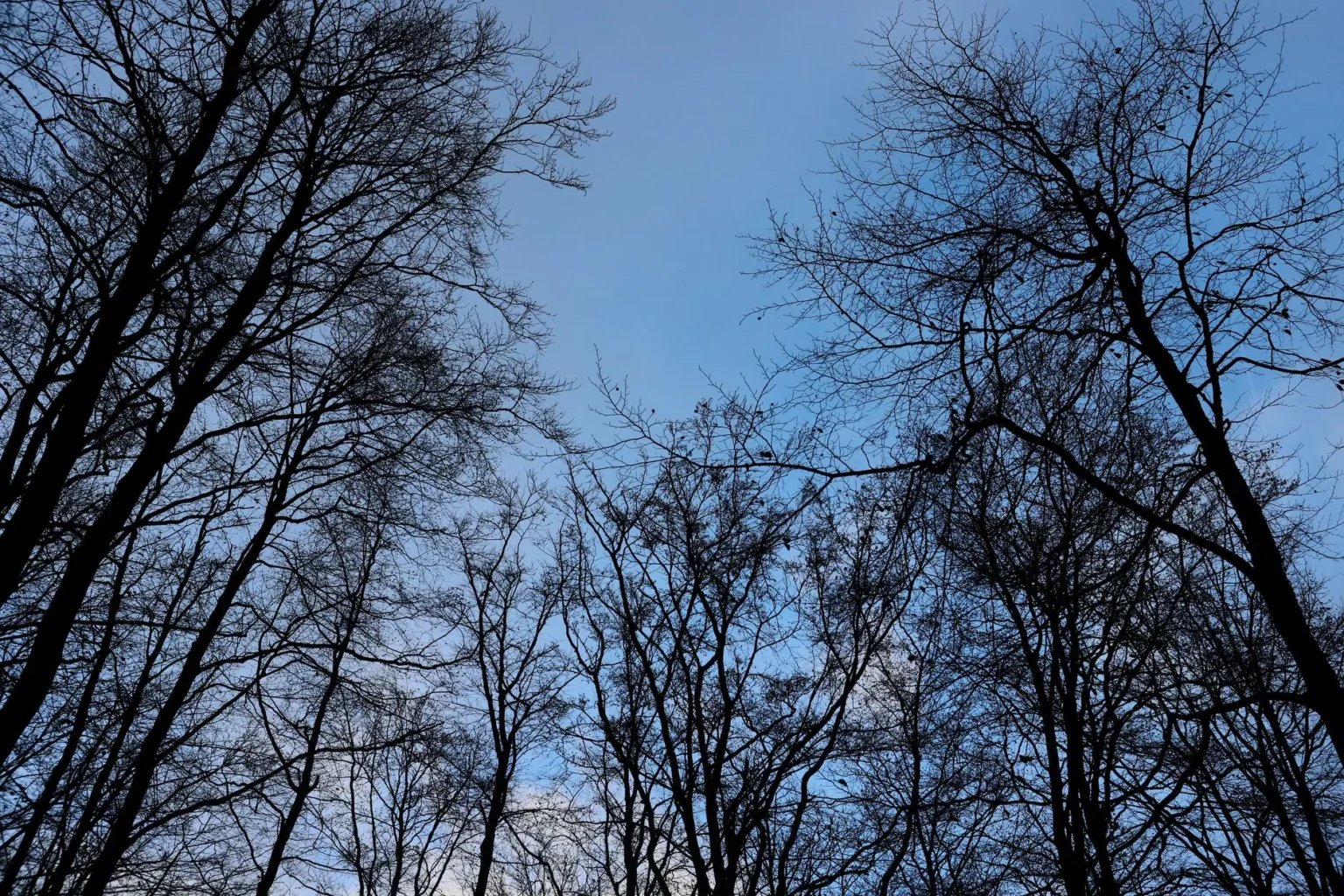
Fall is a good time for this work. Leaves are thinning, so the structure of each tree shows, and the weather is mild enough to walk the yard and look without rushing. A mature tree that gets a steady routine of inspection, mulch, and corrective pruning is far less likely to surprise its owner than one that is ignored until a limb comes down.
Our tree maintenance visits follow that routine, and our Leonia tree care guides collect what we publish for the borough on one page. If a tree stands in the right of way, the borough handles it, and a later section explains how to tell.
Yearly Inspection: What a Mature Tree Shows You
The International Society of Arboriculture says in its Mature Tree Care brochure that mature trees should be inspected at least once a year. The brochure names four signs of vitality to check: new leaf or bud formation, leaf size, twig growth, and the absence of crown dieback, which is the gradual death of the upper part of the tree.
Growth reduction is a fairly reliable cue that the health of a tree has recently changed, according to the same brochure, and an experienced arborist can read twig growth from past seasons to see it. A homeowner can look at a simpler version of the same thing. Compare the tree with its neighbors on the block. If one maple holds small, pale leaves while the rest hold full ones, that difference is worth writing down.
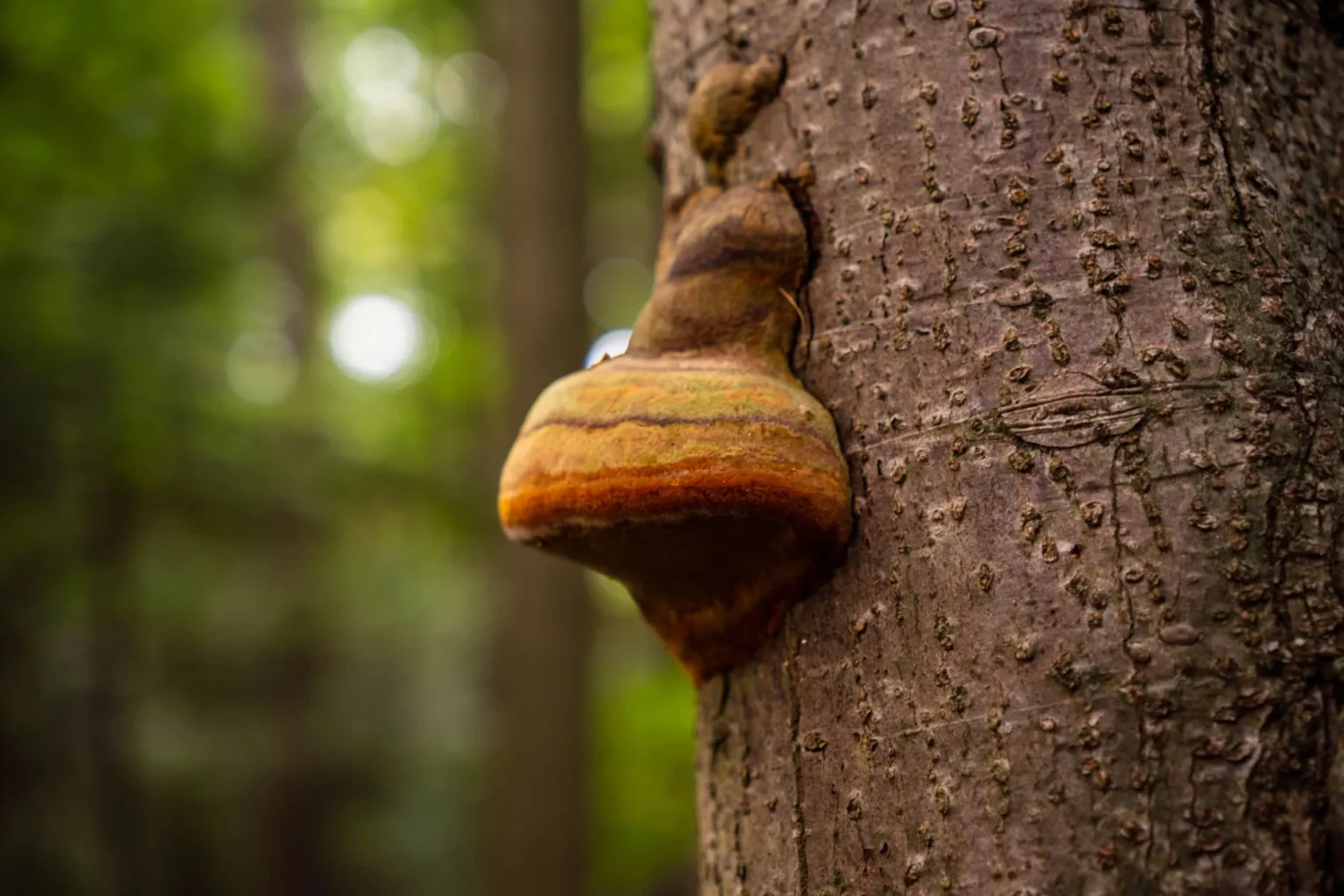
Stability is the second half of the inspection. The brochure lists cavity openings, extensive twig dieback, and fungal conks, the shelf or bracket growths on a trunk, as signs of structural weakness. The ISA Recognizing Tree Risk brochure adds a checklist: large dead branches, hanging branches, loose bark, cracks or splits in the trunk or where branches attach, mushrooms at the base, and any recent change to the soil level or paving near the tree.
Most of these signs are easy to see from the ground in October, when thinning leaves open the crown. The risk brochure also points to soil heaving, meaning cracks or separations in the soil near the base, as a warning of root failure, especially when the tree leans. A lean that is new matters more than a lean the tree has held for as long as anyone remembers.
What tree maintenance in Leonia starts with
- Leaf size and color compared with nearby trees
- Dead, cracked, or hanging branches over the roof or sidewalk
- Fungus, cavities, or loose bark on the trunk
- Cracks in the soil at the base or a new lean
Write down what you find and the date. A short note this fall makes next fall comparison easy, and it gives an arborist something concrete to read. The risk brochure says judging how serious a defect is turns out to be work best left to a professional arborist, so report anything that worries you.
Edward Hufnagel, who owns Reliable Tree Service, puts it this way: “Read the tree before you read the calendar. A tree still pushing growth wants a different hand than one that has gone quiet, and the work should follow what the tree is doing.”
Mulch, Roots, and Soil at the Base of the Tree
Mulch is one of the most useful things an owner can do for a tree and one of the easiest to overdo. The ISA Proper Mulching Techniques brochure recommends a depth of 2 to 4 inches and warns that many landscapes suffer from over mulching. Its term for the worst case is the mulch volcano, an excessive pile of mulch around the base of a tree.
The damage is specific. The brochure says mulch against the trunk or stems can soften the tissues and make them more open to insects and disease, and it can lead to stem girdling roots, which can reduce growth or eventually kill the tree. On wet soils, more than 2 inches of organic mulch can hold too much moisture in the root zone and lead to root rot. The Leonia Shade Tree Commission page carries a download on the same problem, titled Volcano Mulching Kills Trees.
The right pattern is simple. The brochure says to apply mulch near, but not touching, the trunk and to extend it toward the drip line if that is practical, with a ring of 3 feet in radius as the minimum for most trees. In a Leonia yard with a tight lot and lawn running up to the trunk, even that ring helps, because it keeps mowers and string trimmers away from the bark.
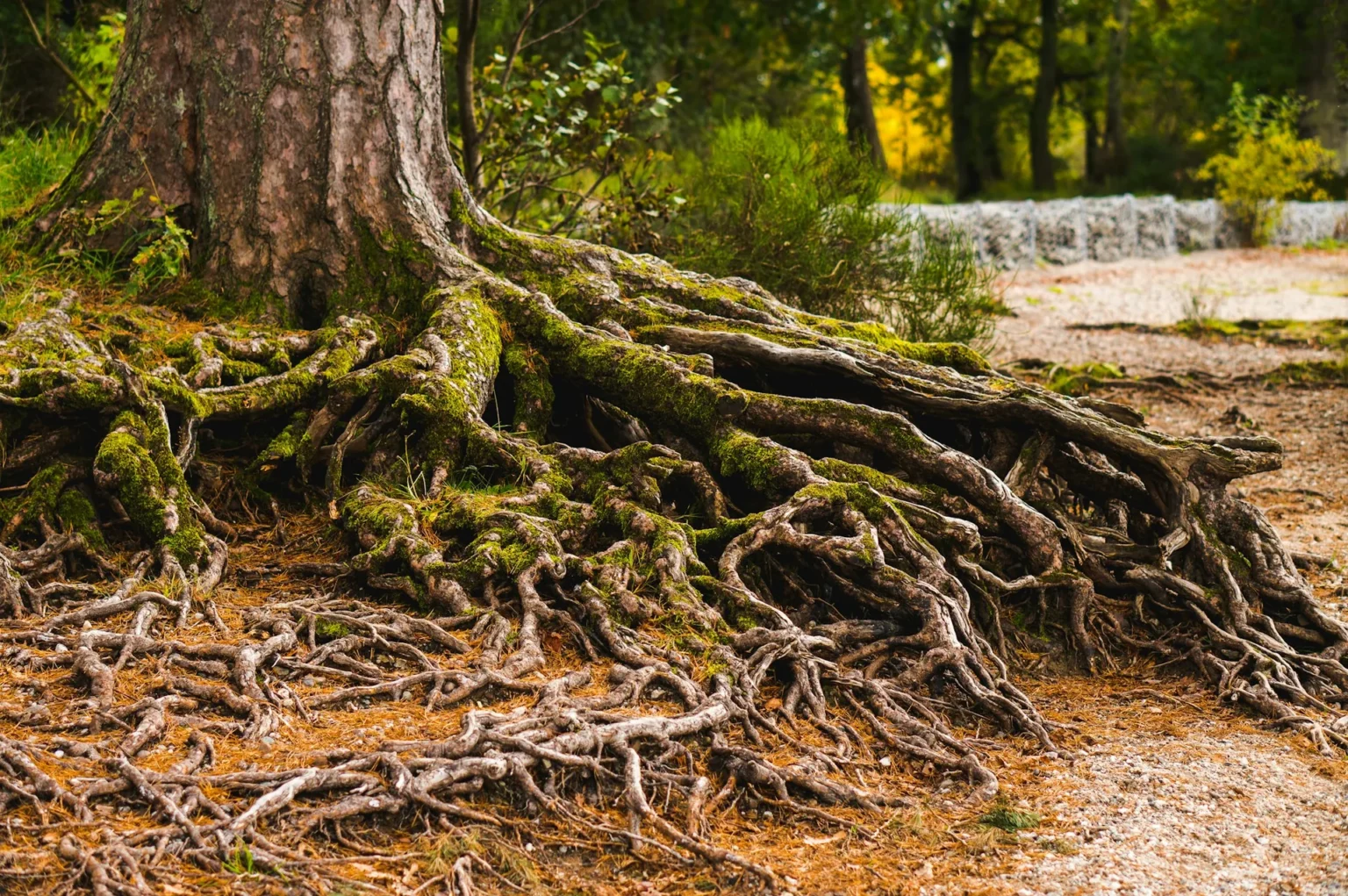
Soil is the other half. The Mature Tree Care brochure says urban landscape trees often grow in soil that lacks the nutrients, drainage, or pore space they need, and it advises a soil test before any fertilizing. It also warns that trenching or earth moving inside the root zone may cause more harm than good, which is worth remembering before a patio, drain line, or fence post goes in near an old tree. Feeding without a test is guessing, which is why tree feeding should follow the soil test and not replace it.
Mulch and root zone habits worth keeping
- Two to four inches of mulch and no deeper
- Pull mulch back so the root flare shows
- Keep trenching and digging outside the root zone
- Test the soil before adding any fertilizer
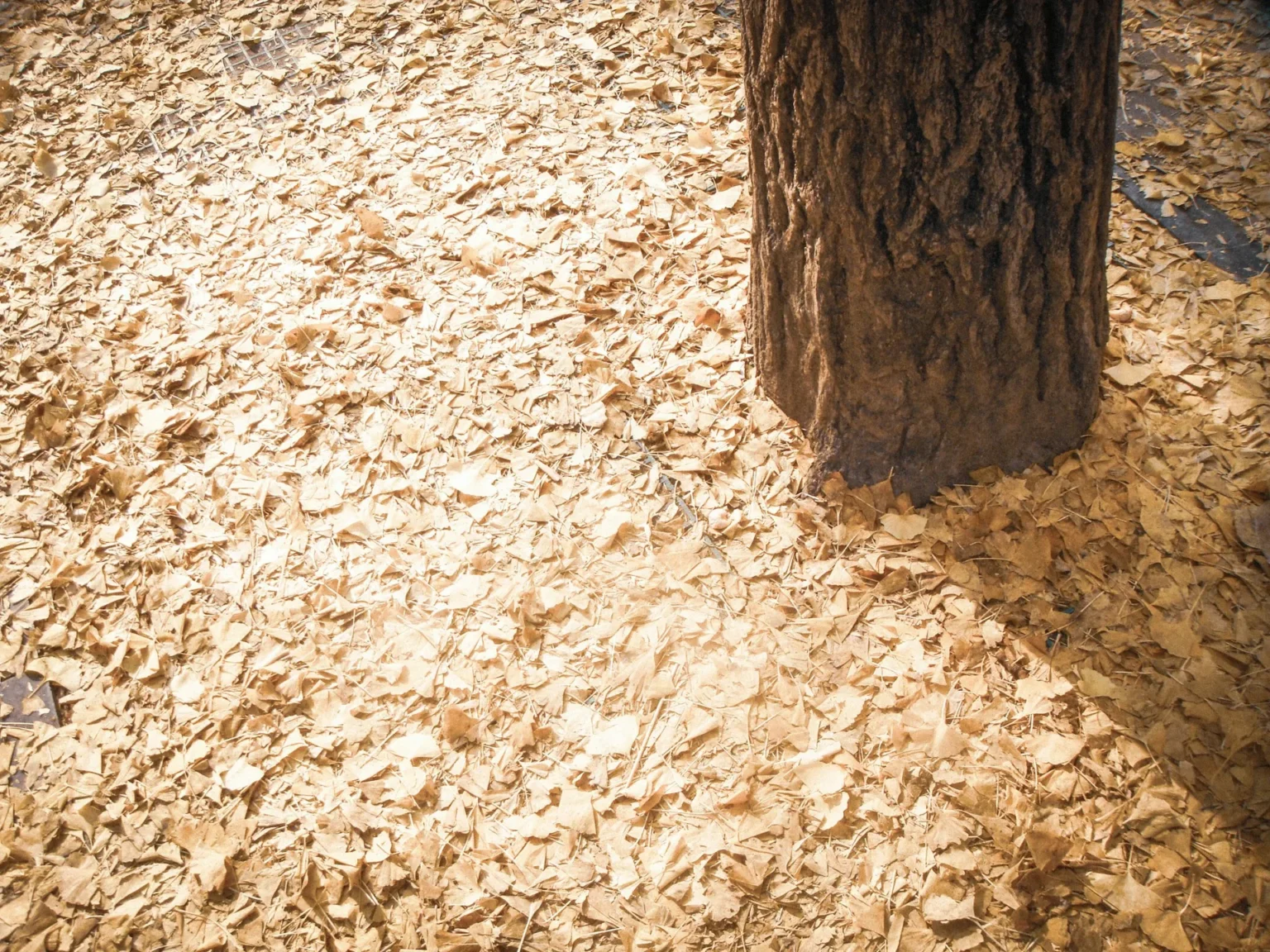
Fall leaves matter here too. A thick, wet pile of leaves against the base of a trunk can do much the same as too much mulch, so rake it back from the tree and leave the root flare in view.
Borough Trees, Private Trees, and the Leonia Tree Ordinance
Before any work, an owner has to know whose tree it is. The borough Shade Tree Commission page explains that the right of way includes the strip between the curb and the sidewalk and on many streets extends past the sidewalk, and that if any part of the root collar of a tree touches or extends onto the right of way, the tree is deemed a borough tree. Residents may not cut or prune a borough tree. They submit a Tree Issue request, a commissioner evaluates it, and the Department of Public Works does any work that is needed.
Private trees fall under Chapter 275 of the borough code, which took effect on April 1, 2020. The page says a permit and a tree replacement fee are required for trees on private property with a diameter at breast height of 8 inches or greater, with certain exceptions. The borough FAQ lists a $20 filing fee and a $350 replacement fee per tree, and the page also lists a 2024 resolution updating the fee schedule, so confirm the current amounts with the Building Department before you plan.
The process includes a meeting with a member of the Shade Tree Commission within 30 days of the application. Either the owner or the contractor may file, but the owner must be the one who attends. A tree that is dead, dying, diseased, or fatally damaged can qualify for a waiver of the replacement fee, and the application then needs a written determination from a Licensed Tree Expert with photographs. When a tree is in imminent danger of causing damage or injury, no permit is needed first, but the owner must send written notice and photographs to the Building Department within 7 days of the removal.
Pruning is simpler. The FAQ says no permit is needed to prune a tree on private property, but the work should not harm the health, balance, and shape of the tree, and owners are responsible for pruning private trees that overhang the right of way. That is where our tree trimming and pruning work fits. When a tree cannot be saved, our tree removal work comes after the permit question is settled, and our guide to urban and suburban tree removal explains why tight lots change the plan.
Questions to settle before work on a Leonia tree
- Whether the root collar touches the borough right of way
- Whether the trunk measures 8 inches across at breast height
- Whether a Licensed Tree Expert report could support a fee waiver
- Who will file and who will meet the commission
The borough also runs a planting program and asks residents to watch for two pests. The page says residents can request a 6 to 8 foot shade tree planted on their property at no cost, with the owner responsible for its care afterward. It also asks owners to check for tree of heaven and spotted lanternfly and to call the Department of Public Works with sightings. Our tree pest management work covers the second concern, and the commission publishes a Wood Park Tree Tour for anyone who wants to learn the species. As with any ordinance, confirm the current terms with the borough.
Protecting Leonia Trees Through the Winter
Good tree maintenance in Leonia comes down to a few habits: look at each tree once a year, keep mulch shallow and off the trunk, test the soil before feeding, and settle ownership and permits before any cut or removal. Winter is a fair time to do the work, because bare branches show dead wood and weak unions clearly, and the ground is easy to read before the first wet snow.
Our crews are ISA Certified Arborists and New Jersey Certified Tree Experts, and we answer emergency calls 24/7 when a limb comes down. If a tree in Leonia worries you, we will look at it, explain what we see, and tell you whether it needs pruning, watching, or removal, and whether the borough has to be involved first.
Call Reliable Tree Service at (201) 943-4141 to schedule an inspection. We are family owned since 1960, and when a tree does have to come out, our stump grinding leaves the ground ready for the next planting.
Related Articles

Tree Trimming in Fair Lawn NJ: Fall Pruning for Mature Yard and Street Trees
Fair Lawn has rewritten how it protects its trees, and careful pruning is the quiet half of that work. This guide covers tree trimming in Fair Lawn this fall, how much a mature tree can lose, and why topping backfires.
Tree Removal in Secaucus NJ: What the Town Permit Means for Your Trees
Secaucus asks owners to get a permit before removing almost any standing tree, dead or alive. This guide explains tree removal in Secaucus, the warning signs that a tree is failing, and how to plan a replacement.
Tree Storm Proofing in Teaneck NJ: Fall Prep for Mature Street and Yard Trees
Teaneck has looked after its street trees since 1995. This guide covers fall tree storm proofing in Teaneck for the yard trees behind the curb, the warning signs to watch for, and who handles what.
Weehawken’s Trusted Tree Experts – Trimming, Pruning & Removal
In Weehawken, where history meets the Manhattan skyline, Reliable Tree Service helps every tree tell its story. We specialize in expert trimming, pest care, and precision removals that keep the community’s parks, streets, and waterfront spaces thriving all year.
Elmwood Park Tree Service Experts – Trimming, Pruning, Removal & Pest Care
Reliable Tree Service provides professional tree trimming, pruning, pest control, and safe tree removal across Elmwood Park, NJ. Our certified arborists help local homeowners protect and enhance their landscapes year-round.
East Rutherford Tree Removal & Cleanup
We help East Rutherford homeowners and businesses storm-proof their trees, clear debris, and manage removals safely. Our certified arborists keep local properties secure and healthy before and after every storm.