Table of Contents
Tree Care in Secaucus, NJ
Secaucus sits in Hudson County and was incorporated as a borough in 1900 and reincorporated as a town in 1917. The Hackensack River forms its western border, Penhorn Creek and Cromakill Creek mark parts of the east, and the whole town lies within the Meadowlands. The same source describes Laurel Hill, also called Snake Hill, rising about 150 feet above the marsh at the southern end of town. It is a low, wet, and busy place, and the trees that grow here do it in soil that is often saturated and in lots that are mostly paved.
That setting shapes how the town treats its trees. According to the town’s tree removal permit FAQ, revised in October 2025, the ordinance exists to protect and replenish the canopy and to reduce stormwater runoff, soil erosion, and pollution. New Jersey requires municipalities to adopt an ordinance on tree removal and replacement, and Secaucus applies the same rules to homeowners, contractors, and large landowners. Anyone planning tree removal in Secaucus should read that page first.
Reliable Tree Service has been family owned since 1960 and works across Hudson and Bergen counties out of Cliffside Park. This guide explains what the Secaucus permit covers, which warning signs mean a tree is failing, and how to plan the replacement so the canopy on your lot does not shrink.
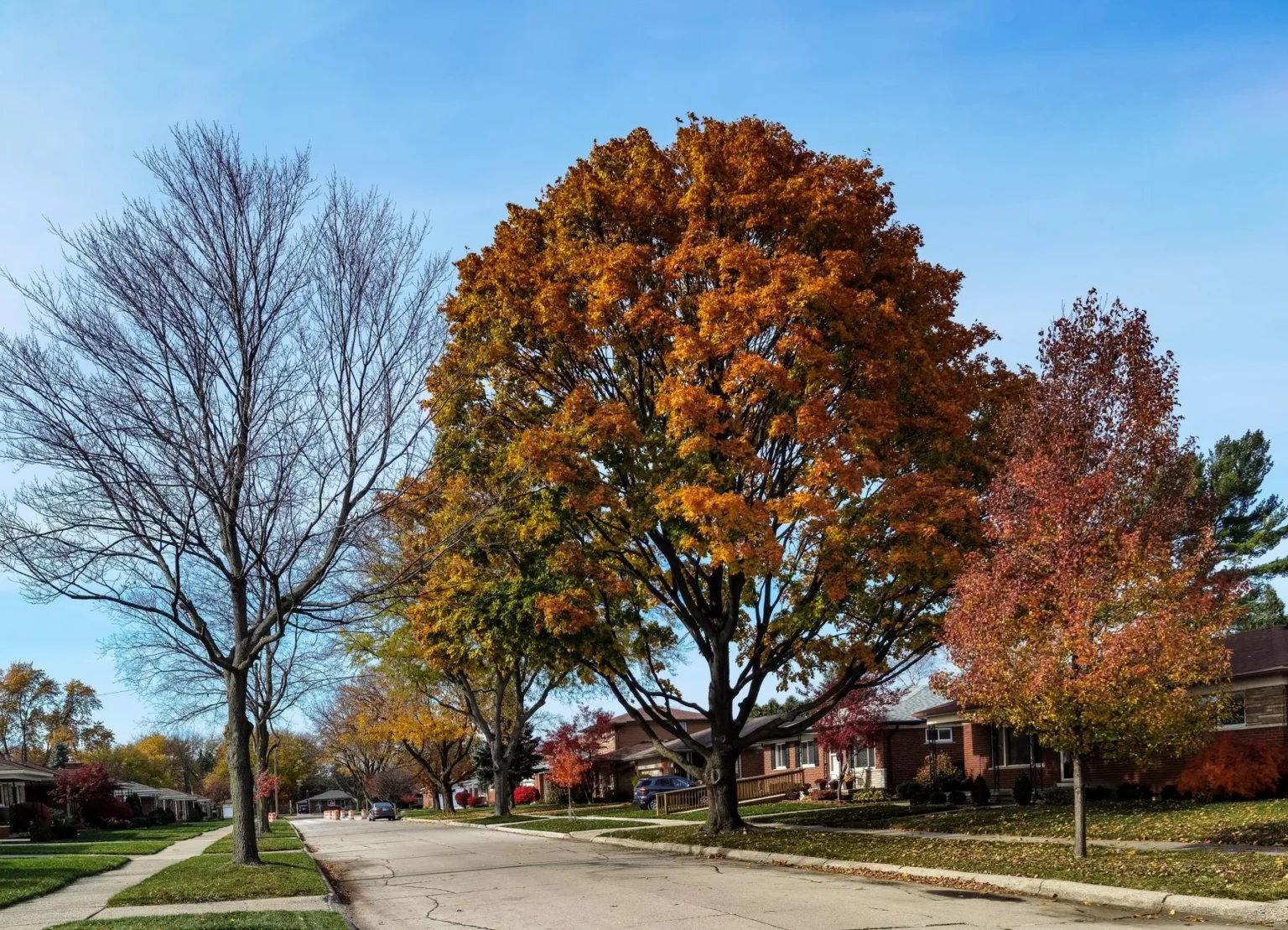
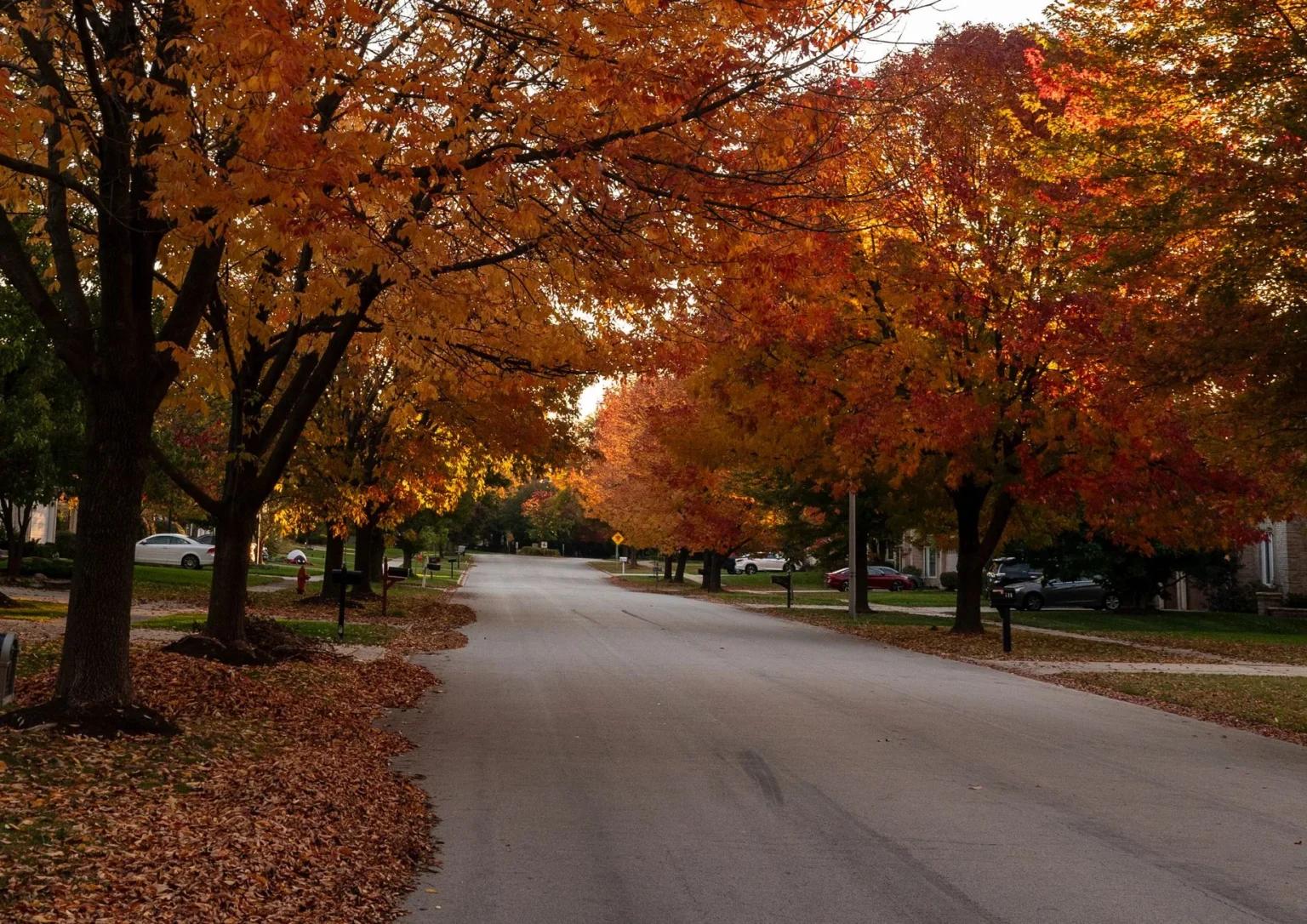
Fall is a practical time to think about this. The leaves are still on the trees, so a limb that carries a heavy load of foliage is under the most stress it will see all year. After the leaves drop, the structure of the tree is easier to read from the ground, and dead wood stands out against the sky. That makes October and November a good window to decide which trees are healthy, which need pruning, and which are past saving.
Not every tree that worries a homeowner needs to come down. Many can be improved with careful tree trimming and pruning, and some only need a second look in spring. Our Secaucus tree care guides are collected on one page for anyone who wants to read further.
What the Secaucus Tree Removal Permit Covers
The town’s FAQ is direct about when a permit is needed. A Tree Removal Permit is required before removing any tree with a trunk diameter of three inches or greater, measured at breast height, and it applies to a standing tree whether it is alive or dead. That is a low threshold. Many ornamental trees and young street trees are bigger than that, so a homeowner should assume a permit is needed unless the town says otherwise.
The rules soften for trees that are already a problem. The FAQ says dead, damaged, diseased, hazardous, and invasive trees are exempt from fees and do not require replacement planting, although the town may ask for a letter from a Licensed Tree Expert or Certified Arborist confirming the condition. Pruning is treated differently as well. A permit is not required for pruning that does not affect the viability of the tree, which is a useful line to remember when a neighbor asks about a hanging limb.
A street tree in the town’s right of way is a separate case. The FAQ states that a permit is required to remove any street tree, and that a fee applies unless the tree is exempt under the town code. If the tree in front of your house is lifting the sidewalk, the answer is to apply, not to cut. Private trees are the owner’s decision, but the same ordinance governs them once they reach the size threshold.
The process for an individual lot is short. The applicant completes the application, tags the trees to be removed, and includes a sketch showing the property and the location of the trees and any replacements. The town’s Administrator of Tree Conservation schedules an inspection within twenty days, and the permit is valid for twelve months from the date it is issued. Rules and fees can be revised, so confirm the current terms with the town before work is scheduled.
What to have ready for a Secaucus permit application
- A completed application for each lot with trees to be removed
- Ribbon or tags on every tree proposed for removal
- A sketch of the lot with trees and replacements located
- A letter from a certified arborist for any dead or hazardous tree
A clear sketch and an honest condition report make the inspection faster. Our tree removal service includes walking the tree with you and describing what we find in plain language, so the report matches what the inspector sees.
Edward Hufnagel, who owns Reliable Tree Service, puts it this way: “A permit tells you what the town expects. The tree tells you what it needs. We listen to the tree first, then we read the rules together with the owner.”
Signs a Secaucus Tree May Need to Come Down
Most trees do not fail without warning. The International Society of Arboriculture lists the common defects in its Recognizing Tree Risk brochure, and its checklist is simple enough to use in your own yard. It asks about large dead branches, hanging branches, loose bark, cracks or splits in the trunk, cavities and rotten wood, and mushrooms at the base of the tree. It also asks whether the area has recently been changed by construction, a change in soil level, or new lawn and pavement.
That last question matters in Secaucus. Lots here are often small and heavily paved, and a driveway, patio, or utility trench can cut through the roots that hold a tree up. Wet ground adds to the problem. The ISA notes that cracks or separations in the soil near the base can mean the roots are moving, especially if the tree is leaning, and a tree standing in saturated soil has less grip when the wind rises.
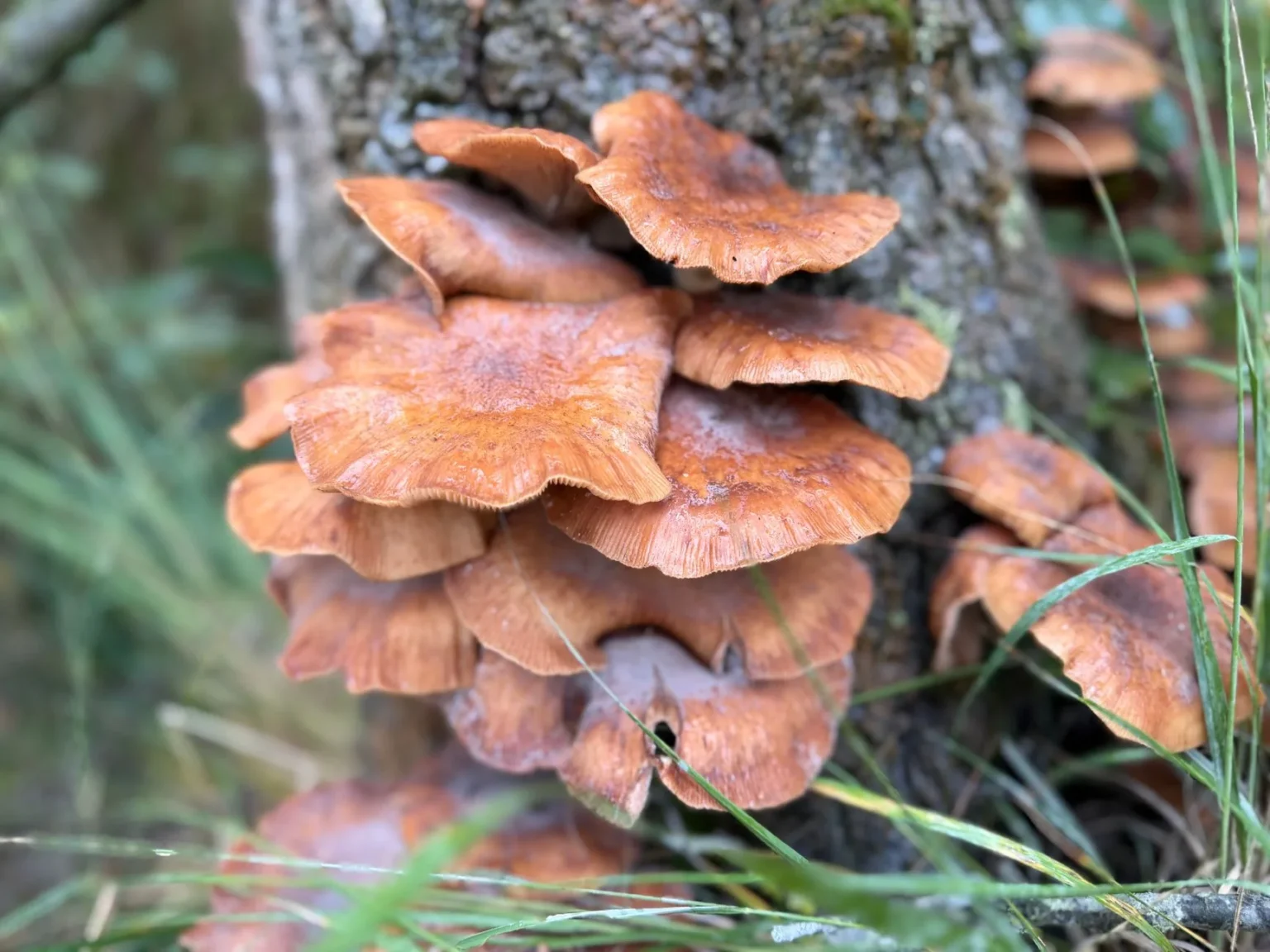
Decay is the other major sign. Mushrooms or conks at the base, a hollow in the trunk, or a lopsided shape can point to rot inside the wood. The brochure says the seriousness of these defects is best judged by an ISA Certified Arborist, because a defect that is minor on one tree can be a serious structural problem on another. This is the heart of any tree maintenance visit: a trained person looks at the same tree over time and notices change.
The ISA lists removal as one of several options, along with pruning, cabling and bracing, and routine care. Some trees with unacceptable risk are best removed, and where possible a new tree should be planted in their place. When we see a defect that cabling or pruning can manage, we say so. When we do not, we explain why and what the options are.
Signs that justify a certified arborist visit
- Mushrooms, cavities, or soft wood at the base or trunk
- Cracks or splits where the trunk divides or limbs attach
- Soil cracking or lifting beside the roots, often with a new lean
- Large dead limbs, or branches hanging loose in the canopy
If a tree shows more than one of these signs, do not wait for the next storm to decide. A written assessment gives you the facts for the town’s permit and for a sensible plan. Trees close to wires need special care, and the ISA says to call the electric company about any tree part touching a utility line and never to go near a downed line.
Planning the Replacement and Choosing a Contractor
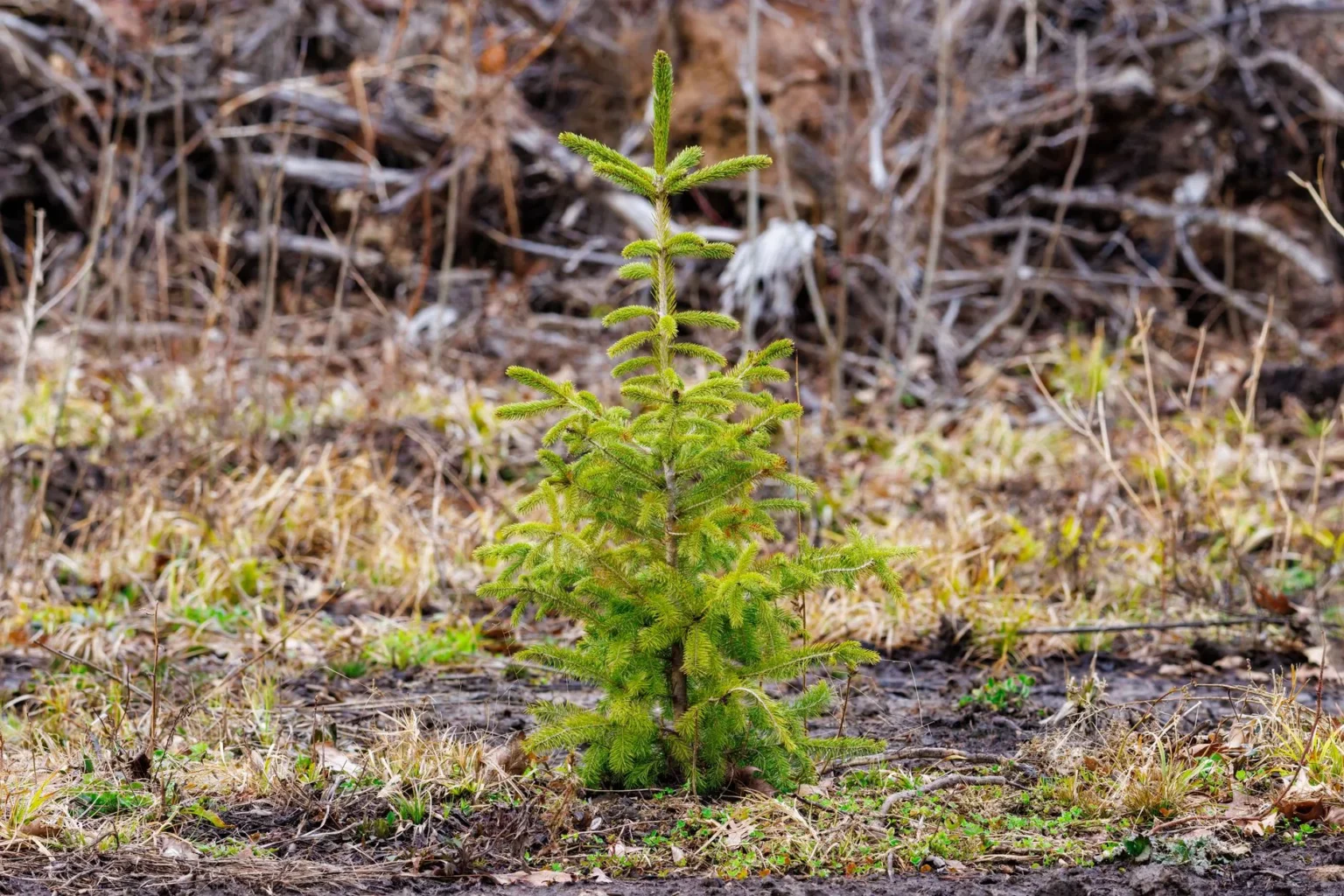
Tree removal in Secaucus is only half of the job, because the ordinance cares about what grows back. The FAQ says a replacement tree may be required unless the tree is exempt, and that the number of trees depends on the diameter of the one that was removed. Individual lot applications follow section 109-12 of the town code, while commercial properties and subdivisions follow section 109-10. If a lot has no room for all the required replacements, the owner pays into the Secaucus Tree Fund instead.
The replacement must come from the town’s approved list of species native to New Jersey, and supply depends on what growers have in stock. The list is divided into shade and street trees, evergreens, and trees for private property. Shade and street trees on the list include American hornbeam, zelkova, trident maple, and Yoshino cherry. The town’s evergreen choices include eastern red cedar, Norway spruce, and eastern hemlock, while on property trees include eastern redbud and flowering dogwood.
Choosing the right species for the space is as important as the permit. A tree planted too close to a house or a wire becomes the next removal in thirty years. Our guide to urban and suburban tree removal explains why tight lots change the plan, and the stump grinding page shows how we clear the ground so the new tree has room to establish.
Who you hire matters as much as what you plant. The ISA’s guide on why to hire an arborist recommends checking for an ISA credential, asking for proof of insurance and calling the insurer, checking local permits and licenses, and getting more than one estimate with the work described in writing. It also advises caution with anyone who goes door to door offering bargains. Tree work done badly cannot be undone, and an unpermitted removal in Secaucus can create trouble for the property owner, not only the contractor.
Questions to settle before tree removal in Secaucus is scheduled
- Whether the permit is issued and still within its valid window
- Which replacement species the town has approved for the lot
- Whether the stump will be ground out or left in place
- Who handles cleanup, wood, and brush after the work
Answering these first keeps the job simple. A removal that is planned with the permit, the replacement, and the stump in mind costs the homeowner fewer surprises than one decided in a hurry after a branch comes down.
Protecting Secaucus Trees Before and After Removal
Good tree removal in Secaucus begins long before the saw. It starts with an honest look at the tree, a clear reading of the town’s permit rules, and a plan for what replaces it. A fall visit gives you time to do all three before winter weather and wet ground make the work harder. We would rather walk a property and tell an owner the tree can stay than remove a tree that still has years ahead of it.
Our crews are ISA Certified Arborists and New Jersey Certified Tree Experts, licensed, bonded, and insured, and we answer emergency calls 24/7 when a tree comes down. If you have a tree in Secaucus that worries you, we will look at it, explain what we see, and help you understand what the town will want to know.
Call Reliable Tree Service at (201) 943-4141 to schedule an inspection. We are family owned since 1960, and our storm proofing and repair work is meant to keep the tree you have for as long as it is safe to do so.
Related Articles

Tree Storm Proofing in Teaneck NJ: Fall Prep for Mature Street and Yard Trees
Teaneck has looked after its street trees since 1995. This guide covers fall tree storm proofing in Teaneck for the yard trees behind the curb, the warning signs to watch for, and who handles what.

Weehawken’s Trusted Tree Experts – Trimming, Pruning & Removal
In Weehawken, where history meets the Manhattan skyline, Reliable Tree Service helps every tree tell its story. We specialize in expert trimming, pest care, and precision removals that keep the community’s parks, streets, and waterfront spaces thriving all year.
Elmwood Park Tree Service Experts – Trimming, Pruning, Removal & Pest Care
Reliable Tree Service provides professional tree trimming, pruning, pest control, and safe tree removal across Elmwood Park, NJ. Our certified arborists help local homeowners protect and enhance their landscapes year-round.
East Rutherford Tree Removal & Cleanup
We help East Rutherford homeowners and businesses storm-proof their trees, clear debris, and manage removals safely. Our certified arborists keep local properties secure and healthy before and after every storm.
Expert Tree Trimming & Removal in East Newark, NJ
East Newark, NJ is a compact Hudson County community where trees bring life and balance to an urban landscape. Reliable Tree Service provides expert trimming, removal, restoration, and pet-safe pest control to help homeowners preserve the health, safety, and beauty of their trees.
Lodi, NJ Tree Expert Company – Removals, Trimming, and More
As certified arborists serving Lodi, NJ, we take pride in protecting the community’s well-earned “Tree City USA” status. From precise tree removals and structural pruning to advanced restoration and storm recovery, Reliable Tree Service delivers expert care rooted in decades of Bergen County experience.