Table of Contents
Tree Care in Saddle Brook, NJ
Saddle Brook is a township in Bergen County, and according to Wikipedia it covers about 2.76 square miles, counted 14,294 residents in the 2020 census, and borders Elmwood Park, Fair Lawn, Garfield, Lodi, Paramus and Rochelle Park. It took the name Saddle Brook on November 8, 1955, replacing Saddle River Township, and the older name came from the Saddle River, a tributary of the Passaic River. On lots this close together, a mature oak or maple often stands within reach of a roof, a service line and a neighbor’s fence, so tree storm proofing in Saddle Brook is a question of structure far more than appearance.
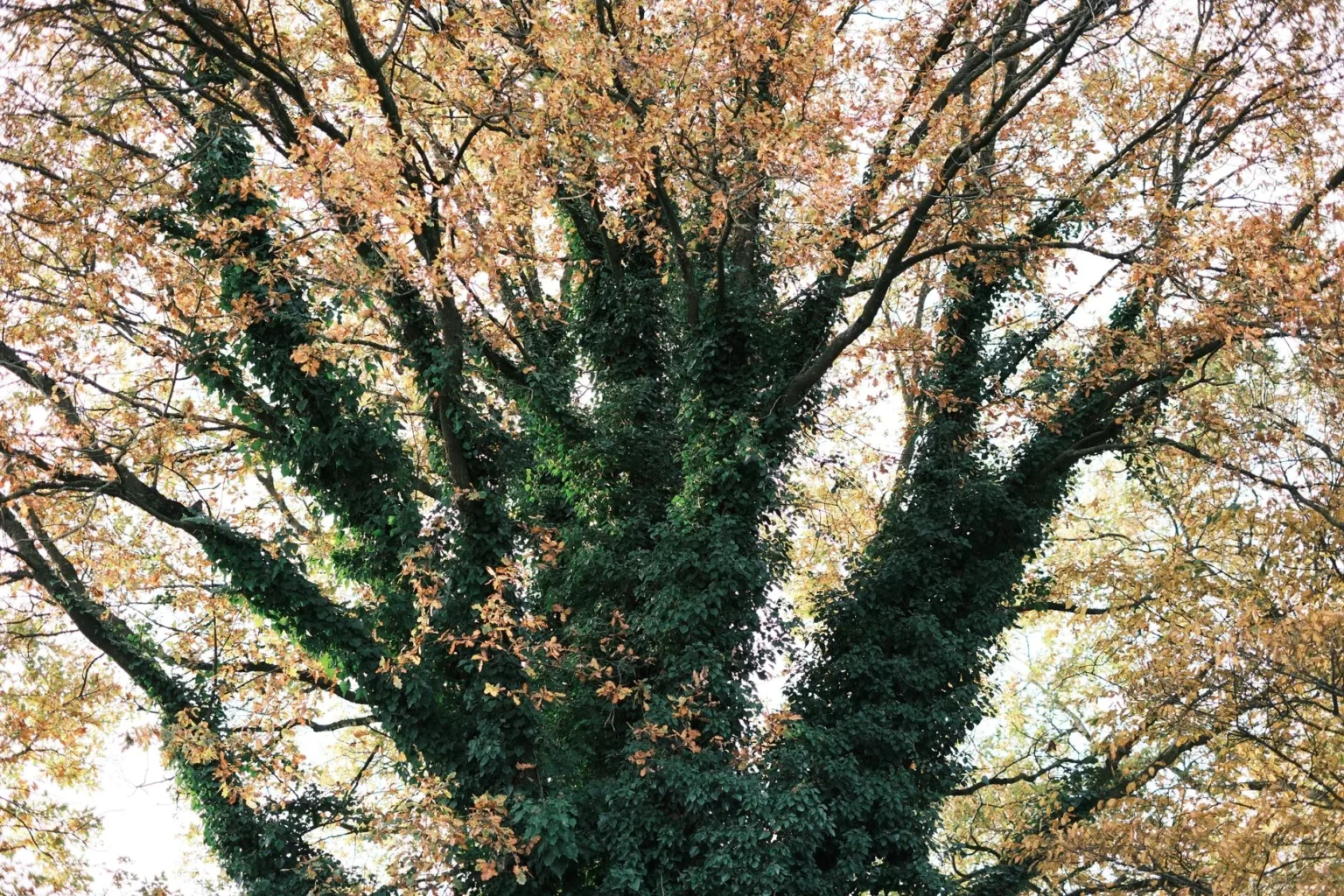
Late fall is a good time to look. The leaves are down, the canopy is open, and cracks, dead limbs and weak unions that stayed hidden all summer can be seen from the ground. The township has also put its tree rules in writing. The Chapter 192 amendment posted on the Township website as Ordinance 1749-24 defines a hazard tree, says a Licensed Tree Expert makes every hazard tree determination, and exempts hazard trees from the fee and replacement requirement that applies to other removals.
This guide covers three things: what a storm does to a tree and what to look for before the next one, what the township document says about hazard trees and replacement, and how we approach the work. We read the ordinance document on November 1, 2026. The copy we read has a blank adoption date and leaves some fees to be set by the town, so confirm the current rule with the Zoning Office before you act. Reliable Tree Service has been family owned since 1960 and works across Hudson and Bergen counties from Cliffside Park.
Our approach to tree storm proofing in Saddle Brook follows one order. We look at the tree first, then at what stands under it, and only then at the cut. A tree over a garage needs a different plan than a tree at the back of a lot, and a tree with a split union needs a different plan than one that only needs dead wood taken out. The goal is a tree that can carry its own weight through a hard wind, or a clear written reason why it cannot.
Much of that work falls under our storm proofing and repair service, which covers pruning for wind load, support systems and cleanup after damage. When a tree is sound but crowded, tree trimming and pruning often does the job. When it is not sound, removal is the honest answer, and we explain why before anyone sets up a ladder or a rope.
Why Trees Fail in Wind and What to Look For
A storm does not create most tree failures. It finds them. The tree risk brochure from the International Society of Arboriculture says there is no such thing as a completely safe tree and that all trees have the potential to fall, though only a small number actually hit something or someone. It also says tree owners are responsible for the safety of others around trees on their property, and that judging how serious a defect is works best in the hands of a professional arborist.
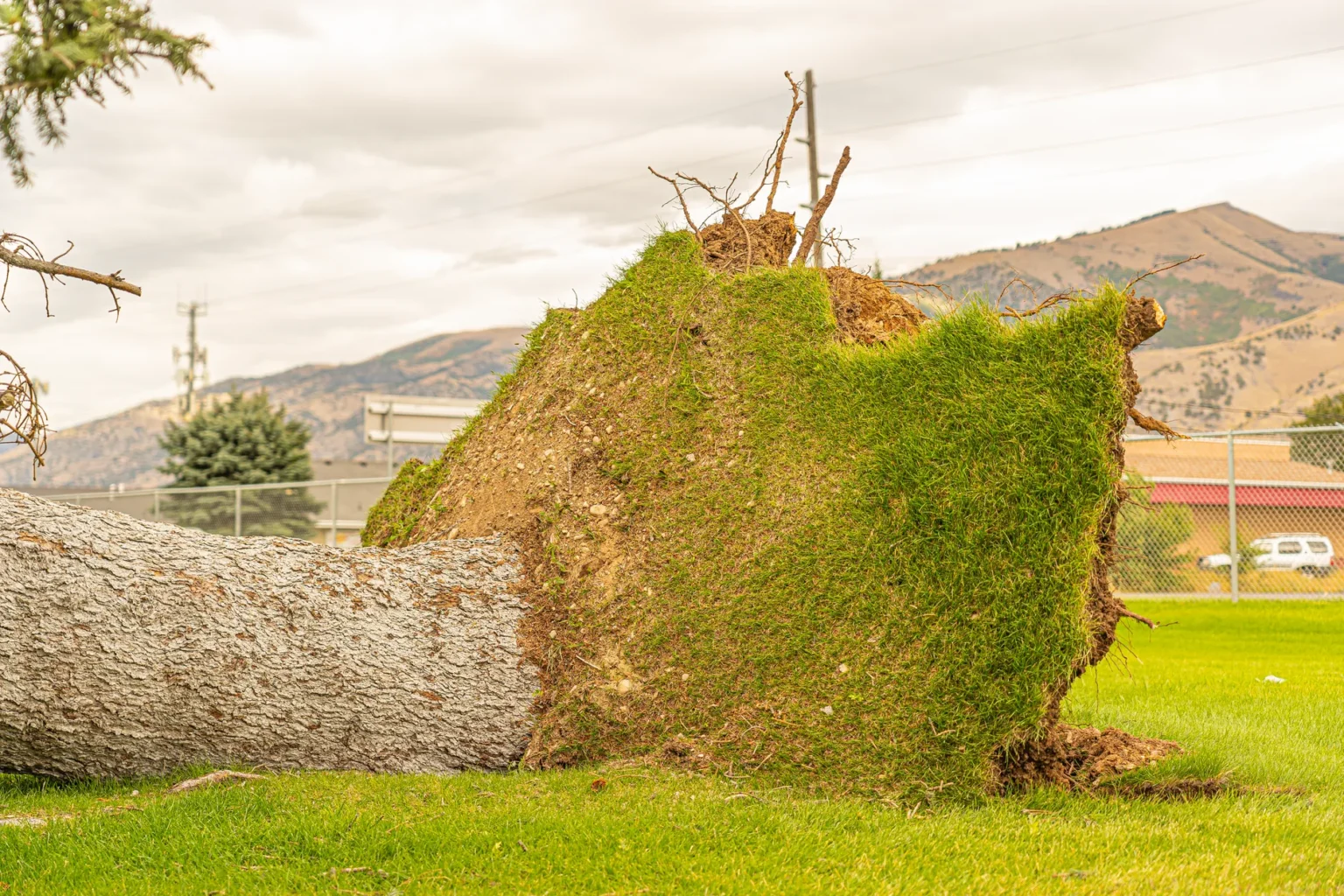
The brochure lists defects that raise the odds of failure. Codominant stems, which are two trunks of similar size competing from one point, are named as common failure points. So are cracks and splits in a trunk or branch union, cavities and rotten wood, poor taper where weight sits at the end of a limb, and cracks in the soil beside the trunk, which can signal movement of the roots. A leaning tree with soil heaving on one side deserves a phone call, not a wait and see approach.
Look up as well as across. The ISA brochure warns that a tree with the potential to fall into a utility line is a very serious situation, and that no one should try to remove branches from or near power lines or go near a downed line, because it may still be live. If tree parts touch a line, the brochure says to call the electric provider. In a township as built up as Saddle Brook, the wires are close to the canopy, and we plan every storm proofing job around them.
Storm proofing in Saddle Brook: defects to check after the leaves drop
- Two trunks joined at a tight, bark filled fork
- Cracks or splits along the trunk or a limb
- Soil heaved or cracked beside the root flare
- Large dead branches hanging over a roof
Edward Hufnagel, who owns Reliable Tree Service, puts it this way: “A tree does not warn you about the storm it cannot handle. You have to read its structure before the weather does, and the best time to read it is when the canopy is open and the ground is calm.”
Hazard Trees and Written Assessments in Saddle Brook
The township ordinance gives a clear picture of what Saddle Brook counts as a hazard tree. According to the document, a hazard tree is a tree or limbs that meet one or more criteria: it has an infectious disease or insect infestation, it is dead or dying, it blocks the view of traffic signs or the free passage of pedestrians or vehicles where pruning has not worked, it is causing obvious damage to structures such as foundations or sidewalks, or a certified arborist or Licensed Tree Expert finds it to be a threat to public health, safety or welfare.
The same document says a Licensed Tree Expert makes all hazard tree determinations, and it lists hazard trees among the exemptions, with no fee or replacement requirement. That matters to a homeowner, because it rewards an honest professional assessment. The state backs the same standard. The New Jersey Board of Tree Experts says it is now mandatory to hire a tree care business registered with the state that employs a Licensed Tree Expert or Licensed Tree Care Operator, and that many homeowner policies will not cover injuries or damage done by an under insured contractor.
The ISA guide on hiring an arborist adds practical steps. It advises tree owners to check for an ISA credential, ask for proof of insurance and call the insurance company, get more than one estimate, and get the agreement in writing. It also says to be wary of people who go door to door offering bargains, which becomes a real concern in the days after a storm when unlicensed crews knock on doors.
Before a storm, not after, is the best time to ask for a written assessment. If a tree qualifies as a hazard, a written finding from a Licensed Tree Expert is the paperwork that supports the exemption. If it does not, the same finding tells you what pruning or support will lower the risk without removing the tree. Either way, the record belongs in your files and not only in a contractor’s truck.
What a written hazard assessment should cover
- The tree species and its trunk size
- Each defect found and where it sits
- What the tree could strike if it failed
- The recommended work and its reason
Keep photographs with the assessment. A dated photo of a split union or a dead limb shows the condition on the day it was found, and it helps the Zoning Office understand a request. We pair every inspection with notes of this kind through our tree maintenance visits.
Root Zones, Replacement Trees and Township Penalties
Not every Saddle Brook removal is a hazard removal, and the ordinance treats the others differently. According to the document, anyone who removes a street tree with a diameter at breast height of 8 inches or more, or a tree of 8 inches or more per acre, falls under the replacement table unless an exemption applies. A non street tree of 6 inches to 12.99 inches calls for one replacement with a minimum caliper of 1.5 inches. The table steps up to two, three and four trees as the removed tree gets larger.
The replacement trees must be planted within twelve months, monitored by the applicant for two years, and replaced if they fail. They cannot be left in temporary pots. If the township decides some or all replacements cannot be planted on the property, the applicant may plant them in another approved area or pay $50.00 per tree removed into a fund for tree planting and care. The fee column for the table itself is shown as to be set by the town, which is one more reason to call before work starts.
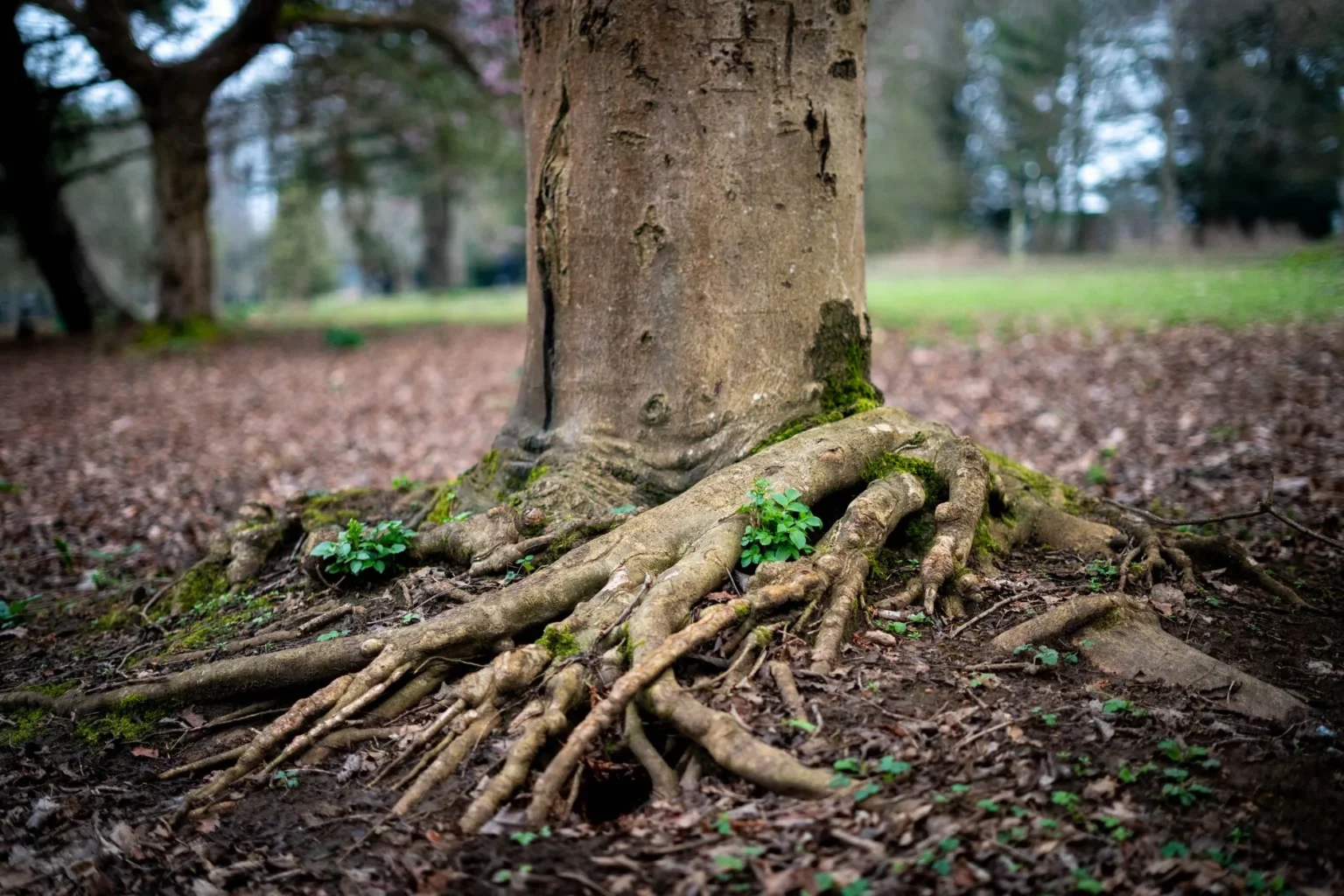
The ordinance also reaches past cutting. Its definition of tree removal includes killing or irreparably damaging a tree through excessive pruning, toxic substances, improper mulching, or grading and soil compaction within the critical root radius, which it calculates as 1.5 feet for every inch of trunk diameter. A violation carries a fine of $250, and each tree cut in violation counts separately. Any application for clear cutting, meaning more than four trees or 25 percent of the trees on a lot in a calendar year, goes to the Zoning Office with a $50.00 fee and a survey, and the Zoning Officer has 30 days to decide.
For storm proofing, the root rule is the one to remember. A trench for a patio, a pile of fill against the trunk or a parked truck on the root zone can weaken a tree for the next storm. Our tree feeding and soil care help a stressed tree recover, and a short tree removal consultation can tell you whether a damaged tree is worth keeping.
Root zone habits that protect a tree before winter wind
- Keep fill and grade changes off the trunk base
- Hold vehicles and sheds outside the root radius
- Spread mulch in a ring, not against bark
- Call before trenching near a large tree
These habits cost little and prevent the kind of root loss that turns a manageable tree into a hazard. Read the township document in full if you plan work near any tree over 8 inches in diameter.
Protecting Saddle Brook Trees Before Winter Wind
Saddle Brook gives homeowners a written framework: a definition of a hazard tree, a Licensed Tree Expert to make the call, a replacement table for ordinary removals and a clear fine for cutting without following the rules. Use it. Walk your yard while the canopy is open, photograph anything on the checklist above, and get a written assessment before the next hard wind, so that the work, the paperwork and the budget are settled in calm weather.
Our other local guides are collected in the Saddle Brook tree care articles section, and neighboring examples of the same work include our guides to fall pruning in Fair Lawn and storm proofing in Ramsey. We are family owned since 1960, and we will tell you plainly what your tree needs and what the township asks for.
Our crews are ISA Certified Arborists and New Jersey Certified Tree Experts. Call Reliable Tree Service at (201) 943-4141 to schedule tree storm proofing in Saddle Brook or to have a tree inspected before the winter storms arrive.
Related Articles

Stump Grinding in Emerson NJ: Street Tree Permits, Root Rules, and Replanting
Emerson asks for borough approval before anyone cuts roots or removes soil near a street tree, and the stump is the last step of any removal. This guide covers stump grinding in Emerson, from permits and root rules to wood chips and replanting.
Tree Removal in Dumont NJ: Borough Permit, $25 Fee, and Commission Inspection
Dumont requires a permit before any tree can be removed in the Borough, with a Shade Tree Commission inspection before work begins. This guide covers tree removal in Dumont, from the paperwork and fee to hazard signs, Borough owned trees and replanting.
Tree Pruning in South Hackensack NJ: Permits, the 25 Percent Limit, and Fall Timing
South Hackensack publishes a Shade Tree Commission permit form that covers pruning as well as removal, with a stated 25 percent limit. This guide covers tree pruning in South Hackensack, from the permit and fee to clean cuts and fall timing.
Tree Pest Management in Guttenberg NJ: Hazard Tree Rules and Redbud Replacement
Guttenberg counts a tree with an insect infestation as a hazard tree and calls for an Eastern Redbud when a tree comes down. This guide covers tree pest management in Guttenberg, from spotted lanternfly egg masses to the signs of emerald ash borer.
Tree Feeding in Demarest NJ: Caring for Replacement Trees Under Borough Rules
Demarest can require a replacement tree and a cash bond when a tree comes down, and the owner stays responsible if that tree dies within twenty four months. This guide covers tree feeding in Demarest, from watering and mulch to soil tests and timing.
Tree Trimming in Waldwick NJ: Pruning Rules, Qualified Trees, and Right of Way Care
Waldwick regulates tree removal and replacement under a chapter adopted in 2024, and it sets firm rules for trees in the public right of way. This guide covers tree trimming in Waldwick, from qualified trees and roots to clean cuts and topping.