Table of Contents
Tree Care in Waldwick, NJ
Waldwick is a borough in Bergen County, and according to Wikipedia it was formed in 1919 from the remaining part of Orvil Township. It covers about 2.07 square miles, had 10,058 residents in the 2020 census, and the same article describes the Ho-Ho-Kus Brook as flowing through the center of the borough. Mature street trees, backyard oaks and maples, and tall evergreens grow close to houses on modest lots, which makes careful tree trimming in Waldwick a matter of safety as much as appearance.
Trimming is the most common tree job and the easiest one to do badly. A single cut changes how a tree grows for years, and a rule in the borough code can decide whether a tree may be cut at all. Since September 10, 2024 Waldwick has had a tree chapter in its code, adopted as Ordinance 2024-27 and summarized on the borough tree removal and replacement page. We read that page and the full ordinance text for this guide.
The sections below explain what the chapter does and does not say about pruning, how to tell a healthy trim from damage, and what to ask before anyone climbs a tree on your property. Reliable Tree Service has been family owned since 1960 and works across Hudson and Bergen counties from Cliffside Park. Rules change, so confirm every detail with the Waldwick Building Department before work begins.
The ordinance explains its own reason in the opening lines. The borough’s stormwater permit requires it to adopt an ordinance that regulates the removal and replacement of trees, and the text of Ordinance 2024-27 then sets out definitions, permits, fees, replacement rules, and penalties. It also says trees help with soil stability, stormwater runoff, and shade, which is a useful way to think about what a trim should protect.
That context helps with trimming questions. The chapter is built mostly around removal and replacement of larger trees, and trimming sits at its edges. Our tree trimming and pruning page describes the work in general terms. For tree trimming in Waldwick, we take qualified trees first, then trees in the public right of way, then the quality of the cut, and finally what to ask a contractor.
Tree Trimming in Waldwick and the Qualified Tree Definition
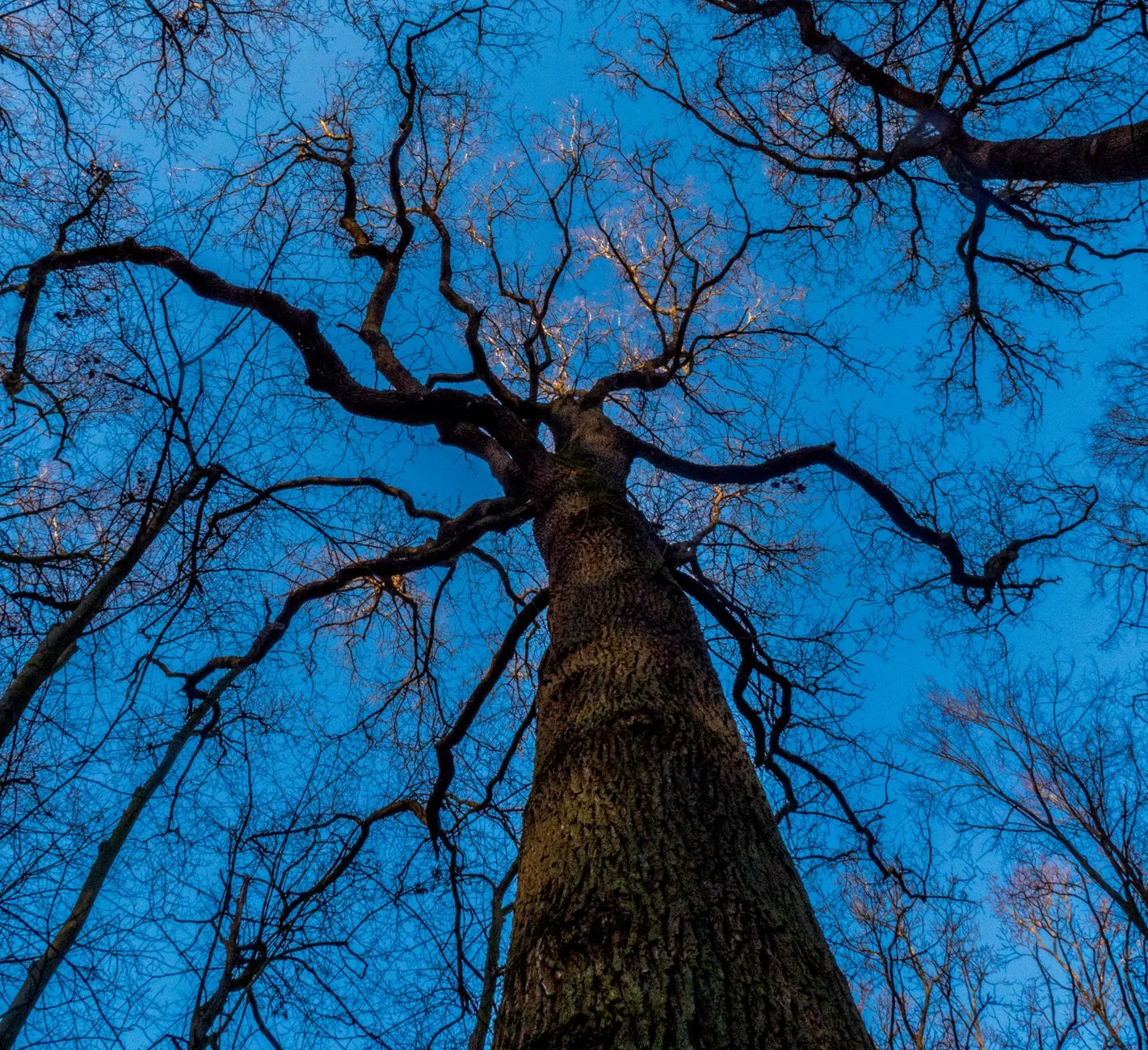
The chapter regulates what it calls a Qualified Tree. That is any deciduous tree on any land in the borough with a diameter at breast height of eight inches or greater, or any coniferous tree twenty feet tall or more. Diameter at breast height is the trunk width measured 4.5 feet above the ground, and for a tree with several trunks the ordinance measures the largest one. A young maple or a small ornamental is not covered, but a mature oak or a tall spruce almost certainly is.
Section 90-3 says no one may cut down, destroy, or remove a Qualified Tree except as the article permits. It also bars willful damage, and it defines that broadly: cutting, gashing, nailing, spiking, or slitting a tree, pouring a liquid on the tree or the nearby ground, covering the ground around it with a nonporous material that cuts off air, light, or water, and placing or removing soil within ten feet of the trunk. Storing building material or setting construction equipment within ten feet of a tree is prohibited too.
The text we read does not set a permit for pruning a private yard tree. It speaks of cutting down, destroying, removing, and damaging, and the removal permit goes through the Building Department. A trim that kills a tree is destruction in plain terms, so we treat a heavy cut as a decision that deserves a call to the borough first. The ISA brochure Pruning Mature Trees says generally no more than 25 percent of the crown should be removed at once, and less for mature trees.
The chapter also lists conditions that are not Qualified Trees. They include the removal of invasive species, pruning or removal in the right of way for the sake of public utility lines, trimming or removing trees that block municipal signs, traffic control devices, or sight angles at intersections, and any Hazard Tree. A Hazard Tree is one that is dead, dying, infested or diseased as determined by a Licensed Tree Expert, or causing obvious damage to structures such as foundations and sidewalks.
Checks before trimming a larger tree
- Measure trunk width at four and a half feet
- Count the trunks and measure the largest one
- List each limb that must come off entirely
- Ask the Building Department about the planned cuts
Our tree trimming and pruning crews can take those measurements with you and mark the cuts before anyone touches a saw. Edward Hufnagel, who owns Reliable Tree Service, puts it this way: “A trim should answer a question about the tree, not about the calendar. Decide what the cut is for, then make the smallest cut that does the job.”
Right of Way Trees, Sidewalks, and Roots in Waldwick
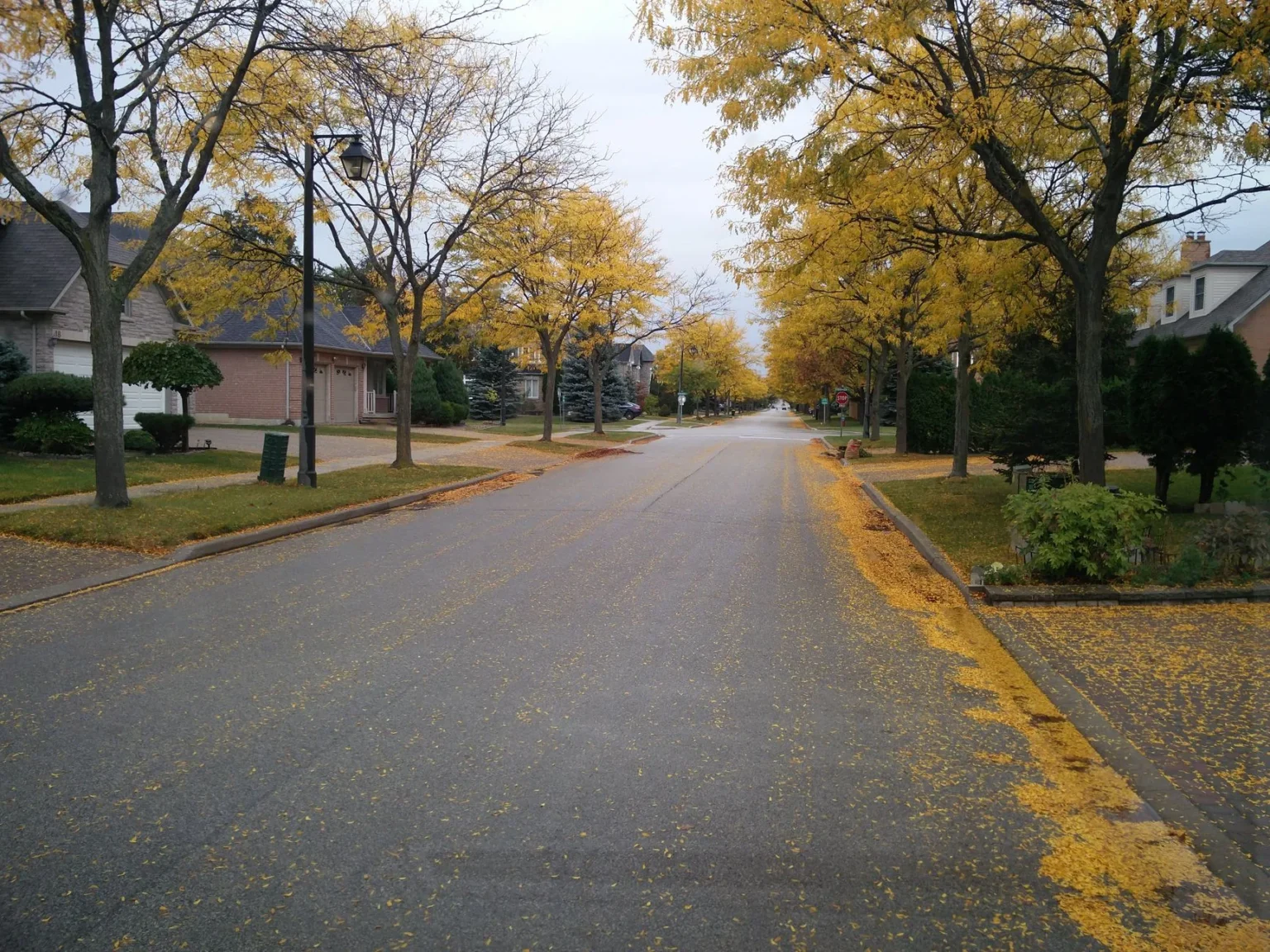
Trees in the public right of way carry their own rules. Section 90-5 prohibits fixing a sign or any other device to a tree there with nails, screws, or bolts, and it bars fastening a rope, wire, or cable to a right of way tree for any reason other than staking in line with standard arboriculture. No one may hitch an animal to a street tree, and no one may let injurious chemicals reach its trunk, leaves, or roots. On public lands, climbers may not use gaffs or spikes unless the tree is coming down.
The rule that touches trimming most is subsection G. It prohibits altering or pruning any tree in the public right of way, or the conditions around it, in a way that may reduce its viability and life span. If a tree stands between your sidewalk and the street, ask the borough whether it is a public tree before you cut anything from it. A neighbor with a chainsaw and good intentions can still cause a violation.
Roots are covered as well. Under section 90-6 no root of a right of way tree may be cut for sidewalk construction, reconstruction, or driveway enlargement without written authorization from the Borough Engineer. The Engineer can decide whether root grinding, removal, or reshaping the walk is warranted, and a defective slab within five feet of a tree is replaced at the owner’s expense as the Engineer directs. A tree removed for a driveway enlargement counts as a Qualified Tree and is replaced.
Clearance trimming is a different job from cutting back a whole crown. The ISA brochure describes raising as removing the lower branches to give clearance for buildings, vehicles, and pedestrians, and it says a correct cut sits just outside the branch collar. Raising a street side tree should be done in small steps over several seasons, not in one heavy session that strips the lower crown.
Signs a street side tree needs a professional look
- Lifted sidewalk slabs beside the trunk
- Low limbs rubbing roofs, wires, or signs
- Dead branches over the road or walkway
- Cavities, cracks, or mushrooms at the base
Limbs that hang over a roof after a wind event belong on our storm proofing and repair list, and our Oakland land clearing guide shows how a neighboring borough handles root zones and permits.
How to Judge a Good Trim and Avoid Topping
The ISA brochure starts with a simple rule: each cut has the potential to change the growth of the tree, so no branch should be removed without a reason. Good reasons include dead branches, improving form, reducing risk, and letting light and air into the crown. Routine thinning does not necessarily improve a tree’s health, and the brochure warns that heavy pruning is a significant stress because leaves make the sugars that feed the tree.
Timing matters less than restraint, and that holds for tree trimming in Waldwick as much as anywhere. Light pruning to remove weak, dead, or diseased limbs can be done at any time of year. Growth and wound closure are best if pruning comes before the spring growth flush, and heavy pruning of live tissue just after that flush should be avoided, especially on weak trees. Fall is a sensible time for a structural look, because falling leaves make branch attachment and dead wood easier to see.
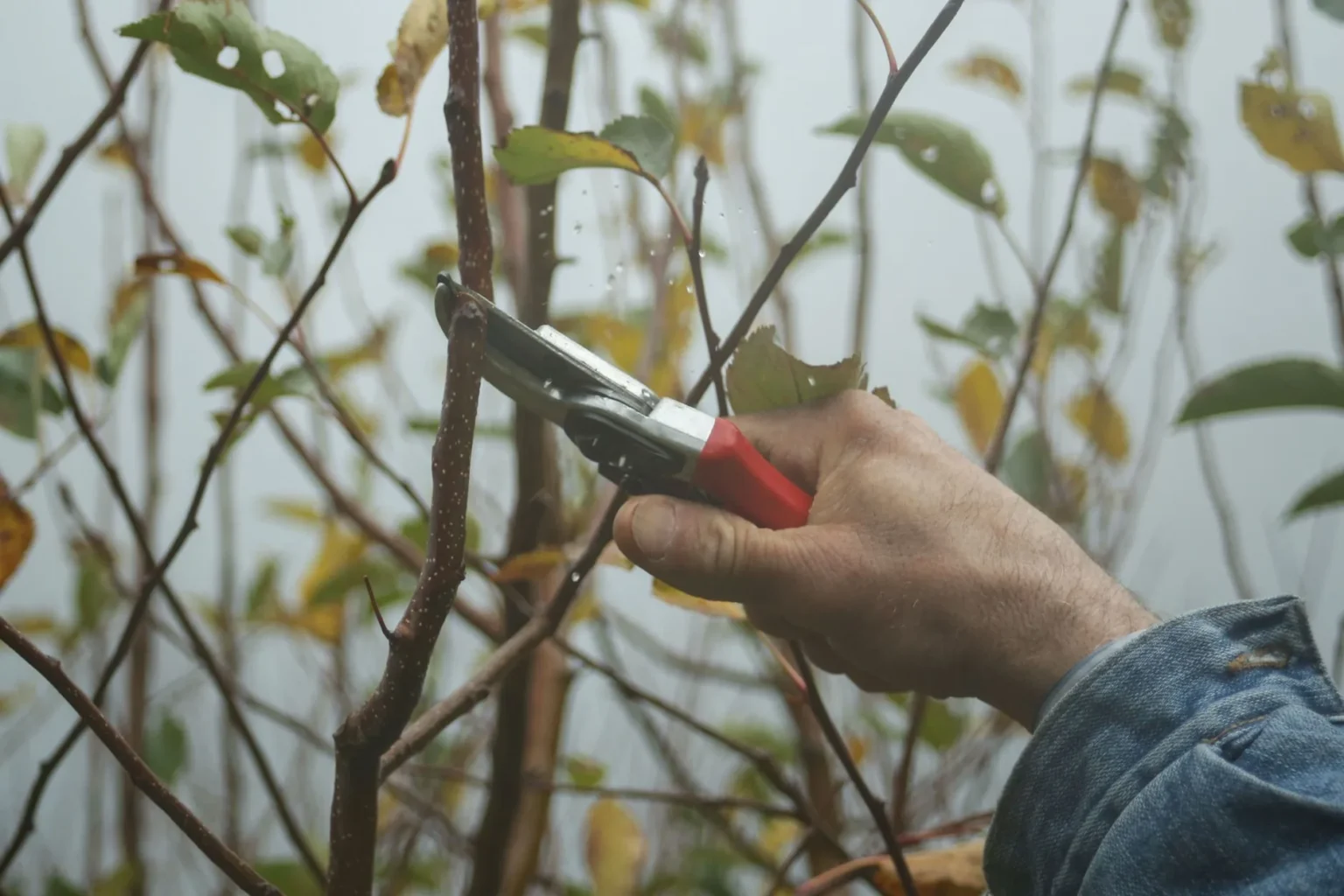
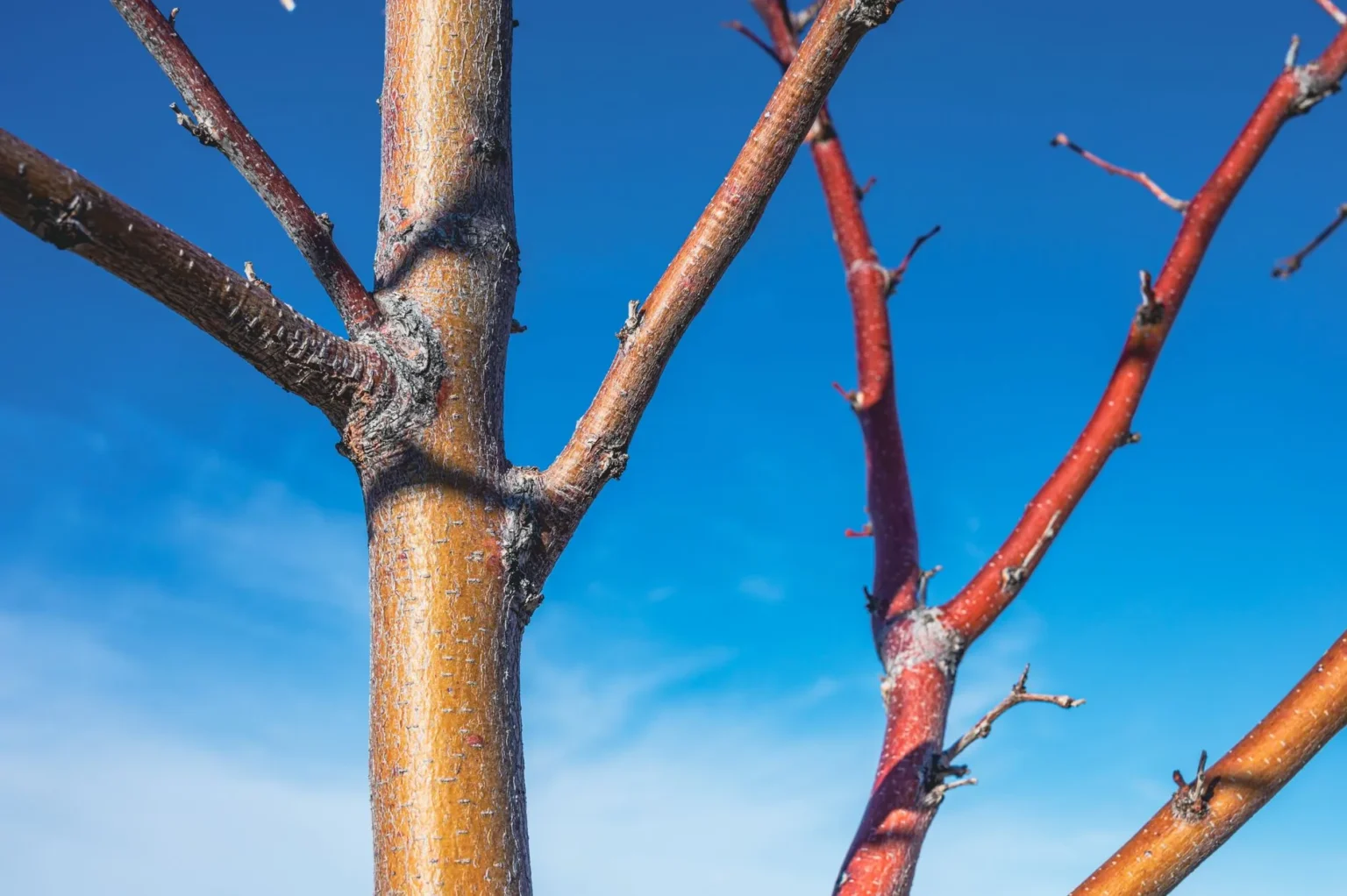
The cut itself is where most damage happens. A correct cut removes the branch just outside the collar and not flush to the trunk, because tissue above and below a flush cut often dies. A large limb comes off in stages: an undercut 12 to 18 inches out from the trunk, a top cut just beyond it, and then the stub is removed back to the collar so the bark does not tear. The brochure adds that wound dressings do not reduce decay and that most experts recommend leaving them off.
Topping is the practice to refuse. The ISA brochure Why Topping Hurts Trees calls it perhaps the most harmful pruning practice known, and says it can remove 50 to 100 percent of the leaf bearing crown. The tree answers with weakly attached shoots that break in wind or ice, the bare limbs can sunburn, and the stubs invite decay. A topped tree that declines may later need removal, and then the permit and replacement rules apply. Reduction cuts back to branches at least one third the diameter of the stem removed and keeps the tree’s form.
Marks of a sound trim
- Cuts made just outside the branch collar
- Each branch removed for a stated reason
- The natural shape of the crown left intact
- No stubs, no flush cuts, no topped leaders
Our tree maintenance visits follow that list, and our Glen Rock pruning guide shows how another Bergen County borough ties pruning to its permit rules.
Protecting Waldwick Trees With Careful Pruning
When a trim turns into a removal, the chapter takes over. A permit from the Building Department is required, the fee is $50 per tree unless the tree is a Hazard Tree, and the borough decides within 20 business days. A replacement tree or a payment of $450 into the Replacement Tree Fund usually follows, although Hazard Trees are exempt from replacement. Our tree removal team can help you judge whether a tree has reached that point.
Whoever you hire should be registered and insured. The New Jersey Board of Tree Experts says it is mandatory to hire a registered tree care business that employs a licensed individual, and the Waldwick chapter also requires tree contractors to register with the borough each year, so ask to see both.
Our crews are ISA Certified Arborists and New Jersey Certified Tree Experts, and our other local guides are collected in one place on the Waldwick tree care articles page. Call Reliable Tree Service at (201) 943-4141 to schedule tree trimming in Waldwick. We are family owned since 1960, and we will tell you what the tree needs and what the borough requires before any work begins.
Related Articles

Tree Maintenance in Cresskill NJ: Willows, Poplars, Street Trees, and Borough Rules
Cresskill bans new poplars and willows in its shade tree chapter, and a 2025 ordinance treats excessive pruning as tree removal. This guide covers tree maintenance in Cresskill, from street tree ownership to roots, pipes, and permits.
Land Clearing in Englewood NJ: Tree Permits, Root Zones, and Replacement Rules
Englewood regulates tree removal under Chapter 425 of its city code, and clearing a lot can trigger a permit before the first tree comes down. This guide covers land clearing in Englewood, from permits to root protection.
Stump Grinding in Hackensack NJ: City Removal Rules, Grinding Depth, and Replanting
Hackensack regulates most tree removals under a 2024 ordinance, and the stump is what remains when the paperwork is done. This guide covers stump grinding in Hackensack, from the city form to grinding depth, wood chips, and replanting.
Tree Removal in Park Ridge NJ: Hazard Trees, Replacement Rules, and Root Zones
Park Ridge adopted a tree removal and replacement ordinance in 2024, and it reaches further than most owners expect. This guide covers tree removal in Park Ridge, from hazard trees to replacement planting and the root zone.
Tree Storm Proofing in Ramsey NJ: Thunderstorm Wind, Borough Rules, and Fall Checks
Ramsey has plenty of mature trees, and a June thunderstorm showed what wind can do to them. This guide covers tree storm proofing in Ramsey, from common defects to the borough’s rules on who handles which tree.
Tree Maintenance in River Edge NJ: Leaves, Mulch, and Root Care for Fall
River Edge has been a Tree City USA every year since 2000, and what happens on the ground under a tree matters as much as what happens in the canopy. This guide covers tree maintenance in River Edge from fallen leaves and mulch to who handles street trees.