Table of Contents
Tree Care in Moonachie, NJ
Moonachie is a borough in Bergen County. According to Wikipedia it was incorporated by an act of the New Jersey Legislature on April 11, 1910, from portions of Lodi Township, and part of its land was later used to form Teterboro on March 26, 1917. The borough covers 1.74 square miles, lies in the Hackensack River watershed and borders Carlstadt, Hasbrouck Heights, Little Ferry, South Hackensack, Teterboro and Wood-Ridge.
Tree removal in Moonachie raises two questions before anyone starts a saw, and the first is whose tree it is. We read the Wikipedia article, the borough Trees and Shrubs chapter on ecode360, the borough garbage and recycling page, a 2014 flood report prepared for the New Jersey Department of Environmental Protection and two International Society of Arboriculture brochures on November 23, 2026. Rules change, so confirm every detail with Borough Hall at 201.641.1813 before you plan work.
This guide covers what the borough code says about trees on public ground, what a dangerous tree notice means for the owner of the property in front of it, how a flood prone setting changes the way we read a tree, and how the wood leaves the yard without breaking the curb rules.
Reliable Tree Service is family owned since 1960 and works across Hudson and Bergen counties from Cliffside Park. Our tree removal crews take a tree down in sections, protect the lawn and drives around it, and haul the wood away, but the work starts well before the first cut, with a look at the trunk, the roots and the ground the tree stands in.
Moonachie sits between towns we have already covered. Our guides to tree storm proofing in Little Ferry and tree storm cleanup in Carlstadt cover the borough rules next door, and our Moonachie tree care articles page collects what we write for this borough.
Tree Removal in Moonachie Starts With Chapter 16 of the Borough Code
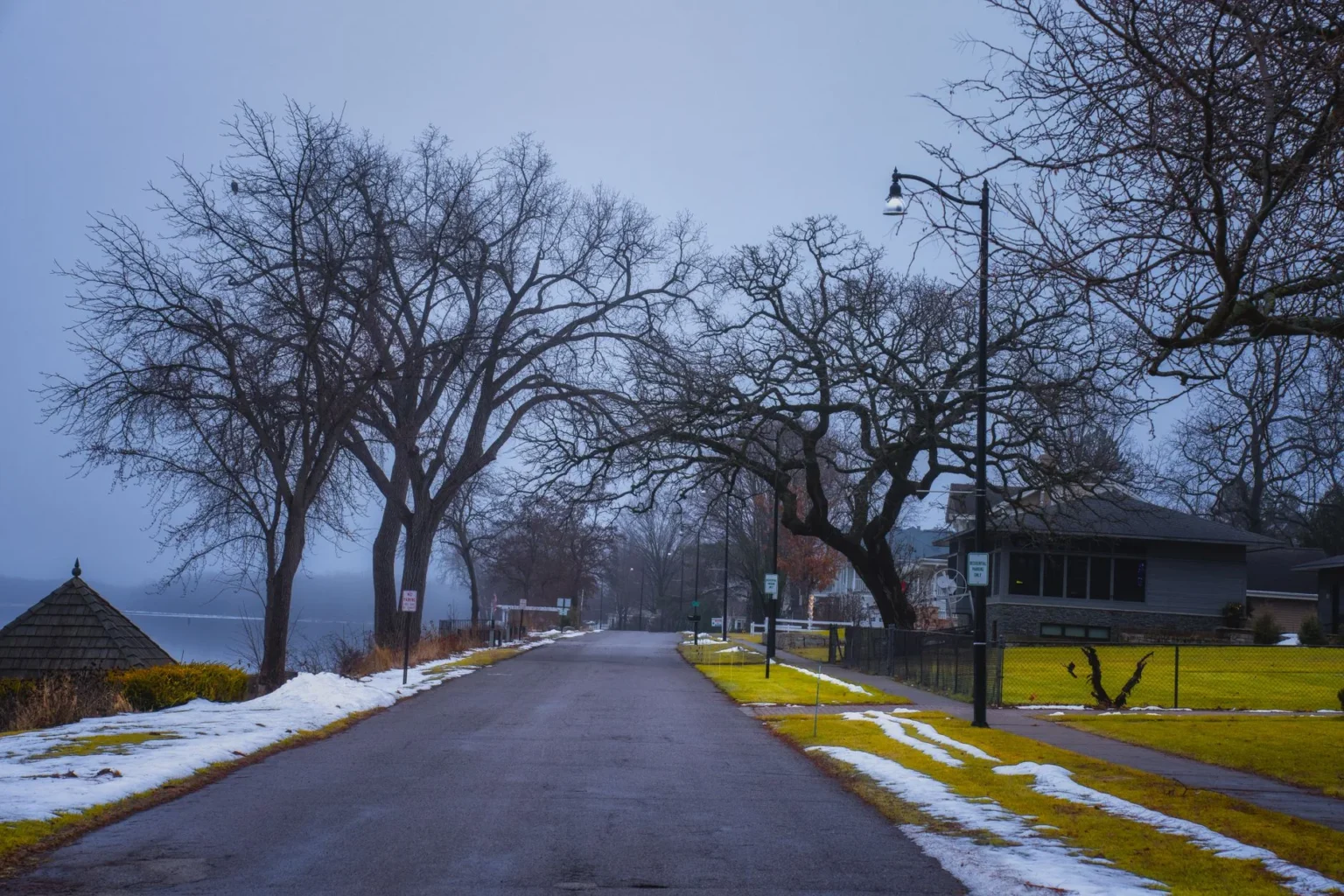
The borough code gives the Department of Public Works control over trees on public ground. Chapter 16 of the borough code says no person may do certain things to trees, shrubs or ornamental material planted or growing naturally within the highways or public places under the jurisdiction of the borough, except with a written permit first obtained from the Department of Public Works. That covers a street tree in front of a house, so the first step in tree removal in Moonachie is finding out which side of the property line the trunk stands on.
The list of acts in section 16-1 goes well beyond cutting. It names trimming, breaking, disturbing the roots of or spraying chemicals on a living tree, along with planting or removing one and climbing one with spikes. It also bars fastening a rope, wire, sign or other device to a tree, closing the open space around the base that lets air, water and fertilizer reach the roots, and piling building material or mixing mortar within six feet of a tree. Changing the soil grade within the lateral spread of the branches needs a permit as well.
Section 16-7 deals with trees that become dangerous. If a tree or part of a tree along the public highway becomes dangerous to public safety, the owner of the property in front of it must remove it, or the required part, forthwith on receipt of written notice from the Department of Public Works. In plain terms, a homeowner can be the one responsible for a street tree that fails an inspection. Section 16-8 adds that a violation is handled under the general penalty in Chapter 1 of the code, and that each further violation after a notice counts as a new offense.
The chapter has limits we should name. It does not list a fee, an application form or a deadline, and it speaks about highways and public places rather than trees on a private lot. We did not find a separate Moonachie rule for removing a tree in a back yard, so this guide does not claim one. Call Borough Hall before cutting anything near the curb, and keep the answer in writing.
What needs a written permit on public ground
- Cutting or trimming a living tree on a highway
- Planting or removing a tree on public ground
- Climbing a street tree with spikes
- Piling materials or mixing mortar within six feet
If a limb has already fallen across a wire, stay clear and call your electric utility. Edward Hufnagel, who owns Reliable Tree Service, puts it this way: “Before you decide a tree has to come down, find out whose tree it is. That answer decides who needs to look at it and what has to be on paper before anyone cuts.”
Wet Ground, Flood History and What It Means for Mature Trees
Water is the other half of the picture. A 2014 report for the Department of Environmental Protection, prepared by the New Jersey Institute of Technology, says Little Ferry, Moonachie and Hackensack have a long history of flooding. It traces the effort back to the late 1600s, when residents dug ditches and built gates to manage flooding and salt from the tides, and to canals built in the early 1900s by the Mosquito Commission. The same report puts the average height of the berms in the three towns at 5 feet above sea level.
Superstorm Sandy shows the scale. The report says that in Moonachie and Little Ferry the streets filled with up to five feet of water within thirty minutes of the onset of flooding, and that residents needed emergency personnel to rescue them from their homes. It describes Sandy as about a one in 100 year storm. The report is about flood protection, not trees, so it does not say what happened to any tree here. We cite it because it explains why the ground matters.
Soft ground changes how a tree holds. The ISA brochure on storm related damage says strong winds can break branches and even uproot trees, particularly when combined with the softening of soils from heavy rain or snow storms. A tree standing in wet soil has less grip than its crown suggests, and a tree that looks fine from the street can still be loose at the roots.
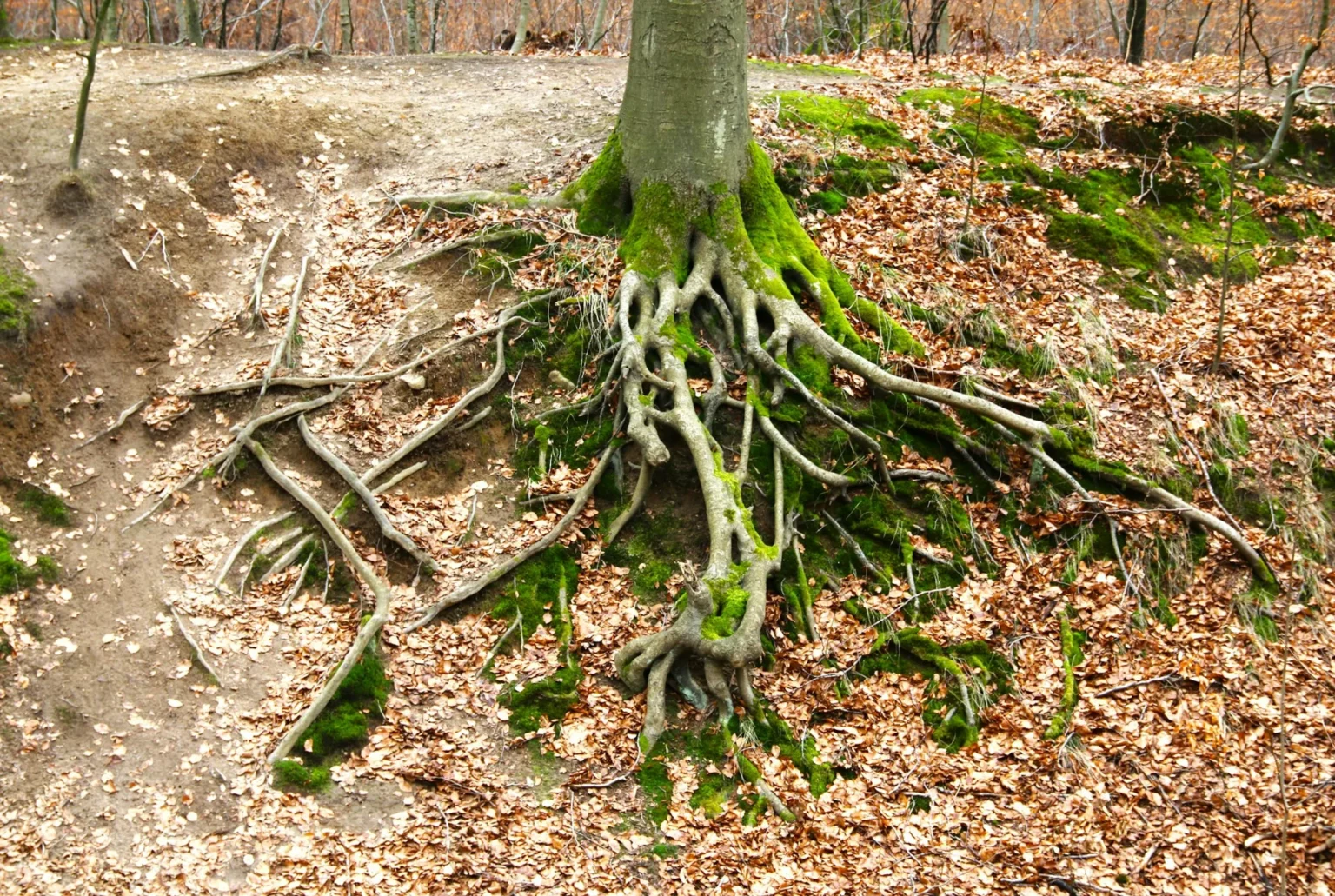
That is why we walk the base of a tree before we talk about the top. A trunk that leans, soil that has cracked or lifted on one side and water that stays around the root zone are all reasons to bring in an arborist before the next storm. In a low lying borough this check is part of any decision about tree removal in Moonachie, because the answer may be to remove the tree, and the better time to do that is before it falls.
Ground signs we check at the base
- Soil cracked or heaved beside a leaning trunk
- Water standing around the root zone
- Roots cut or buried by recent paving or fill
- Mushrooms or soft wood at the trunk base
Take a few photos of the base in different light and note the date. A short record helps an arborist see whether a lean or a crack is changing.
What an Arborist Checks Before a Tree Comes Down
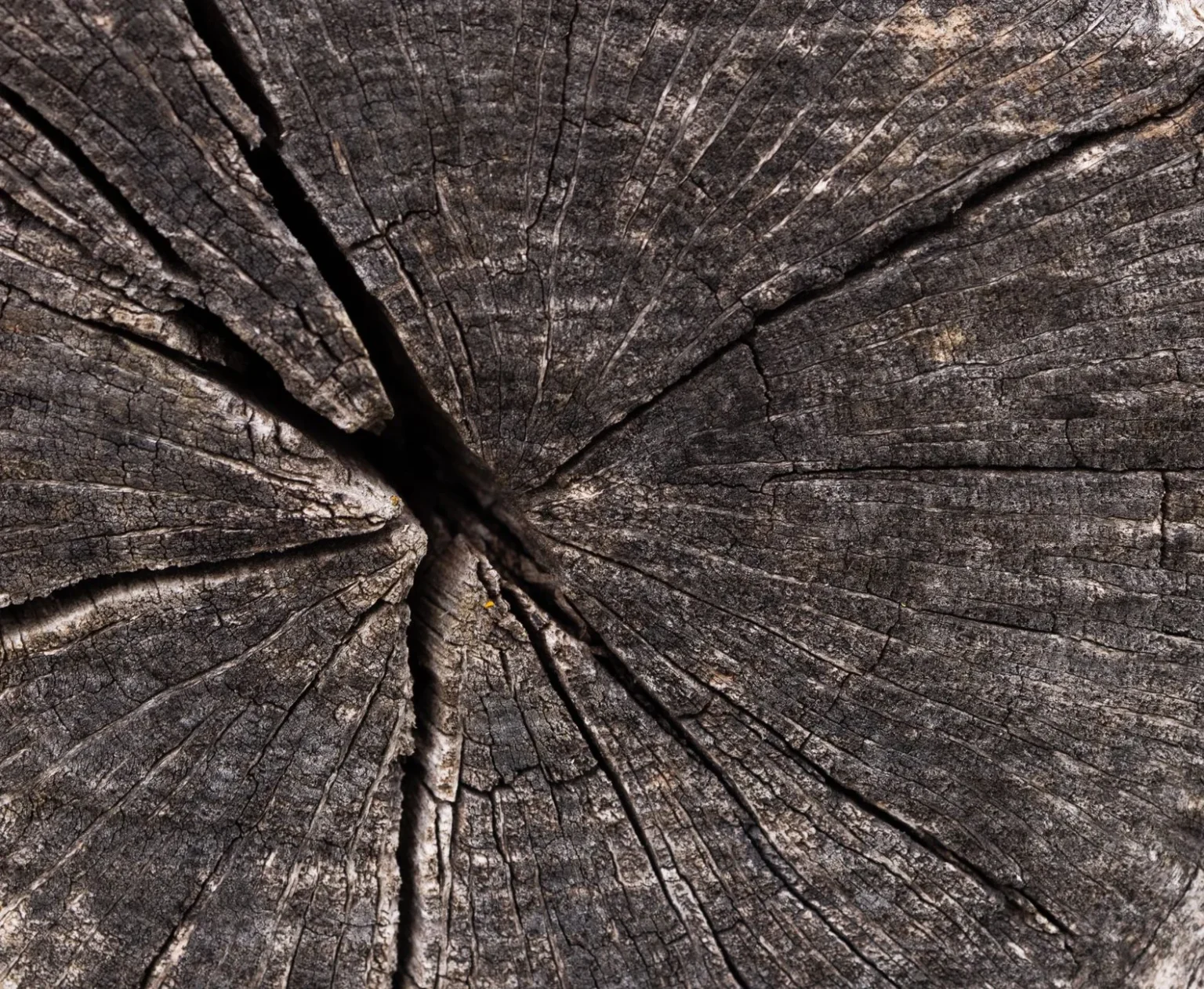
When we inspect a tree we follow the checklist in the ISA brochure on recognizing tree risk. It asks whether a tree has large dead branches, detached or hanging branches, loose bark, cracks or splits in the trunk or where branches attach, cavities or rotten wood, or mushrooms at the base. It also asks whether the area has been changed by construction, a change in soil level or new pavement, and whether the tree has been topped or heavily pruned.
The brochure lists defects an owner can spot from the ground. Poor taper, where weight is concentrated near the end of a branch, makes a limb more prone to failure. Codominant stems, which are two trunks of similar size joined at one point, can often be failure points. Dead branches in the canopy are probably the most obvious hazard, and the risk depends on the size of the branch and how far it is from anything that could be hit.
Removal is only one of the options. The same brochure says an arborist may prune the tree and remove defective branches, cable and brace weak stems, provide routine care or remove the tree, and it adds that supports are not guarantees against failure. Some trees with an unacceptable level of risk are best removed, with an appropriate new tree planted if possible. Our tree trimming and pruning crews handle the first option, and our stump grinding service finishes a removal.
Where the wood goes is a borough matter. The garbage and recycling page says yard waste is collected on Wednesdays from April 1 to November 30 and must be at the curb in compostable paper bags, and that tree trimmings must be cut in four foot lengths and bundled not to exceed 50 pounds, with no piece larger than 6 inches in diameter. A trunk is far beyond that limit, so a removal crew hauls it, and the page says only Christmas trees are picked up in January.
Moonachie curb rules for trimmings
- Yard waste on Wednesdays, April 1 to November 30
- Compostable paper bags at the curb
- Trimmings cut in four foot lengths
- Bundles under 50 pounds, pieces under 6 inches thick
Yard waste collection ends on November 30, so late fall cleanup has a deadline. The bulky waste day, the last Thursday of the month, is not meant for trees. If you are unsure, call the borough before you stack anything at the curb.
Protecting Moonachie Trees Through the Winter
Moonachie is a small borough on low ground, and its trees stand where the code, the soil and the weather all matter. Tree removal in Moonachie goes best when you confirm who owns the tree, check the ground at its base and have an arborist look at the structure before a storm does.
Reliable Tree Service is family owned since 1960, and our crews are ISA Certified Arborists and New Jersey Certified Tree Experts. Call us at (201) 943-4141 when a limb is hanging, a trunk is leaning or a notice has arrived from the borough. Regular tree maintenance keeps small problems small, and our storm proofing and repair visits look at roots, unions and dead wood before the next storm.
Related Articles

Tree Storm Proofing in Little Ferry NJ: Wet Soils, Leaf Rules and Winter Wind
Little Ferry sits where the Hackensack River meets Overpeck Creek, and wet ground changes how trees hold in a storm. This guide covers tree storm proofing in Little Ferry, from root stress to borough leaf rules.
Tree Storm Cleanup in Carlstadt NJ: Brush Bundles, Yard Waste Days and Hazard Limbs
Carlstadt sets curb rules for yard waste, brush and wood scrap, and a storm can leave far more than the curb can take. This guide covers tree storm cleanup in Carlstadt, from bundles and bags to the hanging limbs that need a certified arborist.
Tree Trimming in Garfield NJ: Late Fall Pruning for Tight City Lots and Shade Trees
Tree trimming in Garfield means working with small lots, wires and mature shade trees in a dense Bergen County city. This guide covers when to prune, how much to take and how to avoid topping.
Land Clearing in Haworth NJ: Permit Fees by Trunk Size and Replacement Trees
The Haworth tree removal application sets fees by trunk size and ties each removal to replacement trees. This guide covers land clearing in Haworth, from the ten business day filing rule to protecting the trees that stay.
Tree Removal in Harrington Park NJ: Borough Permits, Replacement and Hazard Trees
The Harrington Park tree ordinance asks owners to apply before removing a tree and to replace it by size. This guide covers tree removal in Harrington Park, from the application to hazard trees, stumps and replanting.
Tree Pest Management in Old Tappan NJ: Lanternfly Egg Masses and Borough Shade Trees
Old Tappan’s Shade Tree Advisory page asks owners to get Borough permission before spraying or pruning a shade tree. This guide covers tree pest management in Old Tappan, from spotted lanternfly egg masses to tree of heaven and who to call.