
Table of Contents
Tree Care in Little Ferry, NJ
Little Ferry is a borough in Bergen County. According to Wikipedia it was formed by an act of the New Jersey Legislature on September 18, 1894, from parts of Lodi Township and New Barbadoes Township, after a referendum held two days earlier. It covers 1.67 square miles, about 11 percent of it water, and it borders Hackensack, Moonachie, Ridgefield, Ridgefield Park, South Hackensack and Teterboro. Tree storm proofing in Little Ferry has a local twist, because the borough sits near the confluence of the Hackensack River and Overpeck Creek in the Meadowlands, and wet ground is part of the setting.
We read the Wikipedia article on the borough, two pages on the Little Ferry borough website and two International Society of Arboriculture brochures, along with a Connecticut Agricultural Experiment Station fact sheet, on November 22, 2026. The borough Public Works page and its disposal information page cover leaf collection, brush and bulk waste. Neither one describes a shade tree ordinance, so this guide does not claim one. Rules change, so confirm every detail with the borough at 201.641.9234 before you plan a cleanup.
Storm proofing means finding the problems that wind, snow and saturated soil would find anyway. This guide covers what wet ground does to roots, how the borough handles leaves and debris, and the structural defects that decide whether a limb holds in January.
Reliable Tree Service is family owned since 1960 and works across Hudson and Bergen counties from Cliffside Park. Our storm proofing and repair crews look at roots, unions and dead wood before a storm, because the weak spot a storm finds is usually one that was already there.
Neighboring Ridgefield Park has its own village rules, which we covered in tree storm repair in Ridgefield Park, and nearby Ridgefield is covered in tree storm proofing in Ridgefield. For the other guides we write for the borough, browse our Little Ferry tree care articles page.
Tree Storm Proofing in Little Ferry Starts With Wet Meadowlands Soil
Water is the first thing to understand about trees near the Hackensack River. The Connecticut Agricultural Experiment Station explains in its fact sheet on excess water problems that roots in flooded or waterlogged soil are damaged and die from oxygen deficiency, because the roots cannot respire normally. Toxic compounds such as ethanol and hydrogen sulfide can also build up in saturated soil. A tree does not need a flood to suffer, since the same sheet notes that poorly drained soil can reduce growth and long term survival through chronically low oxygen.
The finest roots, called feeder roots, are usually the first ones lost. They take up water and dissolved nutrients, and when they are damaged the crown can run short of water. Symptoms listed in the fact sheet include yellowing leaves, twig dieback, leaf drop and early fall color, and they often appear well after the damage was done. A tree can look fine in November and show the injury the following summer.
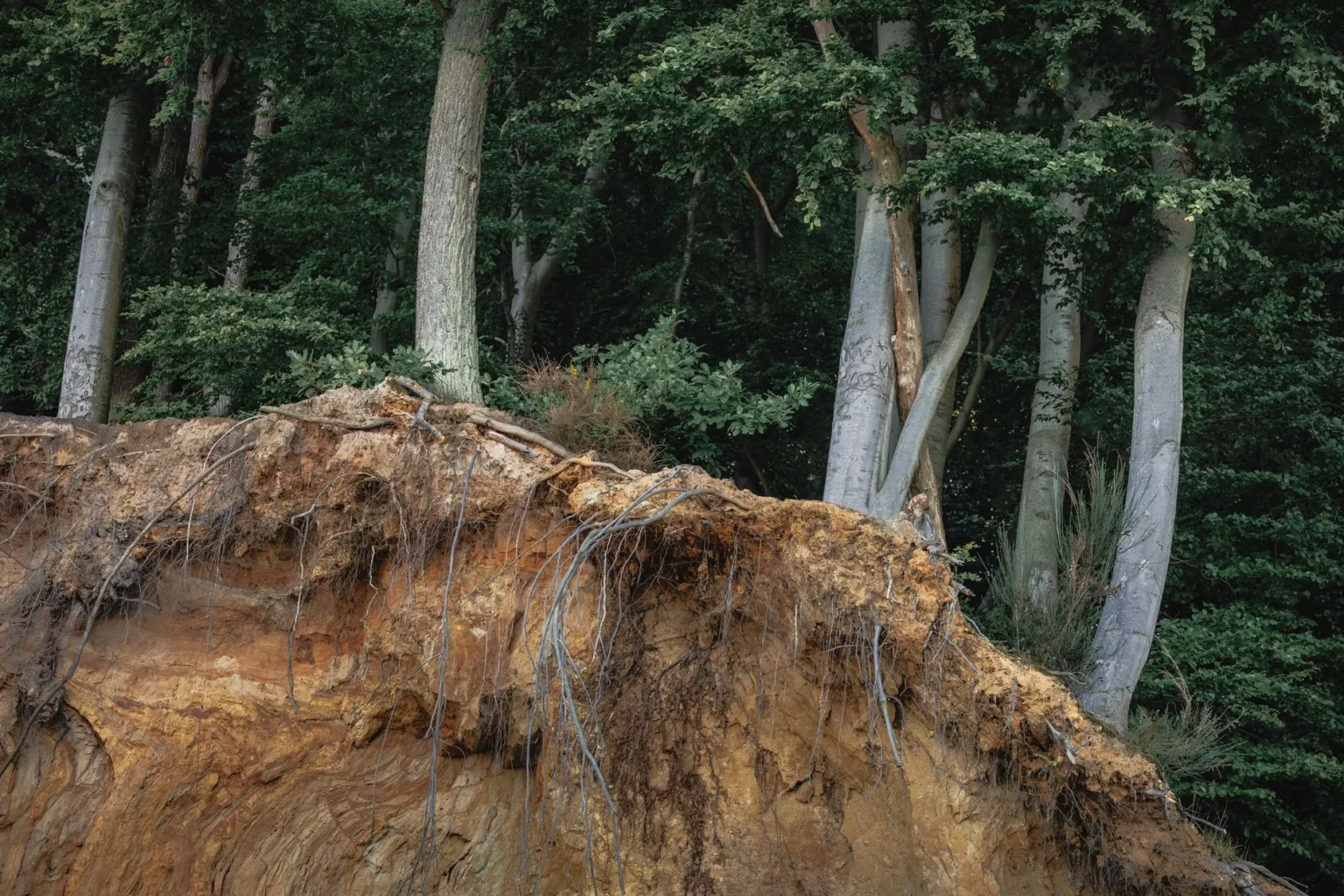
Wet soil matters for storms because of what it does to anchorage. The ISA brochure on storm related tree damage says strong winds can break branches and even uproot trees, particularly when combined with the softening of soils from heavy rain or snow storms. A tree with a damaged root system stands in that softened ground with less grip than it appears to have. For tree storm proofing in Little Ferry, the roots deserve as much attention as the crown.
The fact sheet lists several common landscape trees as sensitive to flooding, including Norway maple, sugar maple, beech, northern red oak and white oak. It does not say which trees grow in Little Ferry, and neither do we. If you own one of those species on wet ground, tell the arborist so the visit starts with the roots.
Signs the roots are under stress
- Leaves changing color or dropping earlier than neighbors
- Twigs dying back in the upper crown
- Soil cracked or heaved beside a leaning trunk
- Water lingering around the root zone
None of these signs proves a tree is failing, but each one is a reason to have it looked at. Edward Hufnagel, who owns Reliable Tree Service, puts it this way: “Look at the ground before you look at the leaves. A tree stands as well as the soil lets it hold on.”
Little Ferry Leaf Rules and Storm Debris at the Curb
The borough disposal information page sets the leaf rules. It says leaf collection runs on Tuesdays from October through December and that plastic bags are not allowed. Grass and garden debris without soil go out on Tuesdays starting in April, in a barrel or paper bags only. Leaves are still coming down in late November, and a storm can add twigs to the pile, so the plastic bag rule decides whether the pile is collected.
Brush has a limit too. The page lists branches and brush at 3 inches in diameter or less and says to call the Department of Public Works for pickup of large branches from April through October. It does not describe a winter process for large limbs, so a homeowner in December should call the borough before cutting anything big and stacking it at the curb. Fireplace logs and firewood, the page says, can be brought to the D.P.W. for disposal.
The Public Works page sets expectations for bigger jobs. It says the D.P.W. and the borough trash hauler will not take large amounts of debris, so owners must dispose of it themselves or get a dumpster and a permit from the borough. The department is at 179 Mehrhof Road, and the main borough line, 201.641.9234, is open Monday through Friday from 8:30 a.m. to 4:30 p.m. A whole tree is not a curb item. When a trunk has to come down, our tree removal crews cut it in sections and haul the wood away.
Sorting before a storm is easier than sorting after one. A dead limb hanging in the crown is a hazard in any wind, and removing it early keeps it from becoming debris that lands on a car or a roof. It also keeps the pile small enough to fit the rules above.
What to sort before debris leaves the yard
- Leaves in paper bags or an open barrel
- Brush within the size the borough lists
- Firewood logs held for the D.P.W.
- Large limbs and whole trunks left for a crew
Keep a note of what you set out and when, and call Public Works if a pile is left behind, because collection rules can change from one season to the next.
Winter Wind, Snow and the Structure of Mature Trees
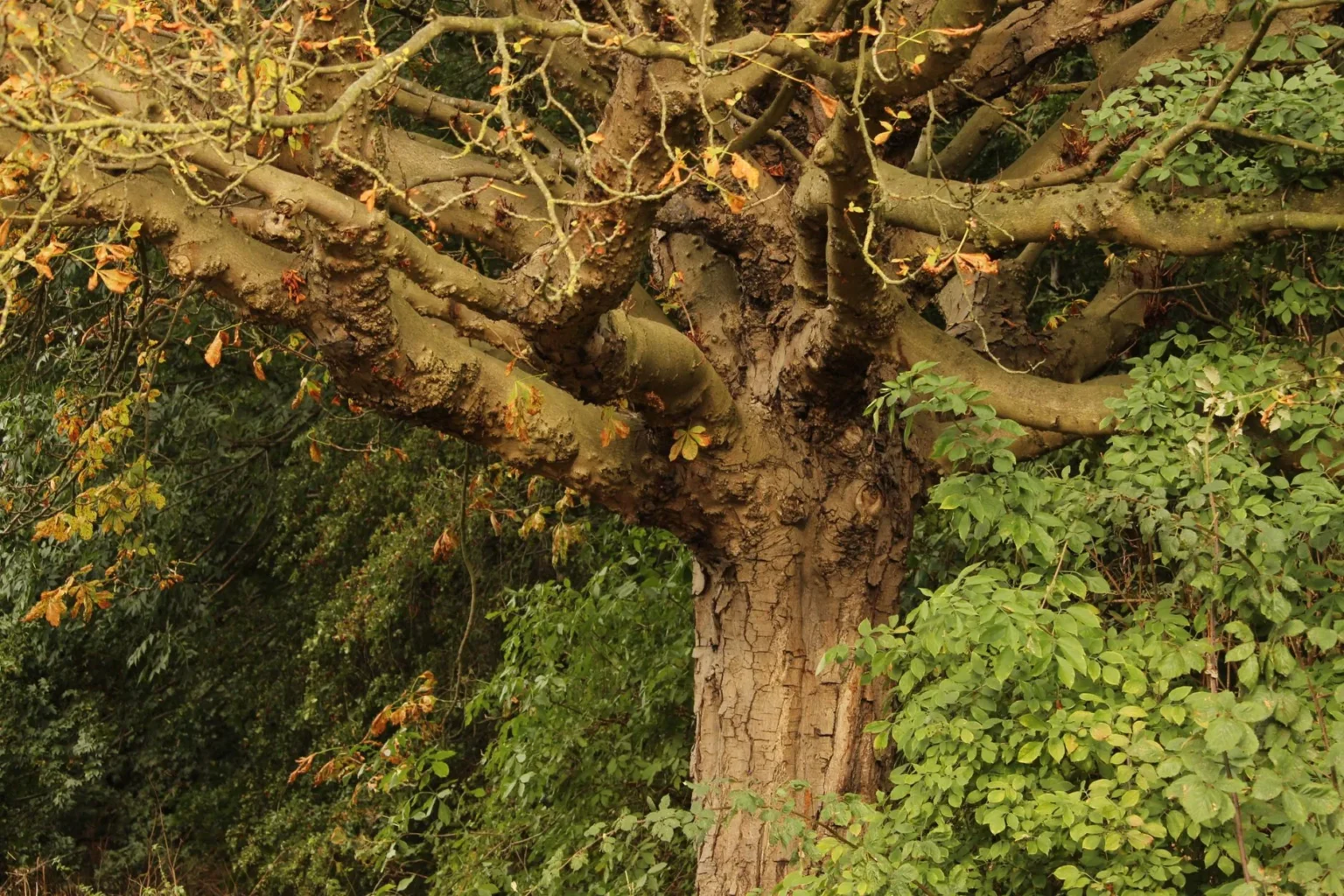
Structure decides what happens when load arrives. The ISA brochure on recognizing tree risk names defects an owner can spot from the ground. Codominant stems, which are two trunks of similar size joined at one point, can often be failure points. Poor taper, where weight is concentrated near the end of a branch, makes a limb more prone to failure. Dead branches in the canopy are probably the most obvious hazard, and the risk depends on the size of the branch and what stands beneath it.
Snow and ice add weight the tree was not built for. The storm damage brochure says heavy snow or ice loads can break branches under the added weight, and that wind can uproot trees when the soil is soft. A bare crown in late fall shows the shape of the tree clearly, which makes now a good time to look up.
Cracks matter more than they look. The risk brochure asks owners to watch for longitudinal cracks or splits in the trunk, major branches and branch unions, along with cavities, rotten wood and mushrooms at the base. It also lists construction, changes in soil level and new pavement as events that can harm roots. On a small lot, a new patio or a raised grade can change how a tree handles the next storm.
Fixes usually start with pruning. Removing dead and defective limbs, correcting poor form and reducing weight on weak stems are the common first steps, and our tree trimming and pruning crews handle them. Some defects call for cabling or bracing, though the brochure is plain that such supports are not guarantees against failure. If a tree has too much decay or lean, the honest answer may be removal and a replacement tree.
Defects to check from the ground
- Two trunks of equal size joined in a V
- Cracks or splits at branch unions
- Mushrooms or soft wood at the base
- Dead limbs hanging over a roof or car
Walk the yard once the leaves are off, note what you see and photograph it. A short set of photos gives the arborist a head start and lets you compare the tree after the next storm.
Protecting Little Ferry Trees Through Winter
Little Ferry is a small borough beside the Hackensack River, and a tree standing in wet soil deserves a closer look than most. Tree storm proofing in Little Ferry comes down to three habits, which are checking the roots, following the borough debris rules and fixing structure while the crown is bare.
Reliable Tree Service is family owned since 1960, and our crews are ISA Certified Arborists and New Jersey Certified Tree Experts. Call us at (201) 943-4141 when a limb is hanging, a trunk is leaning or soil has lifted near the base. Regular tree maintenance keeps small problems small, and our stump grinding service finishes a removal.
Related Articles

Tree Storm Cleanup in Carlstadt NJ: Brush Bundles, Yard Waste Days and Hazard Limbs
Carlstadt sets curb rules for yard waste, brush and wood scrap, and a storm can leave far more than the curb can take. This guide covers tree storm cleanup in Carlstadt, from bundles and bags to the hanging limbs that need a certified arborist.

Tree Trimming in Garfield NJ: Late Fall Pruning for Tight City Lots and Shade Trees
Tree trimming in Garfield means working with small lots, wires and mature shade trees in a dense Bergen County city. This guide covers when to prune, how much to take and how to avoid topping.
Land Clearing in Haworth NJ: Permit Fees by Trunk Size and Replacement Trees
The Haworth tree removal application sets fees by trunk size and ties each removal to replacement trees. This guide covers land clearing in Haworth, from the ten business day filing rule to protecting the trees that stay.
Tree Removal in Harrington Park NJ: Borough Permits, Replacement and Hazard Trees
The Harrington Park tree ordinance asks owners to apply before removing a tree and to replace it by size. This guide covers tree removal in Harrington Park, from the application to hazard trees, stumps and replanting.
Tree Pest Management in Old Tappan NJ: Lanternfly Egg Masses and Borough Shade Trees
Old Tappan’s Shade Tree Advisory page asks owners to get Borough permission before spraying or pruning a shade tree. This guide covers tree pest management in Old Tappan, from spotted lanternfly egg masses to tree of heaven and who to call.

Tree Maintenance in Wallington NJ: Winter Prep Under the Borough Tree Rules
Wallington counts overmulching, excessive pruning and soil compaction as tree removal under its borough code. This guide covers tree maintenance in Wallington, from mulch and pruning cuts to winter inspections and hazard trees.