Table of Contents
Tree Care in Ridgefield, NJ
Ridgefield is a borough in Bergen County, and tree storm proofing in Ridgefield starts with the ground the borough sits on. According to Wikipedia, Ridgefield was incorporated as a borough on May 26, 1892, from portions of Ridgefield Township. It covers 2.87 square miles, of which 0.33 square miles is water, and it had 11,501 residents in the 2020 census. The same source places the borough in the Hackensack River floodplain, where the Palisades ridge drops down into the Meadowlands.
That setting matters to anyone who owns a tree here. Ground in a floodplain can stay wet, and wet ground is where storm wind does its worst work. Ridgefield also has a written tree code. Part 12 of Chapter 390, titled Tree Preservation and Removal, was adopted on November 8, 1999 by Ordinance 1679, according to the borough code on eCode360. It sets permit triggers, pruning duties over sidewalks, penalties and rules for utility crews.
This guide ties the two together. We explain how storms break trees, why soil and roots decide so many of those failures, and what the borough code says about hazard trees and storm cleanup. We read every source linked below on November 8, 2026. Rules change, so confirm the current requirement with the Ridgefield Construction Code Official before any cutting. Reliable Tree Service has been family owned since 1960 and works across Hudson and Bergen counties from Cliffside Park, one of the borough’s neighbors.
Our approach to storm work is to read a tree before the weather does. We look at how the stems join, where the weight hangs, what the roots are standing in and whether the wood is sound. A certified arborist can then tell you whether a tree needs pruning, support, monitoring or removal, and which of those can wait for a calm week.
The full range of work is on our storm proofing and repair and tree maintenance pages. Our neighbors in the area have their own rules, as our guides to tree storm repair in Ridgefield Park, a separate village, and tree roots in Palisades Park show.
How Wind and Wet Ground Bring Trees Down
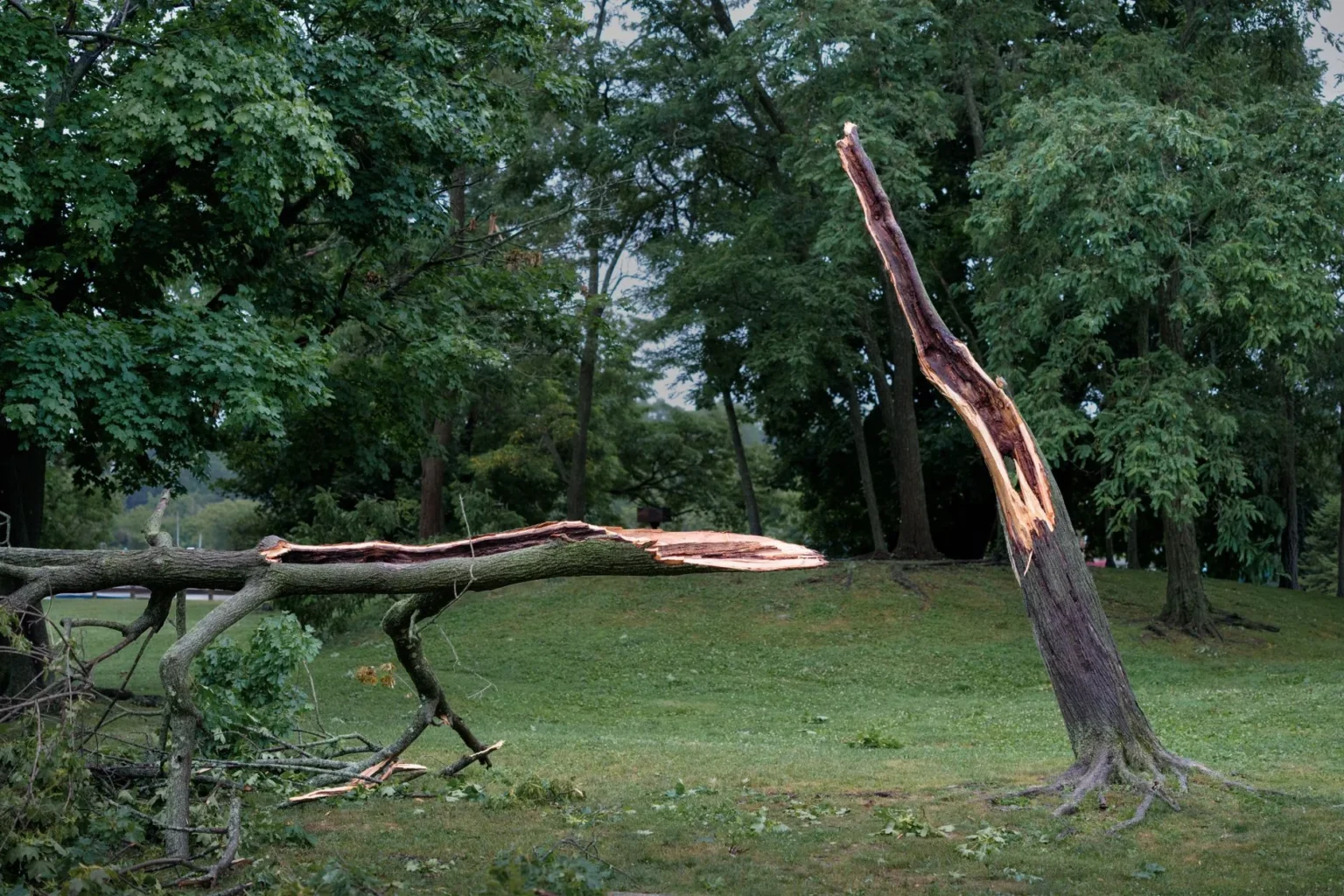
Storms hurt trees in a few predictable ways. The International Society of Arboriculture says in its storm damage brochure that strong winds can break branches and even uproot trees, particularly when combined with the softening of soils from heavy rain or snow storms. Heavy snow or ice loads can snap limbs under the added weight, and lightning can rupture wood and dislodge bark. Each of those has a different cause, and each leaves a different kind of damage behind.
A floodplain borough is a place where we think hard about the soil. Rutgers Cooperative Extension fact sheet FS122 explains that tree roots need oxygen, and that in soils that stay wet for long periods roots can suffocate and die. A tree with failing roots shows it slowly, through early fall color, premature leaf drop, small leaves and dieback in the twigs. A root system in that condition holds a tree less firmly, so the next gust finds a tree that is already compromised.
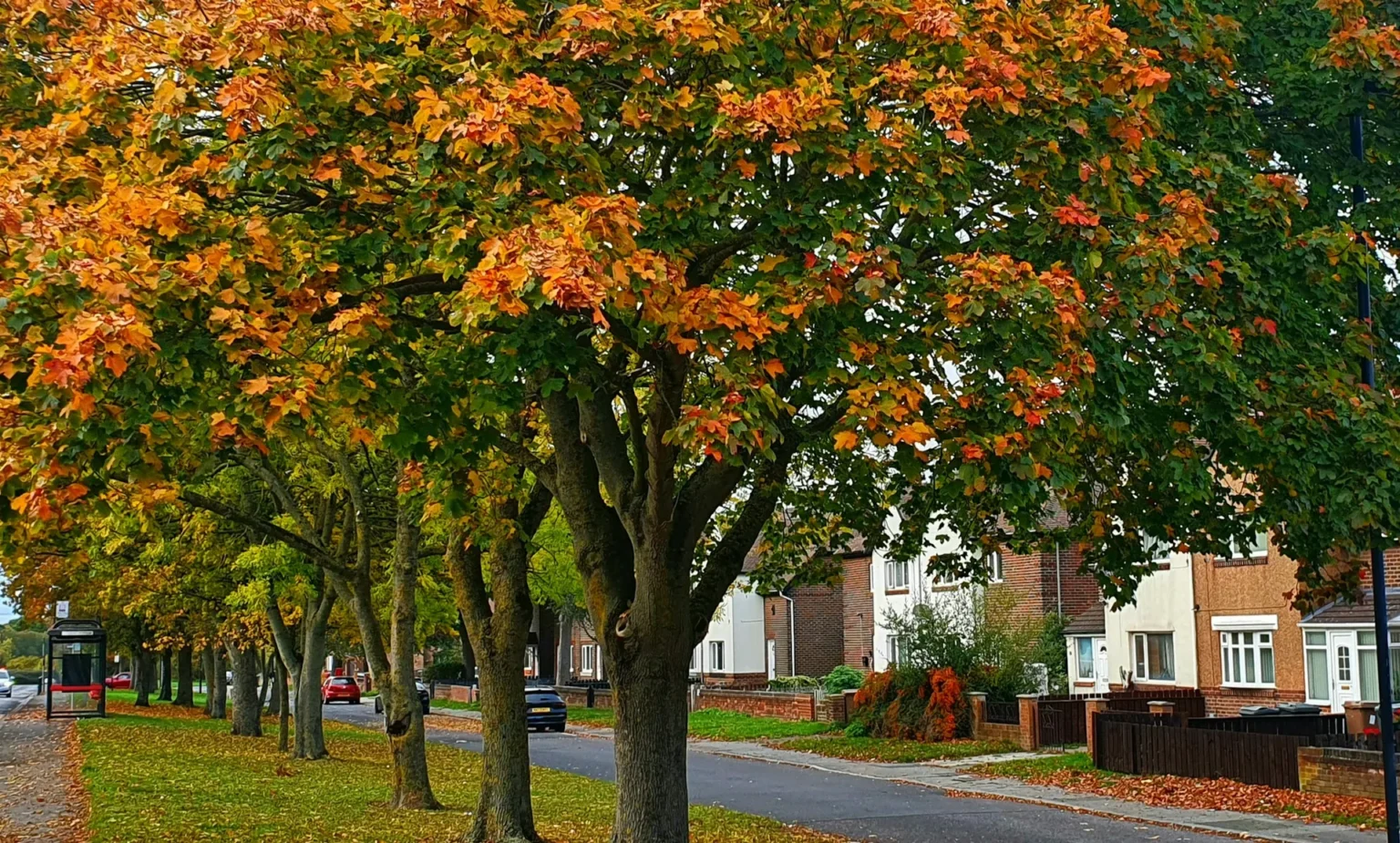
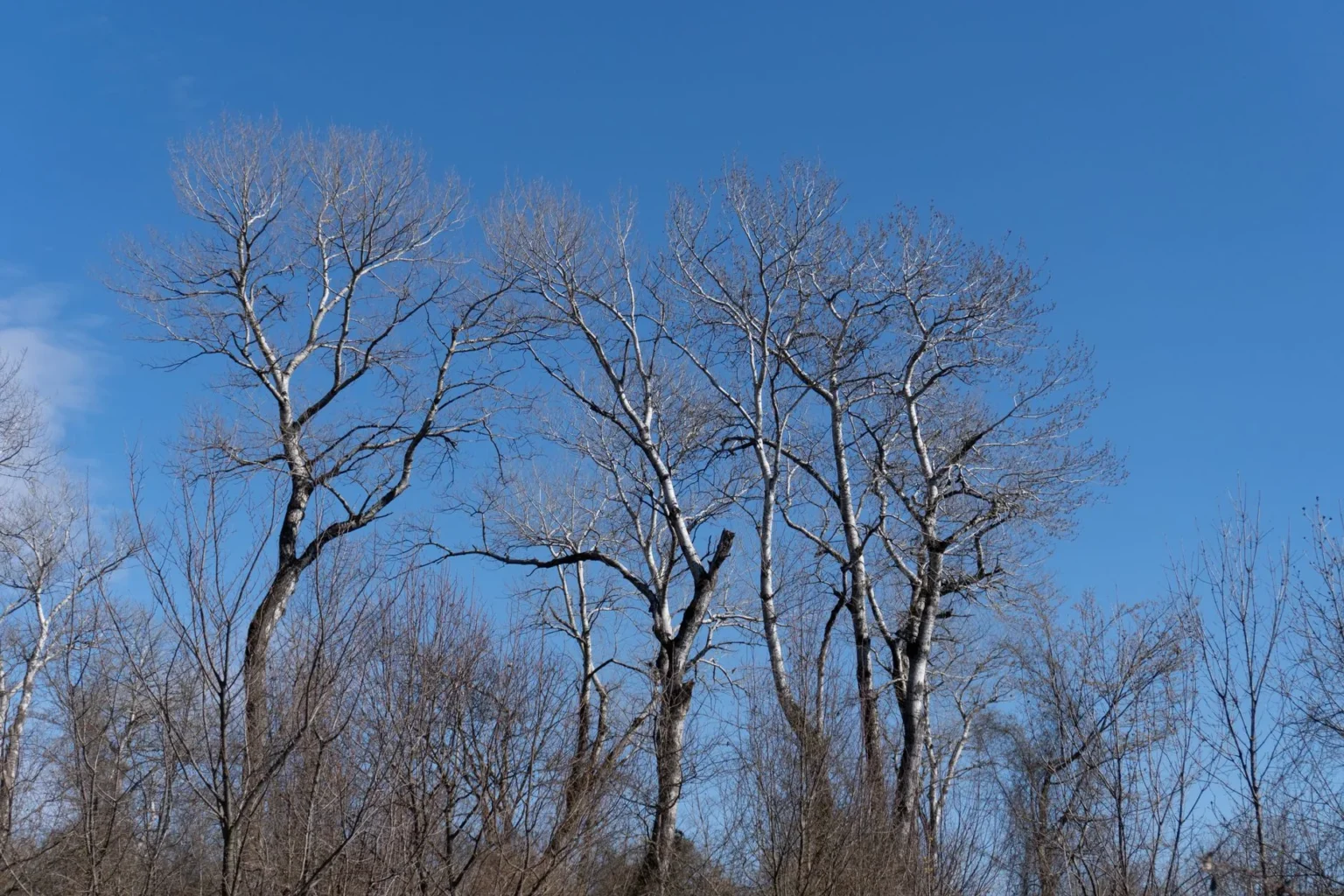
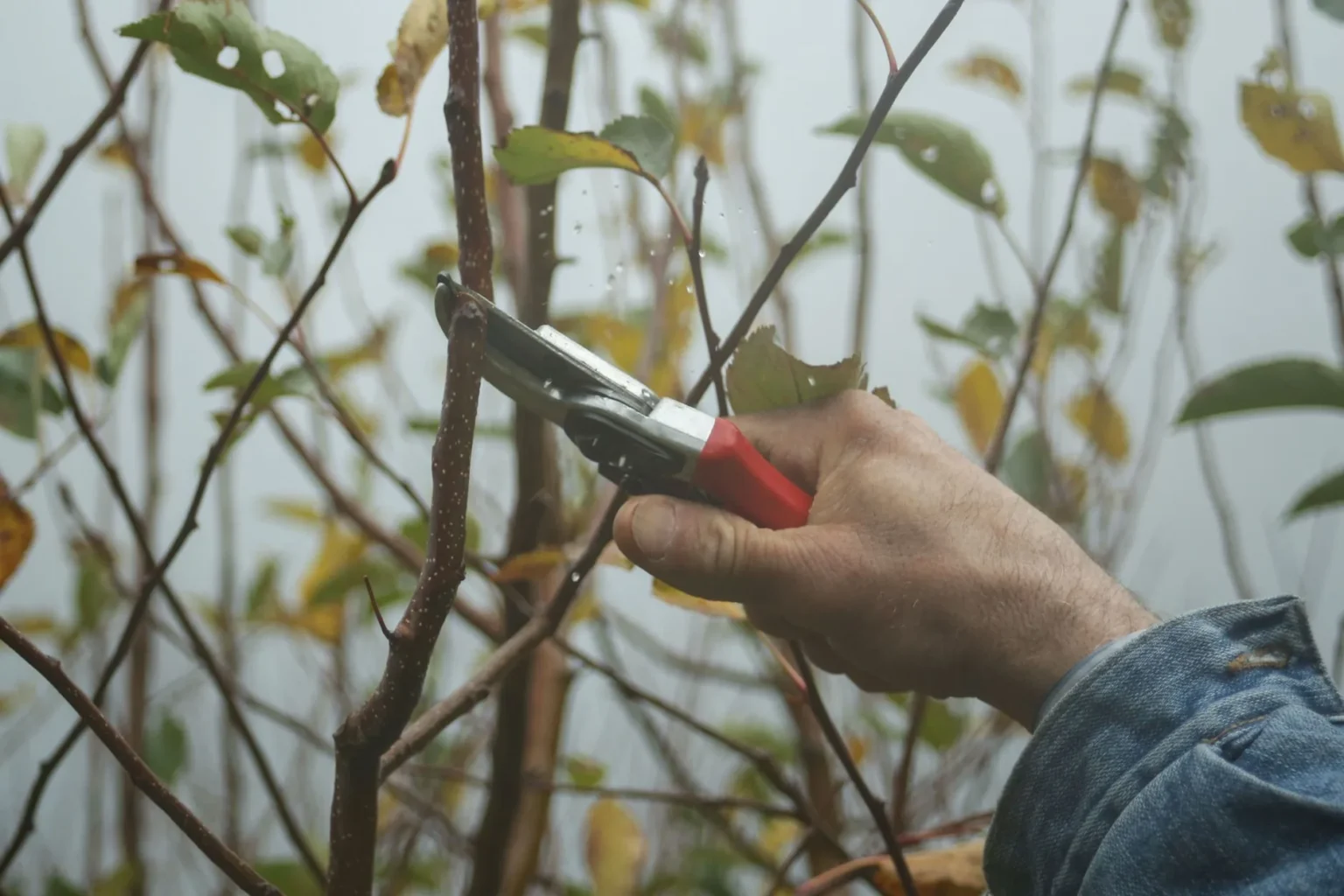
Structure is the other half. Two stems that share one union, a limb with a long lever arm over a roof, a dead branch that has not yet dropped: these are the defects that let go first. Fall is a good time to look because the leaves are coming off and the crown is easier to read. The Rutgers sheet also advises removing broken tops and branches as soon as possible after storm damage, since a torn branch is a wound and a hazard at once.
Species matter too, although we will not claim to know which are most common in Ridgefield, because no source we read says so. The Rutgers sheet includes a table of wet site tolerance. It lists red maple, silver maple, sycamore and pin oak as tolerant of wet sites and occasional flooding, and Norway maple and eastern white pine among the intolerant. A homeowner with either type of tree on low ground has a reason to ask for an inspection.
Tree storm proofing in Ridgefield: what to check after a storm
- Cracks or splits where a limb meets the trunk
- Broken limbs hanging up in the crown
- Soil heaving or a new lean near the base
- Dead or brittle wood in the upper crown
The ISA brochure adds that after a severe storm an arborist should also look at trees that seem undamaged, particularly larger trees near people or property, for cracks in trunks or limbs, hanging branches and soil heaving. We agree with that advice, and it is the reason a quiet week after a storm is a good time to book a visit. Edward Hufnagel, who owns Reliable Tree Service, puts it this way: “Wind finds the weak spot a tree already had. Our job is to find that spot first, while the weather is quiet.”
Roots, Fill and Soft Soil Around Ridgefield Trees
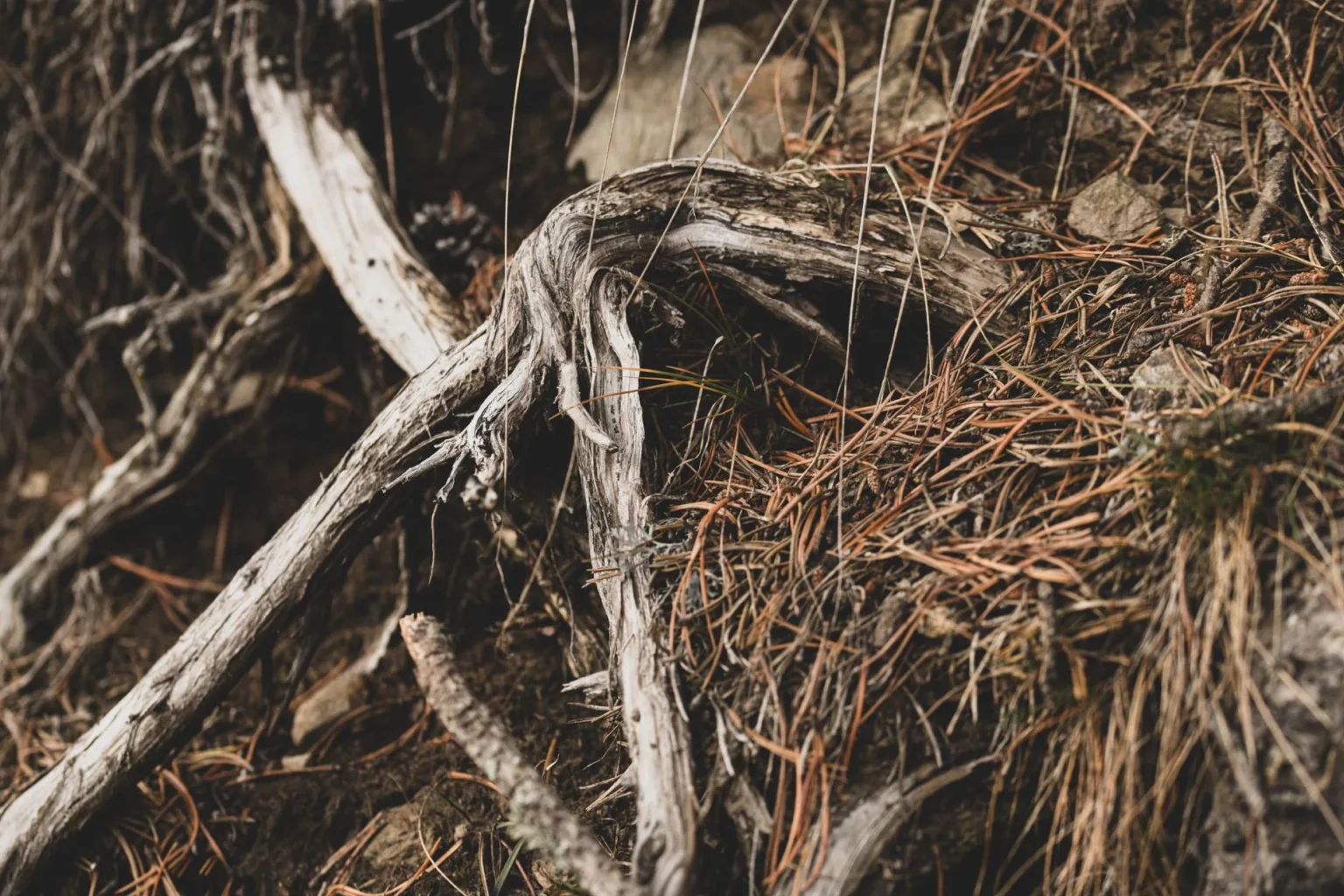
Roots are where most storm trouble starts and where most homeowners disturb a tree without knowing it. The Rutgers sheet says that although trunk injury can kill a tree, it is root injury during construction that is most likely to kill one. It advises against placing excessive soil fill or impervious materials within the drip line, the whole area under the branches, because fill can cut off oxygen to the roots. The damage grows with the depth of the material and the time it stays.
Ridgefield’s code speaks to the same habits. Under section 390-235, a permit from the Construction Code Official is required to excavate within two feet of a tree greater than eight inches, and to pile soil above the base of a tree. The code is not consistent about how high a pile may be. Section 390-235 says eight inches, and section 390-236 says six inches. Because the numbers differ, ask the borough which one it applies before a landscaper regrades a bed.
Drainage is a related problem. The Rutgers sheet warns that changes in drainage patterns, such as grade changes that make water pool over roots, can cause local flooding and kill trees. In a borough with a lot of water in its geography, a new patio or a raised bed can quietly turn a dry root zone into a wet one. A tree that has stood for a long time has adjusted to its water. A sudden change asks the roots to adjust at once.
Soil compaction is the quiet fourth problem. The same sheet says compaction from people, pets, bicycles and cars cuts off water and oxygen to roots. After heavy rain the ground is soft and a truck or a tracked machine leaves ruts, so keep vehicles and cleanup equipment off the root zone of any tree you want to keep. When a tree has failed, stump grinding deals with what is left in the ground and prepares the spot for a replacement.
Root zone habits that protect a tree in wet weather
- Keep soil piles and fill off the trunk base
- Mulch two to three inches deep and no more
- Keep vehicles and equipment off the root zone
- Ask the borough before digging within two feet
Mulch is the one thing homeowners tend to overdo. The Rutgers sheet recommends maintaining mulch to a maximum depth of 2 to 3 inches, which holds moisture and keeps mowers away without burying the base of the trunk. Our tree maintenance work includes checking the root flare, resetting mulch and spotting decline in the crown before it becomes a failure.
Borough Rules for Hazard Trees, Pruning and Utility Work
The borough code lists activities that are specifically permitted on private property. Under section 390-236, they include cutting, pruning or trimming a tree in a manner that is not harmful to its health, and the cutting or removal of trees that are diseased or dead or that endanger public safety or threaten damage to private property. A hazard tree after a storm falls within that language. Even so, a permit question can remain for a particular job, so call the Construction Code Official before the saw starts and keep photographs of the defects.
The permit trigger for larger jobs is worded loosely. Section 390-235 requires a permit to remove more than two trees eight feet or greater, and section 390-236 says eight inches or greater. The code defines a regulated tree as a living tree at least 25 feet tall or at least eight inches in diameter at four feet above the ground. Plainly, a mature yard tree is regulated, and removing more than two in one project is where the permit question is raised.
Penalties are real. Section 390-242 sets a fine not to exceed $1,500 or imprisonment for up to 90 days, or both, and each day of a violation is a separate offense. The borough may also assess the value of a tree removed in violation, as appraised by a forester or certified tree expert. Shrubs and trees growing on a nursery, orchard or garden center property are excluded under section 390-237, but a home landscape is not.
Two more duties come into play after a storm. Under section 390-235, owners are to prune trees so that branches hang not less than eight feet over sidewalks, and to keep trees from obstructing walkways and streets. Sagging limbs after wet snow or wind often break that clearance. Utility crews have their own rule in section 390-240.1: they need a permit to prune a borough owned tree for line clearance, except in emergencies, and they must notify the borough within three business days of emergency work. The ISA brochure warns that damaged trees may touch wires, so stay clear and call the utility.
Questions to put to the borough before storm work
- Does the tree stand on public or private ground
- Does this job count under the two tree trigger
- Does a permit apply to this dead or hazard tree
- Who must be notified of emergency work
Pruning that is done well keeps trees inside the rules and inside the weather. The code points utility pruning to the ANSI A300 standard, and the ISA brochure lists removing dead or defective branches and correcting past topping as preventive care. Our tree trimming and pruning crews work to those standards, and our tree removal services cover the trees that cannot be saved.
Protecting Ridgefield Trees Before the Next Storm
Tree storm proofing in Ridgefield comes down to a short list of habits. Look at the structure of each large tree while the leaves are coming off, keep fill and equipment off the roots, and call the borough about permits before any cutting. After a storm, stay clear of broken limbs and wires, and have an arborist look at the trees that seem fine as well as the ones that fell. Our other local guides are in the Ridgefield tree care articles section.
We are family owned since 1960, and we will tell you plainly whether a tree needs pruning, support or removal. The New Jersey Board of Tree Experts says the Tree Expert and Tree Care Operators Licensing Act requires at least one licensed person in each company hiring itself out to perform tree care services. Our crews are ISA Certified Arborists and New Jersey Certified Tree Experts.
Call Reliable Tree Service at (201) 943-4141 to schedule an inspection, or read about our storm proofing and repair services.
Related Articles

Tree Removal in Lyndhurst NJ: Permit Rules, Replacement Trees and Hazard Trees
Lyndhurst now asks for an application before most trees on private property come down. This guide covers tree removal in Lyndhurst: replacement rules, fees and the hazard tree exemption.
Tree Roots in Palisades Park NJ: Sidewalk Damage, Borough Permits and Replacement Fees
Palisades Park regulates street trees through Chapter 274 of its borough code, and sidewalk damage from roots is covered by it. This guide explains tree roots in Palisades Park, the permit and fee rules, and what to settle before anything is cut.
Land Clearing in New Milford NJ: Permits, One Tree a Year, and Root Zone Protection
New Milford regulates tree removal through Chapter 26A, from a single yard tree to a cleared lot. This guide covers land clearing in New Milford, including permits, clear cutting limits and how to protect the trees that stay.
Tree Pest Management in Hillsdale NJ: Lanternfly Egg Masses, Ash Borers, Borough Rules
Hillsdale treats an insect infestation as a reason a tree may come down and keeps invasive species treatment out of its removal rules. This guide covers tree pest management in Hillsdale, from lanternfly egg masses to the signs of ash borers.
Tree Maintenance in Hasbrouck Heights NJ: Root Zones, Mulch, and Borough Rules
Hasbrouck Heights counts over mulching and root zone compaction as tree removal in its borough ordinance. This guide covers tree maintenance in Hasbrouck Heights, from the root radius and mulch depth to the yearly inspection.
Tree Trimming in River Vale NJ: Right of Way Limbs, Topping Rules, and Timing
River Vale now holds owners responsible for street trees next to their property, and a permit covers any limb six inches or more across. This guide covers tree trimming in River Vale, from the ordinance to the topping rule and timing.