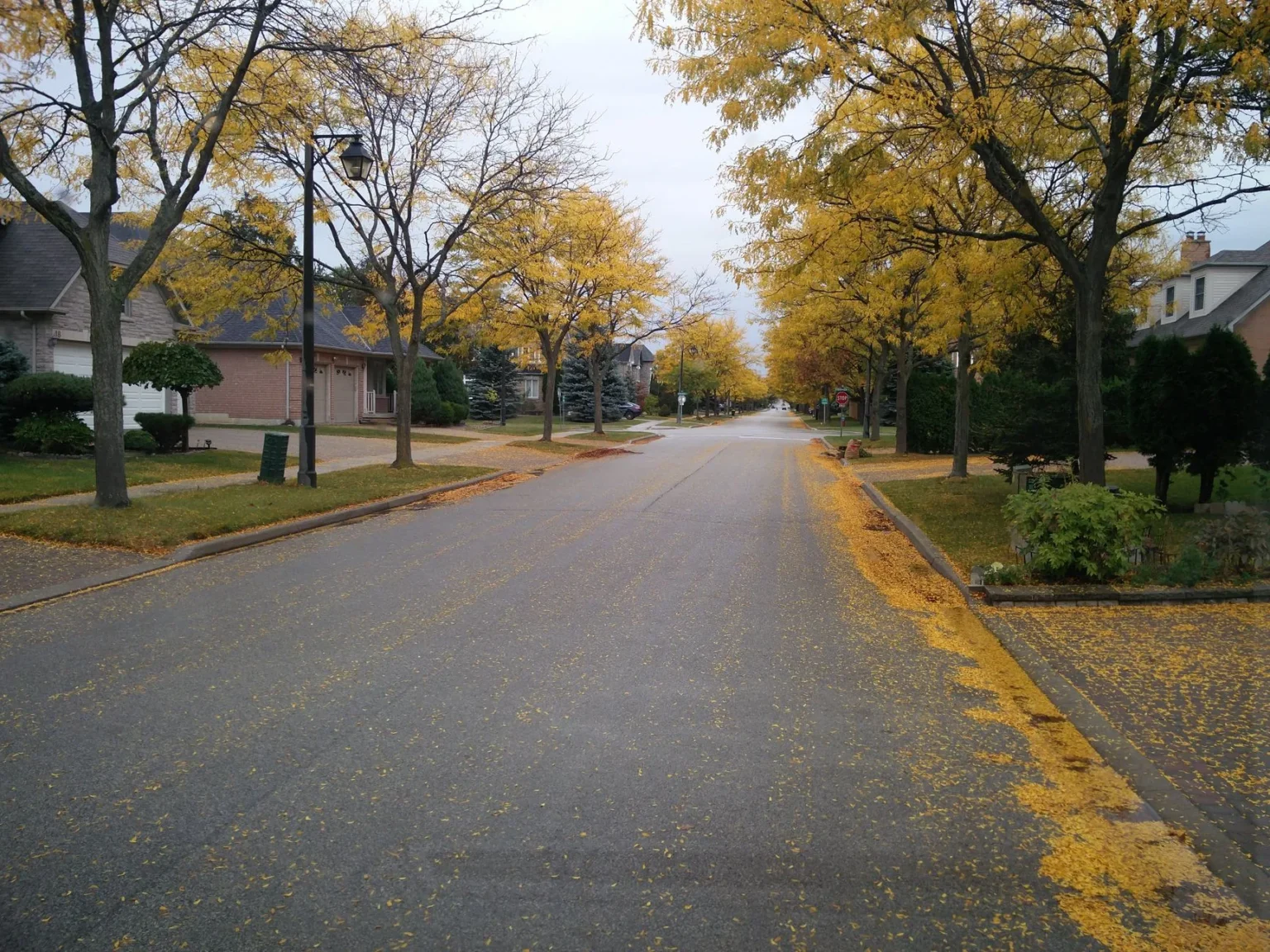
Table of Contents
Tree Care in Lyndhurst, NJ
Lyndhurst is a township in Bergen County, and tree removal in Lyndhurst now follows a written process. According to Wikipedia, residents voted in 1917 to change the name of Union Township to Lyndhurst Township, and the change took effect on May 15, 1917. The township covers 4.96 square miles, including 0.38 square miles of water, and it had 22,519 residents in the 2020 census. The Passaic River forms its western border, and the eastern part of the township is wetland in the Meadowlands.
Most of what a homeowner needs sits in Chapter 26 of the township code, which is posted on eCode360. A section added on November 12, 2024 by Ordinance 3215-24 requires an application before a tree with a trunk diameter of six inches or more comes off private property, and it sets replacement rules. Older sections of the chapter cover trees on public streets. The Department of Public Works administers all of it.
This guide explains those rules in plain terms. We cover what counts as removal, how replacement trees are counted, what the hazard tree exemption covers and which defects make a tree a hazard. We read every source linked below on November 9, 2026. Rules change, so confirm the current requirement with the Department of Public Works before any cutting begins. Reliable Tree Service has been family owned since 1960 and works across Hudson and Bergen counties from Cliffside Park.
Our approach starts with whether the tree has to come down at all. A certified arborist reads the structure, the roots and the wood, and then says whether pruning, support or removal fits the tree. Our tree removal services cover the trees that cannot be saved, and our tree trimming and pruning work often solves the problem when they can.
Lyndhurst sits beside Kearny, Secaucus and Rutherford, and each of them handles trees a little differently. Our guides to tree removal in Secaucus, stump grinding in Kearny after a tree comes down and fall tree feeding in Rutherford show how those neighbors compare. For the wider picture of how city lots and suburban yards change the job, read our piece on urban and suburban tree removal.
When Lyndhurst Requires an Application to Remove a Tree
Under section 26-14.3 of the code, anyone planning to remove a tree that is not a street tree, with a diameter at breast height of six inches or more, must submit a Tree Removal Application to the Superintendent of the Department of Public Works. The code says no tree may be removed until municipal officials have reviewed and approved the request. Diameter at breast height, usually shortened to DBH, is measured at four and a half feet above the ground. When a trunk divides below that height, the code measures at the highest point before the division.
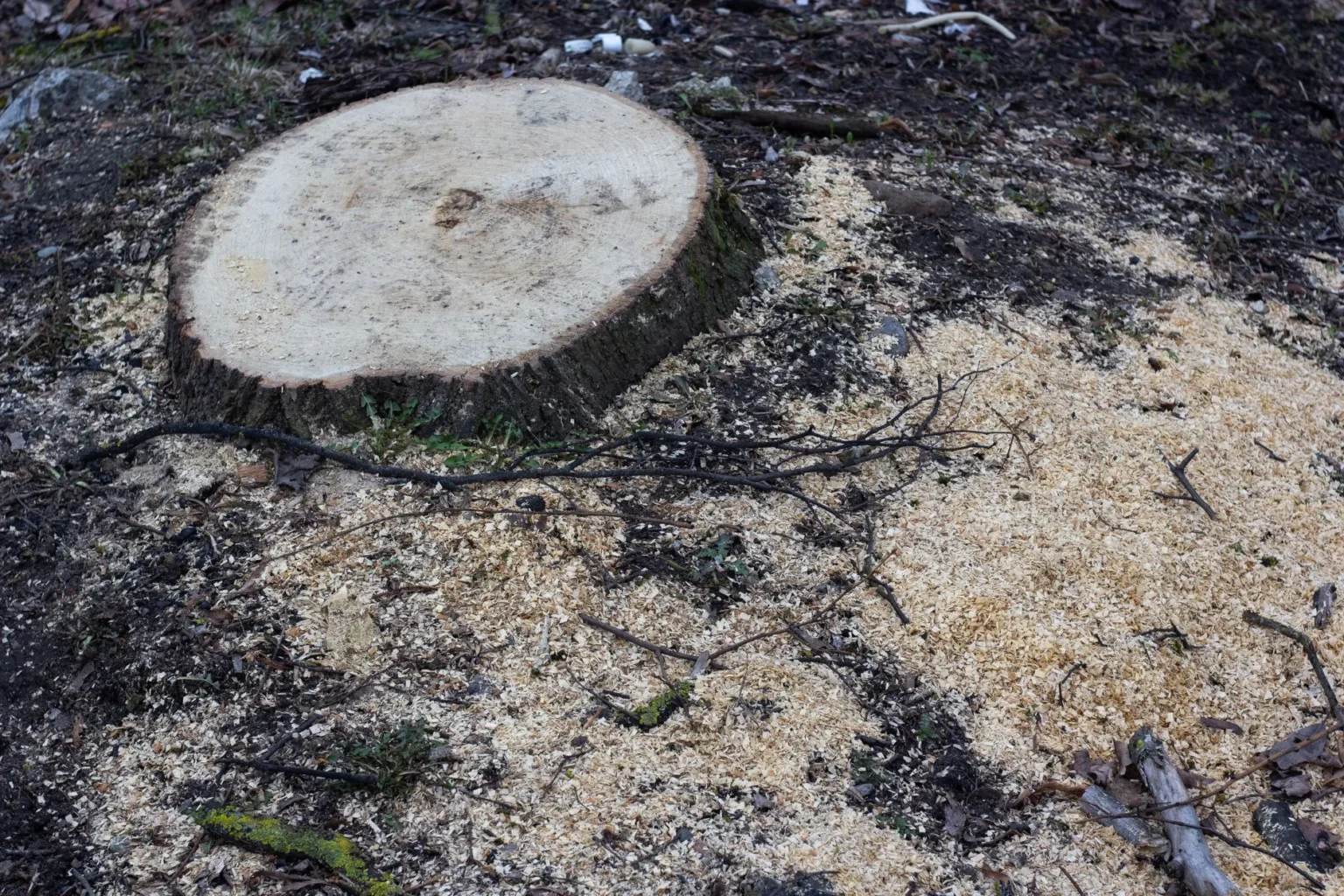
The word removal covers more than a chainsaw. The code defines tree removal as killing a tree or causing irreparable damage that leads to its decline or death, and it names excessive pruning, toxic substances, over mulching and grade changes or soil compaction inside the critical root radius. That radius is the trunk diameter in inches multiplied by 1.5 feet, so a tree with a 12 inch trunk has a critical root radius of 18 feet. Responsible pruning and maintenance are not counted as removal.
This matters because the damage that triggers a rule is often slow. A tree topped to stubs, buried in mulch or parked over by a heavy truck can decline for seasons before it dies. The Recognizing Tree Risk brochure from the International Society of Arboriculture says wounds, weak limbs, root loss and decay can follow construction, grade changes, soil compaction and poor pruning. In Lyndhurst, those same habits can also put an owner on the wrong side of the code.
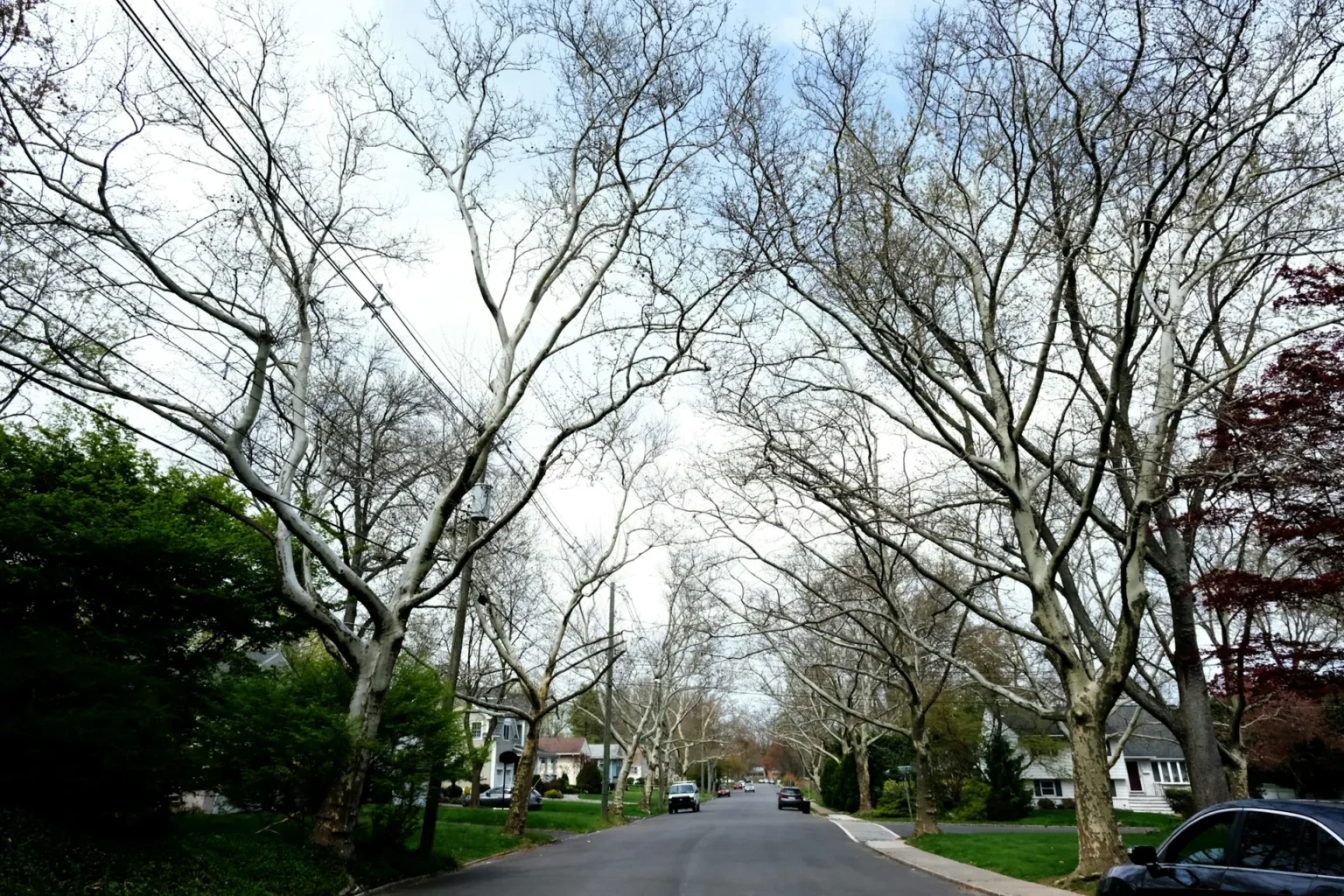
Street trees follow separate sections. Under section 26-7, anyone asking for the removal or transplanting of a shade tree on a public street needs written approval from the Department of Public Works, and a person who alone benefits from the work may be charged a cost based on the size and condition of the tree, with a deposit before work starts. Under section 26-2, nobody may cut, prune, climb with spikes or remove a tree on a public street without permission. The code defines a shade tree to include the strip between the sidewalk and the curb, so ask before you touch it.
Questions to settle before any tree removal in Lyndhurst
- Is the tree on private ground or the street strip
- Does the trunk measure six inches or more across
- Does the tree meet the hazard tree definition
- Which photographs and statements will support the request
The township reviews photographs and arborist statements as proof, so keep them from the first visit. Edward Hufnagel, who owns Reliable Tree Service, puts it this way: “A tree that has to come down usually shows you why. We read the reason first, and then we decide whether a saw is the answer or only one of the answers.”
Replacement Trees, Fees and the One Tree Exemption
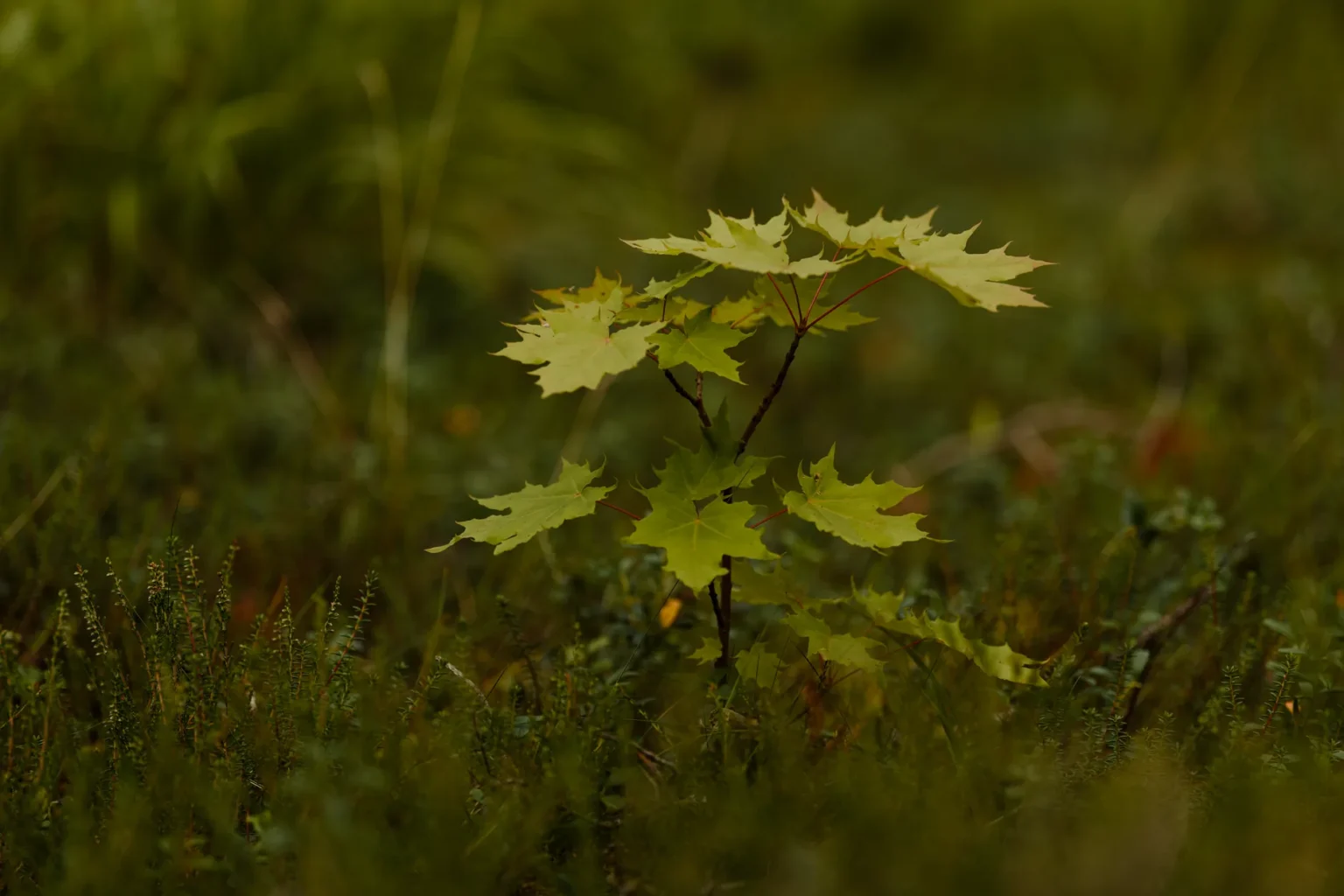
Approval comes with replacement. The table in section 26-14.3 sorts removals into four categories by DBH. A tree of 6 to 12.99 inches on private property is replaced with one tree of at least 1.5 inches caliper. A tree of 13 to 22.99 inches is replaced with two, one of 23 to 32.99 inches with three, and one of 33 inches or more with four. The application fee is $0 in every category. Caliper is the trunk diameter of a young tree measured six inches above the soil line.
The conditions attached to a replacement tree matter as much as the count. The code asks for planting within 12 months of the removal, or by another date the township sets, and the applicant must monitor the new trees for two years and replace any that fail within 12 months. Trees left in temporary containers or pots do not count. Species, diversity and planting standards follow Department of Public Works requirements, and the township makes recommendations.
If the township decides some or all of the required trees cannot go on the property, the applicant pays $250 for each tree that would otherwise be required. The code gives its own example: a tree of 19 inches requires two replacements, so the alternative fee is $500. On a tight lot where a second or third tree has no room, that fee is the likely outcome, so ask the township early which route it expects.
Section 26-14.4 lists exemptions, and each claim needs written justification such as photographs or statements from a New Jersey licensed tree expert or arborist, as the reviewing official requires. Residents who remove one tree per property in categories 1, 2 or 3 within a five year period are exempt from replacement, as are tree farms, nurseries, orchards and garden centers. The New Jersey Board of Tree Experts explains that the licensing act requires at least one licensed person in each company hiring itself out to perform tree care services, so ask any contractor for a license.
Replacement tree facts to confirm with the township
- Trunk size category and the number of trees required
- Planting date within twelve months of the removal
- Two years of monitoring after the trees go in
- The $250 per tree fee when there is no room
Once a tree is down, stump grinding clears what remains in the ground and prepares the spot, and our tree maintenance work looks after the trees you keep. Plant the replacement away from the old root mass and from the house, because a young tree needs room to grow into its crown.
Hazard Trees, Dangerous Trees and Street Trees
The code defines a hazard tree as a tree or limbs that meet one or more of five tests. The tree has an infectious disease or insect infestation, is dead or dying, obstructs the view of traffic signs or the free passage of pedestrians or vehicles where pruning has not worked, is causing obvious damage to structures such as foundations or sidewalks, or is judged a threat to public health, safety or welfare by a certified arborist or Licensed Tree Expert. A tree removed only to make room for development is not a hazard tree.
Under section 26-14.4, hazard trees may be removed with no fee or replacement requirement. That is a real saving, and it is also why the township asks for proof. Photograph the defect before cutting, note the date and keep a written assessment from a certified arborist. If the tree is already down, the photographs are what show that it was dead, cracked or leaning.
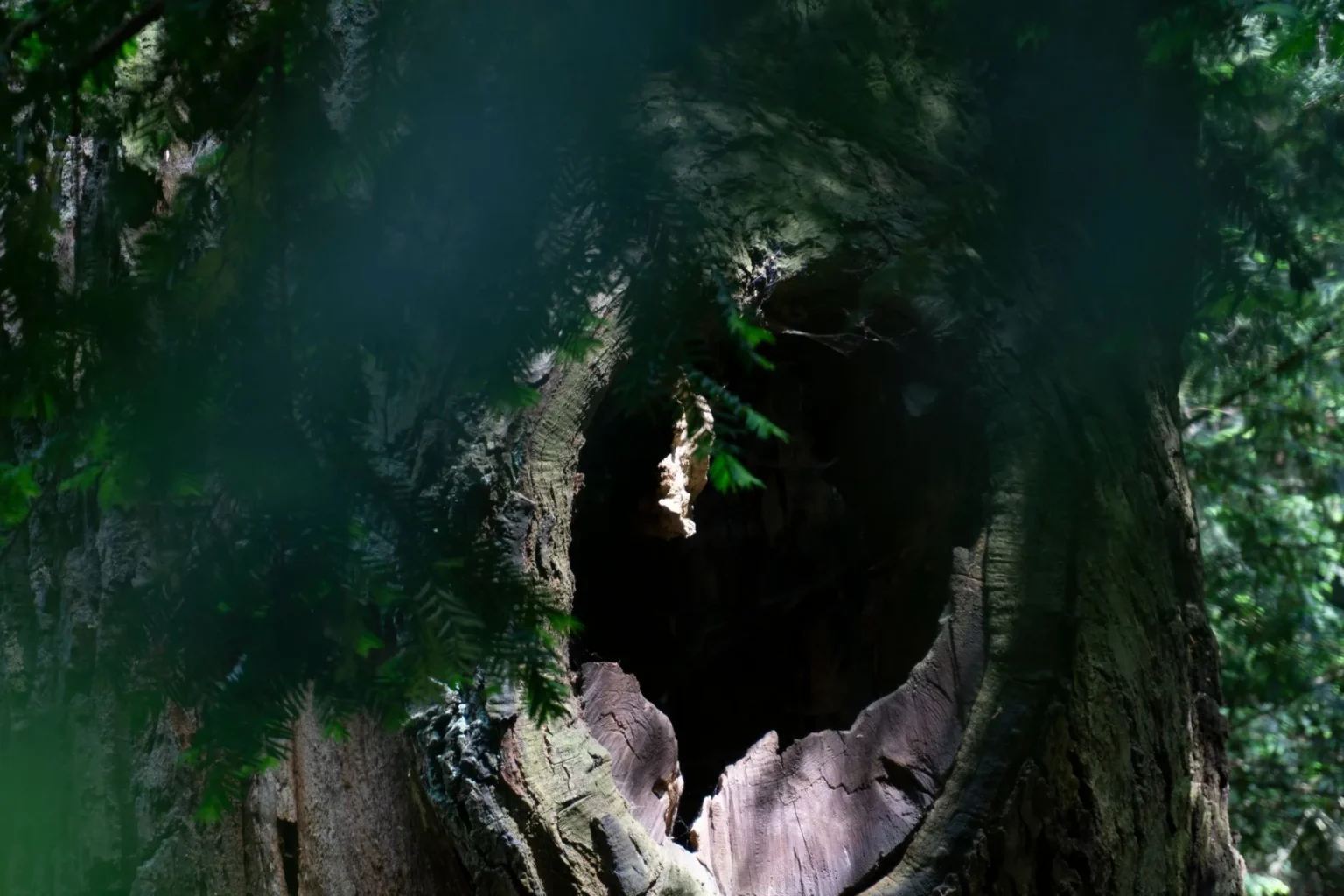
The ISA brochure gives homeowners a checklist. It asks whether there are large dead branches, detached or hanging limbs, loose bark, cracks or splits in the trunk or where branches attach, cavities or rotten wood, mushrooms at the base, recent construction or soil changes, unusually yellow or small leaves, or a history of topping. It adds that dead branches are probably the most obvious hazard, and that the risk depends on the size of the branch and its distance from anything it could hit. It also says that judging how serious a defect is should be left to a professional arborist.
The township has its own tools for dangerous trees. Section 26-8 lets the Department of Public Works remove or require the removal of a tree or part of a tree dangerous to public safety, at the owner’s expense, after serving written notice that gives the owner one week from the date of the notice. Section 26-11 says a utility company may not prune or remove trees for line clearance without prior permission from the Department of Public Works. The ISA brochure is blunt about lines: it says to stay away from branches on or near power lines, and to call the electric provider if tree parts touch them.
Defects to photograph before a hazard tree comes down
- Cracks or splits where limbs join the trunk
- Cavities, rot or mushrooms at the base
- Large dead branches over the house or street
- Soil cracks or a new lean near the roots
A defect does not always mean removal. The ISA brochure lists four options for an arborist to weigh: prune off the defective branches, cable and brace weak stems, provide routine care, or remove a tree whose risk is unacceptable. Our storm proofing and repair crews inspect the trees that look fine as well as the ones that worry you, and we will say plainly which of the four options fits.
Protecting Lyndhurst Trees Before the Saw Comes Out
Tree removal in Lyndhurst comes down to a short list of steps. Find out whether the tree is public or private, measure the trunk at four and a half feet, record any defect with photographs, apply to the Department of Public Works and plan the replacement before the saw starts. The township also plants street trees on request in spring and fall, and its May 2025 news post says the Department of Public Works takes planting requests year round. More of our local guides are in the Lyndhurst tree care articles section.
We are family owned since 1960, and we tell homeowners straight whether a tree needs pruning, support or removal. Our crews are ISA Certified Arborists and New Jersey Certified Tree Experts, and we are glad to put a written assessment in your hands for the township file.
Call Reliable Tree Service at (201) 943-4141 to schedule an inspection, or read about our tree removal work before you decide.
Related Articles

Tree Storm Proofing in Ridgefield NJ: Hazard Trees, Borough Rules and Wet Soil
Ridgefield sits in the Hackensack River floodplain, and its borough tree code spells out what an owner may do about a hazard tree. This guide covers tree storm proofing in Ridgefield: how storms and wet soil break trees, and which borough rules apply.
Tree Roots in Palisades Park NJ: Sidewalk Damage, Borough Permits and Replacement Fees
Palisades Park regulates street trees through Chapter 274 of its borough code, and sidewalk damage from roots is covered by it. This guide explains tree roots in Palisades Park, the permit and fee rules, and what to settle before anything is cut.
Land Clearing in New Milford NJ: Permits, One Tree a Year, and Root Zone Protection
New Milford regulates tree removal through Chapter 26A, from a single yard tree to a cleared lot. This guide covers land clearing in New Milford, including permits, clear cutting limits and how to protect the trees that stay.
Tree Pest Management in Hillsdale NJ: Lanternfly Egg Masses, Ash Borers, Borough Rules
Hillsdale treats an insect infestation as a reason a tree may come down and keeps invasive species treatment out of its removal rules. This guide covers tree pest management in Hillsdale, from lanternfly egg masses to the signs of ash borers.
Tree Maintenance in Hasbrouck Heights NJ: Root Zones, Mulch, and Borough Rules
Hasbrouck Heights counts over mulching and root zone compaction as tree removal in its borough ordinance. This guide covers tree maintenance in Hasbrouck Heights, from the root radius and mulch depth to the yearly inspection.
Tree Trimming in River Vale NJ: Right of Way Limbs, Topping Rules, and Timing
River Vale now holds owners responsible for street trees next to their property, and a permit covers any limb six inches or more across. This guide covers tree trimming in River Vale, from the ordinance to the topping rule and timing.