Table of Contents
Tree Care in Fair Lawn, NJ
Fair Lawn sits in Bergen County and was incorporated as a borough on March 6, 1924, spelled Fairlawn until 1933. The Passaic River forms its western boundary, and the Saddle River borders Ridgewood, Paramus, and Rochelle Park. The borough covers about five square miles, and it includes Radburn, which was founded in 1929 as one of the first planned communities in the country. A place with that much yard space and that many established streets has a lot of mature trees, and mature trees need steady care, which is where tree trimming in Fair Lawn comes in.
The borough treats its trees as a public project. According to the Shade Tree Advisory Committee page, the committee is responsible for the tree ordinance, which it describes as the tool for protection, preservation, and planting of trees, and it meets monthly to review and update that ordinance. The same page says the committee looks after the Fair Lawn Arboretum, a long term project on 15 contiguous acres of flood plain with a walking path along Jordan Brook.
Reliable Tree Service has been family owned since 1960 and works across Hudson and Bergen counties out of Cliffside Park. This guide explains tree trimming in Fair Lawn for the fall, how much pruning a mature tree can take, why topping makes a tree weaker, and how the borough rules and planting programs fit around the work.
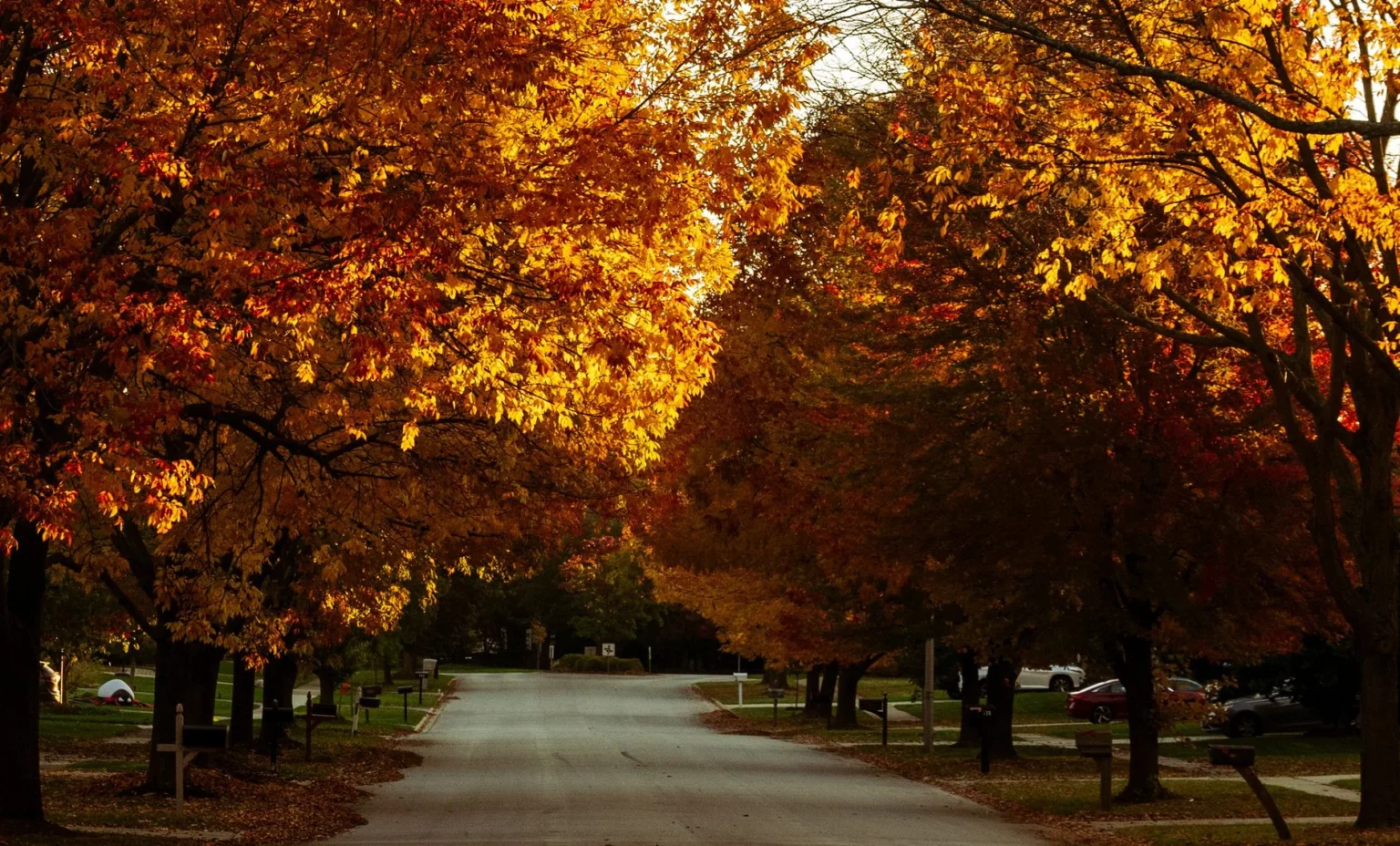
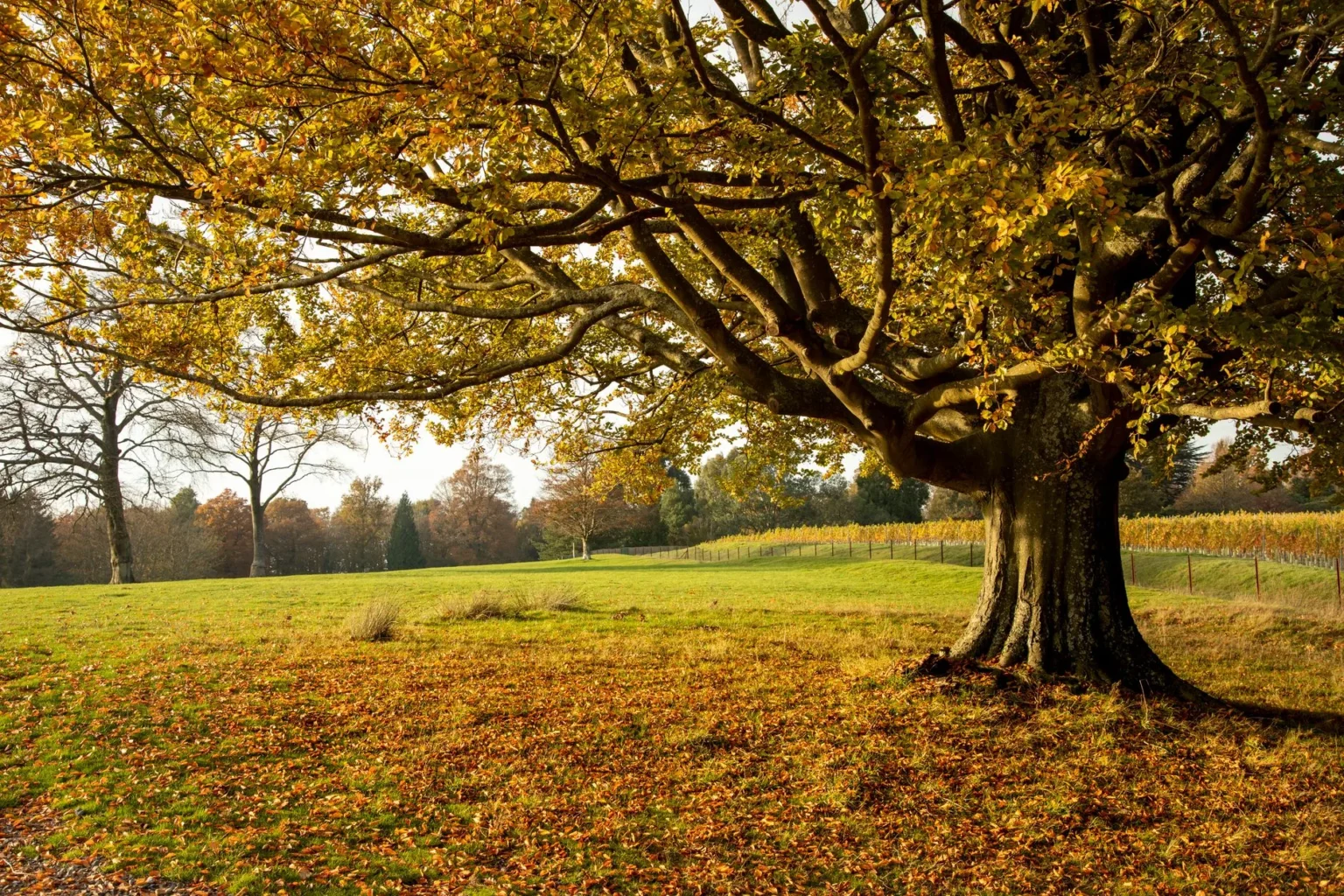
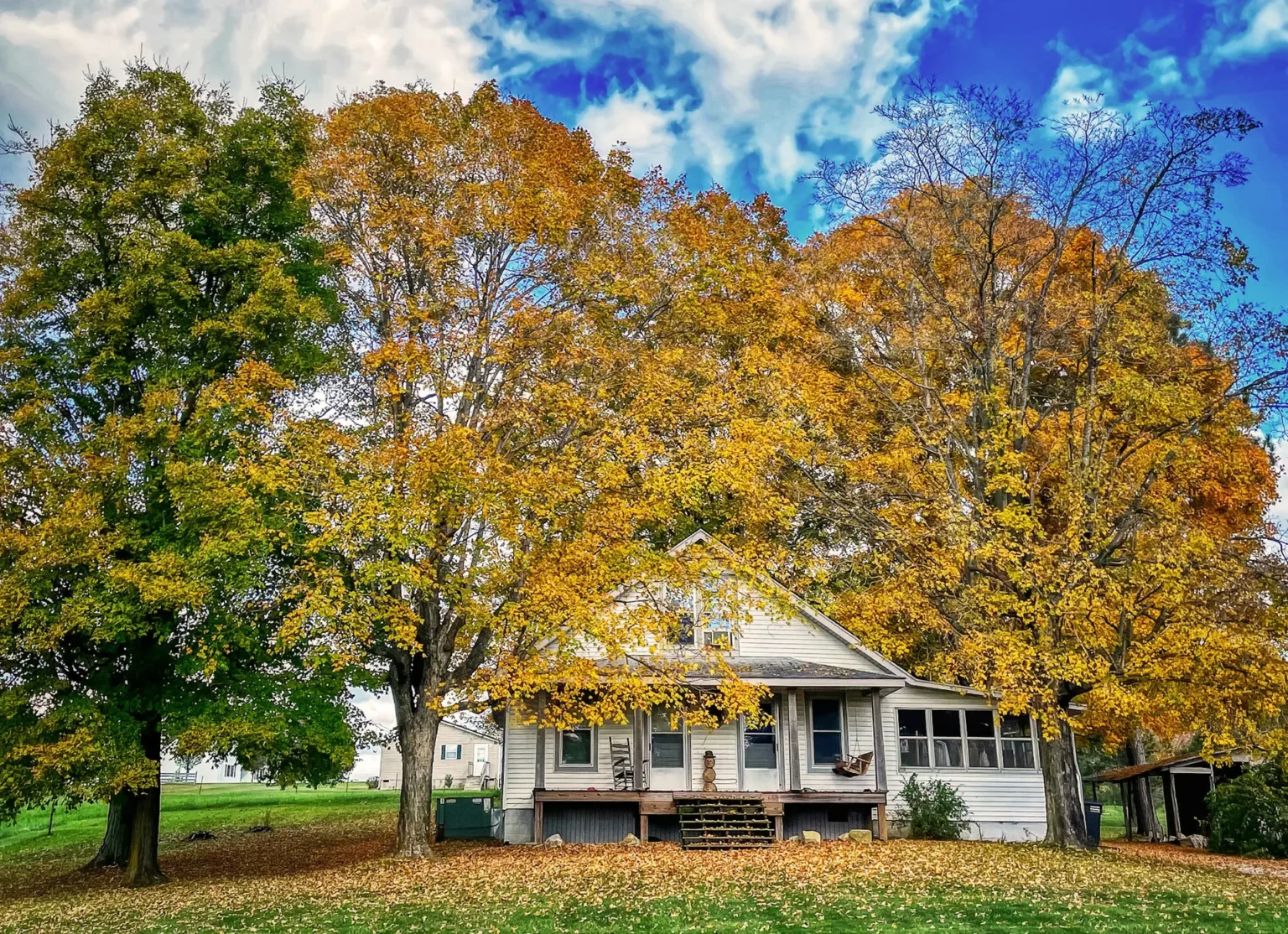
October is a good month to look at your trees. The leaves are coming down on most species, so the branch structure shows against the sky, and dead wood is easy to spot because it carries no color. A limb that stays bare in a canopy still full of fall color, or a crack where a limb joins the trunk, is worth noting now, before wet snow and winter wind put a load on it.
Not every tree needs work. Light, corrective tree trimming and pruning on a healthy tree is often all it takes, and some trees only need a second look in spring. Our Fair Lawn tree care guides collect what we publish for the borough on one page, and our notes on why professionals should trim trees explain why the cuts themselves matter.
Timing and Amount: How Much Pruning a Mature Tree Can Take
The International Society of Arboriculture says in its Pruning Mature Trees brochure that no branch should be removed without a reason. Good reasons include removing dead branches, improving form, reducing risk, and letting light and air into the crown. Routine thinning, the brochure adds, does not necessarily improve the health of a tree, because the leaves make the sugar the tree lives on.
Timing matters less than most owners think for light work. The brochure says routine removal of weak, dead, or diseased limbs can be done at any time of year with little effect on the tree. As a rule, growth and wound closure are best when pruning comes before the spring growth flush, which makes late fall and winter a sound window. Heavy pruning of live tissue just after the spring flush is the one to avoid, because the tree has just spent its energy on new leaves.
Amount matters more. The same brochure says generally no more than 25 percent of the crown should be removed at once, and less for a mature tree. Taking off one very large limb can leave a wound the tree cannot close. That is why a mature maple or oak in a Fair Lawn yard is pruned in stages and with a plan, not in a single afternoon.
Tree trimming in Fair Lawn also has to account for the lots themselves. Many yards are modest in size, and the trees reach over roofs, driveways, and the yards next door. Clearance is a real reason to prune, and the brochure lists raising the crown and reduction as the techniques for it. Reduction cuts a leader back to a side branch large enough to take over, which keeps the shape and structure of the tree.
What to settle before tree trimming in Fair Lawn is booked
- Which limbs are dead, cracked, or rubbing another limb
- Whether clearance over the roof or wires is the goal
- How much of the crown the cuts would remove
- Who will make the cuts and with what equipment
Answering these first keeps the job tied to a reason, which is the test the ISA applies to every cut. Our tree maintenance visits start with this list, and we describe what we see in plain language before any cutting begins.
Edward Hufnagel, who owns Reliable Tree Service, puts it this way: “A good pruning job is mostly deciding what to leave alone. The tree already has a plan, and our work is to help it, not to argue with it.”
Proper Cuts and Why Topping Hurts Trees
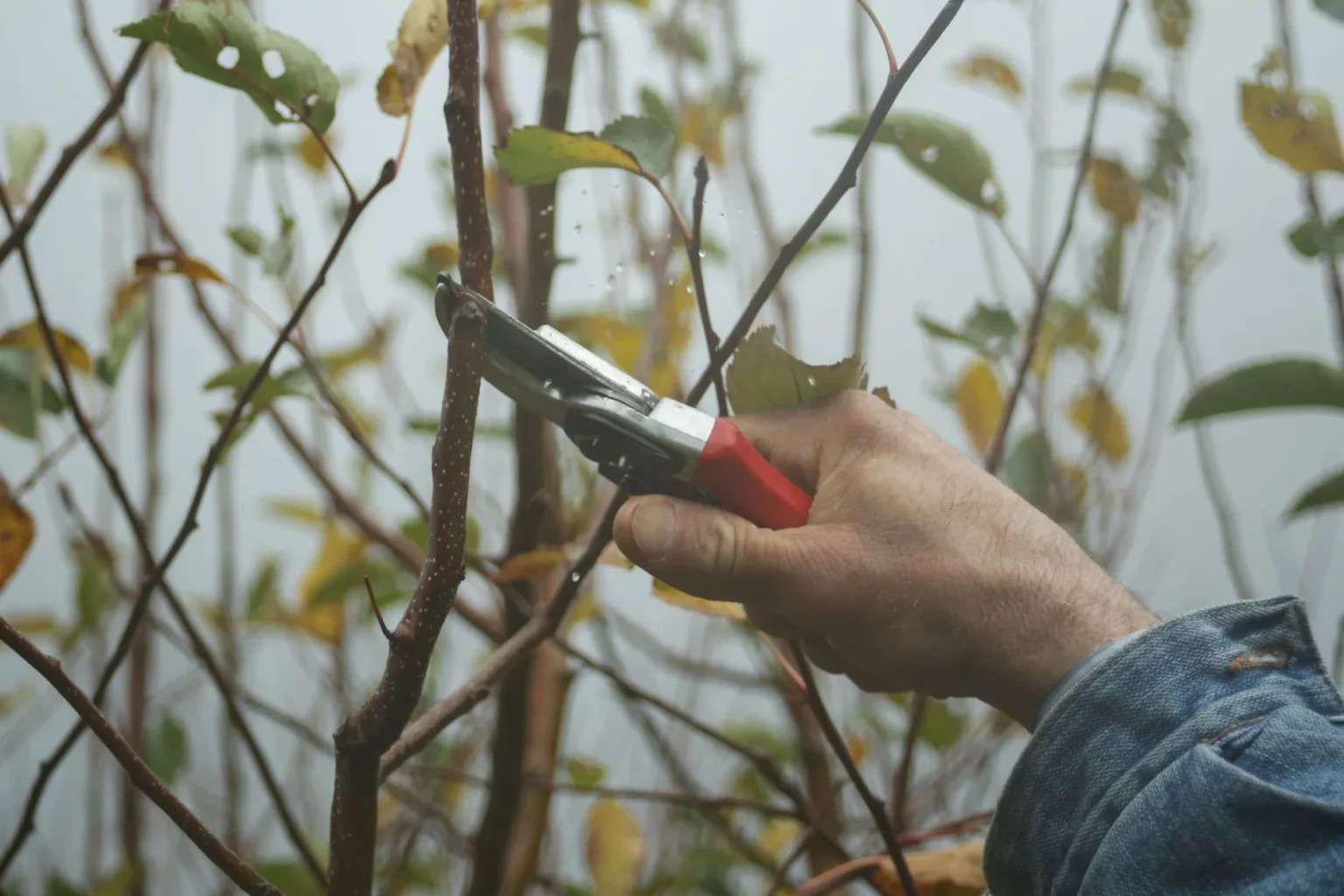
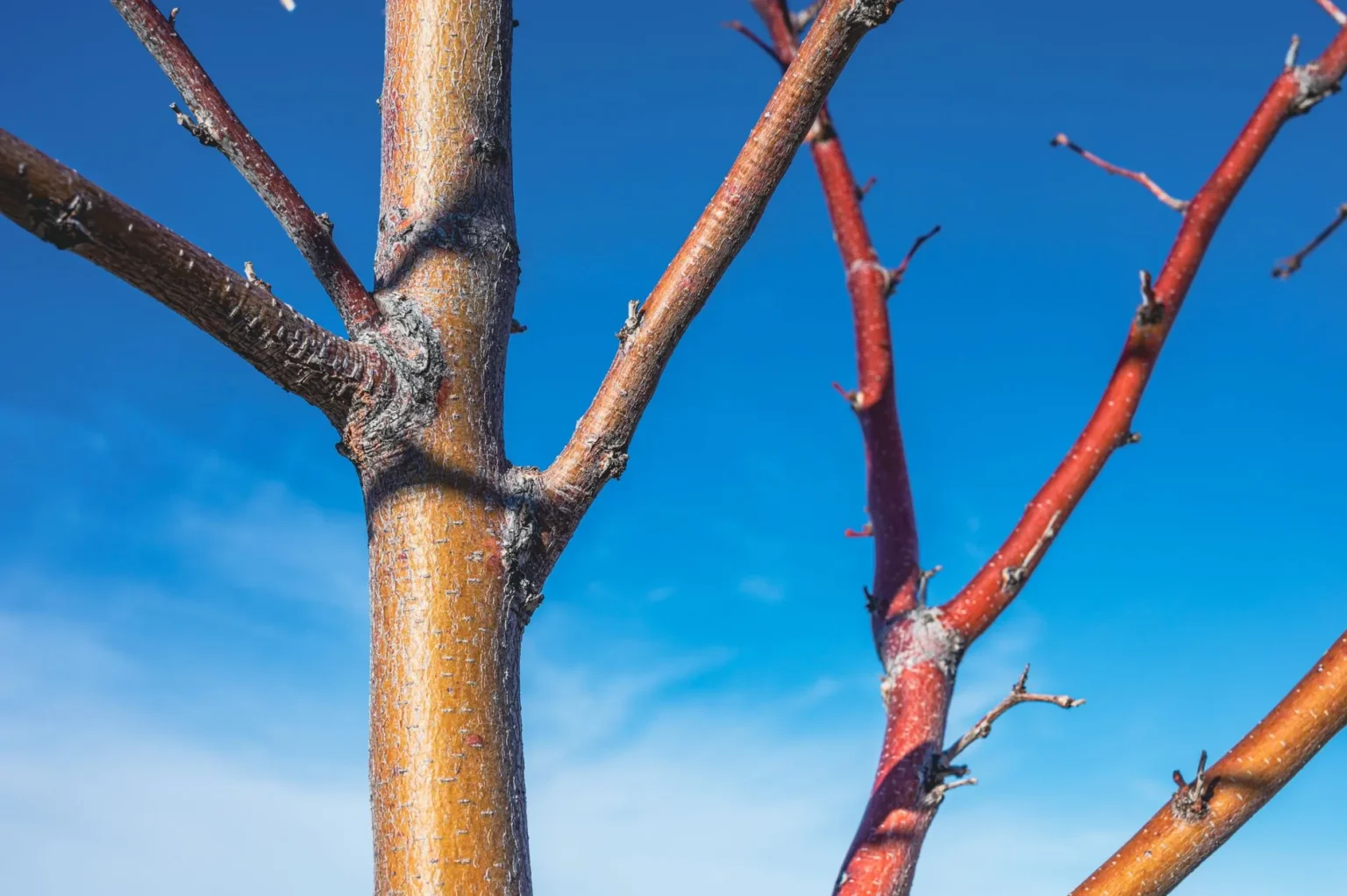
A correct cut matters as much as the amount. The ISA brochure says to remove a branch just outside the branch collar, the slightly swollen ring where the branch meets the trunk, and not flush with the trunk. Trunk tissue above and below a flush cut often dies, and that leaves dead spots that the tree has to wall off for years.
A large limb comes off in three cuts. The first is an undercut about 12 to 18 inches out from the trunk, the second comes from the top to drop the limb, and the third removes the remaining stub back to the collar. The sequence keeps the bark from tearing down the trunk. It is also work done above the ground with power equipment, which the ISA says belongs with a certified arborist and not with a homeowner on a ladder.
Topping is the opposite of all this. The Why Topping Hurts Trees brochure calls it perhaps the most harmful pruning practice known, the indiscriminate cutting of branches to stubs or to side branches too small to take over. It can remove 50 to 100 percent of the leaf bearing crown, which can starve the tree, and it exposes bark and branches to sunburn that can lead to cankers and bark splitting.
The part homeowners miss is that topping can raise risk instead of lowering it. The tree answers by sending up many new shoots below each cut, and the brochure explains that these shoots are anchored only in the outer layers of the old branch. They can grow as much as 20 feet in one year in some species, and they are weakly attached and prone to breaking in wind or ice. A tree topped to make it safer may be less safe in the long term.
Signs a tree has been topped or badly cut
- Stubs left where branches were cut between side branches
- Dense clusters of thin shoots sprouting below old cuts
- Flush cuts with no visible branch collar remaining
- Bark splitting or dead patches on exposed branches
If you see these signs on a tree you own, the answer is correction over time, not another round of heavy cuts. Correction usually takes more than one visit, and the weakly attached shoots are the ones that fail first, so our storm proofing and repair work often begins by selecting which new growth stays and which comes out.
Fair Lawn Tree Rules, Free Trees, and Replacement Planting
Fair Lawn rewrote its tree ordinance in 2024. According to a NorthJersey.com report from May 2024, the borough council approved rules that regulate trees with a healthy trunk 6 inches in diameter or thicker, up from 4 inches under the earlier rule. The permit fee is $50 per tree removed, and the number of replacement trees runs from one to four depending on the size of the tree taken down.
The report says replacements should be about 2 to 2.5 inches in diameter and planted within a year. If they cannot go on the property, the owner can plant them on other borough land or pay $250 per tree removed into the Fair Lawn Tree Trust. Trees that affect public health or lift sidewalks carry no replacement requirement. One committee member quoted in the report said the goal is to avoid a net loss of healthy trees, which is the same goal that careful pruning serves. Rules like these change, so confirm the current terms with the borough before any removal.
The borough also plants. A NorthJersey.com report from August 2023 says Fair Lawn runs a tree planting program funded by borough money and grants, with planting in the fall and spring. Trees go into the borough right of way, the lawn strip between the sidewalk and the curb, and the report lists eight species, including willow oak, swamp white oak, black gum, and American hophornbeam. Requests go through the borough website or the Department of Public Works, and the borough says it cannot guarantee a requested species.
A new tree needs its own pruning plan. Light shaping in the early years helps a young tree form a sound structure, which saves the heavy cuts that mature trees demand later. For older trees that cannot be saved, our tree removal service is the last step, and our guide to urban and suburban tree removal explains why tight lots change the plan.
Questions to ask the borough before any tree work
- Whether the tree stands in the borough right of way
- Whether the trunk measures 6 inches across or more
- What replacement planting the ordinance would require
- Who to contact about a hazard tree near a sidewalk
The Shade Tree Advisory Committee reviews and updates the ordinance as needed, so the borough is the place to confirm any rule. Our guide to choosing an arborist covers what to ask a contractor before you hire.
Protecting Fair Lawn Trees Through the Winter
Good tree trimming in Fair Lawn comes down to a reason for every cut, a limit on how much comes off, and the right time of year. Fall and winter suit light corrective work, and bare branches make dead wood and weak unions easy to read. We would rather tell an owner a tree needs a light touch than take off more than the tree can recover from.
Our crews are ISA Certified Arborists and New Jersey Certified Tree Experts, and we answer emergency calls 24/7 when a limb comes down. If you have a tree in Fair Lawn that worries you, we will look at it, explain what we see, and tell you whether it needs pruning, watching, or removal.
Call Reliable Tree Service at (201) 943-4141 to schedule an inspection. We are family owned since 1960, and when a tree does have to come out, our stump grinding finishes the job so the ground is ready for the next planting.
Related Articles

Tree Removal in Secaucus NJ: What the Town Permit Means for Your Trees
Secaucus asks owners to get a permit before removing almost any standing tree, dead or alive. This guide explains tree removal in Secaucus, the warning signs that a tree is failing, and how to plan a replacement.
Tree Storm Proofing in Teaneck NJ: Fall Prep for Mature Street and Yard Trees
Teaneck has looked after its street trees since 1995. This guide covers fall tree storm proofing in Teaneck for the yard trees behind the curb, the warning signs to watch for, and who handles what.
Weehawken’s Trusted Tree Experts – Trimming, Pruning & Removal
In Weehawken, where history meets the Manhattan skyline, Reliable Tree Service helps every tree tell its story. We specialize in expert trimming, pest care, and precision removals that keep the community’s parks, streets, and waterfront spaces thriving all year.
Elmwood Park Tree Service Experts – Trimming, Pruning, Removal & Pest Care
Reliable Tree Service provides professional tree trimming, pruning, pest control, and safe tree removal across Elmwood Park, NJ. Our certified arborists help local homeowners protect and enhance their landscapes year-round.
East Rutherford Tree Removal & Cleanup
We help East Rutherford homeowners and businesses storm-proof their trees, clear debris, and manage removals safely. Our certified arborists keep local properties secure and healthy before and after every storm.
Expert Tree Trimming & Removal in East Newark, NJ
East Newark, NJ is a compact Hudson County community where trees bring life and balance to an urban landscape. Reliable Tree Service provides expert trimming, removal, restoration, and pet-safe pest control to help homeowners preserve the health, safety, and beauty of their trees.