Table of Contents
Tree Care in Emerson, NJ
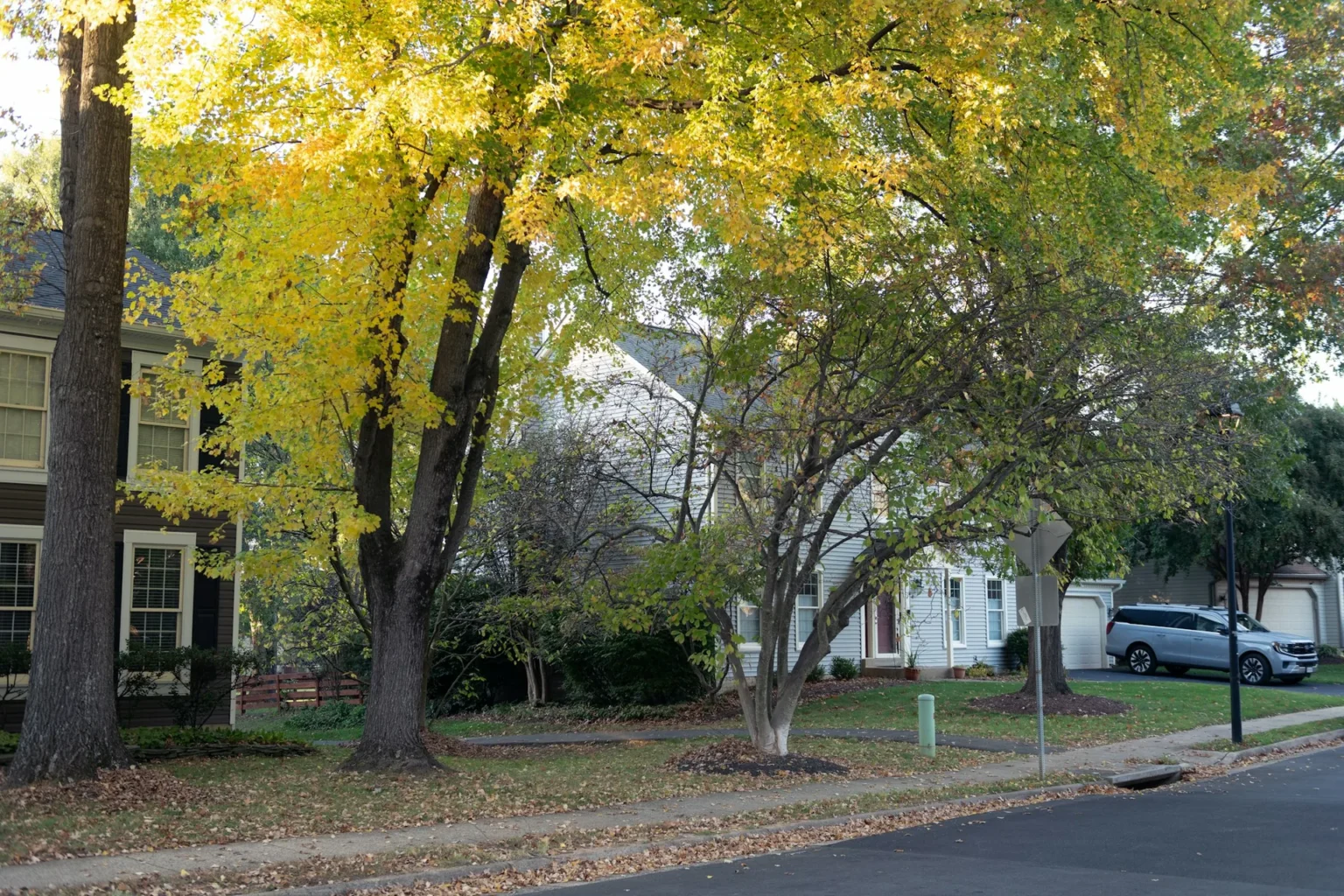
Emerson is a borough in Bergen County, and according to Wikipedia it was incorporated on April 8, 1903 as the Borough of Etna, took the name Emerson effective March 9, 1909, covers about 2.42 square miles and counted 7,290 residents in the 2020 census. Much of that land is quiet residential streets with mature trees, and the borough also owns Emerson Woods, about 19 acres of woodland that sits in the buffer area of the Oradell Reservoir. Trees matter here, and the borough has written rules to protect them. That is the background for stump grinding in Emerson.
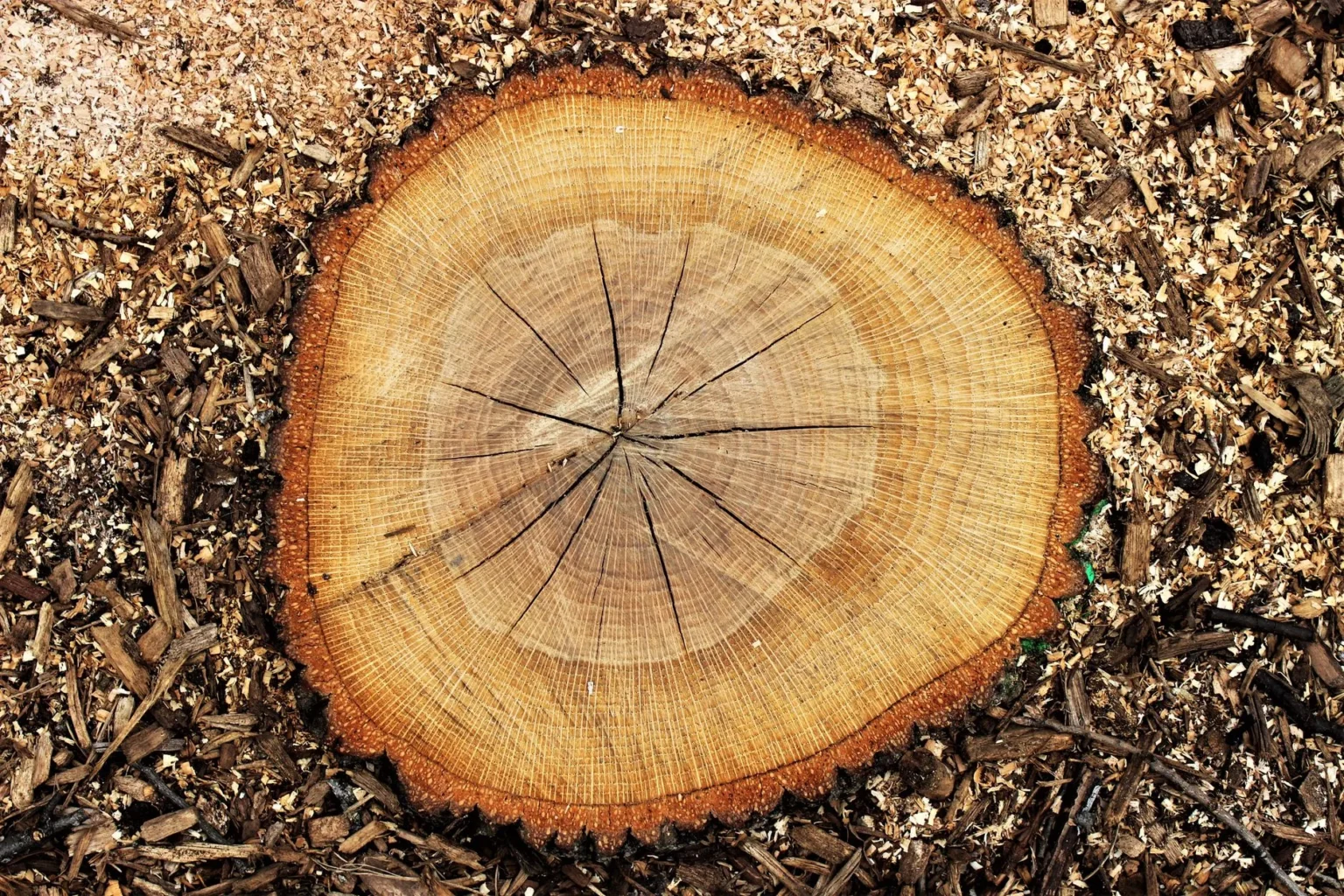
A stump is the last step of a tree removal, and it is often the step people put off. A stump left in the ground sends up sprouts, invites pests, catches mower blades and blocks the spot where the next tree should go. Grinding it removes the wood below the surface and clears the space. In a borough with a Shade Tree Commission, though, the work can touch roots and soil that the borough regulates, so the grinding plan needs to account for who owns the tree and where it stands.
This guide covers what the borough asks of owners, what a grinder actually does to the ground, and how to handle the wood chips and the hole before you plant again. We read the borough pages and ordinance text on November 2, 2026. Rules change, so confirm the current requirement with the borough before any work starts. Reliable Tree Service has been family owned since 1960 and works across Hudson and Bergen counties from Cliffside Park.
Our approach to stump grinding in Emerson follows one order. We find out who owns the tree, look at what stands around the stump, check the roots we can see, and only then set the depth and the path of the grinder. A stump beside a sidewalk needs a different plan than a stump at the back of a lot, and a stump next to a tree you want to keep needs the most care of all.
Grinding usually follows our tree removal services, and many owners ask for both in one visit. If you are still deciding what to do with a tree, our tree stump grinding page explains how the work is done, and our guides to grinding in Hackensack and Kearny show how nearby towns handle the same job.
Borough Approval for Street Trees and Roots
The first question is whether the stump belonged to a street tree. The borough Shade Tree Commission page says approval must be received before removing or pruning a tree on the borough right of way. It describes the Shade Tree Commission as the body that oversees shade trees, ornamental trees and shrubs on borough property and in the right of way, and as the final authority on borough tree matters. The borough does not treat that approval as a formality.
Chapter 266 of the borough code spells out what needs a commission permit when the tree stands on a street. The list includes cutting, pruning, breaking or removing a tree, cutting or disturbing any root, spraying a chemical, removing soil for trenching or any other purpose, and building a new sidewalk or driveway within five feet of a tree. Grinding a stump is root work and soil work, so on a street tree it belongs on that list. Requests go in writing to the commission, and the page lists the shade tree email as shadetree@emersonnj.org and the phone number as 201-262-6086.
The same chapter sets penalties. A violation on a borough shade tree carries a fine of not less than $100 and not more than $500 per tree, and the commission may also require a replacement assessment of $350 for each tree removed or destroyed in violation. The fine and the assessment are good reasons to ask first. A call to the commission costs nothing, and a missed permit costs real money.
Trees on private land follow a different path. The tree preservation article exempts the removal of private trees that are dead, dying or diseased, that have suffered severe damage, or whose angle of growth makes them a hazard to structures or human life, as determined by the borough Tree Inspector or by a tree care expert approved by the Land Use Board. It also exempts a residential lot of one acre or less as long as no more than 75 percent of its existing trees are removed. Those exemptions can change a stump job from a permit question into a paperwork question, so keep a written record of why the tree came down.
Stump grinding in Emerson: questions to settle before the grinder arrives
- Whether the stump stands on the borough right of way
- Whether the removal fell under a hazard or dead tree exemption
- Whether any roots to be cut belong to a tree you are keeping
- Who will file the written request and keep a copy
Edward Hufnagel, who owns Reliable Tree Service, puts it this way: “A stump is only the last part of the job. If you plan the roots, the soil and the next tree before the grinder starts, the hole stops being a problem and becomes a planting bed.”
What Stump Grinding Does and Where to Be Careful
Stump grinding uses a machine with a spinning cutting wheel that chews the wood down into chips. According to Iowa State University Extension, the grinder removes the stump and any large lateral roots, typically down 8 to 12 inches, and arborists charge by stump size measured at its widest point. The same page calls grinding the quickest, easiest and safest option for removing a stump, and names cost as its main drawback.
Depth is a choice, not a fixed number. The University of Illinois Extension says grinders can take a stump anywhere from flush with the soil line to more than a foot deep, that going deeper costs more, and that a deep grind may leave a large hole. For a new tree, the planting spot only needs wood removed where the new roots will grow. For a lawn, a shallower grind is often enough. We settle the depth with you before the machine starts.
Look at what is close to the stump. Sidewalk slabs, curbs, fences, irrigation lines and the roots of neighboring trees all sit within a few feet of many Emerson stumps. The borough code also says no soil shall be deposited or removed, and no building materials stored, within the dripline or within eight feet of an existing tree trunk, whichever is greater. That sentence appears in the tree removal standards, but it is a sound guide for any work near a tree you plan to keep: do not pile chips or soil against its trunk.
Utilities need attention as well. Before any digging, New Jersey One Call says to call 811 or 800-272-1000 at least three full business days before work starts, and weekends and holidays do not count toward that window. Grinding cuts into the soil, so we treat it as digging. Call early so the marking crews have time to mark the lines.
Stump grinding in Emerson: what to settle on the day before
- Call 811 and wait for utility markings
- Choose the grinding depth for lawn or planting
- Clear fences, hoses and loose items from the work area
- Photograph the stump and surrounding ground beforehand
Photographs help if the borough or a neighbor asks later what was done. A dated picture of the stump, the sidewalk and the nearest trees takes a minute and settles most questions.
Wood Chips, Fresh Sprouts and Replanting
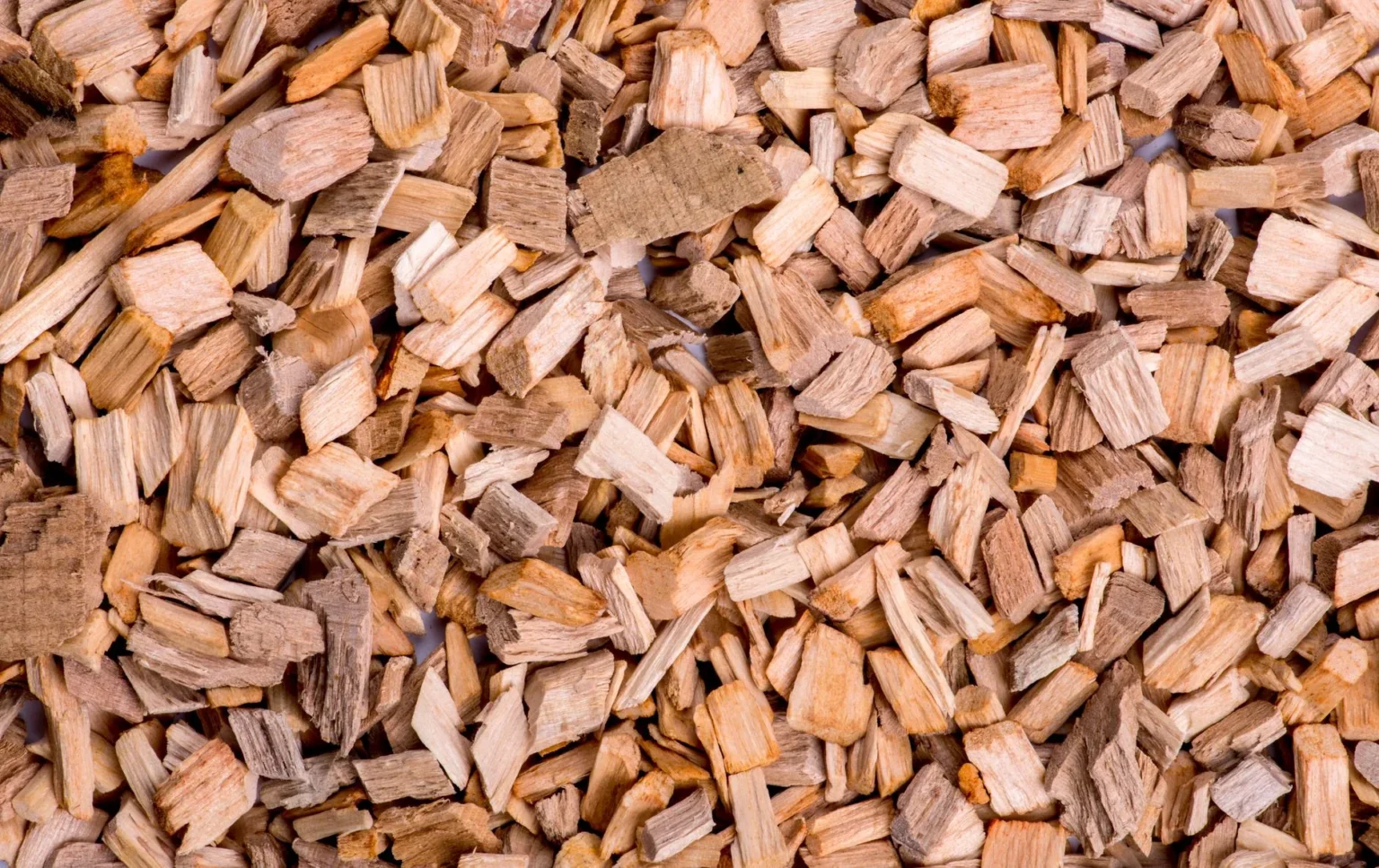
A ground stump leaves a pile of chips in the hole. Iowa State Extension says arborists usually do not remove that pile or fill the hole unless you ask, and each service costs extra. It advises removing the shavings before adding topsoil and replanting, because they can hinder turf and plant growth. The Illinois page adds that the grindings are typically mixed into the surrounding soil, and as the wood breaks down it can tie up nitrogen, which makes it hard to grow lawn or other plants where the tree stood.
That is why the chips matter more than the stump itself. If you plan to seed turf, the Illinois page recommends hauling off the chipped debris and filling the hole with quality topsoil. If you plan to plant a tree, the same logic applies in a smaller circle: take out the chips where the root ball will go, fill with soil, and plant in firm ground. Chips that stay in a pile against a trunk or fence line can hold moisture, so spread them thin or haul them away.
A cut tree may also try to regrow. The Illinois page notes that a cut live tree often will resprout from the stump or the surrounding root system, and it recommends treating the fresh cut with a systemic herbicide. Grinding removes the stump wood and the large roots near it, but sprouts can still appear from roots that remain, so watch the area in spring and tell us if shoots come up. Our tree maintenance service can follow up on a site that keeps sending sprouts.
If the removal was a borough approved job, the commission may also have attached conditions. The code allows it to require a replacement for a tree taken from within 10 feet of a borough, county or state roadway, and it says the commission decides the species and the planting location. Plan the hole with that in mind, and ask before you choose a tree.
Preparing the hole for replanting
- Remove chips from the planting circle
- Refill with clean topsoil and tamp it firm
- Pick the new tree and its spot with the commission
- Water the new tree and mulch without piling it on the trunk
The borough code asks developers to monitor replacement trees for two years and replace any that die in that time. Homeowners are not bound by that rule for an ordinary removal, but the habit is sound for any new tree.
Protecting Emerson Trees After the Stump Is Gone
The borough has put its expectations in writing: approval for work on street trees, a clear list of exemptions for dead and hazardous trees, a replacement table for larger removals and fines for cutting without permission. Use that framework. Settle the ownership question first, take photographs, call 811, choose the grinding depth and plan the next tree before the machine arrives. The planning takes an afternoon and prevents most problems.
Our other local guides are in the Emerson tree care articles section. When you hire help, the New Jersey Board of Tree Experts says it is mandatory to hire a tree care business registered with the state that employs a Licensed Tree Expert or Licensed Tree Care Operator, and it advises asking for the licensed person’s name and license number and for proof of insurance. We are family owned since 1960, and we will tell you plainly what a stump needs and what the borough asks.
Our crews are ISA Certified Arborists and New Jersey Certified Tree Experts. Call Reliable Tree Service at (201) 943-4141 to schedule stump grinding in Emerson, or have us look at a tree that needs to come down first through our storm proofing and repair service.
Related Articles

Tree Storm Proofing in Saddle Brook NJ: Hazard Trees, Root Zones and Township Rules
Saddle Brook defines a hazard tree in its written tree ordinance and leaves hazard trees free of fees and replacement duty. This guide covers defects to check once the leaves drop, root zone care and replacement rules.
Tree Removal in Dumont NJ: Borough Permit, $25 Fee, and Commission Inspection
Dumont requires a permit before any tree can be removed in the Borough, with a Shade Tree Commission inspection before work begins. This guide covers tree removal in Dumont, from the paperwork and fee to hazard signs, Borough owned trees and replanting.
Tree Pruning in South Hackensack NJ: Permits, the 25 Percent Limit, and Fall Timing
South Hackensack publishes a Shade Tree Commission permit form that covers pruning as well as removal, with a stated 25 percent limit. This guide covers tree pruning in South Hackensack, from the permit and fee to clean cuts and fall timing.
Tree Pest Management in Guttenberg NJ: Hazard Tree Rules and Redbud Replacement
Guttenberg counts a tree with an insect infestation as a hazard tree and calls for an Eastern Redbud when a tree comes down. This guide covers tree pest management in Guttenberg, from spotted lanternfly egg masses to the signs of emerald ash borer.
Tree Feeding in Demarest NJ: Caring for Replacement Trees Under Borough Rules
Demarest can require a replacement tree and a cash bond when a tree comes down, and the owner stays responsible if that tree dies within twenty four months. This guide covers tree feeding in Demarest, from watering and mulch to soil tests and timing.
Tree Trimming in Waldwick NJ: Pruning Rules, Qualified Trees, and Right of Way Care
Waldwick regulates tree removal and replacement under a chapter adopted in 2024, and it sets firm rules for trees in the public right of way. This guide covers tree trimming in Waldwick, from qualified trees and roots to clean cuts and topping.