Table of Contents
Tree Care in Hackensack, NJ
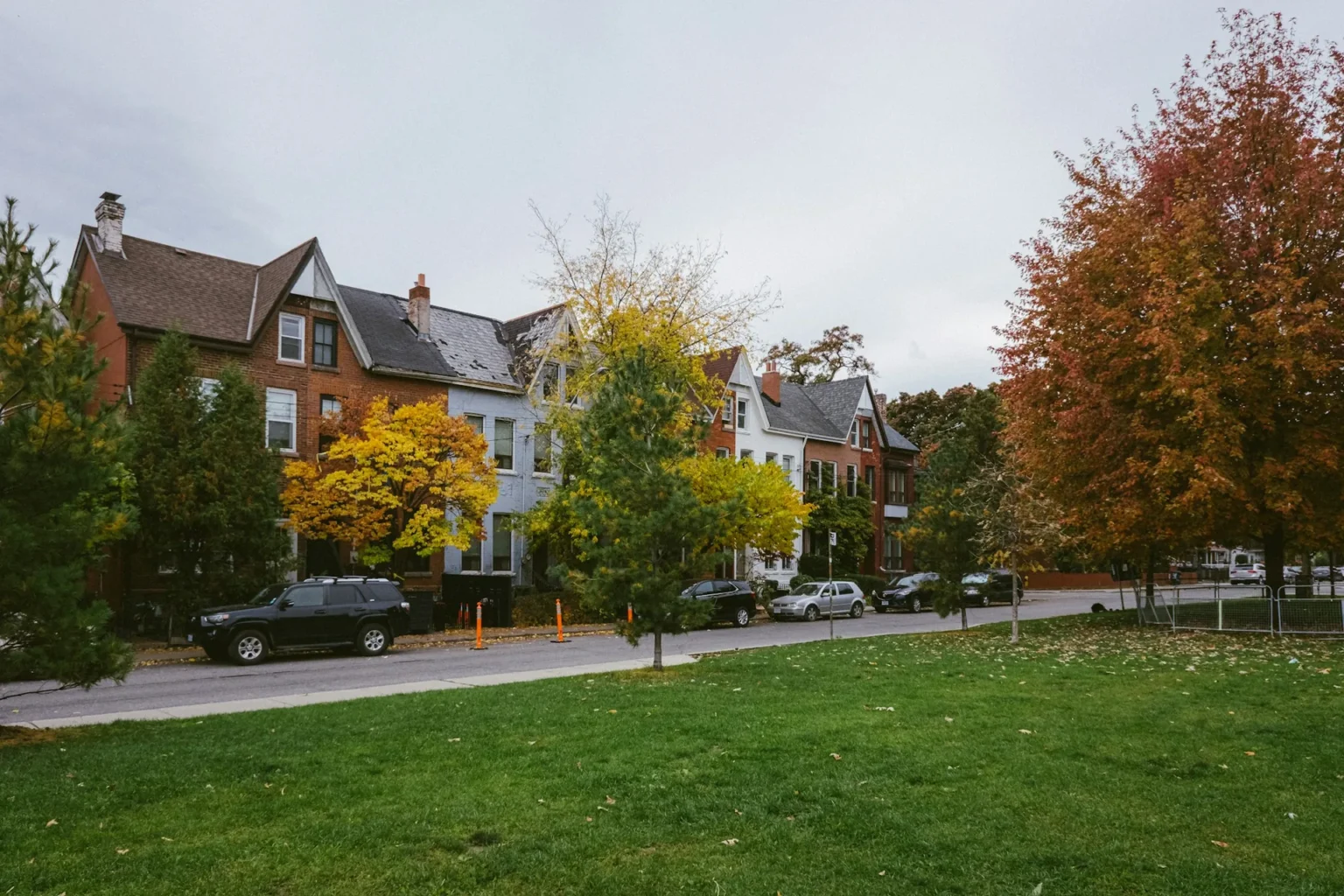
Hackensack is the county seat of Bergen County, and according to Wikipedia it has held that role since 1710. The city covers about 4.35 square miles along the tidal Hackensack River, it received its city charter in 1921, and its list of parks includes the 15 acre Borg’s Woods Nature Preserve. Between older streets, small lots, and mature street trees, a stump is rarely just a stump here. Stump grinding in Hackensack is often the last job after a removal, and it decides what the yard can be used for next.
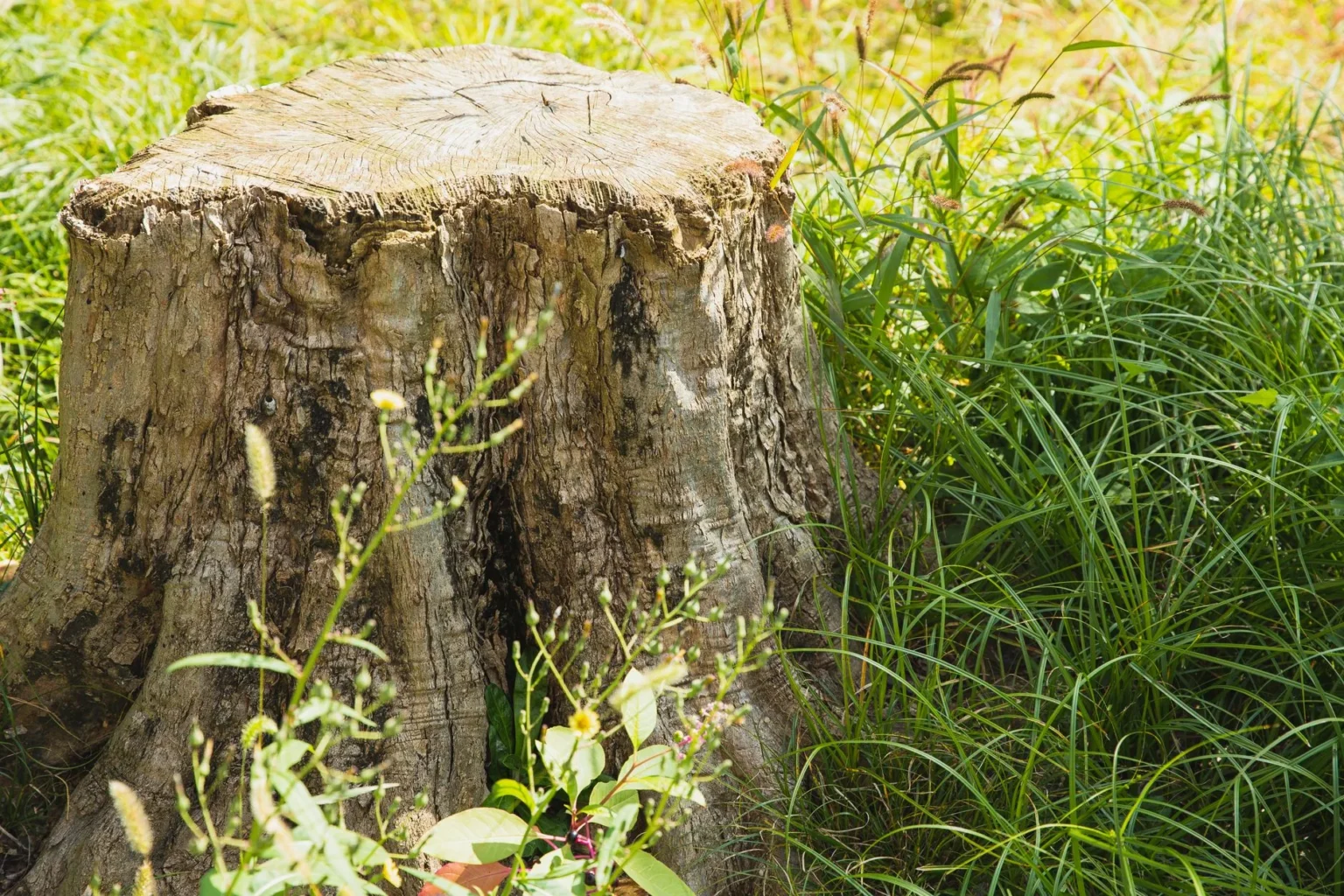
A stump left behind is more than an eyesore. It can trip a mower, hold moisture against a fence or foundation, send up suckers, and take space that a replacement tree needs. Grinding is the usual answer. It cuts the wood below the soil line and leaves the ground ready to be filled, seeded, or planted. The details matter, though, including how deep the grinder goes and what happens to the chips.
Reliable Tree Service has been family owned since 1960 and works across Hudson and Bergen counties out of Cliffside Park. This guide covers the city rules that come before a removal, the grinding depth question, the chips, and what to do about sprouts and replanting. Confirm the current city rules with the Department of Public Works before you schedule work, since ordinances and forms change.
Most stump questions start with a tree that has already come down or is about to. The city of Hackensack adopted Ordinance No. 17-2024, which took effect in April 2024, and the city Shade Tree page says it regulates most tree removals in the city. That matters for stump work because the removal usually comes first, and the paperwork belongs to the removal, not to the grinder.
The same page describes the city’s Shade Tree Advisory Committee, which encourages planting, especially curbside trees, and evaluates an area of the city each year for a planting of 20 trees. Members are appointed by the Mayor and Council to a three year term. The city lists itself as a long running Tree City USA participant. In practice, that means the city cares about what goes back into the ground, and a clean, well ground stump site makes that replanting easier. Our stump grinding crews work with that goal in mind.
Stump Grinding in Hackensack Starts With the City Removal Form
Before anyone talks about the grinder, check whether the tree itself needs paperwork. The city’s Tree Removal Notification Form says that only trees with a diameter at breast height of 6 inches or more must be reported. Diameter at breast height, or DBH, is the width of the trunk measured 4 and a half feet above ground on the uphill side. For a street tree, meaning one planted in a sidewalk, planting strip, or public right of way, the form sets the threshold at 2.5 inches.
The form must be filed with the Department of Public Works before the tree is removed. It asks for the property owner, the block and lot, the reason for removal, the number of trees, and a tree removal plan, which is a map, diagram, or survey marking each tree with an X along with its DBH. It also asks if a Licensed Tree Care Operator or a Licensed Tree Expert will do the work, and for that person’s contact details. The city is clear that failing to comply with the ordinance brings the penalties set by law.
Unless an exemption applies, the form says the owner must replace the removed trees as the ordinance requires, or pay a fee of $350.00 per tree into a city fund for tree planting and maintenance. Exemptions are listed in Section 162-9 of the city code and replacement requirements in Section 162-8. We did not find anything on the form about stumps themselves, so ask Public Works if a situation such as a stump left from an earlier removal needs a filing. That is the safe way to handle stump grinding in Hackensack.
The timing is practical as well as legal. A removal and a grinding are often done on the same visit, because the crew and the equipment are already on site. If the paperwork is not ready before the removal, the whole job waits. Our tree removal team can tell you what to measure and what to bring to the city, and we can walk the property with you first.
Questions to settle before the removal and the grinding
- Measure the trunk at four and a half feet
- File the city form before any cutting begins
- Ask Public Works about exemptions and replacement
- Confirm the crew uses a licensed tree expert
The state also has a say in who does the work. The New Jersey Board of Tree Experts says it is mandatory to hire a tree care business registered with the state, and it suggests asking for the name and license number of the licensed person. Edward Hufnagel, who owns Reliable Tree Service, puts it this way: “A stump is the part of the job people forget about until the tree is gone. Settle what goes in that spot before the saw starts, and the rest of the work follows from it.”
How Deep to Grind and What Happens to the Wood Chips
Grinding depth is the question customers ask most, and the honest answer is that it depends on what you plan to do next. The Iowa State University Extension article on removing tree stumps says grinding typically takes out the stump and large lateral roots down 8 to 12 inches. The University of Illinois Extension guide on what to do with a tree stump says grinders can cut anywhere from flush with the soil line to more than a foot deep, and that deeper grinding usually costs more.
That range gives you a simple way to decide. If the plan is lawn, a shallow grind that gets the stump below the mower blade may be enough. If the plan is a garden bed or a new tree, deeper is better, since the woody mass left in the ground will slowly rot and settle. A deep grind also leaves a larger hole, which brings us to the chips.
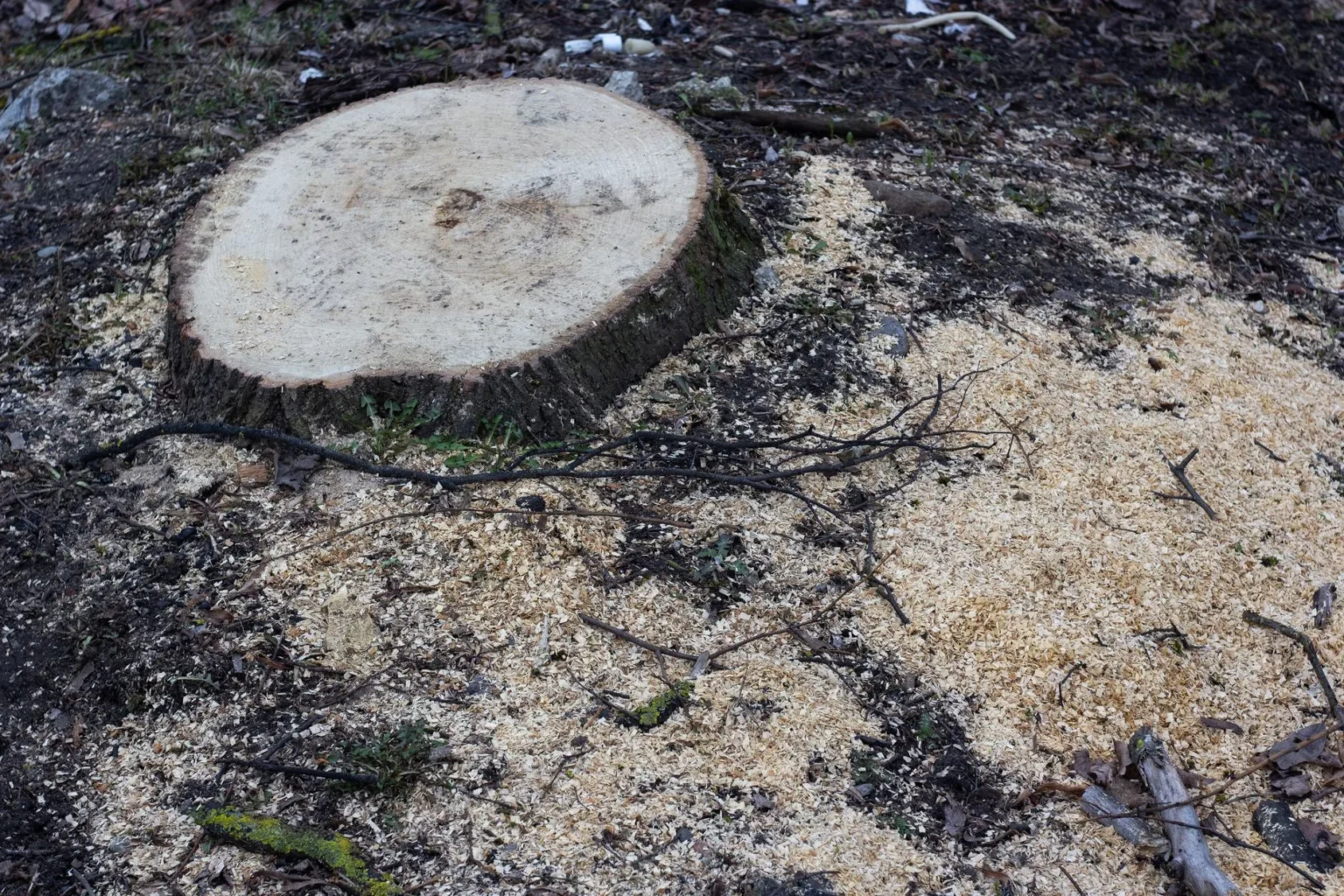
Grinding leaves a pile of shavings, and the Iowa State article says arborists usually leave them unless asked to remove them, with removal costing extra. It warns that the shavings change the structure, moisture holding capacity, and nutrient balance of the soil, which makes it hard for new turf or plants to grow. Illinois makes a related point, noting that wood mixed into soil can tie up nitrogen as it breaks down. Both sources recommend clearing the chips and filling with good topsoil before planting.
Cost follows size. The Iowa State article says arborists charge by the size of the stump, measured at its widest point. A flared base with surface roots counts, so measure the widest part and mention nearby obstacles such as fences, patios, and utility lines when you call. Our crews will look at the site before quoting any grinding, and our tree maintenance visits can pick up other tree needs on the same property.
Choices to make about the grinding job
- Decide the next use of the spot first
- Choose grinding depth to match that plan
- Ask whether chips are hauled away or left
- Plan topsoil to fill the hole afterward
Utilities deserve a thought too. New Jersey One Call says to call 811 at least three full business days before digging, and the New Jersey One Call page applies the requirement to anyone digging, including homeowners and their contractors. Ask the crew how marking is handled on your job, and call 811 yourself before you fill, regrade, or plant where the stump stood.
Sprouts, Replanting, and the Ground After the Grinder
A ground stump is not always a finished one. The Illinois Extension guide notes that a cut live tree often resprouts from the stump or the surrounding root system. Fresh shoots around the old stump are a common sign. Grinding removes much of that wood, but roots farther out can still send up sprouts, so keep an eye on the area for a season and cut or treat shoots early. The guide describes herbicide applied to a fresh cut, which is a step to take with care and to discuss with a pest professional.
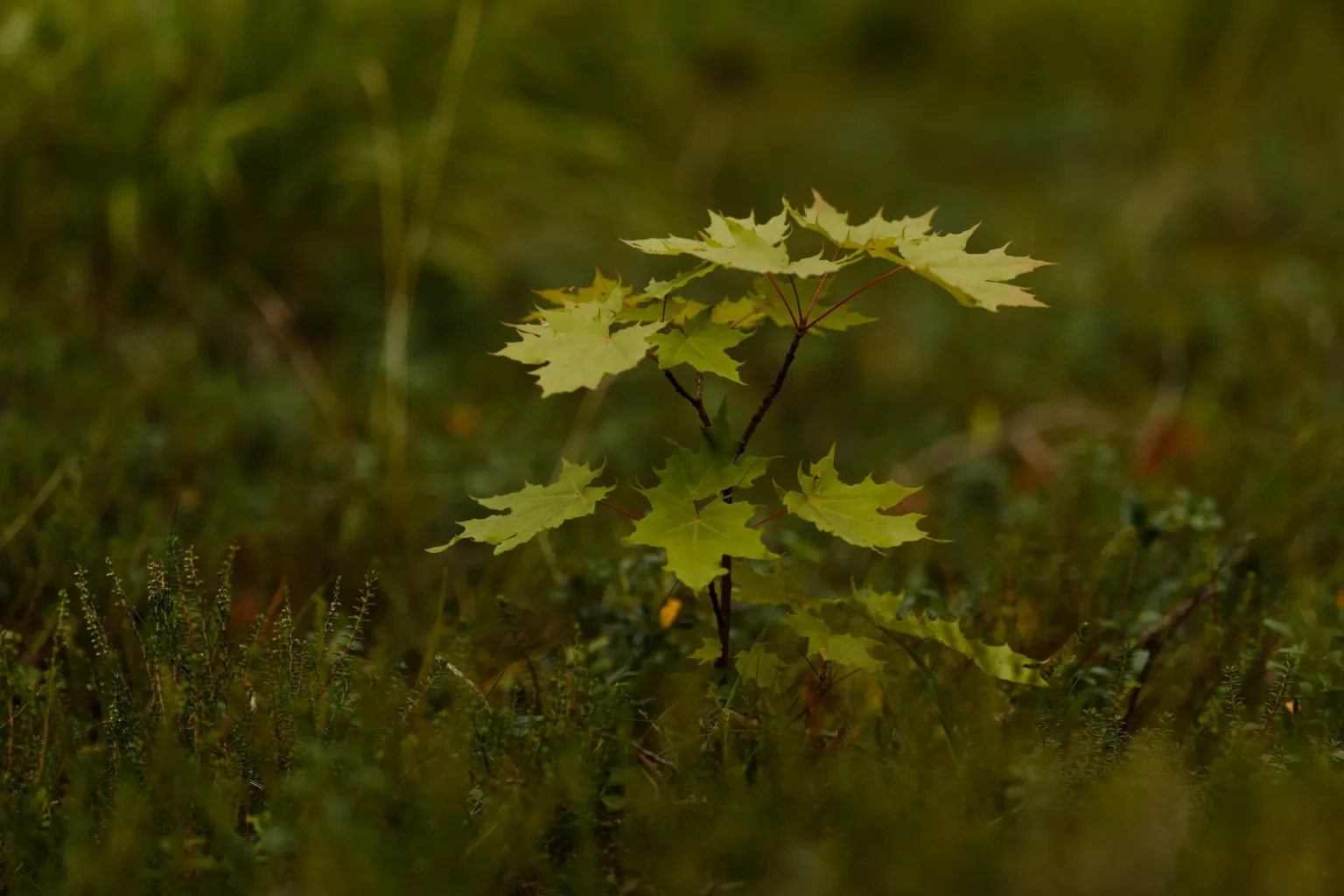
Replanting comes next, and this is where the city rules and good practice meet. If the removal triggered a replacement requirement, the owner has to deal with it under the ordinance, and the new tree needs room. Planting a young maple or oak within the footprint of the old stump, with chips still in the soil, sets the new tree back. Clear the chips, add topsoil, and consider shifting the new tree a few feet from the old root mass.
The city’s own planting program shows what the goal looks like. According to the Shade Tree page, the committee has worked since 1989 to plant over 500 trees, with a designated planting of 20 trees each year. Private owners can add to that canopy one yard at a time. Choosing a species that suits the site, such as a modest street tree under wires, is as important as the digging. Our tree trimming and pruning work then shapes the young tree in its first seasons.
Other stump facts are worth knowing. Illinois lists hand digging, air spades, stump pulling, burning where local rules allow it, and chemical treatment as alternatives, and it advises against explosives because of buried utilities, foundations, and soil compaction. On a Hackensack lot, with houses and lines close by, grinding is usually the practical choice. If a tree came down because of pests, our tree pest management page explains how we check the neighbors, and our guide to tree removal rules in Park Ridge shows how another Bergen borough handles replacement.
Steps after the grinder leaves the yard
- Rake out chips and fill with clean topsoil
- Watch for sprouts from nearby roots
- Call 811 before digging a planting hole
- Pick a species that fits the site
Each step is small, and together they turn a ground stump into usable space. Skipping them is how a clean yard ends up with a sunken patch, a dead patch, or a weak new tree. A short walk around the spot a few weeks later will show you whether the ground has settled, and that is the moment to top it off.
Protecting Hackensack Trees After the Saw Is Done
Stump grinding in Hackensack works best when it is planned with the removal, the city form, and the replanting in mind. The tree, the stump, the soil, and the paperwork all connect, and an ISA Certified Arborist can help you sort out the order. If storm damage is part of the story, our storm proofing and repair page explains how we look at the trees that remain, and our guide to removal in North Bergen covers a similar situation in Hudson County.
Our crews are ISA Certified Arborists and New Jersey Certified Tree Experts, and we are glad to look at the stump, the lot, and the plan before any work begins. We also collect our other local guides on one page of Hackensack tree care articles.
Call Reliable Tree Service at (201) 943-4141 to schedule stump grinding in Hackensack. We are family owned since 1960, and we will explain the options, the depth, and the cleanup in plain terms.
Related Articles

Tree Removal in Park Ridge NJ: Hazard Trees, Replacement Rules, and Root Zones
Park Ridge adopted a tree removal and replacement ordinance in 2024, and it reaches further than most owners expect. This guide covers tree removal in Park Ridge, from hazard trees to replacement planting and the root zone.
Tree Storm Proofing in Ramsey NJ: Thunderstorm Wind, Borough Rules, and Fall Checks
Ramsey has plenty of mature trees, and a June thunderstorm showed what wind can do to them. This guide covers tree storm proofing in Ramsey, from common defects to the borough’s rules on who handles which tree.
Tree Maintenance in River Edge NJ: Leaves, Mulch, and Root Care for Fall
River Edge has been a Tree City USA every year since 2000, and what happens on the ground under a tree matters as much as what happens in the canopy. This guide covers tree maintenance in River Edge from fallen leaves and mulch to who handles street trees.
Tree Removal in North Bergen NJ: Hillside Roots, Hazard Trees, and Replacement Rules
North Bergen sits on the Hudson Palisades, so trees grow on steep ground, close to walls and buildings. This guide covers tree removal in North Bergen, from what a slope does to roots to the paperwork worth gathering first.
Tree Trimming in Fairview NJ: Borough Tree Rules, Wires, and Small Lot Pruning
Fairview is a Bergen County borough with a written tree code, small lots and mature trees close to buildings and wires. This guide covers tree trimming in Fairview, from what the borough code regulates to when and how to prune.
Tree Pest Management in Oradell NJ: Ash Trees, Emerald Ash Borer, and Borough Rules
Oradell is a Bergen County borough with a written tree code and a lot of mature shade trees, and some of them are ash. This guide covers tree pest management in Oradell, from the signs of emerald ash borer to the borough approvals that apply before any cutting.