Table of Contents
Tree Care in Haworth, NJ
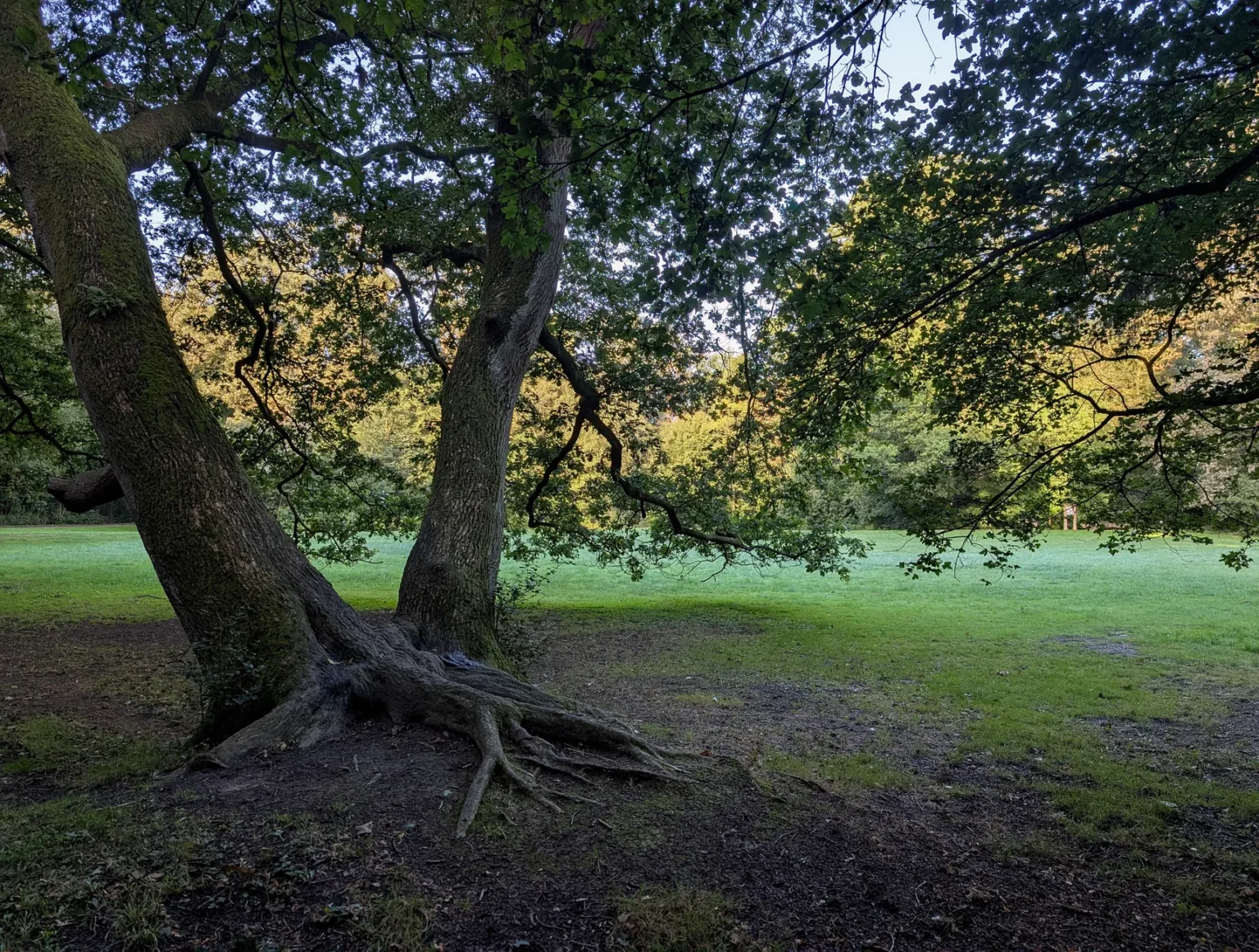
Haworth is a borough in Bergen County. According to Wikipedia it was incorporated on February 24, 1904, from parts of Dumont and Harrington Township. It covers 2.34 square miles, about 17 percent of it water, and it borders Emerson, Closter, Demarest, Dumont and Oradell. Public land includes Haworth Memorial Field, Myrtle Field and the Oradell Reservoir Trail, and the borough shade tree commission counts oaks and maples among the most common trees in the green spaces it surveyed.
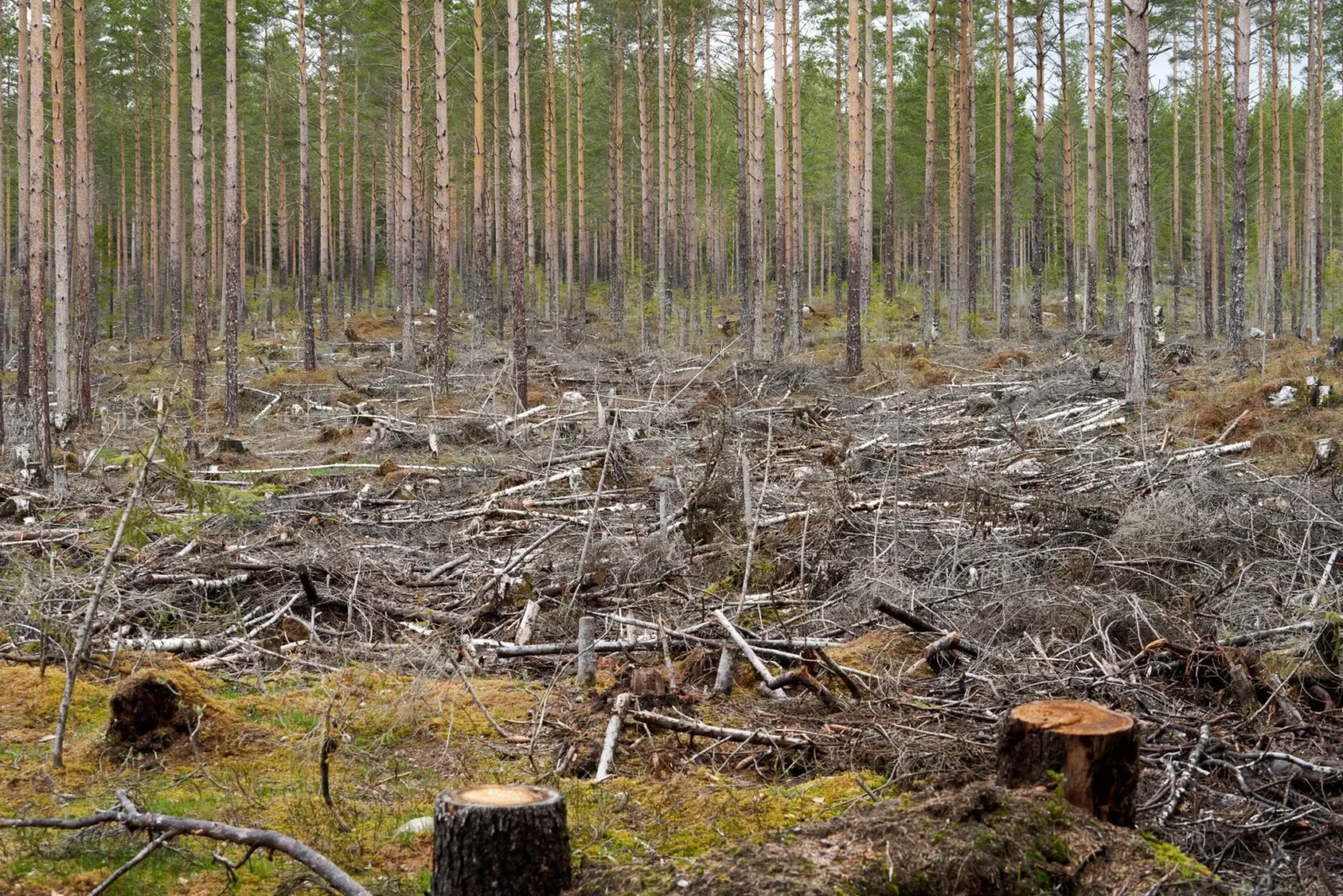
That mix of mature trees matters for anyone planning land clearing in Haworth. Clearing a lot, a back corner or a path for a new driveway means taking trees out, and in this borough a property owner removes trees through a written permit application. The form sets fees by trunk size, asks for a sketch and ties each removal to replacement trees or a payment in place of planting.
This guide covers land clearing in Haworth as the Borough paperwork reads today. We read the Shade Tree Commission page, the Property Owners Tree Removal Permit Application, the April 13, 2026 commission minutes, the 2024 street tree inventory report, Wikipedia and two International Society of Arboriculture brochures on November 19, 2026. Rules and fees can change, and the commission has asked for amendments, so confirm every detail with the Borough office before any work begins.
Reliable Tree Service is family owned since 1960 and works across Hudson and Bergen counties from Cliffside Park. Our land clearing crews plan a job around the trees that stay as carefully as the trees that go, and we can help an owner gather the sizes, reasons and sketch that the Borough form asks for.
Neighboring boroughs handle the same questions in their own way. Compare our guides to land clearing in New Milford and stump grinding in Emerson, or browse our Haworth tree care articles page for the local guides we write for the borough.
Land Clearing in Haworth Starts With the Borough Permit Application
The application is titled Property Owners Tree Removal Permit Application, and its heading says it must be received at least ten business days before the proposed removal date. That is a planning fact for land clearing in Haworth, because a clearing job cannot be booked for next week and papered afterward. Count two working weeks back from the day the crew is wanted, and allow more if the Borough asks for changes.
The form asks for the owner, the address of the worksite with its block and lot, and the developer or contractor if one is involved. It also asks for the tree service company, including its business registration number, address and contact details. Each tree to be removed is listed by size and by reason, using a short key: construction, street or roadway, driveway, hazardous or dead or diseased, and other. Clearing for an addition or a driveway therefore carries a named reason on the paper.
The application also asks for proof of the site. Actual property boundaries must be marked or obvious, and the trees to be removed must be marked with tape around each one. A detailed sketch shows where every tree stands in relation to existing or proposed structures and property lines. The list is meant to include trees removed in the 24 months before the application date, so an owner who already cleared a few trees last season should say so on the form.
If the stated reason for removal is that a tree is hazardous, dead or diseased, the form calls for a letter or report from a certified arborist or licensed tree expert, and that document travels with the application. The signature block also gives Borough officials, employees, consultants and members of the Haworth Shade Tree Committee permission to enter the property and inspect the proposed removal. A taped, sketched and documented site is simply easier to review than one with loose ends.
What to prepare before submitting the form
- Block and lot numbers for the worksite
- Trunk diameter for every tree on the list
- Tape around each tree marked for removal
- A sketch showing structures and property lines
The commission also pays attention to how trees are measured. Its April 2026 minutes say a tree with split trunks is measured either by adding the diameter of each trunk at shoulder height or by taking the trunk at the highest point before the split, and that the results are usually similar. Edward Hufnagel, who owns Reliable Tree Service, puts it this way: “Clearing is a series of small decisions about single trees. Decide which trees are staying first, then let the plan show where the machines can go.” That is the order we follow on every land clearing estimate.
Fee Tiers and Replacement Trees on the Haworth Application
The form prints a fee schedule by trunk diameter. A tree with a diameter of at least 6 inches up to 12 inches carries a fee of $50.00, greater than 12 inches up to 24 inches is $100.00, greater than 24 inches up to 30 inches is $200.00 and greater than 30 inches is $500.00. The table has columns for the number of trees in each row and a total cost, so a lot with many mid sized trees adds up quickly.
Replacement is handled by a second table. A removed tree with a diameter at breast height of 2.5 inches on the street, or 6 inches off the street, up to 12.99 inches is replaced with one tree. From 13 to 22.99 inches the form asks for two trees, from 23 to 32.99 inches three trees and from 33 inches up four trees. Each replacement tree has a minimum caliper of 2 inches, and the table refers the reader to an Appendix A for the criteria. Caliper is the nursery measure of a young trunk, so check the tag when you buy.
An owner who cannot plant, or prefers not to, has another path. The form says that a sketch showing the replacement tree locations, or the fee of $400 per tree removed in place of planting, must be paid in full before a permit is issued. Either way the replacement question is settled on paper before the first cut, which keeps a cleared lot from turning into an open argument later.
Fee changes are under discussion. The April 2026 minutes record a request to replace the single opt out fee with amounts that reflect trunk size, with examples of $400 for the two smaller categories, $800 for the third and $1,200 for the fourth, plus a rule that a homeowner who does not replant within the year pays the fee. Those are proposals recorded in minutes, not adopted rules, so use the numbers printed on the current form and ask the Borough which version applies on the day you file.
Fee and replacement items to check with the Borough
- Which fee table applies on the filing date
- Whether planting or paying in place of planting fits
- Where each replacement tree can stand on the lot
- How the annual replanting reminder will work
The minutes add that when a homeowner chooses to replant, the Building Department sets an automatic annual reminder once the removal is approved, and the reminder alerts the commission chair so a zone volunteer can look at the planting. Replacement in Haworth is something the Borough follows up on. On lots with many trees, our tree removal crews and tree trimming and pruning crews can help separate what must go from what only needs work.
Protecting the Trees You Keep on a Cleared Lot
Most of the damage on a cleared lot lands on trees that were never meant to come down. The International Society of Arboriculture brochure on construction explains that grading, trenching, paving, changing drainage and adding or removing soil inside the critical root zone damage roots, and that heavy equipment compacts soil, slows root growth and limits water. Harm of this kind can take a long time to show, and small injuries add up.
The same brochure recommends that an ISA Certified Arborist define a tree protection zone early, that fences with signs go up before work starts and that trunks get extra protection where machines must pass close. It also notes that removing trees from a closely spaced group can expose the rest to sunscald stress or structural failure, which matters on a wooded lot where clearing opens one side of a stand to sun and wind.
Haworth already treats site plans this way. The Shade Tree Commission page says its members review developer site plans for tree saving, protection, removal and replacement and send comments to the Building Department. The April 2026 minutes show the commission asked that the existing mature trees along the north and east boundary of the Mass Avenue housing development be maintained, and that the developer was considering the request.
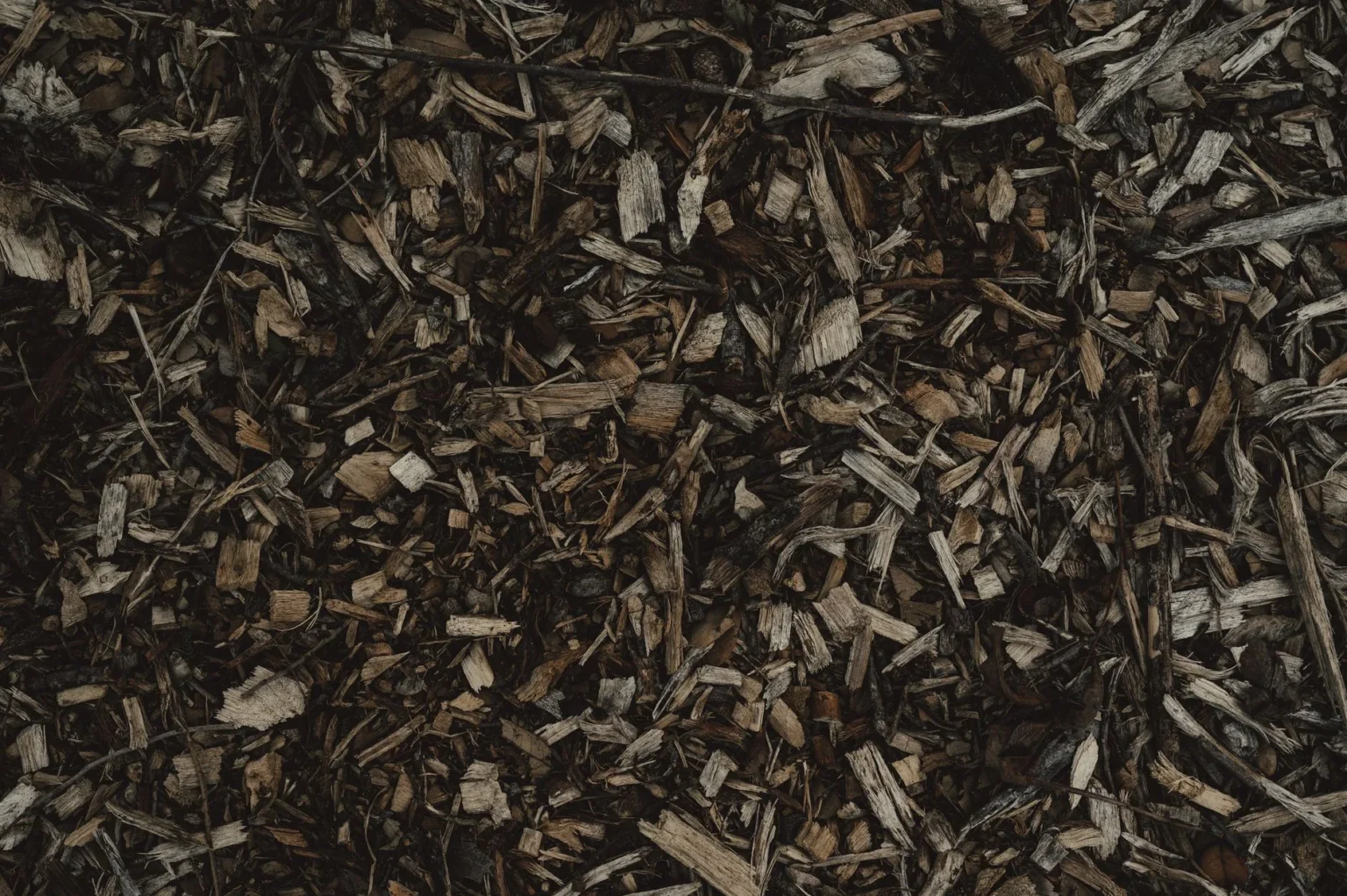
A homeowner can borrow the idea. Walk the lot with tape before the form is filled in, mark the trees that stay as well as the ones that go, and keep machinery, soil piles and brush outside the protected area. Chips from the cleared trees are a useful material, and a layer of mulch about 2 to 3 inches deep, kept off the trunk, helps the trees that remain.
Signs a stand needs protection before clearing
- Shallow roots running across the planned machine path
- Trunks leaning toward the side that will open
- Closely spaced trees that shelter each other
- Soil that stays wet long after rain
A lot that looks open after clearing is not always ready for planting or lawn. Soil that was driven over needs time and care, and a visit for tree maintenance soon after the work catches broken limbs and torn bark while they are still easy to fix. Where a leaning tree now stands alone, a certified arborist should look at it before the next storm.
Protecting Haworth Trees Through Winter and Into Spring
Late fall is a practical time to plan clearing in Haworth. Bare crowns show dead limbs and cracks, the application needs ten business days, and the ISA new tree planting brochure says the dormant season, in the fall after leaf drop or in early spring before bud break, is the ideal time to plant. A permit filed now can line up with an early spring planting.
The commission has put numbers on what is at stake. Its 2024 inventory tagged 660 trees in 12 green spaces, recorded 75 types of trees with oaks at about 25 percent and maples at about 15 percent, and found about 70 percent of the trees in good condition. Its community forestry plan sets a goal of planting 100 trees and 350 in total over time, and the report notes an 18 tree planting in the fall of 2024. Each replacement tree on a private lot adds to the same canopy.
Our crews are ISA Certified Arborists and New Jersey Certified Tree Experts. Call Reliable Tree Service at (201) 943-4141 to talk through land clearing in Haworth, and we will help sort which trees go and which stay. Stumps left after the work can be handled by our stump grinding service.
Related Articles

Tree Removal in Harrington Park NJ: Borough Permits, Replacement and Hazard Trees
The Harrington Park tree ordinance asks owners to apply before removing a tree and to replace it by size. This guide covers tree removal in Harrington Park, from the application to hazard trees, stumps and replanting.
Tree Pest Management in Old Tappan NJ: Lanternfly Egg Masses and Borough Shade Trees
Old Tappan’s Shade Tree Advisory page asks owners to get Borough permission before spraying or pruning a shade tree. This guide covers tree pest management in Old Tappan, from spotted lanternfly egg masses to tree of heaven and who to call.
Tree Maintenance in Wallington NJ: Winter Prep Under the Borough Tree Rules
Wallington counts overmulching, excessive pruning and soil compaction as tree removal under its borough code. This guide covers tree maintenance in Wallington, from mulch and pruning cuts to winter inspections and hazard trees.
Stump Grinding in Norwood NJ: Borough Permits, 811 Calls and Replanting
A removed tree leaves a stump, and in Norwood the company that grinds it has to be registered with the borough. This guide covers stump grinding in Norwood, from permits and 811 marks to what to do with the hole afterward.
Tree Risk Evaluation in Maywood NJ: Shade Tree Commission, Hazard Trees and Fines
A tree does not need to be leaning to be a risk, and the borough has its own rules for trees along the street. This guide covers tree risk evaluation in Maywood, from the defects an arborist checks to Chapter 94 of the borough code.
Tree Feeding in Northvale NJ: Soil Tests, Mulch Depth and the Borough Tree Ordinance
A tree that looks tired is not always hungry, and the cause is often in the soil or the mulch. This guide covers tree feeding in Northvale, from the soil test to the borough tree removal ordinance.