Table of Contents
Tree Care in Norwood, NJ
Norwood is a borough in Bergen County, set off from Harrington Township in 1905. According to Wikipedia it covers about 2.8 square miles, counted 5,641 residents in the 2020 census and borders Alpine, Closter, Harrington Park, Northvale, Old Tappan and Rockleigh. On lots of that size a removed tree rarely leaves an empty yard. It leaves a stump, and the stump has to be dealt with before anything else can happen on that spot.
Stump grinding is the usual answer. A grinder cuts the stump into chips below the soil line, so the lawn, the patio or the new planting can go back where the tree stood. This guide covers stump grinding in Norwood: how the work is done, what the borough code asks of tree companies and owners, and what to do with the hole afterward.
We read the Norwood code on eCode360 (Chapter 221, Trees and Chapter 202, Streets and Sidewalks), the University of Illinois Extension guide to tree stump removal, a Purdue Extension note on planting over a removed stump, the PSE&G call before you dig page and the New Jersey Board of Tree Experts consumer page on November 14, 2026. Rules change, so confirm each detail with the Borough Clerk.
Reliable Tree Service is family owned since 1960 and works across Hudson and Bergen counties from Cliffside Park. Many of our stump jobs follow a removal, and the best results come when the removal and the grinding are planned together, so the crew knows the depth, the access and the finished grade before the first cut. Our stump grinding visits start with that plan.
Norwood owners can read how nearby boroughs handle the same questions in our guides to tree feeding in Northvale and stump grinding in Emerson. Our Norwood tree care articles page collects the local guides we write for the borough.
How Stump Grinding Works and What It Leaves Behind
The Illinois Extension guide describes grinding as one of several ways to remove a stump, alongside hand digging, pulling with heavy equipment, chemical treatment and simply waiting for decay. It notes that many tree companies offer grinding as an add on when they remove a tree, and that grinders can reach different depths, from flush with the soil line to more than a foot down. Deeper grinding costs more and leaves a larger hole.
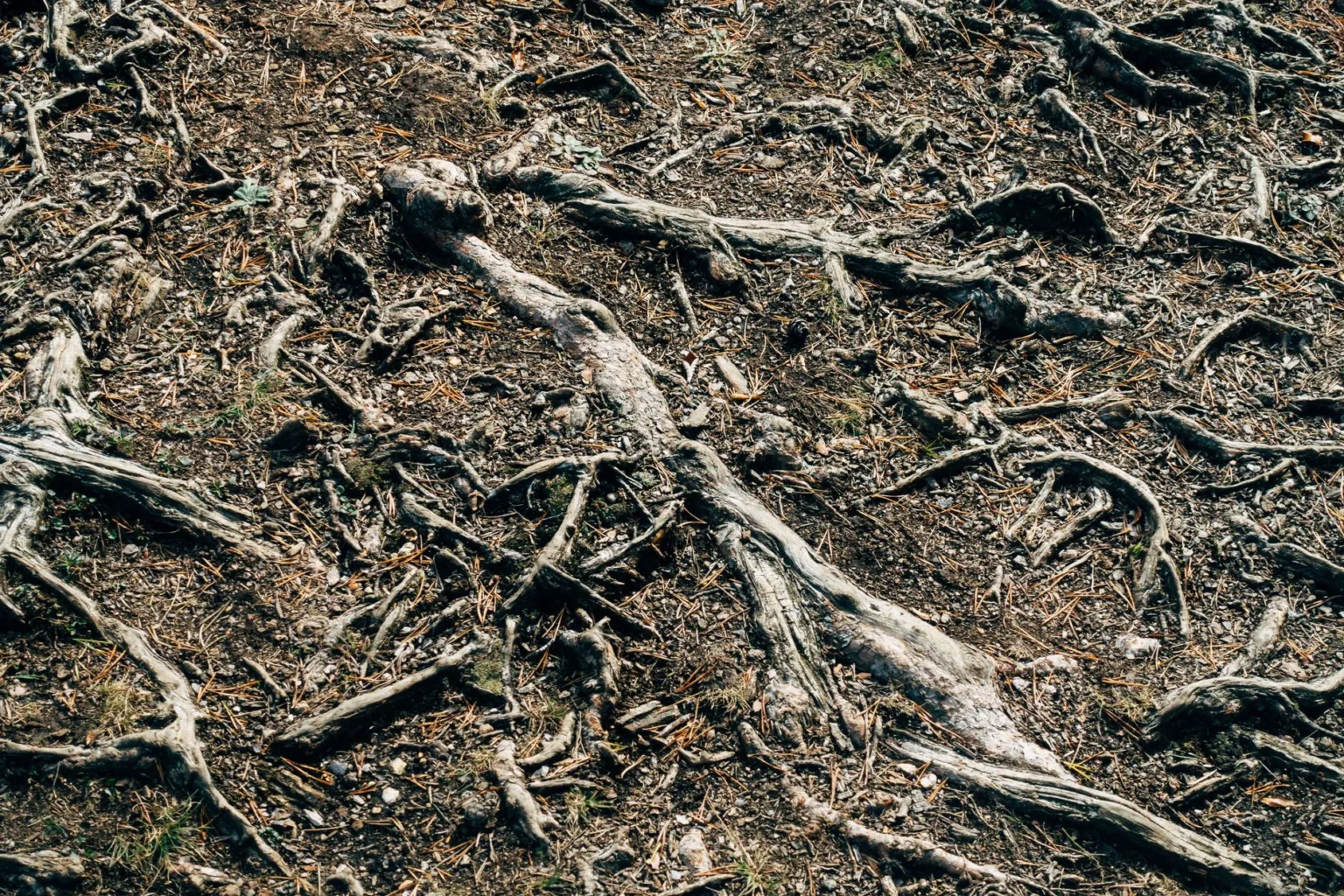
That depth is the first decision on any job. A stump ground flush is enough for a lawn that will be mowed over, and a deeper cut suits a spot where a new tree or a shrub bed is planned. The depth also decides how much root is cut. Large roots that run out from the stump are usually ground only as far as the machine can reach, and the rest is left to rot in place.
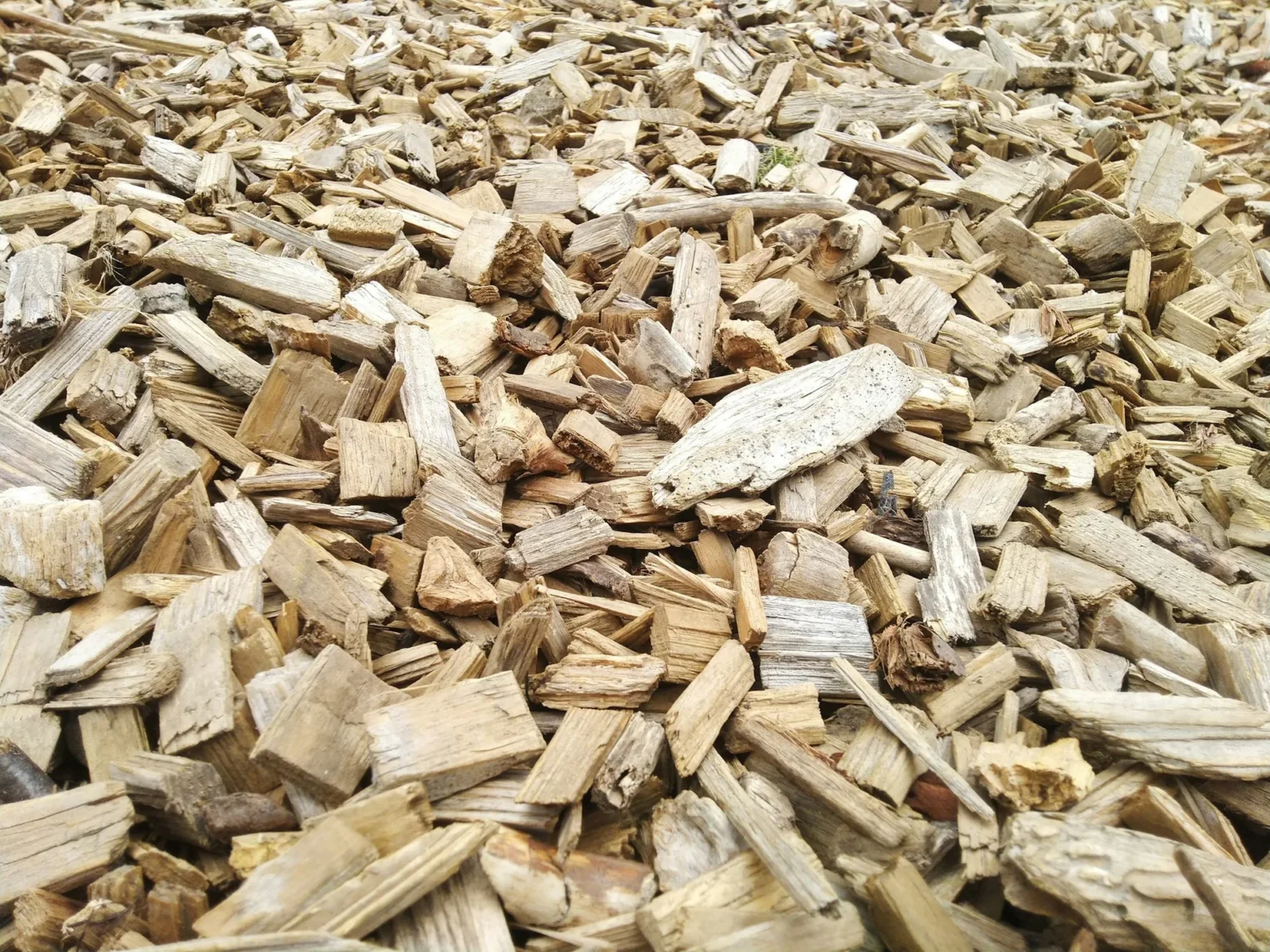
The grinder leaves chips, and the chips mix into the surrounding soil as the blade works. The same guide warns that wood mixed into soil can tie up nitrogen as it breaks down, which can make it hard to grow grass or other plants where the tree stood. That is the reason a ground stump should be finished as a planting site and not just left as a pile of mulch.
The guide also says hand digging works best on small stumps, up to about a six inch trunk. Anything larger than that is a machine job, and a stump from a mature shade tree is a large machine job. We size the grinder to the stump, the gate and the yard, since a narrow side yard in a borough like Norwood often limits the equipment more than the stump does.
What we settle before stump grinding in Norwood
- Depth the owner wants for the next planting
- Whether chips stay or leave the property
- Access through gates, fences and side yards
- Roots near the stump that reach pipes or walks
Those four points go on the estimate in plain words, so the finished spot matches what the owner expected. If the tree is still standing, our tree removal crews can take it down and grind the stump in the same visit.
Edward Hufnagel, who owns Reliable Tree Service, puts it this way: “A stump is the part of the tree you can see, and the roots under the lawn are the rest of the job. Decide what you want growing there next, and the depth of the work follows from that.”
Norwood Borough Rules for Tree Care Companies
Norwood regulates the people who do the work, not just the trees. Chapter 221, Article II of the borough code says no one may provide tree care services to another person in the borough without filing a registration application with the Borough Clerk’s office and obtaining a permit confirming the registration. The definition of tree care operator services names tree pruning, tree removal, and stump grinding or removal, so a stump grinding company falls squarely under the rule. Property owners do not need to register to work on their own property.
The registration rests on state licensing. An applicant who is licensed under the New Jersey Tree Experts and Tree Care Operators Licensing Act and carries the required liability insurance receives a registration certificate from the Clerk. Registrations expire on December 31 of each year, and the fee is $25 per calendar year with no proration. The permit, or a signed copy, must be in the hands of the person doing the work.
The same article sets working rules. The company providing the service is responsible for removing the debris, and debris may not be placed at the curb for collection or swept into any street. No tree care services may be performed in the borough on Sundays. A company that is convicted of violating the chapter or other borough ordinances, including those on dumping, noise or damage to roadways and curbing, must return its registration for that year and stop working in Norwood until a future registration is issued.
Street trees follow a second set of rules. Chapter 202, Article IV requires a permit from the Superintendent of Public Works before anyone cuts, removes or interferes with a root of a tree on a street, or excavates within six feet of one. The code defines a street broadly, to include borough parks and the land between the property lines and the right of way. The permit fee is $1 for each tree affected. A violation can bring a fine of $200 to $1,500 in Municipal Court, each day is a separate offense, and the judge may add a replacement assessment based on an appraisal of the tree.
Questions for the borough before work near a stump
- Is the stump on private land or a street
- Does the company hold a current registration
- Is a public works permit needed for roots
- Who removes the debris after the work
The first article of Chapter 221 adds a separate permit for clear cutting, which it defines as removing more than three trees or 20 percent of the trees on a lot in a calendar year, counting trees with a trunk of at least eight inches across at four and a half feet. A large removal that ends in several stumps can reach that limit, so ask the Clerk first. For bigger sites our land clearing planning starts with the borough check. The rules above are our reading of the code, so confirm them with the Clerk.
Underground Lines, Roots and Replanting
Stump grinding in Norwood happens below the surface, and the ground under a yard holds gas, water, electric and communication lines. The PSE&G page says to call 811 at least 3 and no more than 10 business days before digging so that underground pipes, wires and equipment are located and marked for free. It adds that mark outs should be done within three business days and that no one should begin digging before that time has passed.
The page also says to dig by hand within two feet of marked lines, and that mark out permission lapses after 45 business days, with digging to start within 10 business days of the original request. A stump near a service line, a fence post or a curb is a good reason to make that call before the machine arrives, and the owner and the crew should agree beforehand on who makes it.
Once the stump is gone, the Purdue Extension note gives practical advice for the spot. Grindings have a high carbon to nitrogen ratio, so they tie up nitrogen that new grass needs. The note suggests slow release turf fertilizer, regular moisture, and refilling the hole with soil, mounded a little high to make up for settling, because the ground sinks noticeably as the buried wood rots. It adds that decomposition can take several years unless the stump was ground very deeply or removed with an excavator.
Roots store energy, so shoots may appear near the old stump. Purdue says to treat them with a lawn herbicide at the label rate. The Illinois guide says to haul off the chipped debris and fill the hole with good topsoil if grass is the goal. For a new tree, a sensible course is to plant a few feet away from the old stump, where the soil has not been filled with wood.
Finishing a ground stump in Norwood
- Haul away chips from the top layer
- Refill with clean topsoil, mounded slightly high
- Feed new grass with slow release fertilizer
- Watch for shoots from leftover roots
Trees near the old stump deserve a look as well, since grinding and heavy equipment can disturb their roots. Our tree maintenance visits include a check of the root zone, and our guide to stump grinding in Hackensack covers a similar replanting plan for a city lot.
Protecting Norwood Trees This Winter
Good work on this topic comes down to a few habits. For stump grinding in Norwood, decide what the spot will be used for, ask the Borough Clerk whether the stump sits on private land or a street, hire a registered company, and make sure the underground lines are marked before the grinder starts. The New Jersey Board of Tree Experts advises hiring a registered tree care business that employs a licensed person, and asking to see the registration, proof of insurance and the license number.
Our crews are ISA Certified Arborists and New Jersey Certified Tree Experts. Call Reliable Tree Service at (201) 943-4141 to have a Norwood stump looked at before winter. We are family owned since 1960, and the visit ends with a written plan for the depth, the debris and the finished ground.
If a nearby tree worries you more than the stump, our storm proofing and repair work can be planned on the same visit, so the yard is safer for the winter wind and snow ahead.
Related Articles

Tree Risk Evaluation in Maywood NJ: Shade Tree Commission, Hazard Trees and Fines
A tree does not need to be leaning to be a risk, and the borough has its own rules for trees along the street. This guide covers tree risk evaluation in Maywood, from the defects an arborist checks to Chapter 94 of the borough code.
Tree Feeding in Northvale NJ: Soil Tests, Mulch Depth and the Borough Tree Ordinance
A tree that looks tired is not always hungry, and the cause is often in the soil or the mulch. This guide covers tree feeding in Northvale, from the soil test to the borough tree removal ordinance.
Tree Trimming in Bogota NJ: Commission Permits, Excessive Pruning and Fines
Bogota requires the written permit of its environmental commission before anyone cuts or climbs a street tree. This guide covers tree trimming in Bogota, from that permit and the open ground rule to the code that counts excessive pruning as removal.
Tree Pruning in Midland Park NJ: Street Tree Permits, Notices and Winter Timing
Midland Park requires a written permit before anyone prunes a tree on a public street or in a park. This guide covers tree pruning in Midland Park, from that permit and the dangerous tree notice to clean cuts and winter timing.
Tree Removal in Lyndhurst NJ: Permit Rules, Replacement Trees and Hazard Trees
Lyndhurst now asks for an application before most trees on private property come down. This guide covers tree removal in Lyndhurst: replacement rules, fees and the hazard tree exemption.
Tree Storm Proofing in Ridgefield NJ: Hazard Trees, Borough Rules and Wet Soil
Ridgefield sits in the Hackensack River floodplain, and its borough tree code spells out what an owner may do about a hazard tree. This guide covers tree storm proofing in Ridgefield: how storms and wet soil break trees, and which borough rules apply.