Table of Contents
Tree Care in New Milford, NJ
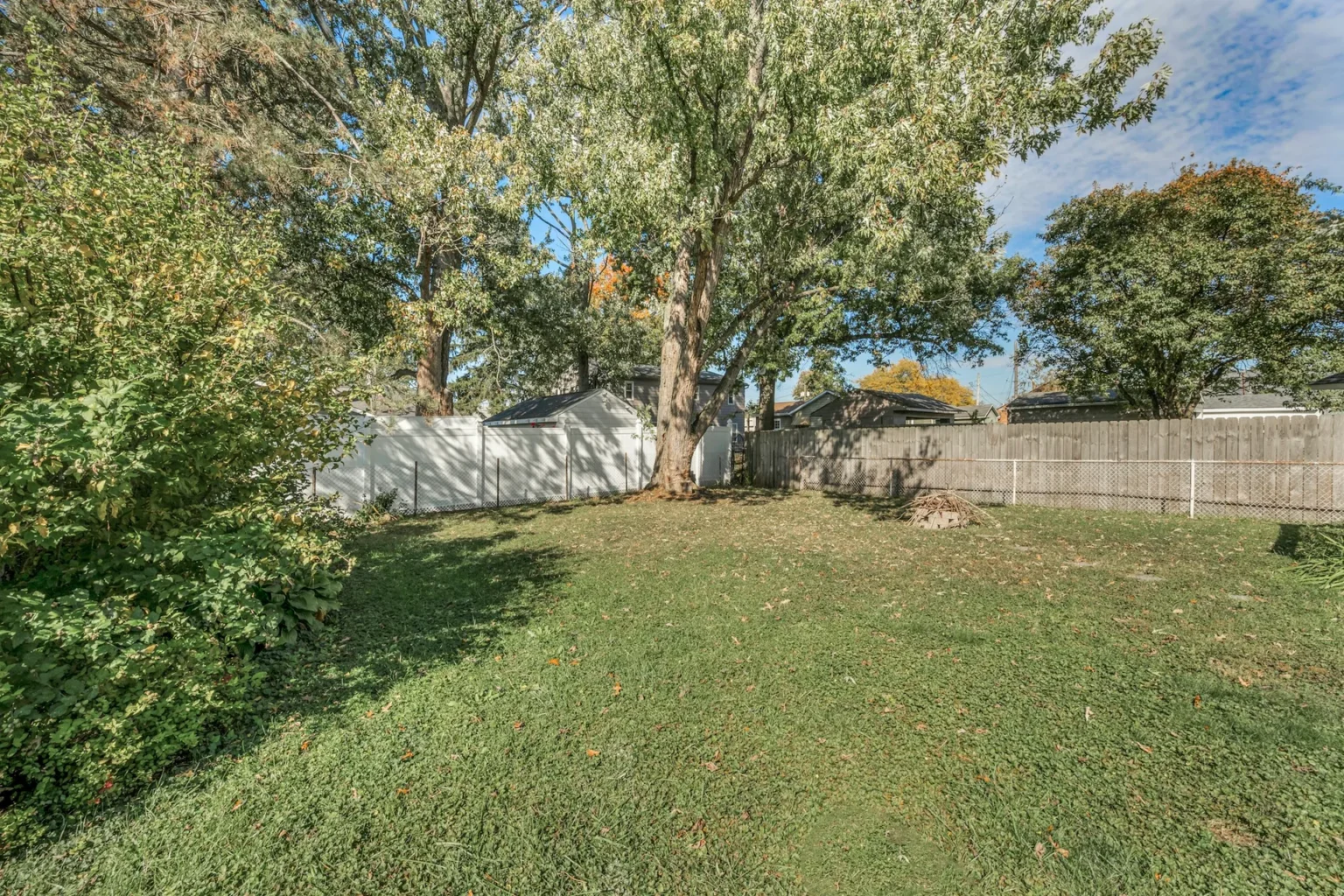
New Milford is a borough in Bergen County, and land clearing in New Milford is regulated more closely than most homeowners expect. According to Wikipedia, the borough was authorized on March 11, 1922, after a referendum on April 18, 1922, and it covers 2.32 square miles with 16,923 residents in the 2020 census. It borders Bergenfield, Dumont, Oradell, River Edge and Teaneck, and the Hackensack River runs along its edge. On a lot this small, every tree is close to a house, a fence or a neighbor.
The borough protects trees through Chapter 26A of its municipal code. The Shade Trees chapter was amended in its entirety on June 13, 2023 by Ordinance 2023:24, and it says its purpose is to regulate the removal of mature, healthy trees and to provide for their orderly replacement. The chapter sets rules for a single tree, for a lot being cleared, and for a developer.
This guide explains what the chapter says about clearing, what to ask before any cutting starts, and how to protect the trees you keep. We read the sources linked below on November 6, 2026. Rules change, so confirm the current requirement with the borough before work begins. Reliable Tree Service has been family owned since 1960 and works across Hudson and Bergen counties from Cliffside Park.
Our approach to a clearing job starts on foot. We walk the lot with the owner, name each tree, and sort them into three groups: trees that must go, trees that can stay if they are protected, and trees that need a closer look from a certified arborist. That sorting is what keeps a project inside the borough rules and keeps the best trees standing.
The full service is described on our land clearing page, and the cutting itself falls under tree removal services. Nearby boroughs have their own versions of these rules, as our guides to land clearing in Englewood and tree removal in Dumont show.
Regulated Trees, Permits and the One Tree a Year Rule
The first thing to know is the definition of a regulated tree. The ordinance says a regulated tree is a deciduous or coniferous tree that has reached at least 20 feet in height or a diameter of at least four inches measured 4.5 feet above the ground, which the code calls diameter breast height. A woody plant below four inches is treated as a stem, and a tree at or above it is treated as a tree. A fence line hedge, a volunteer maple or a backyard spruce can all qualify, so a clearing plan has to start with a count.
The second thing is that the word removal is wider than cutting. The code defines tree removal to include causing irreparable damage that leads to decline or death, and it lists excessive pruning, toxic substances, improper grading and soil compaction around the base of the tree. In practice a tree that is left standing but buried under fill or run over by a loader can count as removed.
For ordinary yard trees the rule is a permit, issued by the Borough Arborist or, in the arborist’s absence, the Director of Public Works. The ordinance says a decision comes within seven business days of a completed application. Each property owner may remove one regulated tree per calendar year. With good cause, up to two more may be allowed, and each extra tree must be replaced on a one for one basis, either by planting or by a donation to the Shade Tree Commission tree replacement fund of no more than $350 per tree. The application fee is $25, with $5 more for each additional tree.
The permit has to be displayed so that it can be seen from the nearest public street until the work is finished and approved. The ordinance also covers cranes. Removal that needs a crane is subject to an additional crane permit application, and abutting owners get notice at least 72 hours ahead except in an emergency. The code states that private trees may not be removed without a borough permit, and that pruning of private trees that needs a licensed tree expert or tree care operator requires a pruning permit.
land clearing in New Milford: questions to settle before a permit application
- Count every tree at or above four inches across
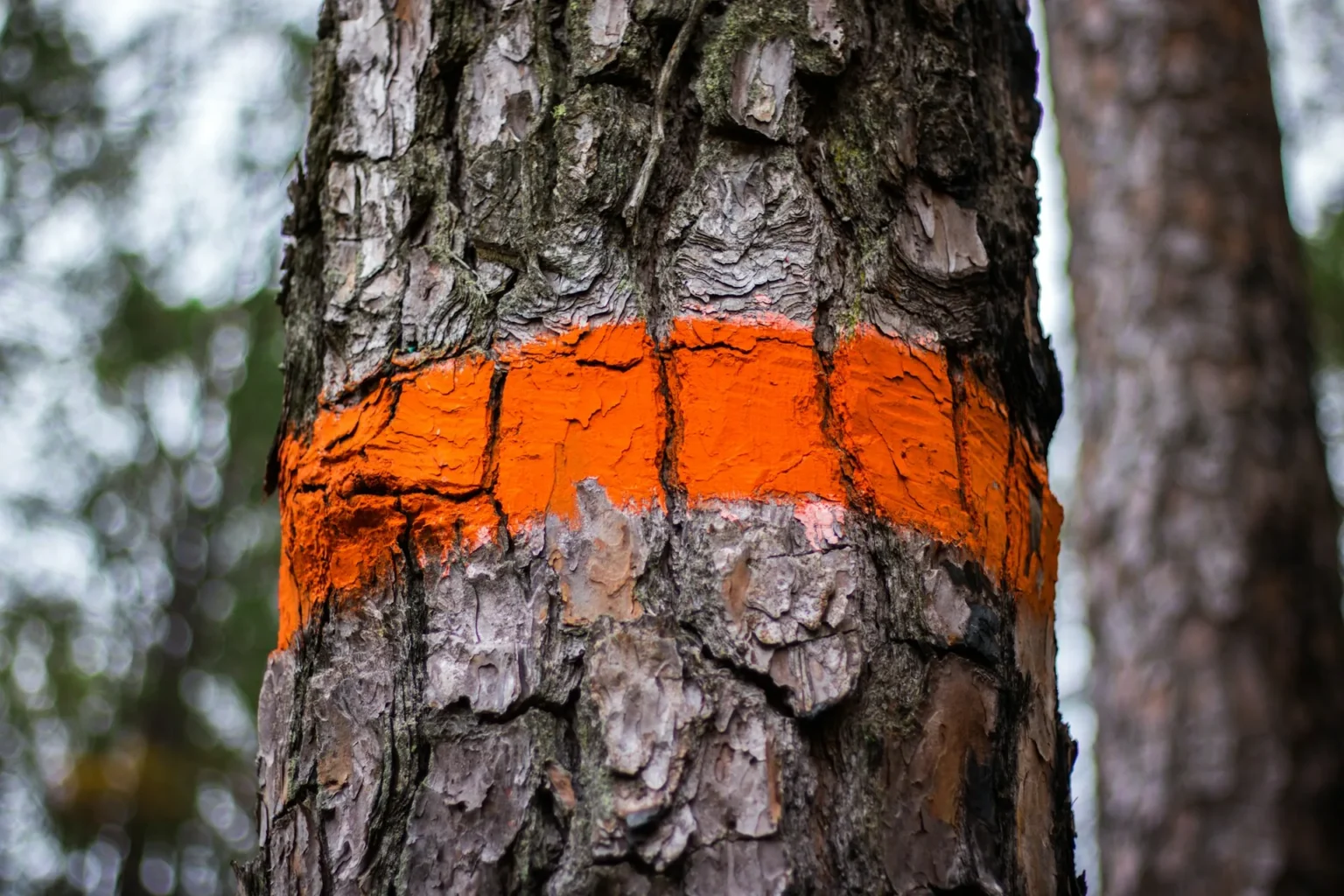
- Mark which trees stay and which trees go
- Note any tree that needs a crane
- Confirm the owner, the lot and the contractor details
Edward Hufnagel, who owns Reliable Tree Service, puts it this way: “Clearing a lot is not the same as clearing a tree. We decide what stays before the first cut is made, because a tree that is left standing has to survive everything that happens around it.”
Clear Cutting, Management Plans and Replacement Trees
Clear cutting has its own definition in Chapter 26A. The ordinance defines it as the removal of all standing trees on a lot or on a portion of a lot, and it separates it from thinning, selective cutting and an aesthetic improvement cut. A homeowner who wants a lot opened up for a pool, a driveway or a rebuilt house is usually describing one of these four things, and the permit application asks which one applies.
Larger projects go through a management plan. The code requires one for a subdivision, a site plan, a planned unit development, a multi residential development or a new single family residence lot. The plan shows roads, lots, improvements and existing trees, along with which trees will be removed, which will remain and which will be replaced. The Planning Board acts on the application within 45 days, and it refers the plan to the Shade Tree Commission for a report.
The criteria for approval are specific. Trees within seven feet around the perimeter of a building, driveway, drainage field, septic tank or recreation area such as a pool may be removed. The ordinance says there is to be no clear cutting on slopes of 10 percent or greater, though selective cutting and thinning are allowed, and no clear cutting in major subdivisions where the lots are one acre or smaller unless otherwise permitted. It also says the goal of the borough is to maintain aesthetic values, preserve privacy and maintain drainage control.
Replacement is scaled to the size of the tree. The ordinance table calls for one replacement tree for a removed tree from four to under 12 inches across, two from 12 to under 18, three from 18 to under 24 and four from 24 to under 36. Anything over 12 inches must be replaced with a major tree, which the code defines as a nursery grown, balled and burlapped deciduous tree from an approved list. The applicant gives a two year survival guarantee, and a dead or dying replacement has to be replaced within six months. Where planting is impractical, a contribution to the tree fund can be authorized, and it can never be less than $350 for each required replacement.
What a management plan shows the borough
- Street address, tax map lot and block, and acreage
- Species and location of each tree four inches or larger
- Streams, watercourses and slopes above 10 percent
- Replanting proposals and the type of removal project
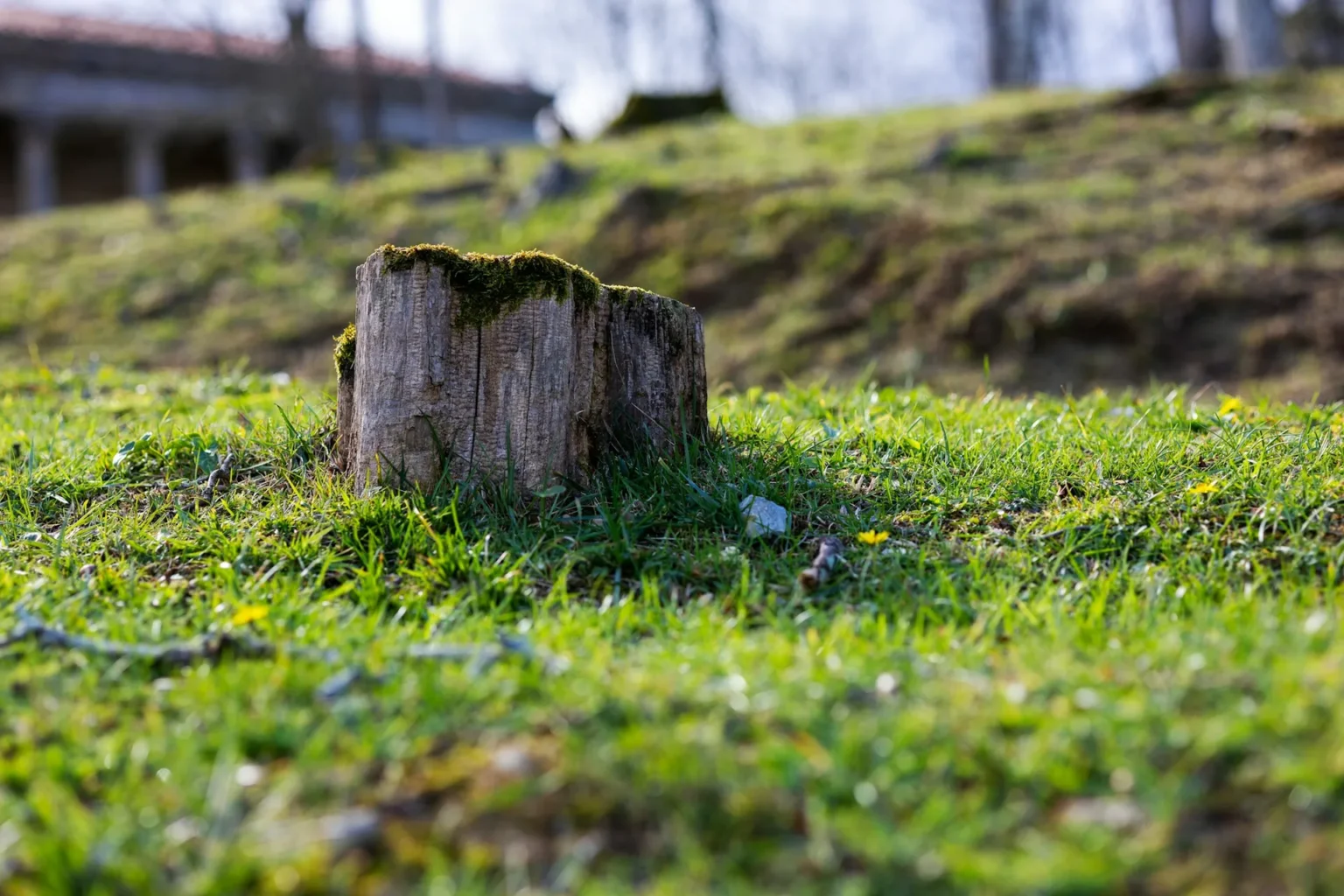
Cut material has a rule too. The code says toppings and slash from the felling of individual trees must be removed from the site for disposal. If a stump is left behind, stump grinding handles it without opening up more ground than needed, and the borough’s soil and root rules still apply to the work.
Protecting Roots and Soil on a Cleared Lot
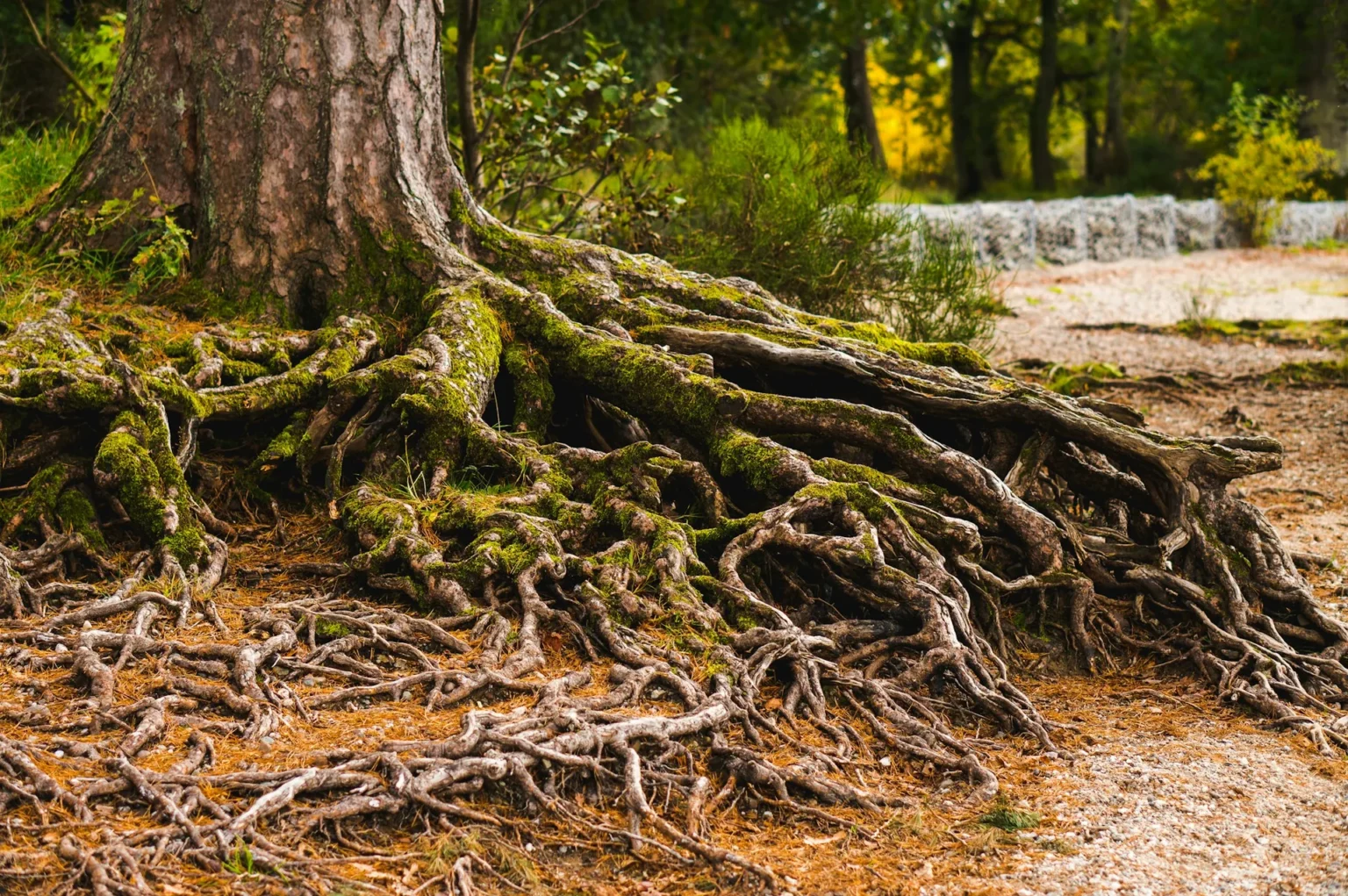
A cleared lot is a hard place for the trees that remain. The International Society of Arboriculture explains in its brochure on avoiding tree damage during construction that a root system can extend horizontally one to three times the height of the tree, that digging, grading and trenching can cut roots, and that cutting close to the trunk can limit a tree’s ability to stay upright in storms. The brochure is a 2011 edition, so we use it for its general method and not for any local rule.
Soil is the second risk. The brochure notes that most fine absorbing roots sit in the upper 6 to 12 inches of soil, and that even a few inches of added soil over the root system can smother them. Rutgers Cooperative Extension makes a matching point in its fact sheet on soil compaction. It says compaction can occur during construction from repeated operation of heavy machinery, especially when the soil is wet, and that compacted soil limits water, nutrients and gas exchange and favors root rot organisms.
Exposure is the third. The ISA brochure says removing neighboring trees exposes the remaining ones to more sunlight and wind, which can lead to sunscald or limb breakage. A tree that stood safely inside a grove of neighbors may behave differently once the neighbors are gone. In a borough that sits beside the Hackensack River, which Wikipedia says crested almost six feet above flood stage during Hurricane Irene in August 2011, the ordinance’s list of tree benefits, including controlling drainage and reducing stormwater runoff, is more than a line of boilerplate.
The borough code asks for care near trees as well. Section 26A-7 requires anyone doing construction or similar work near a tree to use best efforts to protect it, and the permit section bars closing off the open space about the base of a tree. The ISA brochure gives a practical rule of thumb, which is to place sturdy fencing about one foot from the trunk for each inch of trunk diameter, keep it intact and keep the fenced area clear of materials and soil.
Protecting the trees that stay
- Fence each tree at one foot per trunk inch
- Keep soil, debris and materials out of the fence
- Limit machine routes to one marked access path
- Have an arborist check trees after the work ends
After heavy work, our tree maintenance visits and storm proofing and repair work help a stressed tree recover, and our guide to fall root care in River Edge covers mulch and leaf cleanup for the same kind of lot.
Protecting New Milford Trees Through a Clearing Project
Land clearing in New Milford comes down to a few habits. Count the trees, ask the borough which permit applies, protect the roots of the trees that stay, and keep the paperwork where it can be seen. The ordinance backs those habits with real consequences, since the fine for a violation can reach $2,000 and each tree removed or injured counts as a separate violation. It also lets the borough require the owner to remove a threatening tree within 30 days of written notice, at the owner’s expense. Our other local guides are in the New Milford tree care articles section.
We are family owned since 1960, and we will tell you plainly whether a lot needs clearing, selective cutting or only careful pruning. The New Jersey Board of Tree Experts says every company hiring itself out for tree care must have at least one licensed person, and the borough application asks for the contractor’s license number. Our crews are ISA Certified Arborists and New Jersey Certified Tree Experts. Call Reliable Tree Service at (201) 943-4141 to schedule an inspection, or read more about our land clearing services.
Related Articles

Tree Pest Management in Hillsdale NJ: Lanternfly Egg Masses, Ash Borers, Borough Rules
Hillsdale treats an insect infestation as a reason a tree may come down and keeps invasive species treatment out of its removal rules. This guide covers tree pest management in Hillsdale, from lanternfly egg masses to the signs of ash borers.
Tree Maintenance in Hasbrouck Heights NJ: Root Zones, Mulch, and Borough Rules
Hasbrouck Heights counts over mulching and root zone compaction as tree removal in its borough ordinance. This guide covers tree maintenance in Hasbrouck Heights, from the root radius and mulch depth to the yearly inspection.
Tree Trimming in River Vale NJ: Right of Way Limbs, Topping Rules, and Timing
River Vale now holds owners responsible for street trees next to their property, and a permit covers any limb six inches or more across. This guide covers tree trimming in River Vale, from the ordinance to the topping rule and timing.
Stump Grinding in Emerson NJ: Street Tree Permits, Root Rules, and Replanting
Emerson asks for borough approval before anyone cuts roots or removes soil near a street tree, and the stump is the last step of any removal. This guide covers stump grinding in Emerson, from permits and root rules to wood chips and replanting.
Tree Storm Proofing in Saddle Brook NJ: Hazard Trees, Root Zones and Township Rules
Saddle Brook defines a hazard tree in its written tree ordinance and leaves hazard trees free of fees and replacement duty. This guide covers defects to check once the leaves drop, root zone care and replacement rules.
Tree Removal in Dumont NJ: Borough Permit, $25 Fee, and Commission Inspection
Dumont requires a permit before any tree can be removed in the Borough, with a Shade Tree Commission inspection before work begins. This guide covers tree removal in Dumont, from the paperwork and fee to hazard signs, Borough owned trees and replanting.