
Table of Contents
Tree Care in Englewood, NJ
Englewood is a city of 4.95 square miles in Bergen County, and according to Wikipedia it was incorporated on March 17, 1899. It holds the 150 acre Flat Rock Brook nature preserve and a long list of older neighborhoods with large trees. That mix shapes land clearing in Englewood. Before a lot can be opened up for a house, a garage, a pool, or a cleaner yard, someone has to decide which trees go, which trees stay, and what paperwork covers both.
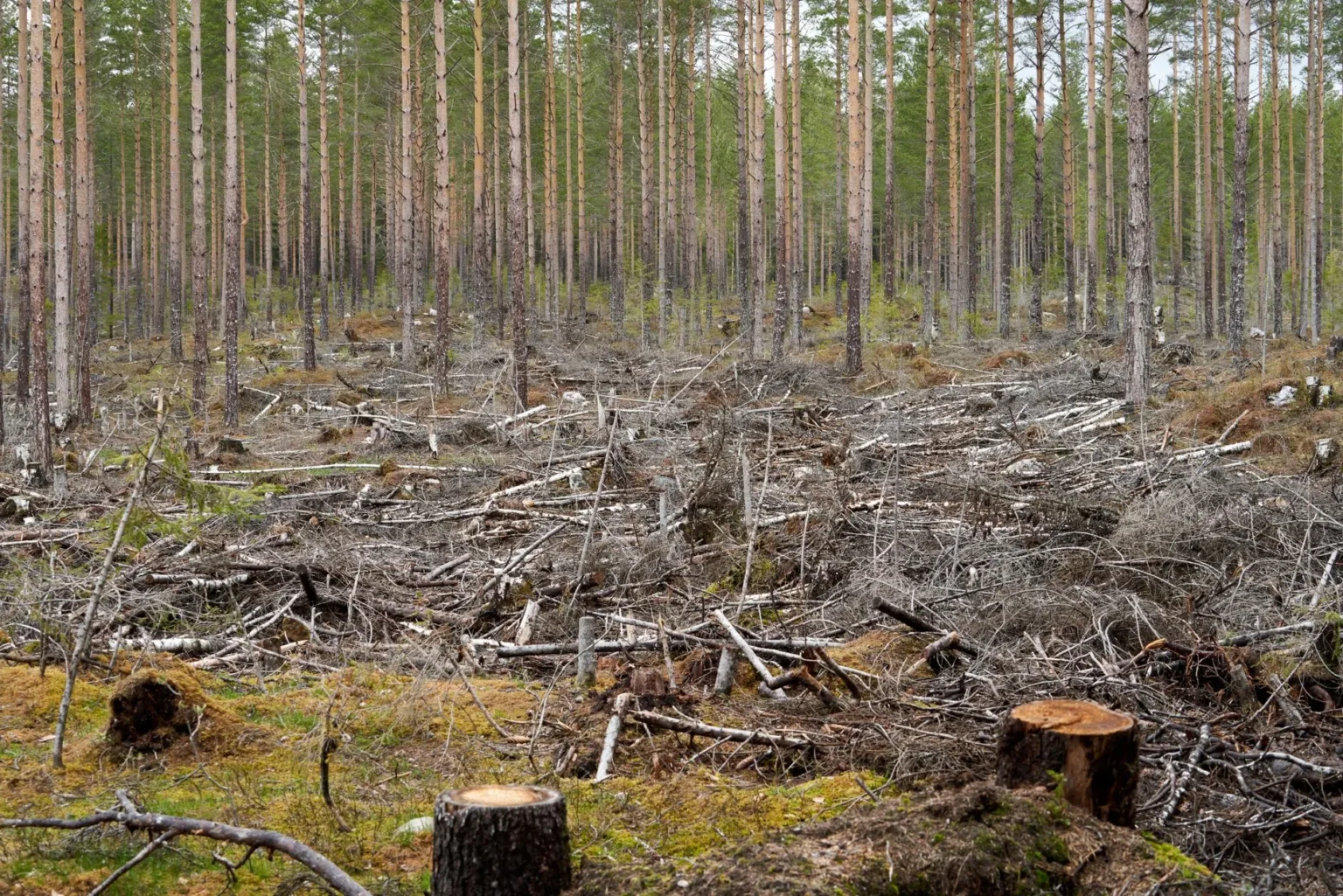
Land clearing is more than cutting. It means removing trees, brush, stumps, and debris so a site can be used, and every step of it can hurt the trees you want to keep. Heavy machines pack the soil over roots, a regrade buries a root collar, and a pile of fill near a trunk can slowly smother a healthy maple. The city knows this, and its tree chapter defines removal broadly enough to cover all of it.
This guide explains what the Englewood tree ordinance counts as a regulated tree, when a permit or a permit waiver applies, how replacement trees are counted, and how to protect the roots of the trees that remain. Reliable Tree Service has been family owned since 1960 and works across Hudson and Bergen counties from Cliffside Park. Confirm every rule with the City Engineer before you schedule work, since ordinances change.
The tree rules are in Chapter 425 of the city code. The Englewood tree chapter on eCode360 says it was adopted on June 13, 2017 as Ordinance 17-04 and amended in its entirety on October 17, 2017 as Ordinance 17-12. That is the text we read for this article. Treat the dates as a reminder to ask the city for the current version, because a later amendment may have changed a number or a form.
The Flat Rock Brook Nature Center describes its preserve as an oak hickory forest, with oak, hickory, ash, birch, maple, and beech among its trees. Oaks and maples are familiar yard trees across northern New Jersey too, and they are the kind of large, long lived trees the city wants kept when a lot is reworked. Our land clearing page explains the work in general terms. The next sections take the permit first, then the replacement rules, then the roots.
Land Clearing in Englewood Starts With the Regulated Tree Test
The ordinance does not regulate every tree. It defines a regulated tree as a deciduous or coniferous tree that has reached at least 30 feet in height or a diameter of at least 8 inches before any pruning or limb removal. The diameter is taken at what the code calls the point of measurement, which is six inches above ground level on the downhill side of the trunk. That measurement differs from the chest height measurement used in many other towns, so a tape and a careful look at the slope matter.
Next comes the count. A project permit is required to remove three or more regulated trees within a five year period on any land in the city. Removing fewer than three calls for a permit waiver instead. For a waiver the code asks for a letter on the tree remover’s letterhead, sent to the City Engineer’s office, that lists the number, size, and species of the trees and the reason for removal. Land clearing in Englewood often crosses the three tree line quickly, since a single back yard can hold several qualifying trees.
A project permit application is a larger package. It asks for the owner and applicant, the block and lot, the reason for removal, the number, caliper, and species of each tree, the proposed start and finish dates, a written replanting statement, and a replacement plan. It also asks for the tree expert and tree care operator license under New Jersey law and a cash performance bond. Each tree to be removed gets a one inch ribbon at about four feet above ground so the city can inspect it. When more than two regulated trees are removed in five years, adjacent owners must be notified in writing and owners within 200 feet must be alerted.
The City Engineer has 30 calendar days from a completed application to grant, condition, or deny the permit, and silence counts as a denial. The code lists exemptions, among them commercial nurseries, utility pruning in the right of way, trees removed by the city, city parkland and Flat Rock Brook, municipal projects, and emergency removals. An emergency removal still needs a permit and a replacement plan within seven days. Tree work on a street or public highway is a separate matter that needs its own City Engineer permit under the code.
Questions to answer before any tree comes down
- Measure each trunk six inches above the ground
- Count regulated trees removed in the past five years
- Decide whether a permit or a waiver applies
- Confirm the contractor holds the state license
That last point is not only a city rule. The New Jersey Board of Tree Experts says it is now mandatory to hire a tree care business registered with the state, and it urges homeowners to ask for the company’s registration, its insurance, and the name and license number of the licensed person. Our tree removal team can walk the lot with you and mark what the permit will cover. Edward Hufnagel, who owns Reliable Tree Service, puts it this way: “Clearing a lot is not the same as cutting trees. The trees you keep decide whether the job was done well, so look after their roots before you look at their branches.”
Replacement Trees, Fees, and Penalties Under the City Code
Replacement is where the paperwork turns into trees in the ground. The code asks for replacement trees of at least 3 and a half inches in diameter, planted on the property where the trees came down or in a spot the city arborist chooses. The number depends on the size of each tree removed. One removed tree from 8 to under 12 inches gets one replacement, 12 to under 18 inches gets two, 18 to under 24 inches gets three, and 24 to under 36 inches gets four. A tree of 36 inches or more needs at least six, set in consultation with the City Engineer.
Tree size also decides the type of replacement. Any removed tree larger than 12 inches must be replaced by what the code calls a major tree, a nursery grown, balled and burlapped deciduous tree that will reach at least 50 feet. The approved lists name red maple, sugar maple, white oak, pin oak, red oak, London plane, American sycamore, sweet gum, American elm, and copper beech among the major trees. A replacement must also come from the same group as the removed tree, so a deciduous tree is replaced by a deciduous tree.
Timing and follow up are written into the code. Replacement trees must be planted within six months after the project ends, with a possible extension of up to three months for reasons such as weather. The applicant gives a two year survival guarantee, and a dead or dying replacement must be replaced within six months. The city can allow a contribution to the Environmental Commission Tree Fund instead of planting on site. That contribution may not be less than $300 per required replacement, and the code also sets an escrow of $250 per replacement tree.
The penalties explain why the process deserves attention. The code sets a fine of $1,000 per tree over the permitted number, or up to 90 days in jail, or both. When three or more trees were removed without a permit and nobody knows how many, the city may estimate the number by assuming regulated trees stood 30 feet apart. It may also charge a replacement assessment based on an appraisal of the removed tree. Good records of what stood on the lot before clearing protect you if a question arises later.
What a replacement plan has to show
- A site plan with every existing tree marked
- Streams and slopes steeper than 10 percent
- Species chosen from the city approved list
- Soil erosion and sediment control measures
A plan like that is easier to write when someone has already counted and measured the trees. If part of the work is pruning to save a tree instead of removing it, our tree trimming and pruning page explains how we approach it, and our guide to land clearing rules in Oakland shows how another Bergen borough handles permits for the same kind of project.
Protecting Roots and Remaining Trees During Clearing
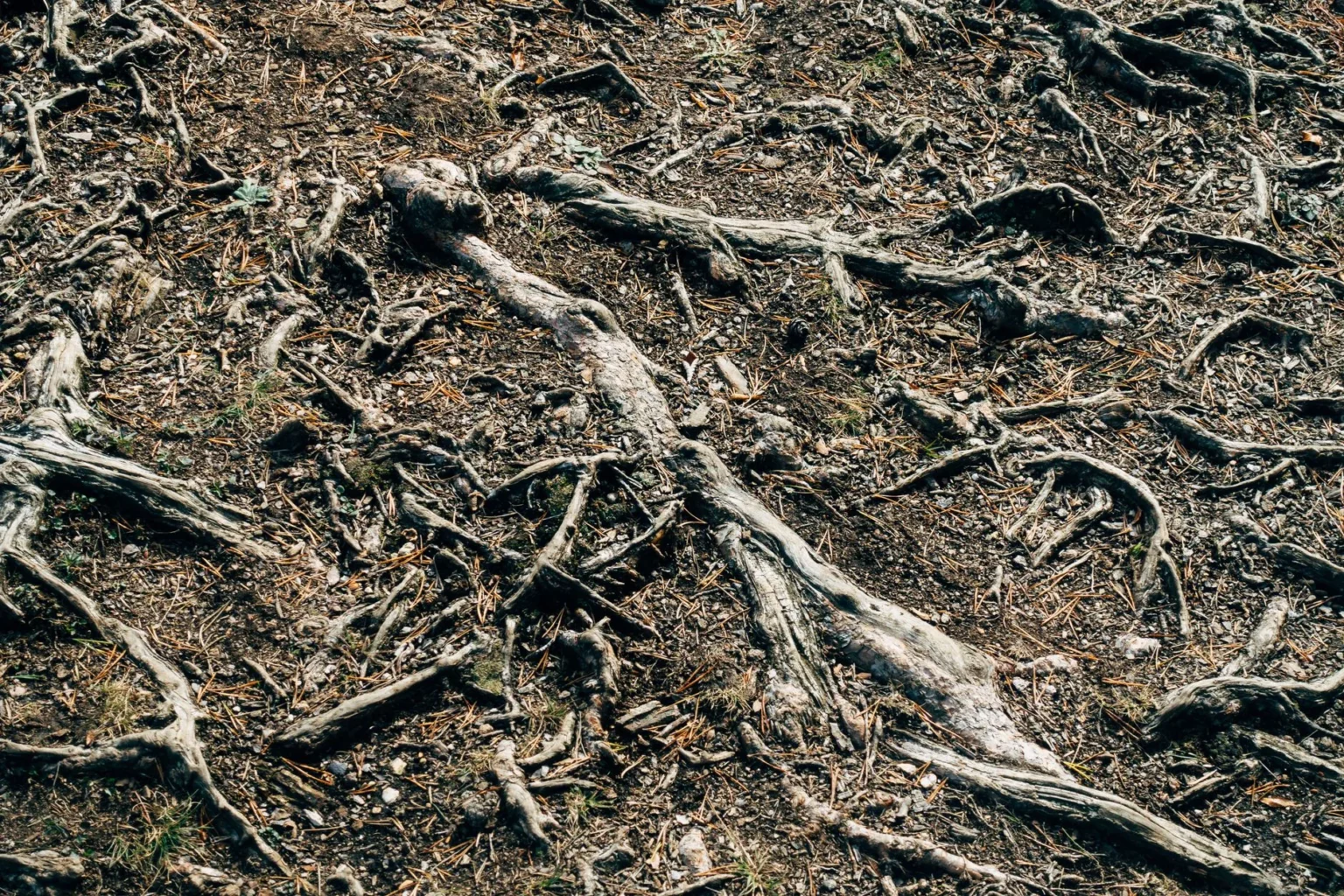
The ISA brochure on avoiding tree damage during construction explains why clearing often hurts the trees left standing. Grading, trenching, paving, and adding or removing soil within a tree’s critical root zone damages roots, and if too many roots are lost the tree declines. Heavy equipment compacts soil, which slows root growth and limits water and oxygen. Machines can also tear bark and wound the root collar, and fuel spills or concrete wash water can change soil chemistry. These injuries can take years to show.
The brochure adds a point that matters on a cleared lot. Closely spaced trees grow as a community, supporting and protecting each other. Taking out some of them can expose the remaining trees to sunscald or structural failure. That is why we look at the whole group before we decide what comes out. A tree that was sheltered by its neighbors for a long time may now stand in full wind and sun, and it may need pruning or a cable to cope with its new position.
The Englewood code backs this with a protection rule. During development or home improvement, a six foot protective fence must go around trees that are staying, at a distance of at least 10 feet from the trunk or at the drip line, whichever is greater. The fence stays until all construction activity ends. If a fence cannot go out to the drip line, the City Engineer may require a six inch layer of wood chips to reduce compaction. No equipment, chemicals, soil deposits, or construction materials may sit inside the protected area.
The ISA advises involving an ISA Certified Arborist from the planning phase to the end of the project, since small design changes such as moving a driveway or bridging a root with a footing can decide whether a tree survives. The brochure also notes that an arborist can prune roots cleanly ahead of trenching and can set up temporary irrigation after major root loss or during dry spells. After the fence comes down, the code asks that landscaping be done with light machinery or hand labor, so the soil is not packed again.
Protection steps on a cleared lot
- Fence staying trees before any machine arrives
- Keep fill and equipment outside the fence
- Spread wood chips where fencing cannot reach
- Check the trees again after the work ends
Stumps are the last loose end. Once the trees are down, our stump grinding crews can take stumps below grade without driving over the roots of the trees you kept, and our guide to tree removal rules in Park Ridge covers a similar replacement process nearby. A short walk through the yard a few weeks later will show you whether any remaining tree is thinning, leaning, or dropping leaves early.
Protecting Englewood Trees Through the Clearing Process
Land clearing in Englewood works best when the permit, the replacement plan, and the root protection are settled before the first tree comes down. The tree count, the measurements, and the species list all connect, and an ISA Certified Arborist can help you sort out the order. Our tree maintenance page explains how we look after the trees that stay once the machines leave.
Our crews are ISA Certified Arborists and New Jersey Certified Tree Experts, and we are glad to look at the lot and the plan with you. You can find our other local guides on one page of Englewood tree care articles. Call Reliable Tree Service at (201) 943-4141 to plan land clearing in Englewood. We are family owned since 1960, and we will explain the options in plain terms.
Related Articles

Tree Maintenance in Wallington NJ: Winter Prep Under the Borough Tree Rules
Wallington counts overmulching, excessive pruning and soil compaction as tree removal under its borough code. This guide covers tree maintenance in Wallington, from mulch and pruning cuts to winter inspections and hazard trees.
Stump Grinding in Norwood NJ: Borough Permits, 811 Calls and Replanting
A removed tree leaves a stump, and in Norwood the company that grinds it has to be registered with the borough. This guide covers stump grinding in Norwood, from permits and 811 marks to what to do with the hole afterward.
Tree Risk Evaluation in Maywood NJ: Shade Tree Commission, Hazard Trees and Fines
A tree does not need to be leaning to be a risk, and the borough has its own rules for trees along the street. This guide covers tree risk evaluation in Maywood, from the defects an arborist checks to Chapter 94 of the borough code.
Tree Feeding in Northvale NJ: Soil Tests, Mulch Depth and the Borough Tree Ordinance
A tree that looks tired is not always hungry, and the cause is often in the soil or the mulch. This guide covers tree feeding in Northvale, from the soil test to the borough tree removal ordinance.
Tree Trimming in Bogota NJ: Commission Permits, Excessive Pruning and Fines
Bogota requires the written permit of its environmental commission before anyone cuts or climbs a street tree. This guide covers tree trimming in Bogota, from that permit and the open ground rule to the code that counts excessive pruning as removal.
Tree Pruning in Midland Park NJ: Street Tree Permits, Notices and Winter Timing
Midland Park requires a written permit before anyone prunes a tree on a public street or in a park. This guide covers tree pruning in Midland Park, from that permit and the dangerous tree notice to clean cuts and winter timing.