Table of Contents
Tree Care in Bogota, NJ
Bogota is a borough in Bergen County on the east shore of the Hackensack River. According to Wikipedia it was incorporated on November 14, 1894, covers 0.80 square miles, and counted 8,778 residents in the 2020 census. It borders Hackensack, Ridgefield Park and Teaneck, and the CSX River Line divides the borough into an eastern half and a western half. On lots this tight, tree trimming in Bogota is rarely about a single tree. A limb over a roof is usually also over a driveway, a fence and a neighbor’s yard.
The borough code is clear about who decides what happens to a tree along the street. Chapter 15 of the Bogota code, titled Shade Trees, requires the written permit of the environmental commission before anyone cuts, breaks, climbs or injures a tree in a public highway, a park or a parking strip. Chapter 22 adds a tree removal and replacement section, adopted in April 2024, that treats excessive pruning as a form of removal. Both rules shape how a trimming job gets planned.
This guide explains what the two chapters ask of a homeowner, how a clean pruning cut differs from the cuts that harm a tree, and what to settle before a crew arrives. We read Chapter 15 and Chapter 22 of the borough code on eCode360, the International Society of Arboriculture pruning guidance, a Rutgers fact sheet on mulch and the New Jersey Board of Tree Experts consumer page on November 11, 2026. Rules change, so confirm each detail with Borough Hall before any cutting begins.
Reliable Tree Service is family owned since 1960 and works across Hudson and Bergen counties from Cliffside Park. A small borough like Bogota shows why trimming is a planning job and not just a cutting job. Street trees stand a few feet from the curb, roots run under sidewalks and driveways, and overhead wires cross many front yards. A cut that looks harmless from the ground can change how a tree carries its weight for the rest of its life.
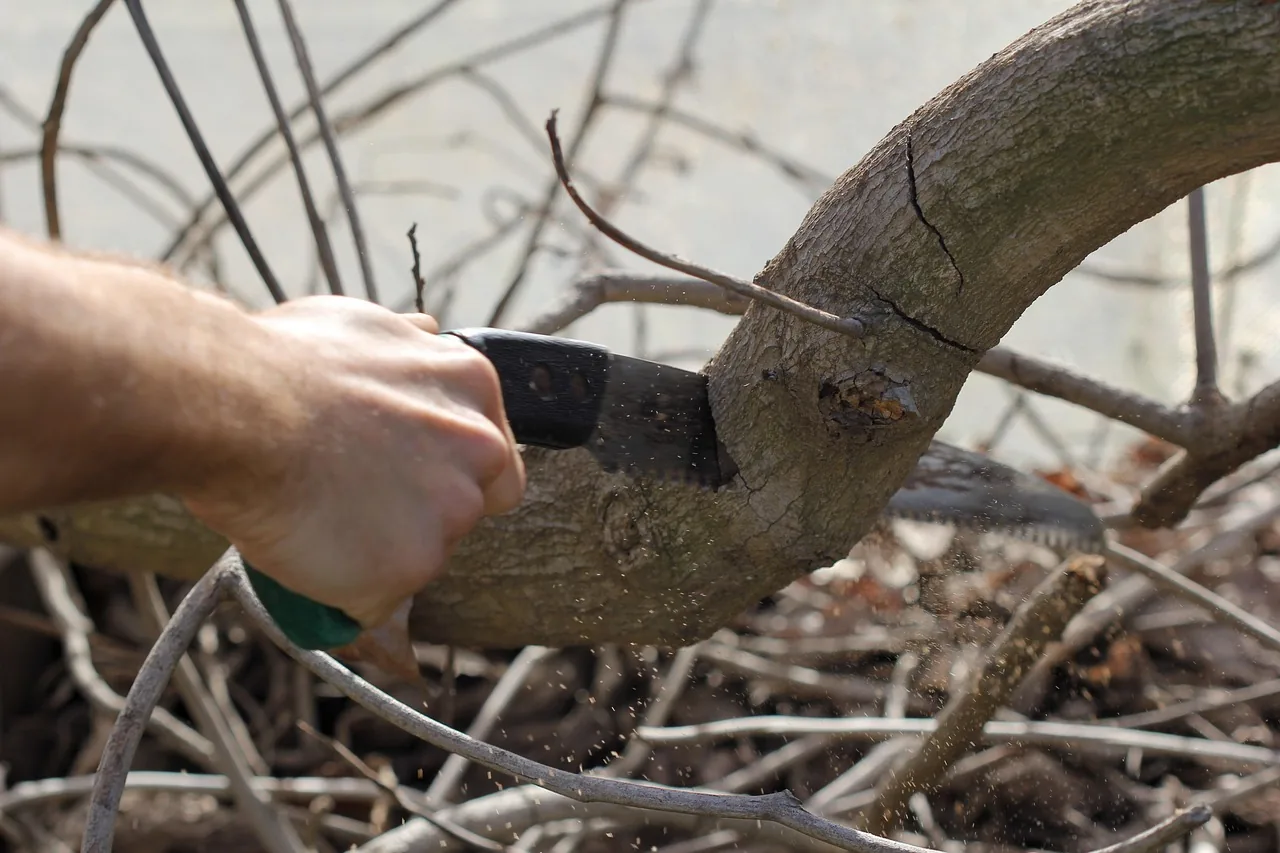
We trim in a set order. First we look at the tree and decide what each cut is meant to do. Then we find out who owns the tree and what the code asks for. Only after that do we cut, using the methods in our tree trimming and pruning service. Our other local guides are collected on the Bogota tree care articles page.
Environmental Commission Permits for Street Trees
Section 15-1.1 of the code says that no person may cut, break, climb or injure any tree growing in a public highway without the written permit of the environmental commission. The same sentence reaches trees and plants in any park or parking strip, and any device set up to protect a tree on a street or in a borough park. In practice that covers the tree between the sidewalk and the curb, which many owners treat as part of the front yard.
The route to a permit is spelled out. A person who wants to cut, prune or trim a tree in a borough street applies to the environmental commission. If the commission decides the work appears necessary, and approves the proposed method and workmanship, it may issue a written permit. Any work done under that permit has to follow its terms strictly. The code gives the commission judgment over both the reason for the cut and how the cut is made, so a trimming plan should be specific.
Several nearby rules matter to anyone doing the work. Section 15-1.7 bars attaching or keeping any rope, wire or other device on a street or park tree or on its guard or stake. Section 15-1.6 bars bringing a wire charged with electricity into contact with a tree in a way that injures it. Planting a shade tree in a street or borough park also needs a written permit from the commission under section 15-1.9. A crew that rigs ropes in a street tree without a permit is breaking the chapter even when the cuts are sound.
Climbing is named in the permit rule for a reason. Spikes and rigging wound the bark of a living tree, and the borough wants the commission to know who is going up and why. We ask for the permit first, and we bring the approved terms to the job so the crew works to them.
What to bring to the environmental commission for a Bogota street tree
- The address and the tree’s place along the curb
- The limbs to be cut and the reason for each
- The method, such as hand tools or climbing rope
- The name and registration of the tree care business
A plan that covers these points lets the commission judge both need and method in one visit. It also gives us a clear brief for our tree maintenance visits, where we keep a record of each tree from one season to the next.
Edward Hufnagel, who owns Reliable Tree Service, puts it this way: “A good cut starts with a reason you can say out loud. If you cannot explain what the cut is for, leave the saw alone and look at the tree again.”
Excessive Pruning Counts as Removal Under Chapter 22
The surprise in the borough’s tree rules sits in the definitions. Section 22-11.2 defines tree removal as killing a tree or causing irreparable damage that leads to its decline or death. The definition names excessive pruning, toxic substances, over mulching, improper grading and soil compaction in the critical root radius as examples. The same definition says removal does not include responsible pruning and maintenance. So the line between trimming and removal is the line between a careful cut and an excessive one.
The critical root radius gives that line a measurement. The code multiplies the trunk diameter at breast height, measured at 4 1/2 feet above ground, by 1.5 feet. Its own example is a tree with a 6 inch diameter, which gives a radius of 9 feet. Digging, grading or parking equipment inside that circle can harm the tree as surely as a bad cut, and the borough counts the resulting decline as removal.
Removal triggers replacement. Under section 22-11.3 a person who removes a street tree with a diameter of 2.5 inches or more, or a tree of 6 inches or more per acre, must replant according to a table that runs from one replacement tree up to four, each with a caliper of at least 1.5 inches. If the borough decides the trees cannot be planted on the property, the applicant plants elsewhere or pays $500 per tree removed into a tree planting fund. Section 22-11.6 sets a fine of $500 for a violation, and the Code Enforcement Officer enforces it.
The code leaves room for a tree that is truly failing. Hazard trees may be removed with no fee or replacement requirement. A hazard tree is one with an infectious disease or insect infestation, one that is dead or dying, one that obstructs traffic signs or passage after pruning has not worked, one that is causing obvious damage to structures such as sidewalks, or one a certified arborist or Licensed Tree Expert finds to be a threat. Written proof, such as photos or a statement from a licensed tree expert, supports any exemption.
Practices that stay on the responsible pruning side
- Removing dead, weak or diseased limbs first
- Cutting back to a lateral branch of sufficient size
- Taking small branches to their point of origin
- Keeping heavy cuts off weak or stressed trees
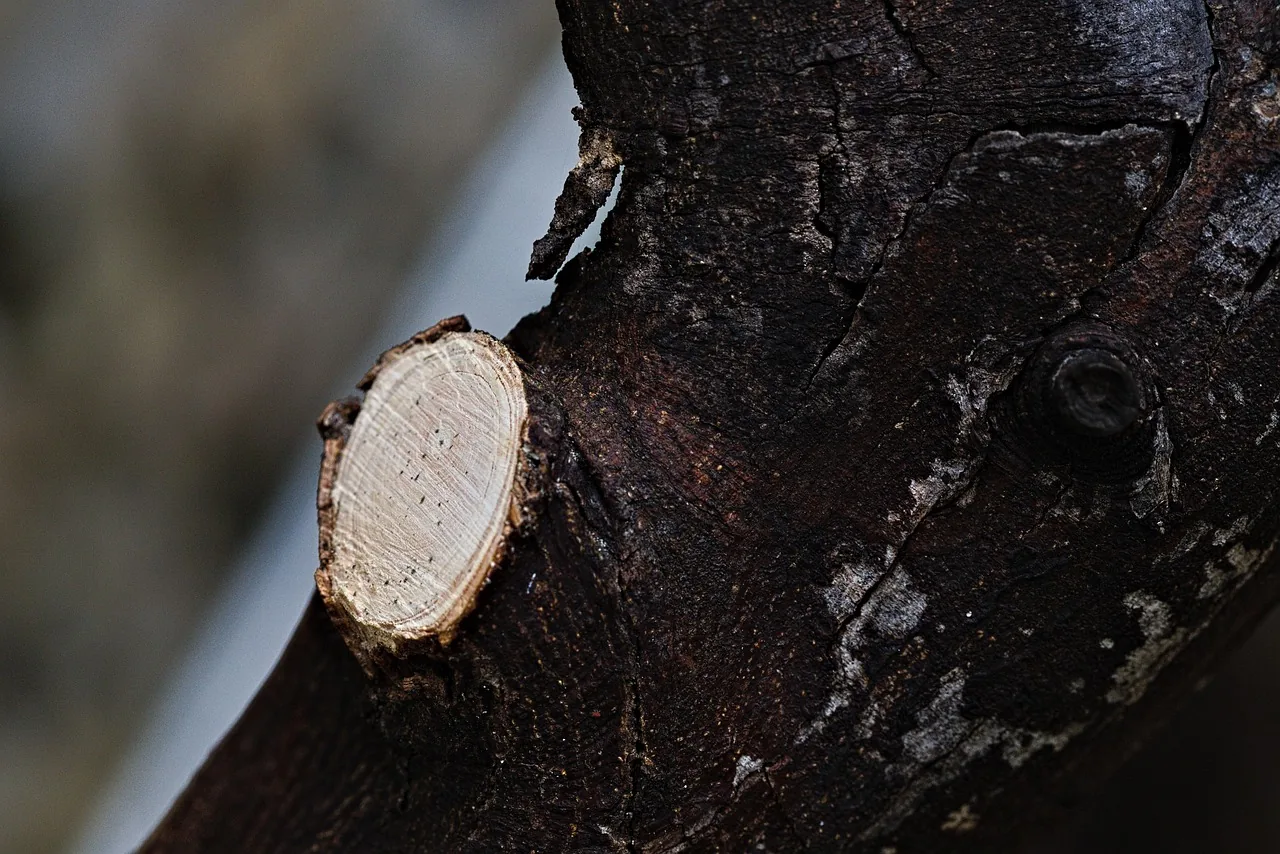
These match the pruning guidance for tree owners from the International Society of Arboriculture, which says no branch should be cut without a reason and that each cut can change the growth of the tree. The same page describes topping as perhaps the most harmful pruning practice known, because it leaves stubs, stresses the tree and invites decay. When a tree is too big for its spot, the ISA points to crown reduction instead, cutting back to branches at least one third the diameter of the stem being cut. If the permit is granted and removal makes sense, our tree removal crews take the tree down in sections.
Open Ground, Mulch and Timing After the Cut
Tree trimming in Bogota does not end at the cut. Section 15-1.4 protects the ground around a street tree. No one may place stone, cement or other material on the ground in a way that blocks air and water from reaching the roots without a written permit. The code asks for at least 6 square feet of open ground around the base of a street tree with a trunk 3 inches across, and one more square foot for every 2 inches of added diameter. Those numbers explain why a tree can fail slowly after a job that looked clean.
Mulch is part of that open ground. A Rutgers fact sheet on over mulching says total mulch depth should not exceed 3 inches, and 2 inches on compacted or poorly drained soil. It recommends keeping mulch 8 to 12 inches away from mature trunks and warns that mulch piled against the root flare can kill the inner bark. After trimming a street tree, we pull back any heaped mulch so the flare shows.
Building work near a trimmed tree is the other risk. Section 15-1.10 requires good and sufficient guards around any tree near a building that is being erected, repaired, altered or removed. If a porch, a driveway or a sidewalk is being rebuilt near a street tree, tell the crew before the first cut so the trimming and the guards are planned together.
Timing is the last piece. The ISA says light, routine removal of weak, dead or diseased limbs can be done at almost any time of year with little effect on the tree. Growth and wound closure are best when pruning comes before the spring growth flush, and heavy cuts on live tissue right after the flush should be avoided on weak trees. Late fall and winter are a sensible time to plan the work and apply for the permit, because the commission needs time to review it.
Checks for tree trimming in Bogota before and after the job
- Permit in hand before any climbing or rigging
- Open ground kept clear around the trunk
- Mulch pulled back from the root flare
- Guards in place if building work is nearby
These checks keep the job inside the code and good for the tree. A limb that has already broken in wind is a different case, and our storm proofing and repair crews handle hanging limbs before they fall. Neighboring towns ask the same questions, and our guides to tree storm repair in Ridgefield Park and stump grinding in Hackensack show how those towns handle their rules.
Protecting Bogota Trees Before the First Cut
Bogota asks more of tree owners than a weekend with a saw. A commission permit for street trees, open ground around the trunk, a definition of removal that includes excessive pruning and a $500 fine make tree trimming in Bogota slower to start and far easier on the tree. Look at the tree, read the code and have a professional review the plan before the first cut.
Hire carefully. The New Jersey Board of Tree Experts says it is now mandatory to hire a tree care business that is registered with the state and employs a Licensed Tree Expert or Licensed Tree Care Operator. It advises asking for the business registration, proof of insurance and the name and license number of the licensed person, as listed on its consumer guidance page.
Our crews are ISA Certified Arborists and New Jersey Certified Tree Experts. Call Reliable Tree Service at (201) 943-4141 to schedule tree trimming in Bogota or to have a tree looked at before you apply to the commission. We are family owned since 1960, and our trimming crews will tell you what the tree needs and what the borough asks for before any work begins.
Related Articles

Tree Pruning in Midland Park NJ: Street Tree Permits, Notices and Winter Timing
Midland Park requires a written permit before anyone prunes a tree on a public street or in a park. This guide covers tree pruning in Midland Park, from that permit and the dangerous tree notice to clean cuts and winter timing.
Tree Removal in Lyndhurst NJ: Permit Rules, Replacement Trees and Hazard Trees
Lyndhurst now asks for an application before most trees on private property come down. This guide covers tree removal in Lyndhurst: replacement rules, fees and the hazard tree exemption.
Tree Storm Proofing in Ridgefield NJ: Hazard Trees, Borough Rules and Wet Soil
Ridgefield sits in the Hackensack River floodplain, and its borough tree code spells out what an owner may do about a hazard tree. This guide covers tree storm proofing in Ridgefield: how storms and wet soil break trees, and which borough rules apply.
Tree Roots in Palisades Park NJ: Sidewalk Damage, Borough Permits and Replacement Fees
Palisades Park regulates street trees through Chapter 274 of its borough code, and sidewalk damage from roots is covered by it. This guide explains tree roots in Palisades Park, the permit and fee rules, and what to settle before anything is cut.
Land Clearing in New Milford NJ: Permits, One Tree a Year, and Root Zone Protection
New Milford regulates tree removal through Chapter 26A, from a single yard tree to a cleared lot. This guide covers land clearing in New Milford, including permits, clear cutting limits and how to protect the trees that stay.
Tree Pest Management in Hillsdale NJ: Lanternfly Egg Masses, Ash Borers, Borough Rules
Hillsdale treats an insect infestation as a reason a tree may come down and keeps invasive species treatment out of its removal rules. This guide covers tree pest management in Hillsdale, from lanternfly egg masses to the signs of ash borers.