Table of Contents
Tree Care in Closter, NJ
Good tree maintenance in Closter starts with knowing who is responsible for which tree. The borough was set up on January 1, 1904, from part of Harrington Township, according to its Wikipedia entry, and it sits in Bergen County in the Northern Valley. Over that time it has built up a layered system of tree rules, and a homeowner who walks the yard with a pair of loppers can land on the wrong side of them without meaning to.
The borough puts real weight behind its trees. Its Shade Tree Commission page calls the commissioners custodians of the shade trees and says they work to maintain the health and diversity of the public tree resources, including planting, pruning, removal and protection. The same page says Closter is entering its twenty third year as a member of the Tree City USA community and describes a Shade Tree Trust Fund that pays for new trees.
That attention matters because the work a tree needs and the work a resident is allowed to do are not always the same thing. A maple on the strip between the sidewalk and the curb is handled differently from an oak in the back yard. This guide covers tree maintenance in Closter from the owner’s side: the public and private split, what the code treats as harm to a tree, and what a careful fall walk looks like.
Reliable Tree Service is family owned since 1960 and works across Hudson and Bergen counties from Cliffside Park. Our tree maintenance visits begin with a simple question about every tree, which is what it is doing now and what it will do under the next hard wind. That is a better starting point than a list of chores.
Rules and fees change, and some of what follows comes from ordinances that the borough has amended more than once, so confirm the current wording with Closter before any work begins. We keep our Closter tree care guides in one place, and a neighboring example is our piece on fall care for mature shade trees in Leonia in Bergen County.
Street Trees and the Closter Shade Tree Commission
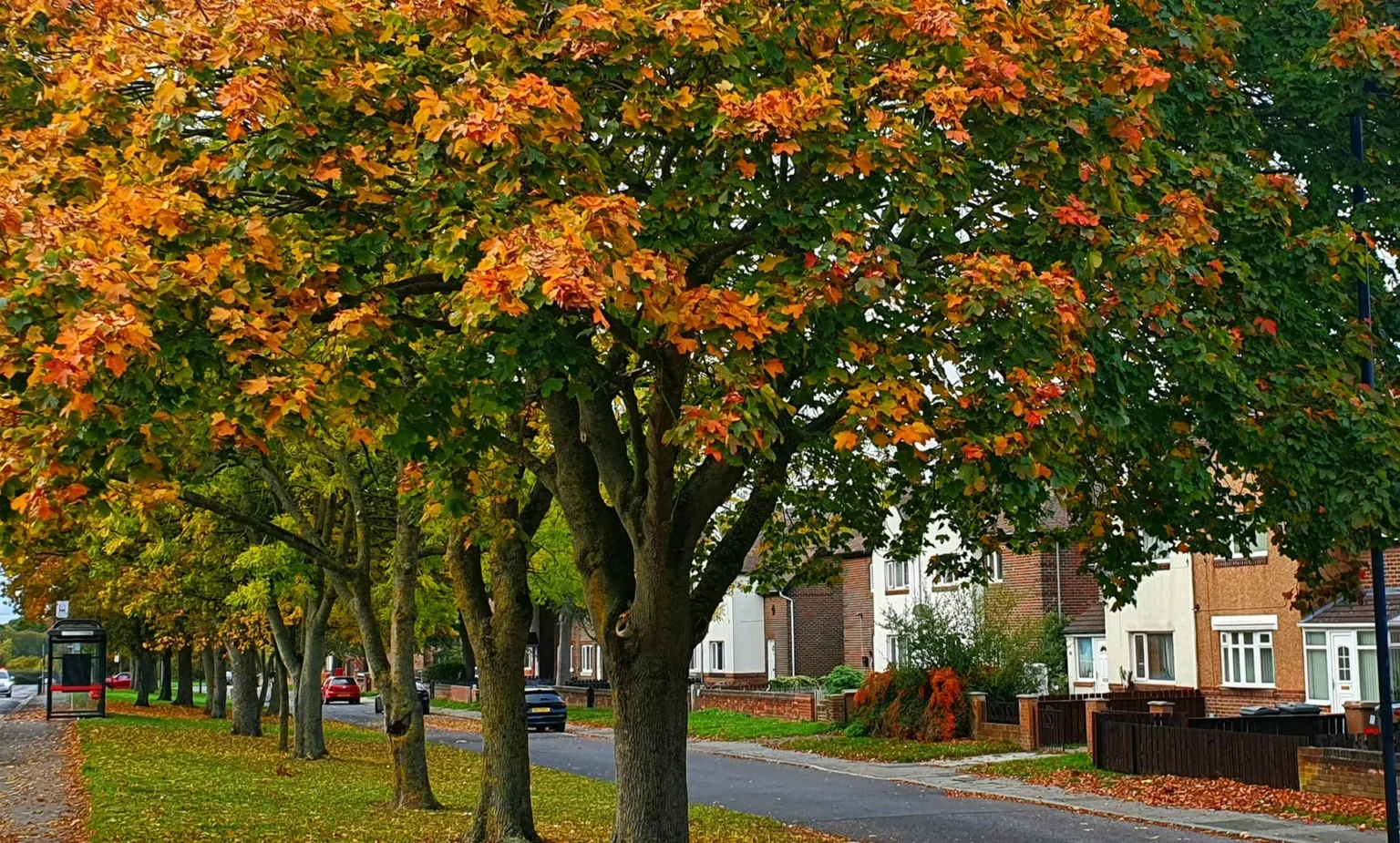
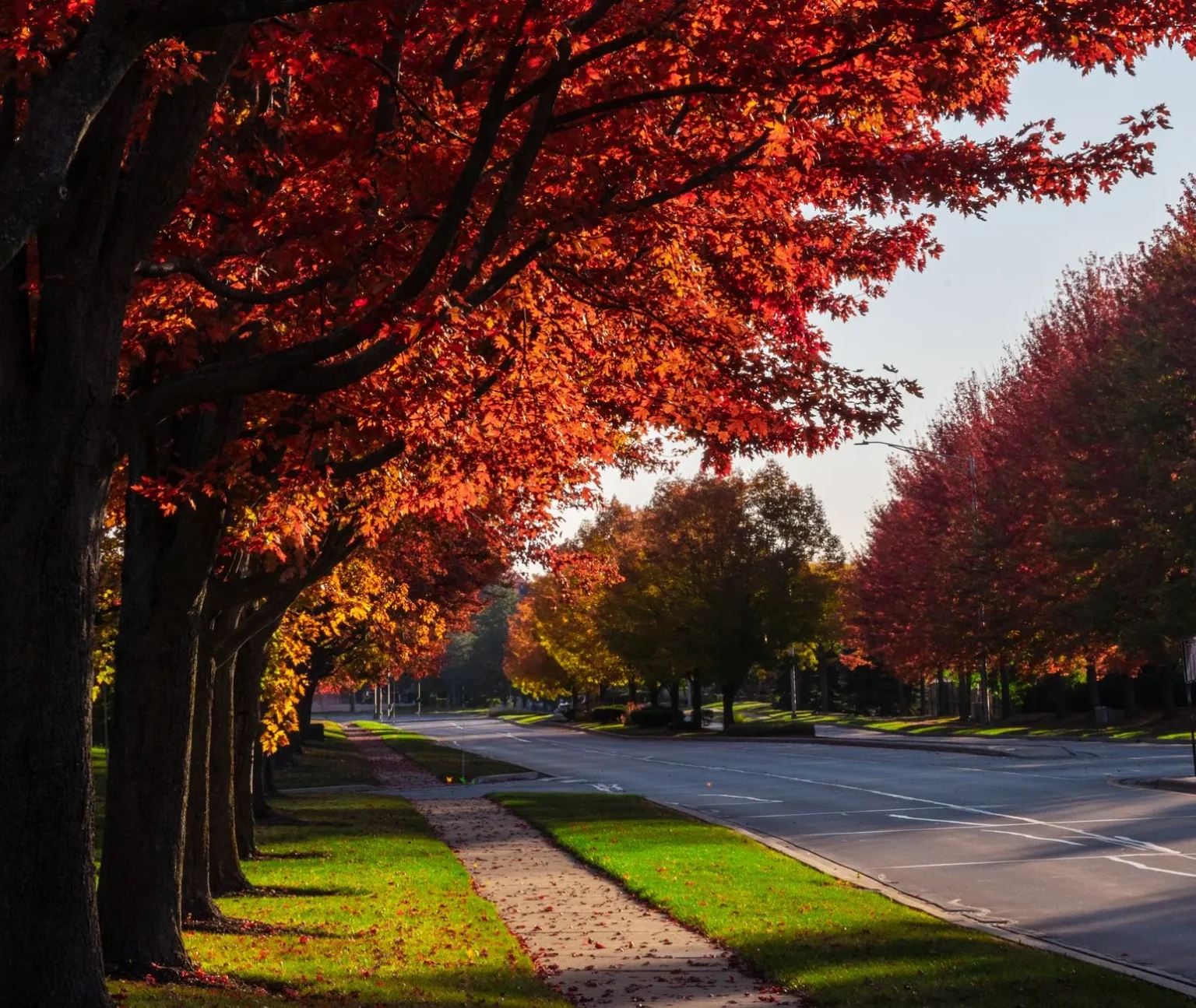
Closter’s Shade Tree Commission was created under N.J.S.A. 40:64-1 and the following sections, and the borough’s Chapter 59 ordinance says it has seven voting members, five regular members plus one from the council and one from the Environmental Commission. The ordinance gives the commission full and exclusive control over the regulation, planting and care of shade and ornamental trees in the public right of way. That control reaches the grass strip, the tree in front of your house, and the tree that overhangs the sidewalk from the strip.
The permission rule is broad. The ordinance says that nobody may, without the written permission of the commission, cut, prune, break, climb, injure or remove a living tree in the public right of way. It adds the roots, saying nobody may cut, disturb or interfere with them, and it names spraying a chemical or insecticide on such a tree, nailing a sign or fixture to it, and removing a tree guard.
The ordinance also says what the commission can do on its own. It can move or require the removal of a tree, or part of one, that is dangerous to public safety, and it must give reasonable notice first unless public safety demands immediate action. The cost of removing a dangerous tree may, if the commission decides with the consent of the mayor and council, be charged to the real estate in front of which the tree stands. Owners who are told to act get a window, and the ordinance says the borough’s code enforcement officer completes the work if the owner has not within six months.
New construction carries a planting duty. Anyone building or making major alterations to a residence or commercial building must plant shade trees along the right of way in front of it or pay into the Shade Tree Trust Fund instead, as the commission decides each year. For tree maintenance in Closter, this means the street tree outside a renovated house may be new, small and still young enough to need steady watering.
Tree maintenance in Closter: what needs written permission
- Pruning, climbing or cutting any street tree
- Digging or trenching near street tree roots
- Spraying chemicals or insecticide on a street tree
- Attaching signs, ropes or fixtures to its trunk
Each item protects the public tree and the people who walk beneath it. If a street tree has a dead limb or a split union, the owner’s role is to report it to the commission, not to climb it. Our tree trimming and pruning crews work on private property trees, and for a tree on the public strip the first call is to the borough.
Edward Hufnagel, who owns Reliable Tree Service, puts it this way: “A tree tells you what it needs long before it asks for help. Most of the damage we see started with something done near the roots, not something done to the branches.”
Roots, Soil, and What Closter Counts as Tree Removal
The borough’s tree ordinance for private property is Chapter 181, Tree Preservation and Removal. It requires a permit to remove a tree with a trunk diameter of six inches or greater, measured at 4.5 feet above the ground, which the code calls diameter at breast height. A permit is also needed for site clearing. Landmark trees designated by the mayor and council need that body’s approval before they come down.
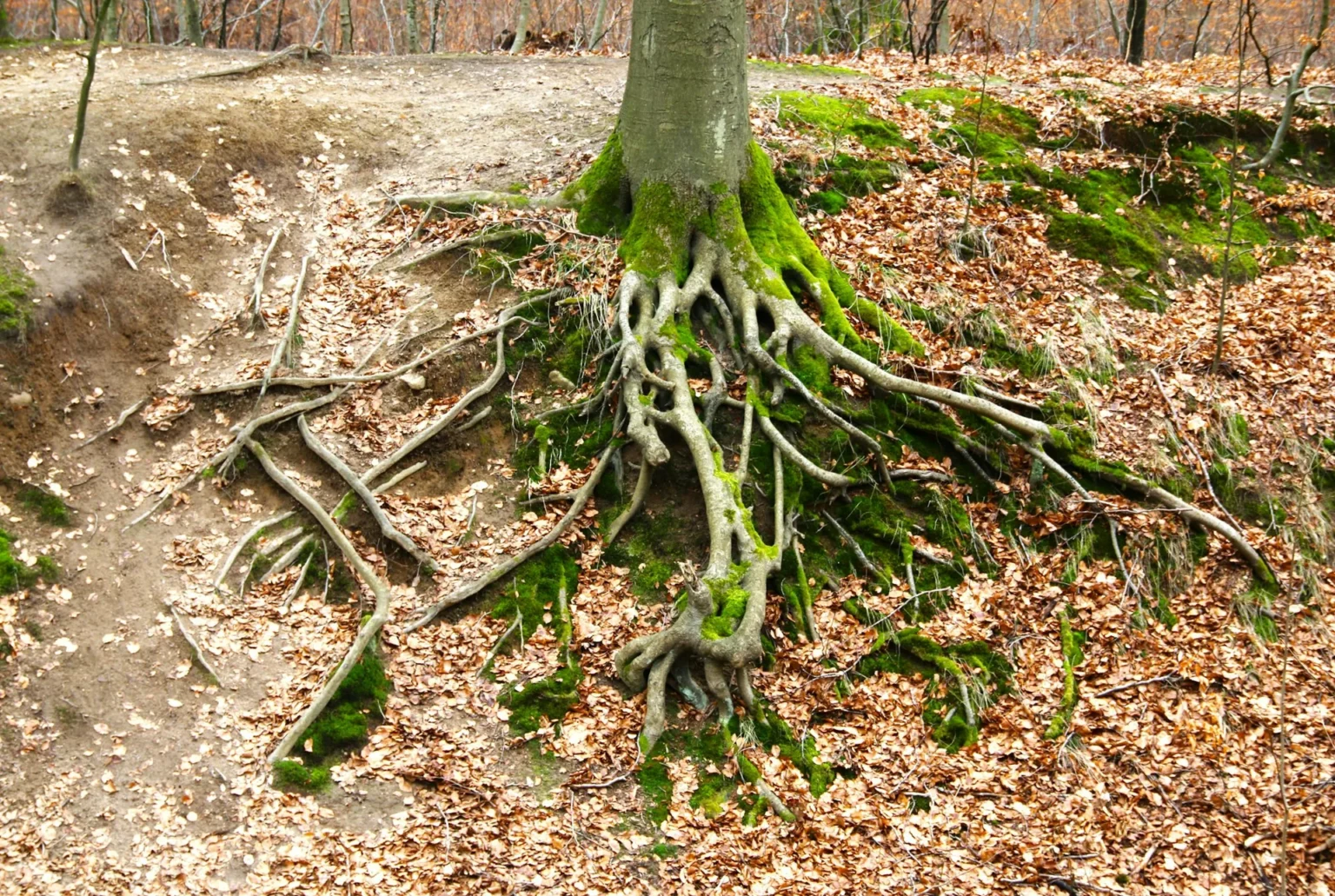
The part of Chapter 181 that matters most for maintenance is its definition of tree removal. It says removal includes, among other things, damage to the root system by machinery, storage of materials and soil compaction, a change of natural grade, paving over the roots with impervious materials, excessive pruning or thinning that leads to a failure to thrive, and the application of any toxic substance. In other words, a tree can be removed in the eyes of the code without a saw ever touching the trunk.
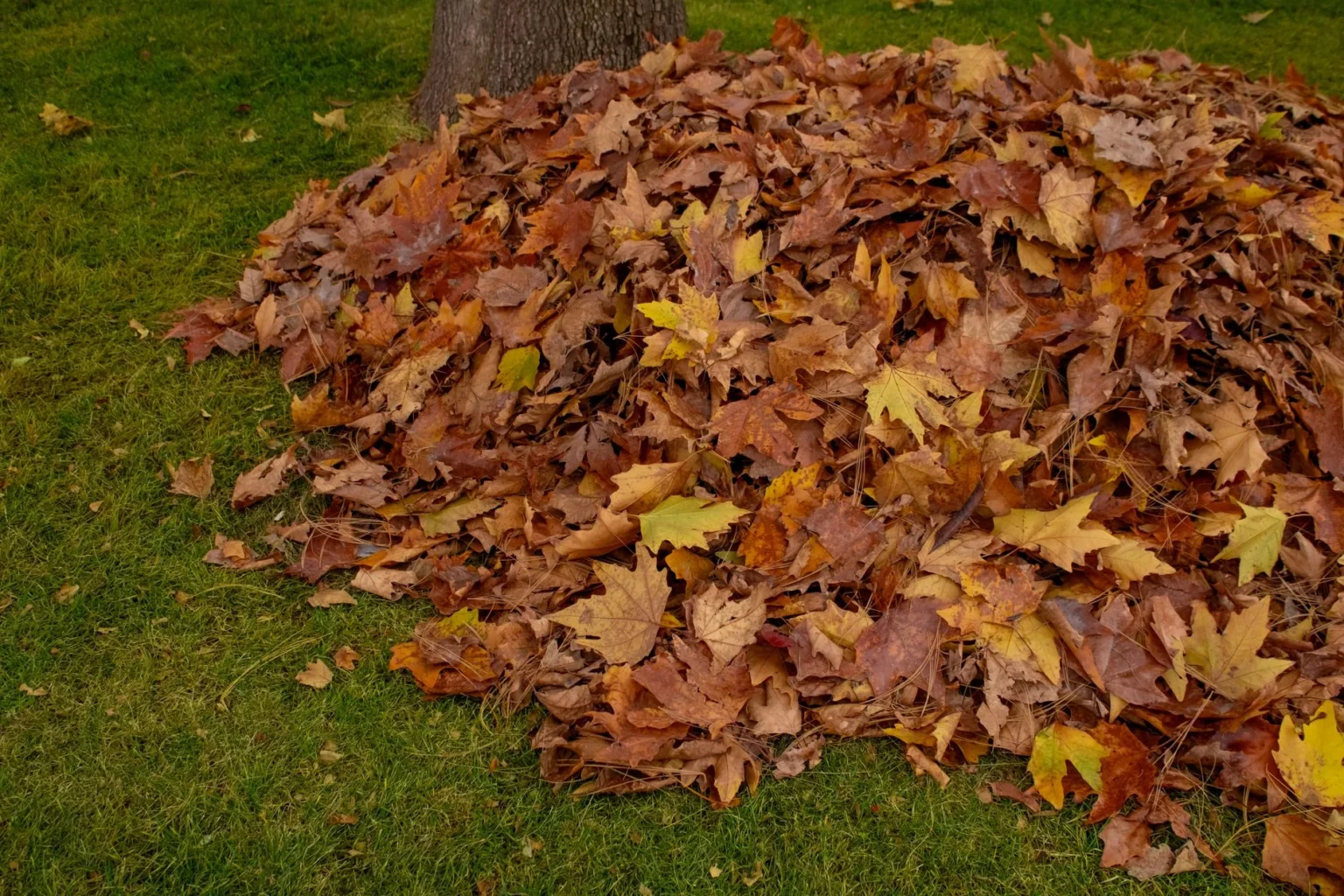
The ordinance backs that up with rules about the ground itself. It says nobody may cause or allow willful damage to a tree, and it lists examples such as pouring liquid on the tree or the nearby ground, placing nonporous material on the ground around a tree so air, light or water cannot reach the roots, and placing or removing soil within 10 feet of a tree. It also bars piling building materials or debris within 10 feet of a tree, or 10 feet beyond the dripline if that is farther.
The ISA agrees that the ground is where much of the trouble starts. Its Recognizing Tree Risk brochure lists human caused defects such as root loss and decay that may result from construction, grade changes, soil compaction or poor pruning. Among its checklist questions is whether the area has recently been altered by construction, changes in soil level, or installations of lawns or pavement.
Root zone habits that protect a mature tree
- Keep soil grade unchanged under the whole canopy
- Store firewood, pavers and debris well outside the dripline
- Choose hand digging over machines near large roots
- Leave the trunk flare visible instead of buried in mulch
These habits cost almost nothing and they line up with what the code protects. Our tree maintenance work often turns out to be undoing a well meant change to the ground around an older tree, such as a patio laid close to the trunk or a pile of fill added to level a lawn. When a root zone has been disturbed, the tree may show decline for a season or two before anyone connects the two events.
A Fall Walk Around Mature Closter Trees
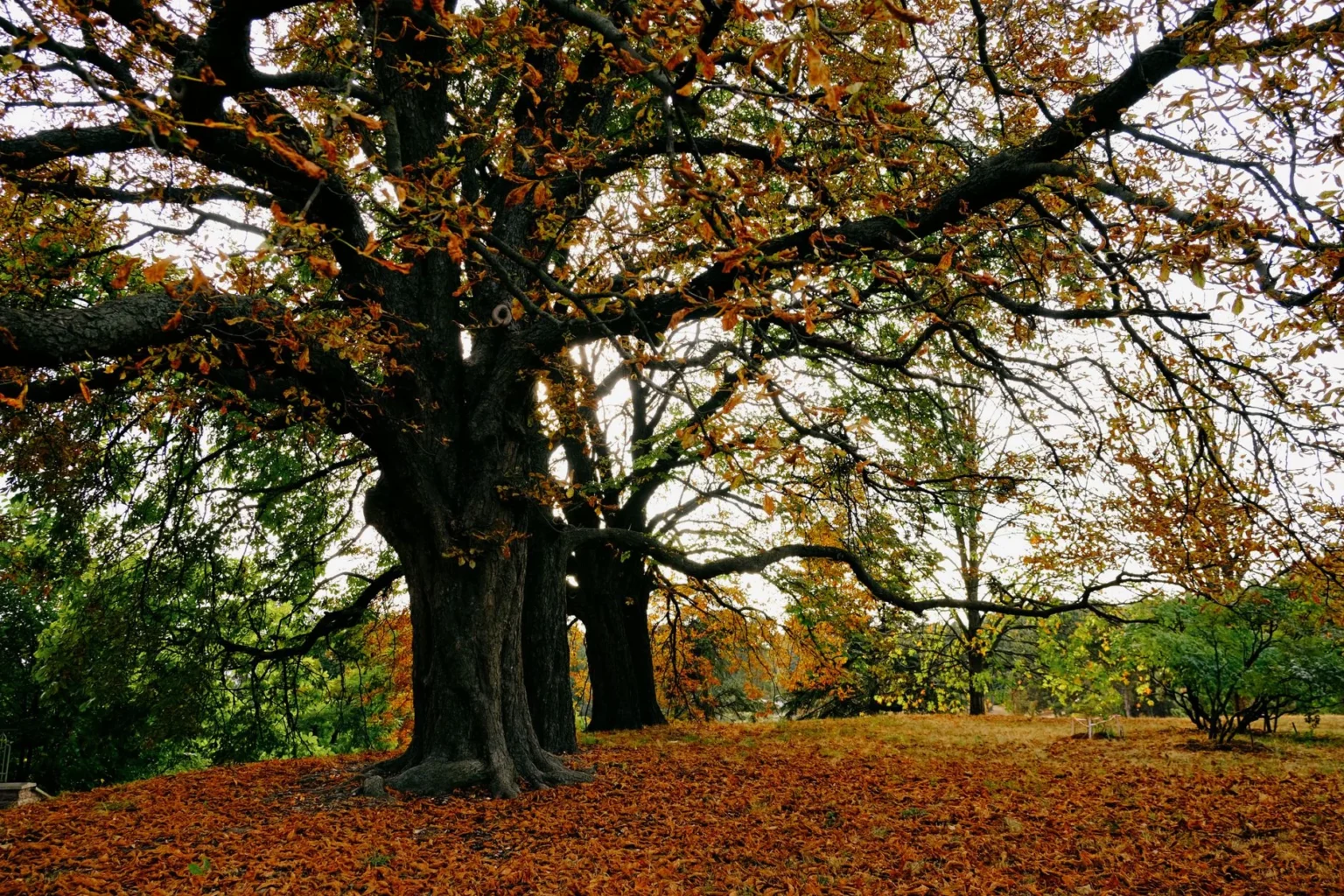
Fall is a practical time to look at a mature tree, because leaf drop opens the crown and shows structure that summer foliage hides. The ISA brochure offers a plain checklist for the walk. It asks whether there are large dead branches, detached or hanging branches, loose bark on the trunk, cracks or splits in the trunk or where branches attach, cavities or rotten wood, or mushrooms at the base of the tree.
It also asks whether the leaves have taken on an unusual yellow color or seem smaller than they should, and whether the tree has been topped or heavily pruned. The brochure lists poor taper, root failure shown by cracks or separations in the soil, and codominant stems, which are split trunks that can be failure points. None of this takes tools. It takes ten slow minutes with the tree and a clear view of the crown.
The brochure is careful about who judges what it finds. It says evaluating how serious a defect is is best done by a professional arborist, and that regular care by an ISA Certified Arborist gives the chance to find defects and unacceptable risk. It also says that mature trees need routine care in the form of water, mulch and pruning, and in some cases nutrients, as their structure and the season dictate.
One warning from the brochure deserves repeating before any storm season. It says never to attempt to remove branches or any tree part from or near power lines, and never to go near downed power lines, because they may still be conducting electricity. A street tree that touches a line is a call to the electric utility and to the borough, not a job for a ladder.
Fall tree walk in Closter: what to look for
- Dead or hanging branches over roofs and driveways
- Cracks, splits or loose bark on the trunk
- Mushrooms or soft wood at the trunk base
- Soil cracks or heaving on the side of a lean
Write down what you see and photograph it with the date, since a record helps when a tree is later discussed with the borough or with us. A finding on a private tree can lead to a pruning cut, a support system or, rarely, removal, and our storm proofing and repair and tree removal teams explain the options before anything is scheduled. For a street tree, report the finding to the commission.
Protecting Closter Trees Through Steady Care
Closter pairs an active Shade Tree Commission with a private property tree code, and the result is a borough where the shade trees get steady attention. Tree maintenance in closter works best when an owner knows which rules apply to which tree and treats the roots with as much care as the branches.
Our crews are ISA Certified Arborists and New Jersey Certified Tree Experts, and Reliable Tree Service is family owned since 1960. Call us at (201) 943-4141 and we will look at the trees in your yard, explain what the code means for each one, and recommend only the work the tree needs.
A tree that gets a yearly look, a sound root zone and well timed tree pest management stays safer and costs less to keep than one that is only noticed after a limb drops. For a nearby comparison, we also wrote about permits and hazard trees in Edgewater.
Related Articles

Tree Trimming in Glen Rock NJ: Pruning Before Removal Under the Borough Tree Permit
Glen Rock has held Tree City USA status since 1990 and now requires a permit to remove many private trees. This guide covers tree trimming in Glen Rock, from good pruning cuts to the rules that apply when a tree might come down.
Tree Storm Repair in Ridgefield Park NJ: Damaged Trees, Village Rules, and Next Steps
Ridgefield Park has looked after its public trees since 1979, the year Hurricane David destroyed 79 of them in less than a day. This guide covers storm repair in Ridgefield Park, from first safety steps to village permit rules.
Tree Removal in Edgewater NJ: Permits, Hazard Trees, and Replacement Planting
Edgewater asks for a borough application before many trees come down, and its ordinance treats hazard trees differently. This guide covers the permit steps, warning signs of a failing tree, and what replacement planting requires.
Land Clearing in Oakland NJ: Tree Permits, Root Zones, and Fall Planning
Oakland’s tree ordinance treats clearing a wooded lot differently from removing a single tree, and the roots left behind decide how the lot ages. This guide covers borough permits, root protection, and fall planning for wooded properties.
Tree Pest Management in Harrison NJ: Spotted Lanternfly and Tree of Heaven in Fall
Spotted lanternflies lay eggs in October and tree of heaven draws them in, so fall is the time to look closely. This guide covers tree pest management in Harrison from the first signs to what to do about egg masses.
Tree Feeding in Rutherford NJ: When Fall Fertilizing Helps Mature Shade Trees
A tree that looks tired is not always hungry, and fertilizer at the wrong time can do harm. This guide covers tree feeding in Rutherford from soil testing to timing and placement.