Table of Contents
Tree Care in Fairview, NJ
Tree trimming in Fairview has to fit a small borough and a written tree code. Fairview is in Bergen County, and according to its Wikipedia entry it was formed on December 19, 1894, from parts of Ridgefield Township after a referendum held the day before. The borough covers about 0.85 square miles, and the same page notes that Fairview Cemetery and Mount Moriah Cemetery lie along the western slope of the Hudson Palisades.
Almost every tree in a place this compact grows close to something: a house wall, a sidewalk, a driveway, a neighbor’s fence or a service wire. That closeness makes trimming a matter of judgment more than strength. A cut that is easy to make can leave a tree out of balance, or take a branch that was holding the crown in shape.
This guide explains what the borough code says about cutting and removing trees, how to think about branches near wires, and when to prune mature trees. It is written for homeowners in Fairview and the nearby Bergen County boroughs of Cliffside Park and Ridgefield.
Reliable Tree Service is family owned since 1960 and works across Hudson and Bergen counties from Cliffside Park, which borders Fairview. Our tree trimming and pruning crews start every job by looking at the whole tree, because the right cut depends on what the tree is doing and not only on what is in the way.
Codes and advice change, so confirm the current wording with Fairview before any work begins. We keep our Fairview tree care guides in one place, and for a nearby borough with a similar rulebook see our guide to pruning before removal in Glen Rock.
What the Fairview Tree Code Says About Cutting and Removal
Fairview regulates trees in Chapter 22 of its municipal code, which the borough posts on eCode360. Section 22-1, adopted as Ordinance 03-36, says the borough wants to maintain its tree stock because of the role mature trees play in preserving quality of life, preventing soil erosion and controlling drainage.
The code does not ban pruning. It sets a threshold for removal. No person may cut or remove more than three regulated trees on any lands in the borough unless the work follows the section, and a project permit is required for the removal of more than three regulated trees within a removal period of 365 consecutive days.
A regulated tree is a deciduous or coniferous tree that has reached at least 30 feet in height or a diameter of at least eight inches, measured six inches above ground level on the downhill side. The definition applies that size before any pruning, limb removal or other such activity, so cutting a tree back does not take it out of the rule. The code also defines removal as cutting a tree down completely or substantially eliminating a living regulated tree, which is a good reason to avoid heavy cuts that leave a tree barely alive.
Permit applications go to the Construction Official, who has 30 calendar days to grant, condition or deny a completed application, and the code treats silence past that point as approval. An application describes the lot, the reason for the removal, the number, size and species of the trees and a replacement plan. The replacement table asks for one new tree for a removed tree from eight to under twelve inches across and more for larger ones, and the code allows a contribution to the borough tree fund in place of planting in some cases.
Tree trimming in Fairview: questions to settle first
- Is the tree on private land or the public strip
- Does the plan touch more than three regulated trees
- Is any cut heavy enough to kill the tree
- Has a certified arborist looked at the crown
Settling those four questions before a saw starts keeps ordinary trimming from turning into a removal that needs a permit. Our tree removal team will not schedule a removal until ownership and approvals are clear, and the code itself exempts emergency removals, which a certified arborist or borough official determines.
Edward Hufnagel, who owns Reliable Tree Service, puts it this way: “Trimming should leave a tree stronger than we found it. If a cut would leave the tree weaker, we should say so before anyone touches a branch.”
Small Lots, Power Lines, and Hanging Limbs in Fairview
On a lot as tight as most in Fairview, the first thing to check before trimming is what the branch is touching. The International Society of Arboriculture publishes a plain Recognizing Tree Risk brochure that lists the questions to ask. They include whether there are large dead branches, detached or hanging branches, or cracks and splits in the trunk or where branches attach, and whether the area has recently been altered by construction, changes in soil level or new pavement.
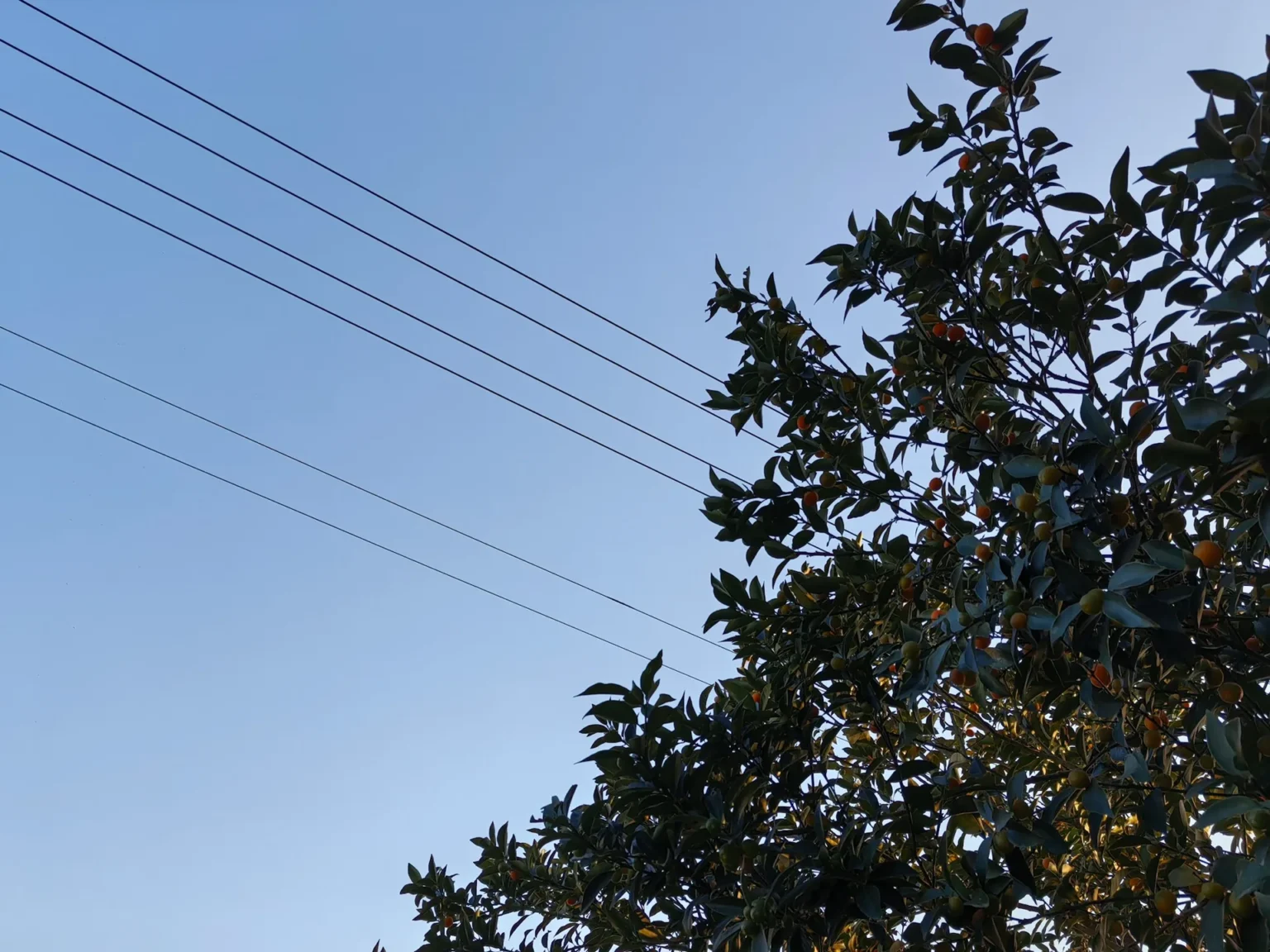
The same brochure has a separate warning about utility lines. It says never to attempt to remove branches or any tree part from or near power lines, and never to go near downed power lines, because they could still be conducting electricity. If tree parts are touching a line, it says to call the local electricity provider.
The borough code has its own line on this. It exempts pruning within the right of way by utility companies for maintenance of wires or pipelines, and the utility has to notify the Construction Official before starting. It also exempts trees that the borough removes on or over a public right of way, so a tree on the public strip is a question for the borough first.
Trees on small lots also share space with neighbors. Branches that cross a property line, roots that lift a sidewalk and limbs that hang over a roof are the usual reasons homeowners call, and each one calls for a different cut. The brochure lists poor taper, codominant stems, cracks and dead branches as signs worth a closer look. It adds that dead branches in the canopy are probably the most obvious hazards, and that the risk depends on the size of the branch and its distance from anything it could hit.
Branch problems on a small Fairview lot
- Dead limbs hanging over a roof or driveway
- Branches rubbing a wall, gutter or service wire
- Crossing limbs that scrape each other
- Split trunks with two leaders crowding together
Tree trimming in Fairview on a small lot starts with a walk around the tree and a look up into the crown, ideally once the leaves drop and the structure is easy to see. Anything touching a wire is a call to the utility, not a job for a ladder. Our storm proofing and repair team handles hanging and cracked limbs once the area is safe.
When and How to Prune Mature Trees in Fairview
The ISA Pruning Mature Trees brochure says most light, routine pruning to remove weak, dead or diseased limbs can be done at any time of year with little effect on the tree. As a rule, growth and wound closure are greatest when pruning happens before the spring growth flush, and heavy pruning of live tissue just after that flush should be avoided, especially on weak trees.
Rutgers gives the local view. A Rutgers Master Gardener of Hunterdon County writes in a Pruning Trees in Winter sheet that late February to early March is the best time to prune many landscape trees, since without leaves the shape of the tree and any structural problems are easier to see. It adds that oaks and elms should be pruned only in winter to avoid oak wilt and Dutch elm disease, and that dead branches can come off at any time.
For a homeowner in late October, that means fall is a good season to look and to take out dead wood, and winter is the better window for larger cuts on live branches. Leaf drop opens the crown, so a walk around the tree now can set the plan for a winter pruning visit.
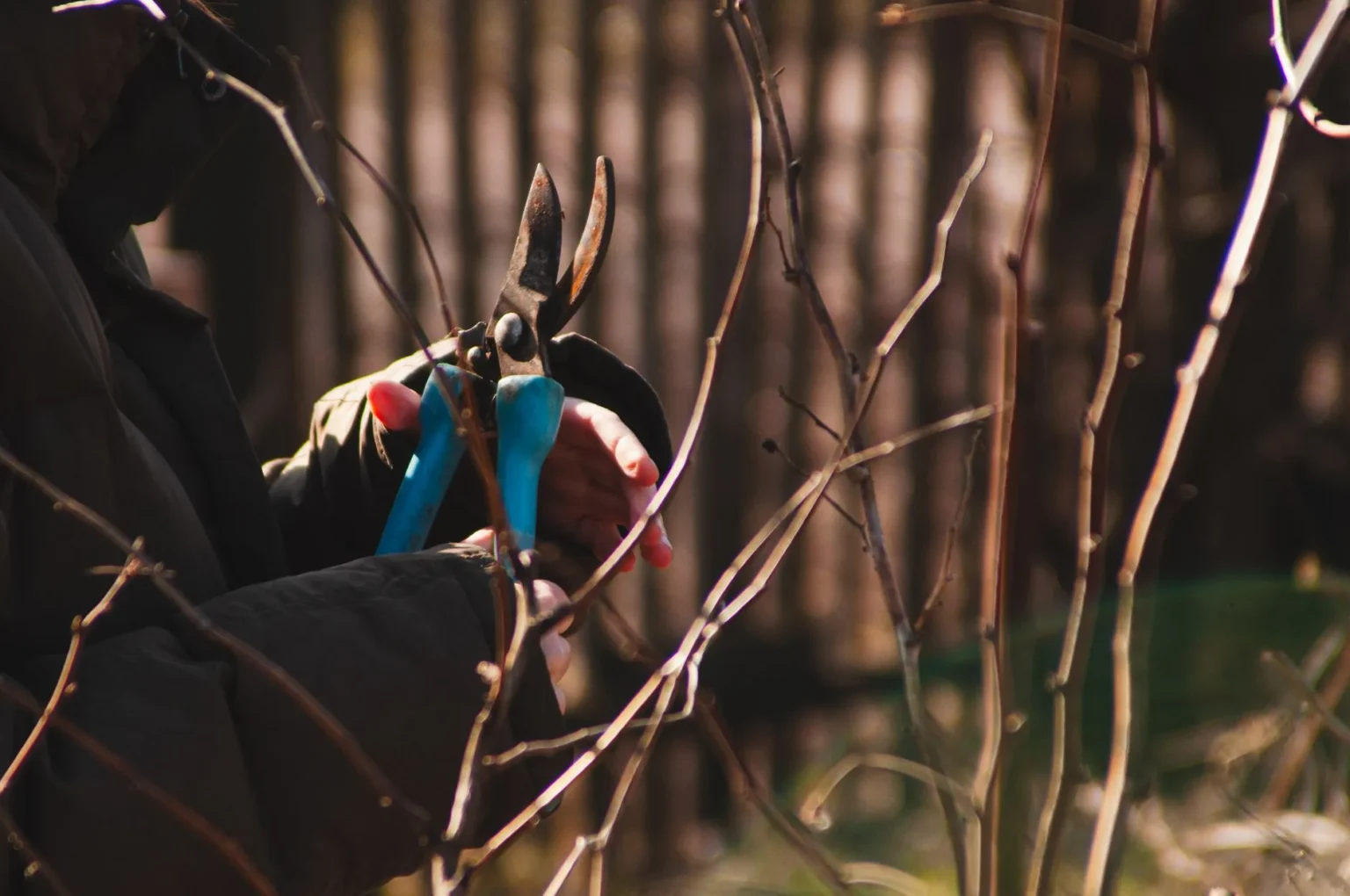
A correct cut removes the branch just outside the branch collar, and the ISA brochure warns against flush cuts, because trunk tissue above and below a flush cut often dies. It also says no more than a quarter of the crown should be removed at once, and less for mature trees, and that most experts recommend against wound dressings. Heavy removal of foliage can stress a tree by drawing down the energy it has stored.
Pruning cuts that protect a mature tree
- Cut just outside the branch collar
- Leave the collar and bark ridge intact
- Remove dead and crossing wood first
- Stop before a quarter of the crown is gone
Topping is a different thing. The brochure contrasts reduction, which shortens a tree by cutting back to side branches large enough to take over, with topping, and we do not recommend topping. Staged work is how our tree maintenance visits approach a mature tree, so the shape improves over several seasons and not in one heavy cut.
Protecting Fairview Trees With Careful Cuts
Fairview is small, built up and full of mature trees that sit close to buildings and wires. Good tree trimming in Fairview depends on knowing what the borough code regulates, what the utility handles and when a tree can take a cut. Read the code, keep dated photographs and confirm the current rules with the borough before any work.
Our crews are ISA Certified Arborists and New Jersey Certified Tree Experts, and Reliable Tree Service is family owned since 1960. Call us at (201) 943-4141 and we will look at the tree with you, explain the options and recommend only the cuts the tree needs.
If a tree has already failed or is past saving, our stump grinding team can clear what is left once the removal is done, and our tree removal crews can take a dangerous tree down in sections around the house and the wires.
Related Articles

Tree Maintenance in Wallington NJ: Winter Prep Under the Borough Tree Rules
Wallington counts overmulching, excessive pruning and soil compaction as tree removal under its borough code. This guide covers tree maintenance in Wallington, from mulch and pruning cuts to winter inspections and hazard trees.
Stump Grinding in Norwood NJ: Borough Permits, 811 Calls and Replanting
A removed tree leaves a stump, and in Norwood the company that grinds it has to be registered with the borough. This guide covers stump grinding in Norwood, from permits and 811 marks to what to do with the hole afterward.
Tree Risk Evaluation in Maywood NJ: Shade Tree Commission, Hazard Trees and Fines
A tree does not need to be leaning to be a risk, and the borough has its own rules for trees along the street. This guide covers tree risk evaluation in Maywood, from the defects an arborist checks to Chapter 94 of the borough code.
Tree Feeding in Northvale NJ: Soil Tests, Mulch Depth and the Borough Tree Ordinance
A tree that looks tired is not always hungry, and the cause is often in the soil or the mulch. This guide covers tree feeding in Northvale, from the soil test to the borough tree removal ordinance.
Tree Trimming in Bogota NJ: Commission Permits, Excessive Pruning and Fines
Bogota requires the written permit of its environmental commission before anyone cuts or climbs a street tree. This guide covers tree trimming in Bogota, from that permit and the open ground rule to the code that counts excessive pruning as removal.
Tree Pruning in Midland Park NJ: Street Tree Permits, Notices and Winter Timing
Midland Park requires a written permit before anyone prunes a tree on a public street or in a park. This guide covers tree pruning in Midland Park, from that permit and the dangerous tree notice to clean cuts and winter timing.