Table of Contents
Tree Care in Glen Rock, NJ
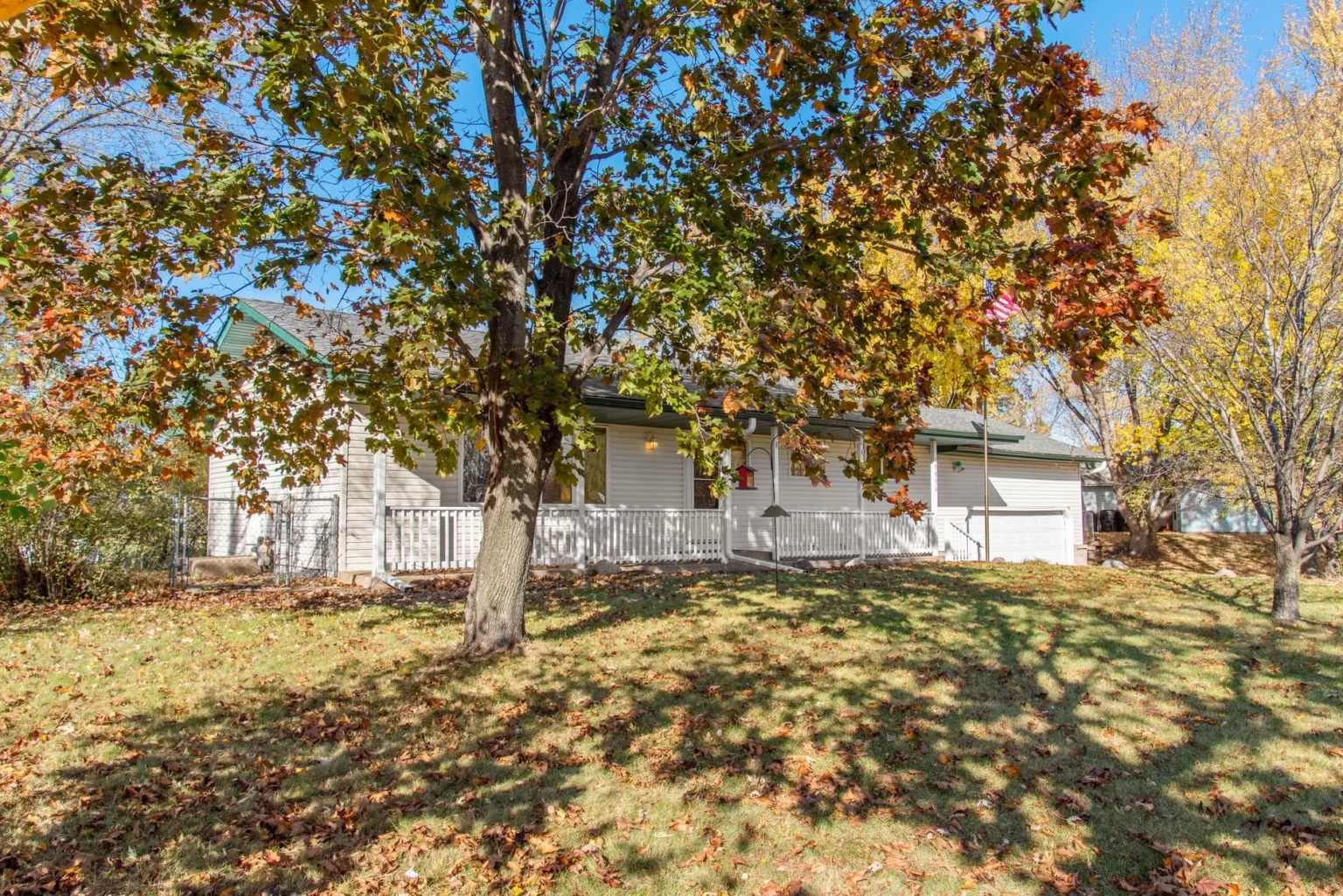
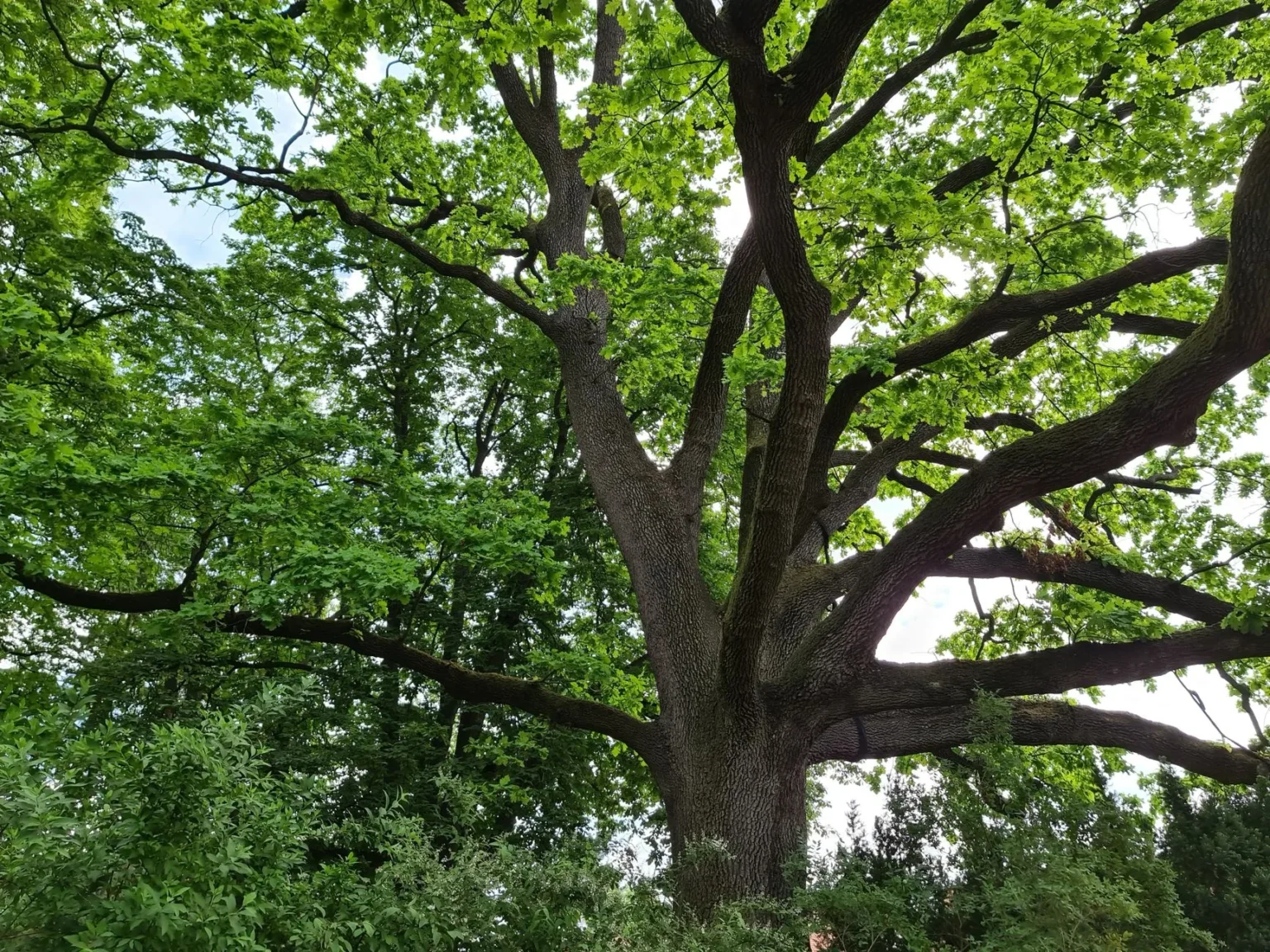
Tree trimming in Glen Rock starts with how seriously the borough takes its trees. The borough Community Forestry Management Plan for 2025 to 2029 says Glen Rock was formed as a borough on September 14, 1894, and takes its name from a 570 ton glacial boulder that still sits on Rock Road at the edge of the downtown shopping center. It describes a fully developed suburban borough in northwest Bergen County, with homes on small and medium sized lots along curving streets that have a well established tree canopy.
Those trees have official standing. The same plan says Glen Rock has held Tree City USA status since 1990 and created its Shade Tree Advisory Committee in 1998. In October 2024 the borough council also adopted a rule that requires a permit to remove many trees on private property, as the borough notice explains. That rule changes how a homeowner should think about a tree that looks too big, too messy, or too close to the house.
This guide covers tree trimming in Glen Rock from the owner’s side of the fence: what good pruning does, why topping is a mistake, and how pruning fits with the permit rules. Rules and fees change, so confirm the current requirements with the borough before any work starts.
Reliable Tree Service is family owned since 1960 and works across Hudson and Bergen counties from Cliffside Park. Our tree trimming and pruning service is built around cuts a tree can close over, not around making a tree smaller for its own sake.
Glen Rock is also a place where private owners carry much of the pruning load. The plan says borough crews prune about 300 trees a year, which on the 2,914 trees counted in its partial street inventory works out to a cycle longer than ten years. A tree in your own yard is your responsibility, and our Glen Rock tree care guides collect what we publish for the borough. Next door in Fair Lawn, we wrote about fall pruning for mature yard and street trees.
What Good Pruning Does for a Mature Tree
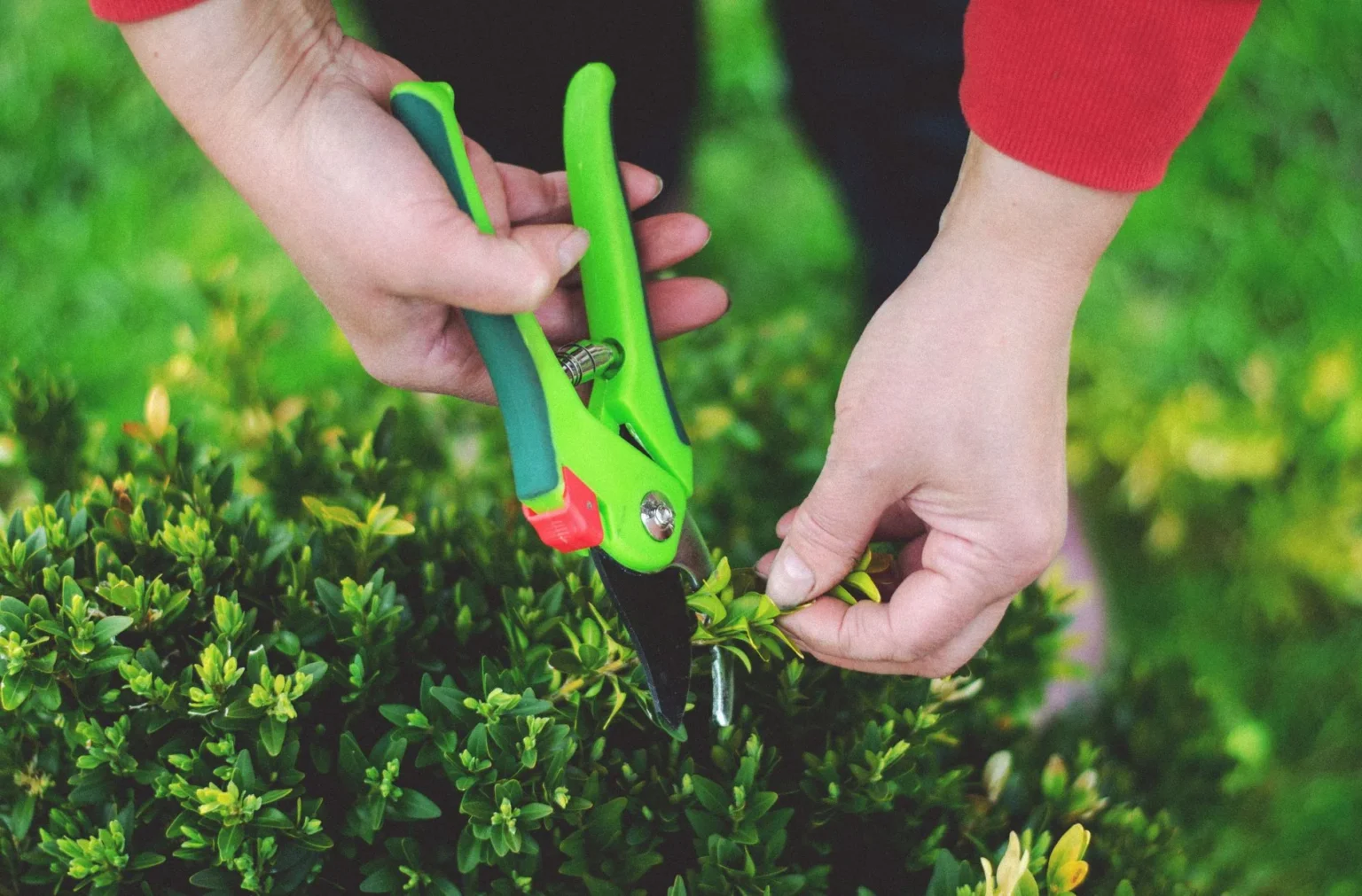
The International Society of Arboriculture says in its Pruning Mature Trees brochure that no branch should be removed without a reason, because each cut can change how a tree grows. The reasons it lists include removing dead branches, improving form, and reducing risk, along with letting more light and air into the crown or the landscape below. Mature trees, it adds, are generally pruned as a corrective or preventive measure.
That last point matters on a street of old maples. Routine thinning does not necessarily improve a tree’s health, the brochure says, because leaves make the sugar that feeds growth, and removing foliage can reduce growth and stored energy. Heavy pruning is a real stress on a tree. A light, targeted visit usually does more good than one big cut.
Timing is flexible for light work. The brochure says routine removal of weak, dead, or diseased limbs can be done at any time of year, while growth and wound closure are greatest when pruning happens before the spring growth flush. Maples and birches may bleed sap if they are cut in early spring, which looks messy but matters little to the tree. Heavy cutting of live tissue just after the spring flush is best avoided, and a few diseases, oak wilt among them, can spread through pruning wounds.
How much comes off is its own question. As a general rule, the brochure says, no more than a quarter of the crown should be removed at once, and less for mature trees. A single large limb can leave a wound that cannot close, so the goal is chosen before the saw comes out. That is how we handle tree trimming in Glen Rock yards, one defined purpose at a time.
Tree trimming in Glen Rock: common reasons to cut
- Dead or weakly attached branches over a roof or driveway
- Low limbs that block a walkway or a vehicle
- Crossing branches that rub and wound each other
- Light and air for the lawn or garden below
Each reason ties to a cut, and each cut ties to a branch. Our tree maintenance visits start by naming the reason before any limb is marked.
Edward Hufnagel, who owns Reliable Tree Service, puts it this way: “Every cut has to answer to a reason. If you cannot say what a branch is doing wrong, the tree is usually better off with the branch left alone.”
Why Topping Is Not Pruning
Glen Rock’s street trees give a clue about what needs pruning. The plan reports 78 tree species in the borough, with Norway maple the most abundant, followed by pin oak. Both grow into large trees that can outgrow a small lot, which is why owners sometimes ask us to cut them back hard.
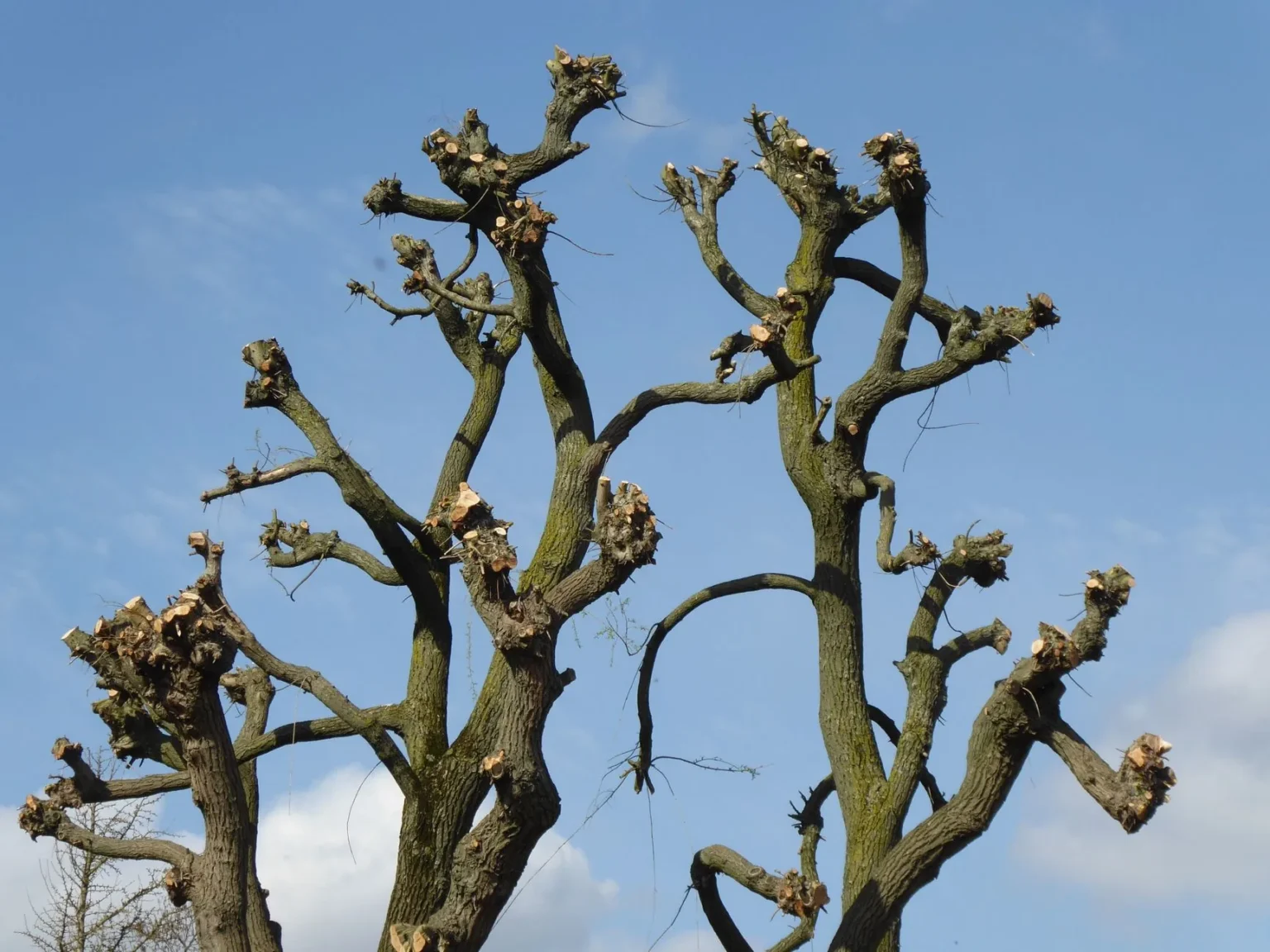
That request has a name, and it is topping. The ISA brochure describes the better method, which it calls reduction. Reducing a tree’s height or spread is best done by pruning back leaders and branch tips to secondary branches large enough to take over, at least one third the diameter of the cut stem. Compared with topping, the brochure says, reduction helps maintain the tree’s form and structural integrity.
The photograph above shows a topped tree, with blunt stubs at the end of nearly every limb where the natural shape was cut away. The pruning brochure points readers to a separate brochure on why topping hurts trees, and it warns that one large cut can leave a wound that may not close. A tree handled that way is not smaller and safer. It is a tree with a lot of open wounds.
We decline topping, and we offer reduction cuts when a tree truly must come down in size. Wound dressings are another habit we skip. The brochure says research shows dressings do not reduce decay or speed wound closure, and most experts recommend against them.
Signs a tree was cut the wrong way
- Blunt stubs at the ends of large limbs
- Clusters of thin shoots sprouting near old cuts
- Flush cuts with no branch collar left behind
- Wounds that stay open season after season
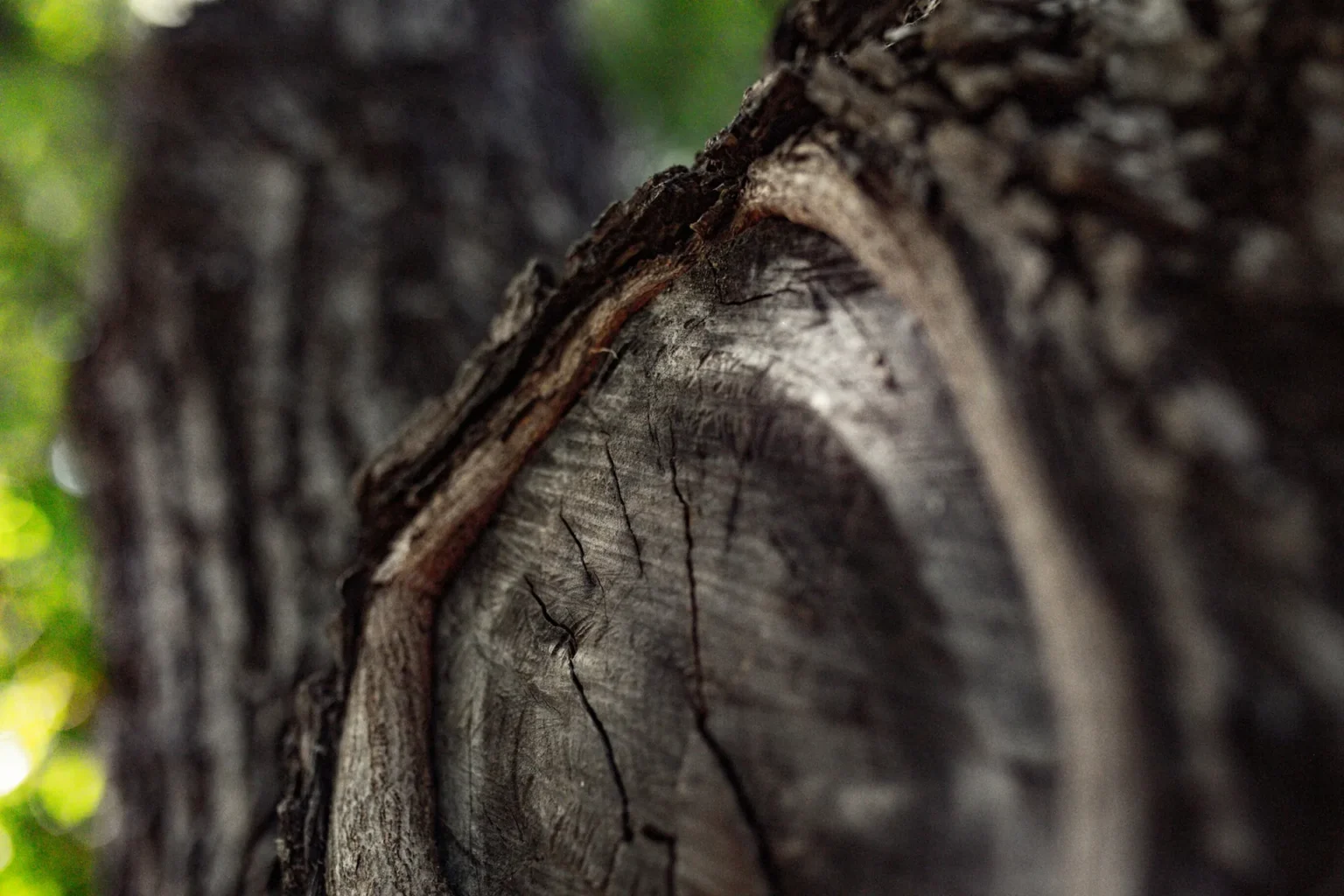
The brochure says a correct cut is made just outside the branch collar, and that flush cuts can leave dead spots in the trunk above and below. Poor past cuts can leave weak spots, which is why our storm proofing and repair work looks at earlier pruning as well as the storm damage in front of us.
Pruning, Removal, and the Glen Rock Tree Permit
Pruning sits right next to the borough’s permit rules. According to the borough notice dated January 3, 2025, the council passed an ordinance on October 23, 2024 that adds section 208-10 on removing and replacing trees on private property. A permit from the Building Department is required before a tree with a trunk of 6 inches or more, measured 4½ feet above the ground, comes out.
Removal can carry a real cost. The borough application form sets a replacement of one tree, or a $750 payment to the Glen Rock Tree Trust, for a tree of 6 to 11.99 inches, and two trees or $1,500 for 12 to 23.9 inches, with more for larger trees. The plan describes a $100 permit review, and it says lots under 11,200 square feet need no more than two replacements per tree.
The permit applies to removal, so a tree that good pruning can save may never need an application. Dead or diseased trees are treated differently. The form asks for written documentation from a New Jersey Licensed Tree Expert for a dead or diseased tree, and the plan says hazardous, dead, or diseased trees are not subject to replacement. Applications must arrive at least 15 working days before non emergency work, and emergency work on imminently dangerous trees can be filed afterward with clear photographs and the trunk measurement.
The borough is not working from a blank slate. Its plan says canopy loss over the past ten years has accelerated mainly because of private tree removals, and that staff were handling 15 to 20 private removal permit requests a month. That is the reason the rule exists, and it is a good reason to ask an arborist what a tree really needs before assuming it has to go.
Questions to settle before a tree comes out
- Trunk diameter measured 4½ feet above the ground
- Whether a licensed expert can document decay or disease
- Whether pruning could solve the problem instead
- Replacement planting or a Tree Trust payment if required
When removal is the honest answer, our tree removal services include the paperwork conversation, and we ask owners to confirm the current ordinance with the Building Department at Borough Hall. Our guide to choosing an arborist covers what to ask before anyone cuts.
Protecting Glen Rock Trees Through Careful Pruning
The plan lists Diamond Brook Park, Thielke Arboretum, Sycamore Park, and the Glen Rock area of Saddle River County Park among the borough’s public green spaces. It also sets a goal of removing English ivy from trees in parks and streets and teaching residents to do the same. A fall walk around your own yard for dead wood, crossing limbs, and ivy climbing a trunk is a sound first step toward tree trimming in Glen Rock done on your terms.
Our crews are ISA Certified Arborists and New Jersey Certified Tree Experts, and Reliable Tree Service is family owned since 1960. Call us at (201) 943-4141 and we will look at what a tree needs, whether that is a careful pruning, a support cut, or an honest talk about removal.
The plan also records that about 150 ash trees were treated for emerald ash borer over five years, most recently in August 2025. That is a useful reminder that a tree worth keeping usually needs steady attention rather than one dramatic visit, and our tree pest management visits fit the same approach.
Related Articles

Tree Storm Repair in Ridgefield Park NJ: Damaged Trees, Village Rules, and Next Steps
Ridgefield Park has looked after its public trees since 1979, the year Hurricane David destroyed 79 of them in less than a day. This guide covers storm repair in Ridgefield Park, from first safety steps to village permit rules.
Tree Removal in Edgewater NJ: Permits, Hazard Trees, and Replacement Planting
Edgewater asks for a borough application before many trees come down, and its ordinance treats hazard trees differently. This guide covers the permit steps, warning signs of a failing tree, and what replacement planting requires.
Land Clearing in Oakland NJ: Tree Permits, Root Zones, and Fall Planning
Oakland’s tree ordinance treats clearing a wooded lot differently from removing a single tree, and the roots left behind decide how the lot ages. This guide covers borough permits, root protection, and fall planning for wooded properties.
Tree Pest Management in Harrison NJ: Spotted Lanternfly and Tree of Heaven in Fall
Spotted lanternflies lay eggs in October and tree of heaven draws them in, so fall is the time to look closely. This guide covers tree pest management in Harrison from the first signs to what to do about egg masses.
Tree Feeding in Rutherford NJ: When Fall Fertilizing Helps Mature Shade Trees
A tree that looks tired is not always hungry, and fertilizer at the wrong time can do harm. This guide covers tree feeding in Rutherford from soil testing to timing and placement.
Stump Grinding in Kearny NJ: What to Know After a Tree Comes Down
A stump is a piece of the ground, and in Kearny the town rules, utility marks, and soil all affect what happens next. This guide covers stump grinding in Kearny from approval to replanting.