Table of Contents
Tree Care in Garfield, NJ
Garfield is a city in Bergen County that began as a borough. According to Wikipedia it was incorporated on March 15, 1898, from parts of Saddle River Township and Wallington, and it became the City of Garfield on April 19, 1917, after a referendum. It covers 2.19 square miles, only about 3.65 percent of it water, and it borders Elmwood Park, Lodi, Saddle Brook and South Hackensack. The Saddle River forms the line with Wallington, and three bridges carry traffic over the Passaic River to Passaic and Clifton.
That is a compact, built up place, and the trees in it live close to houses, wires, driveways and sidewalks. Tree trimming in Garfield is therefore less about shaping a big yard tree and more about managing the space a tree has been given. The public land shows the same pattern. The Bergen County Parks page for Dahnert’s Lake County Park describes a park of 10 acres in a busy urban center, with a playground, a roller hockey rink, catch and release fishing and a walking path.
This guide covers tree trimming in Garfield as late fall begins, when the leaves are down and every limb can be read from the ground. We drew on the Wikipedia article, the county park page, the City of Garfield website, two International Society of Arboriculture brochures and a Rutgers fact sheet, all read on November 20, 2026. Local rules change, so confirm any permit question with the City before work starts.
Reliable Tree Service is family owned since 1960 and works across Hudson and Bergen counties from Cliffside Park. Our tree trimming and pruning crews work to the standards in the brochures we cite here, and we are glad to walk a lot with an owner and explain what each cut would do.
Neighboring towns face the same questions on their own terms. See our guides to tree maintenance in Wallington, tree pruning in South Hackensack and storm proofing in Saddle Brook, or browse our Garfield tree care articles page for the local articles we write for the city.
Tree Trimming in Garfield Starts With a Reason and a Season
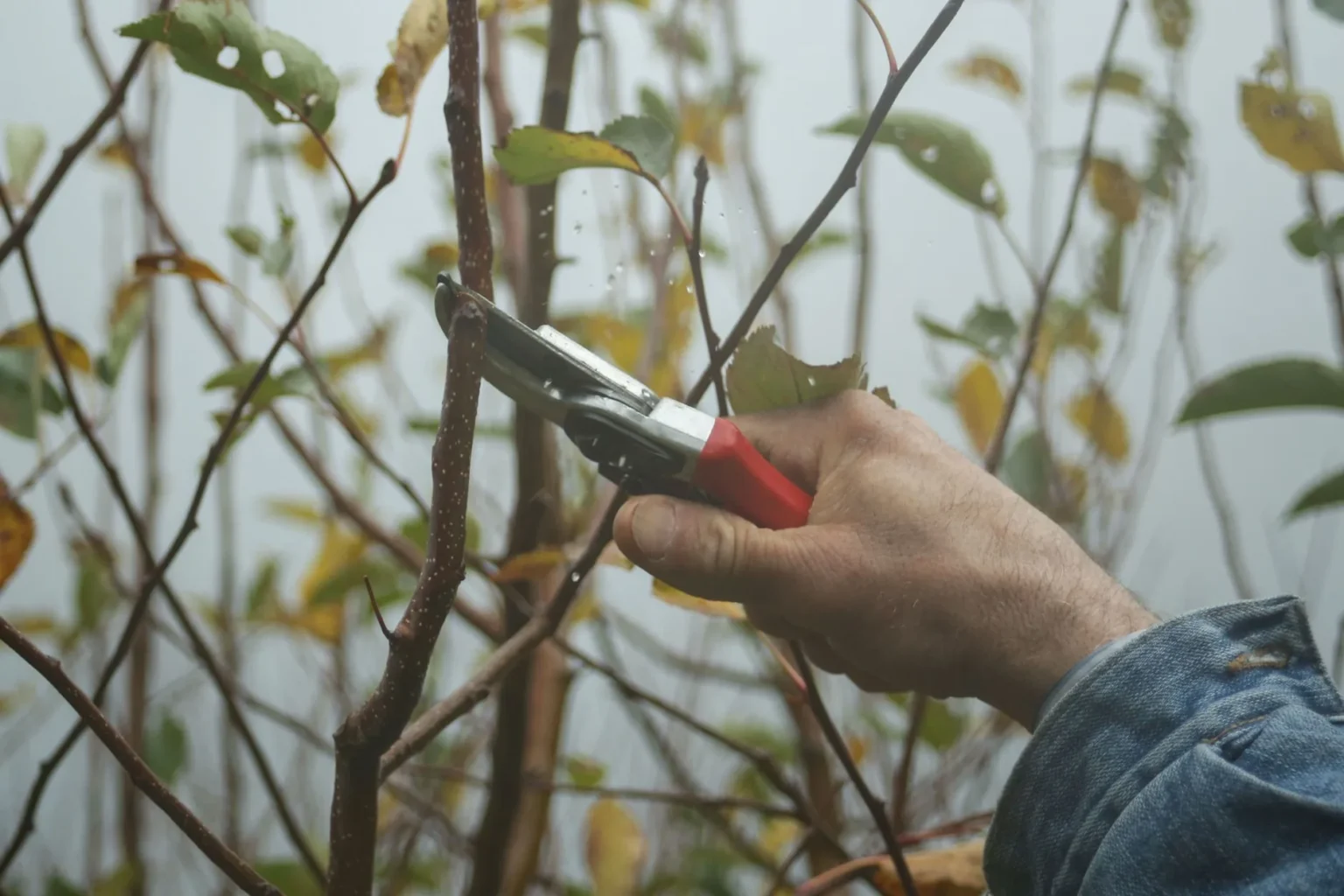
Pruning has a reason behind every cut. The International Society of Arboriculture brochure on pruning mature trees says no branch should be removed without a reason, and it lists the common ones: removing dead branches, improving form, reducing risk, letting light and air into the crown and clearing space for buildings and wires. On a tight Garfield lot the clearance reasons come up first, because a limb that touches a roof or crowds a driveway is a limb with a job to do.
The same brochure explains why timing matters. Light pruning to remove weak, dead or diseased limbs can be done at any time of year with little effect on the tree. Growth and wound closure are best when pruning happens before the spring growth flush, which makes late fall and winter a sensible window for tree trimming in Garfield. Maples and birches may bleed sap if they are cut early in spring, which looks messy but matters little to the tree.
Heavy cuts on live tissue just after spring leaf out are the ones to avoid. At that point a tree has spent a great deal of stored energy on new foliage, and removing a large share of it can stress a weak tree. Some diseases, such as oak wilt, can also spread through fresh pruning wounds, so a susceptible tree should not be cut during the active transmission period.
That is why we plan trimming around the tree and not around the calendar alone. A sound maple on a quiet street and a decayed oak over a garage are different jobs, even in the same week. Edward Hufnagel, who owns Reliable Tree Service, puts it this way: “A pruning cut is a decision the tree lives with for the rest of its life. Cut back to the collar, take only what the reason calls for, and leave the rest of the crown to do its job.”
Reasons that justify a cut on a city lot
- Dead or dying limbs over roofs and walkways
- Weakly attached branches at a crowded union
- Limbs rubbing a house, fence or wire
- Low branches blocking cars and sidewalks
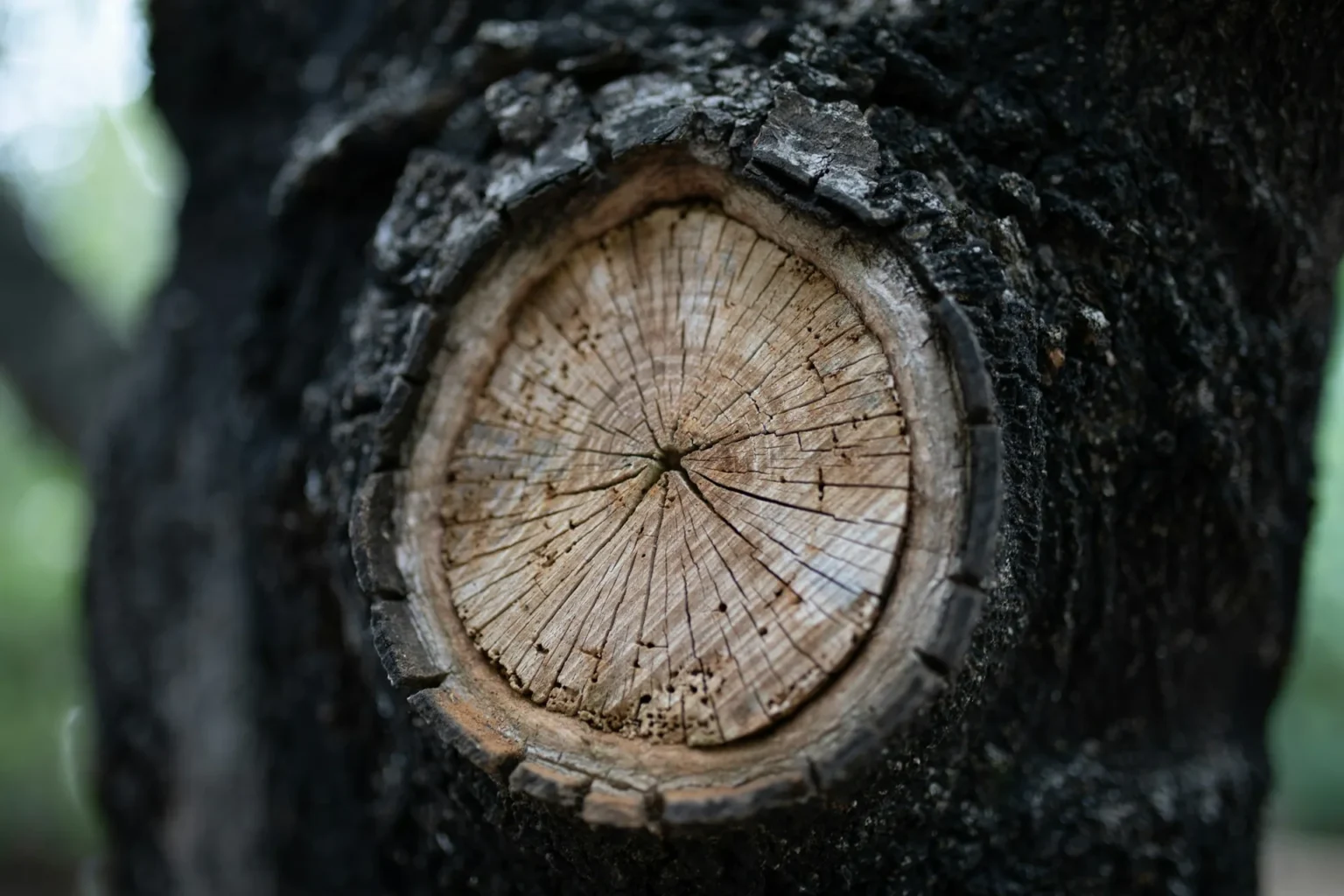
The cut itself matters as much as the reason. A correct cut removes the branch just outside the collar, the swollen ring where the limb meets the trunk, and never flush to the trunk, because tissues above and below a flush cut often die. Our tree maintenance visits often end with the owner leaving more of the tree alone than expected, which is a good result.
The 25 Percent Rule and Why Topping Hurts Trees
The most useful number in any pruning conversation is 25 percent. The ISA brochure says that generally no more than a quarter of the crown should be removed at once, and less for mature trees, because younger trees tolerate the loss of living tissue better. The Rutgers Cooperative Extension fact sheet on hiring a tree care professional makes a similar point and says proper pruning should not remove more than 25 percent of the branches or limbs in a given year.
The reason is energy. Leaves make the sugars a tree uses for growth and defense, and heavy removal cuts into the reserves it needs to seal wounds and push new growth. Dense city trees tempt owners to take off too much, because the crown is crowding something, so the discipline is to take the limbs that matter and stop. For a large limb the brochure describes three cuts: an undercut 12 to 18 inches from the trunk, a top cut just beyond it that drops the limb, and a final cut back to the collar that removes the stub without tearing bark.
Topping is the practice every homeowner should know how to refuse. The ISA brochure on why topping hurts trees calls it the indiscriminate cutting of branches to stubs, or to lateral branches too small to take over, and it explains that topping can remove half or all of a tree’s leaf bearing crown. The tree responds by forcing out many new shoots below each cut, and those shoots are weakly attached and prone to breaking in wind and ice, so a tree topped to reduce risk can end up with more risk than before.
The alternative is proper reduction. The brochure says a larger limb should be pruned back to a lateral branch at least one third the diameter of the limb being removed, so the remaining branch can take over as the new leader. Where a tree is simply too large for its spot, replacing it with a better suited species may be the honest answer, and that decision belongs to a conversation with a certified arborist.
Signs a tree has been topped or poorly cut
- Flat stubs with a cluster of upright shoots
- Large wounds between branches with no collar
- Open decay or dark staining at old cuts
- Crown shaped like a ball or a hat rack
If a tree on your lot already shows those signs, a certified arborist can often restore a better structure over several visits. A tree that also looks thin or stressed may benefit from tree feeding, and where decay or a split leaves a tree beyond saving, our tree removal crews can take it down safely.
Hiring a Licensed Crew and Checking City Rules
Pruning large trees is dangerous work. The ISA brochure says that pruning from above the ground or with power equipment belongs with a professional arborist, who brings a trained crew, safety equipment and liability insurance. It also explains that ISA Certified Arborists have passed a comprehensive exam and must keep up their education, and it points owners to the free Find an Arborist and Verify a Credential tools on TreesAreGood.org.
In New Jersey the Rutgers fact sheet adds the state requirements. A business that provides tree care must register with the New Jersey Board of Tree Experts, employ at least one Licensed Tree Care Operator or Licensed Tree Expert, carry liability insurance of at least 1 million dollars and workers compensation insurance, and provide safety training. Advertising must show the registration number. Rutgers also advises owners to be wary of companies that recommend topping, show up unannounced after a storm or ask for payment up front.
The fact sheet tells owners to check municipal ordinances before pruning or removing trees and to make sure the contractor knows them. For Garfield, the City of Garfield forms page showed no tree permit form when we read it, and we did not find a published tree ordinance on the pages we reached. Call the City Clerk at City Hall on Outwater Lane to ask whether a street tree or a larger private tree needs approval before work begins.
Keep the utility in mind around wires. Limbs touching a service line are not a homeowner job, and a street tree may belong to the city rather than the lot owner. A short call before the first cut saves an awkward conversation afterward, and our crews are glad to wait for an answer.
What to ask a tree crew before work starts
- New Jersey business registration and licensed individual
- Proof of liability and workers compensation insurance
- A written estimate naming each tree and cut
- Whether any topping or climbing spikes are planned
A good crew answers all four without hesitation, and it will explain the reason for each cut in plain words. Walk the lot together before the estimate is written, so the trees and the limbs in question are clearly identified.
Protecting Garfield Trees Through Winter and Into Spring
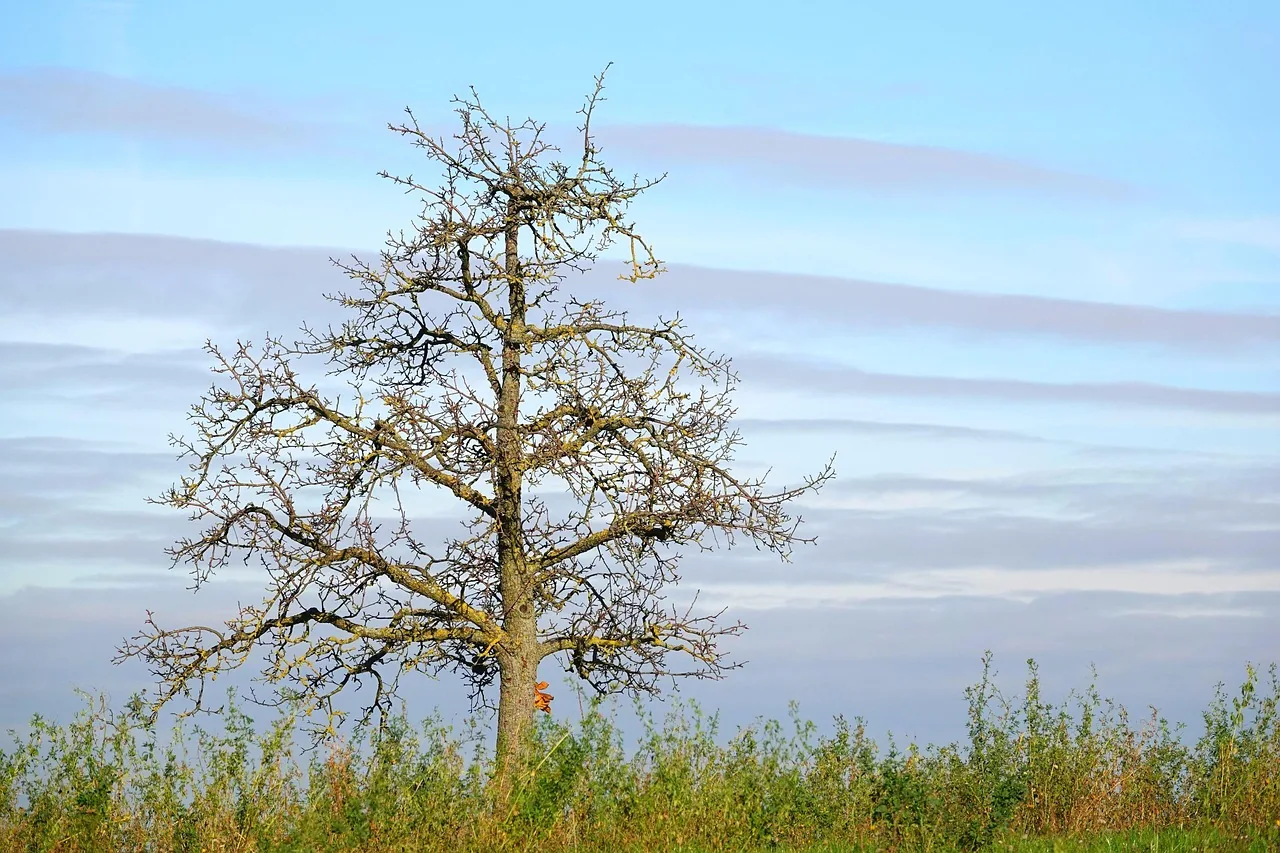
Late fall is a good time to plan tree trimming in Garfield. The crowns are bare, dead limbs and weak unions show clearly, and the pruning window before spring growth is open. Walk the lot, look up, and note the limbs that touch a roof, a wire or a driveway, then decide which ones have a real reason to come off.
Our crews are ISA Certified Arborists and New Jersey Certified Tree Experts, and we have kept this company family owned since 1960 in the same plain way we keep our cuts. Call Reliable Tree Service at (201) 943-4141 and we will talk through what your trees need. If a storm has hit your block, our storm proofing and repair team can check for hidden damage.
Related Articles

Land Clearing in Haworth NJ: Permit Fees by Trunk Size and Replacement Trees
The Haworth tree removal application sets fees by trunk size and ties each removal to replacement trees. This guide covers land clearing in Haworth, from the ten business day filing rule to protecting the trees that stay.
Tree Removal in Harrington Park NJ: Borough Permits, Replacement and Hazard Trees
The Harrington Park tree ordinance asks owners to apply before removing a tree and to replace it by size. This guide covers tree removal in Harrington Park, from the application to hazard trees, stumps and replanting.
Tree Pest Management in Old Tappan NJ: Lanternfly Egg Masses and Borough Shade Trees
Old Tappan’s Shade Tree Advisory page asks owners to get Borough permission before spraying or pruning a shade tree. This guide covers tree pest management in Old Tappan, from spotted lanternfly egg masses to tree of heaven and who to call.

Tree Maintenance in Wallington NJ: Winter Prep Under the Borough Tree Rules
Wallington counts overmulching, excessive pruning and soil compaction as tree removal under its borough code. This guide covers tree maintenance in Wallington, from mulch and pruning cuts to winter inspections and hazard trees.
Stump Grinding in Norwood NJ: Borough Permits, 811 Calls and Replanting
A removed tree leaves a stump, and in Norwood the company that grinds it has to be registered with the borough. This guide covers stump grinding in Norwood, from permits and 811 marks to what to do with the hole afterward.
Tree Risk Evaluation in Maywood NJ: Shade Tree Commission, Hazard Trees and Fines
A tree does not need to be leaning to be a risk, and the borough has its own rules for trees along the street. This guide covers tree risk evaluation in Maywood, from the defects an arborist checks to Chapter 94 of the borough code.