Table of Contents
Tree Care in Harrison, NJ
Tree pest management in Harrison starts with knowing the town. Harrison sits in Hudson County along the Passaic River, and according to Wikipedia it began as a township established on April 13, 1840, then was reincorporated as a town on March 25, 1869. The same page says the town covers about 1.33 square miles and borders Newark across the river. It was once called the “Beehive of Industry” for the factories that filled it, and the page says more than 90,000 workers commuted into a town of about 14,000 residents when manufacturing peaked during World War II.
That industrial past left a particular kind of landscape behind. Tree of heaven, an invasive tree, grows in disturbed ground, and Wikipedia’s entry on Ailanthus altissima says that in the east of its range it grows most extensively in disturbed areas of cities. It also says the tree plays a role in the life cycle of the invasive spotted lanternfly. For a small, dense town with old lots, rail edges, and a waterfront being redeveloped, that makes the work a practical fall subject and not an abstract one.
Reliable Tree Service has been family owned since 1960 and works across Hudson and Bergen counties out of Cliffside Park. This guide explains what the spotted lanternfly does to a tree, why tree of heaven matters, how to tell a pest problem from a plain stress problem, and what a homeowner can reasonably do this month.
Fall is a good time to look, because the adult insects are visible and the next generation is about to be laid. Our tree pest management work starts with identifying what is actually on the tree, since treating a problem that is not there wastes money and can hurt beneficial insects.
Our Harrison tree care guides collect what we publish for the town, and our guide to tree of heaven covers the species in more detail.
Reading the Signs Before Tree Pest Management in Harrison
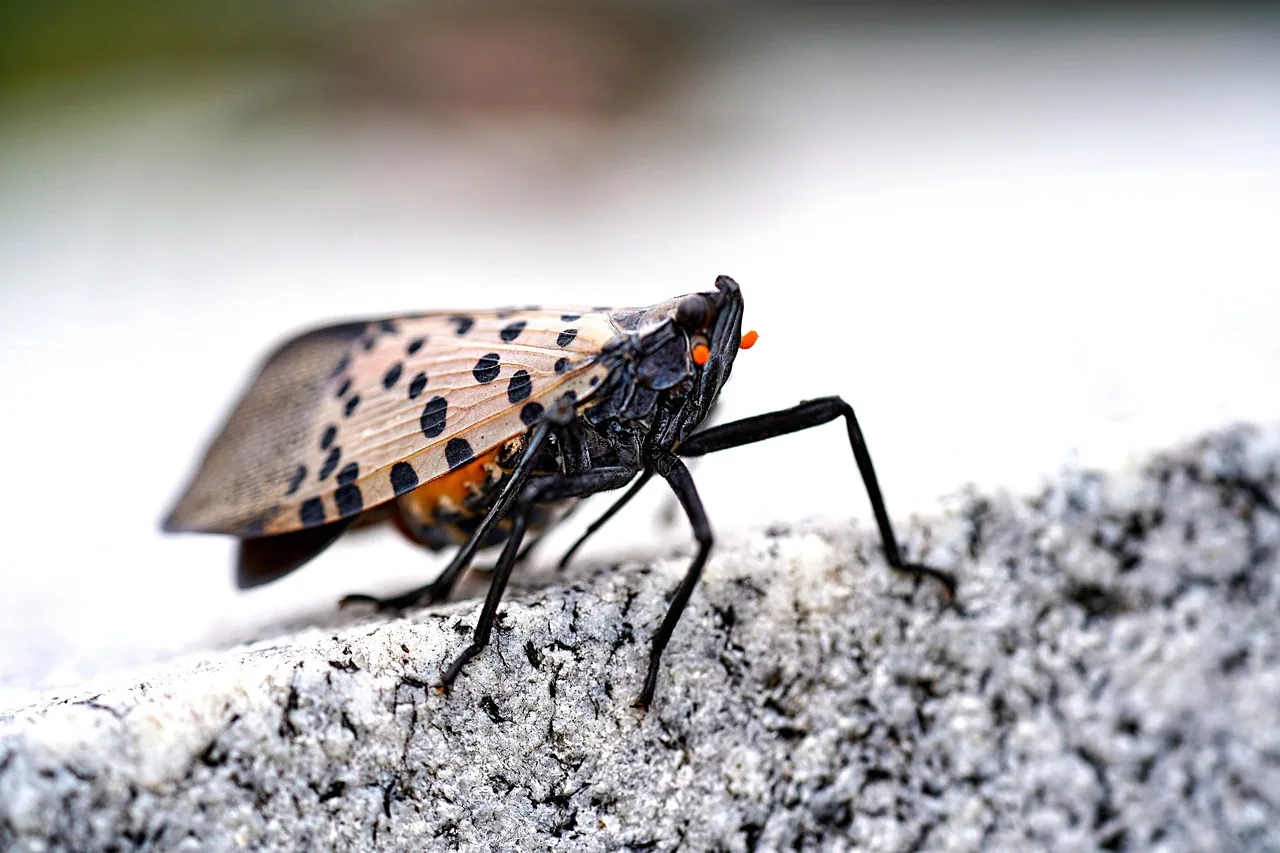
The Rutgers Cooperative Extension spotted lanternfly page explains that the insect was first detected in New Jersey in 2018 and has since been found in every county, and that all New Jersey counties are now under quarantine. Adults grow to about an inch long, with gray spotted forewings and reddish black spotted hind wings. They feed in large groups from August to October and stay until frost.
Rutgers says the insect has sucking mouthparts and feeds on the trunk and limbs of more than 70 plant species. As it feeds it excretes honeydew, a sugary liquid, and the extension notes that honeydew can feed a sooty mold fungus that grows on plant surfaces and reduces photosynthesis and vigor. A sticky film under a tree, a dark coating on leaves or bark, and clusters of insects on the trunk are the signs a homeowner can see from the ground.
The International Society of Arboriculture has a plain insect and disease brochure that makes a point worth repeating. It says most insects are beneficial, that an insect problem is generally secondary to a stress problem, and that damage spread evenly over a large area usually points to physical injury, poor drainage, chemical damage, or weather, while patchy damage may point to insects or disease. In Harrison, compacted soil and paved surroundings are common stressors that make a tree an easier target.
That is why we start with the tree and not the bug. A maple with thin leaves and a trunk wound has a different problem from a maple covered in lanternflies, even if both show honeydew. Our crews look at roots, trunk, and canopy together before recommending anything, which is the careful route the brochure describes. Sound tree pest management in Harrison depends on that first look.
Signs to check on a tree before treating it
- Clusters of spotted insects on trunk or limbs
- Sticky honeydew or dark mold on bark
- Patchy dieback compared with nearby trees
- Wounds, cracks, or heaved soil near the roots
Take photographs of what you see from a few feet back and up close, with a note of the date. A picture of the trunk, the soil at its base, and any insects gives an arborist a head start and lets you compare the same tree next month. It also helps to check neighboring trees of the same species, because a pattern across several trees tells a different story than a single sick one.
If the signs point to stress, the answer may be mulch, watering, or a pruning cut instead of a spray. Our tree maintenance visits cover that side of the question.
Edward Hufnagel, who owns Reliable Tree Service, puts it this way: “A bug on the bark is a clue and not a verdict. We look at the whole tree, roots and soil and structure, before anyone reaches for a spray.”
Tree of Heaven and the Spotted Lanternfly Life Cycle
Rutgers says tree of heaven, Ailanthus altissima, hosts large numbers of spotted lanternflies and is abundant in New Jersey. It typically grows in clumps in sunny areas along highways and disturbed habitats such as field edges, open spaces, and parks. Its relative infestation chart shows spotted lanternflies concentrating on Ailanthus in September, which is why this tree draws so much attention in early fall.
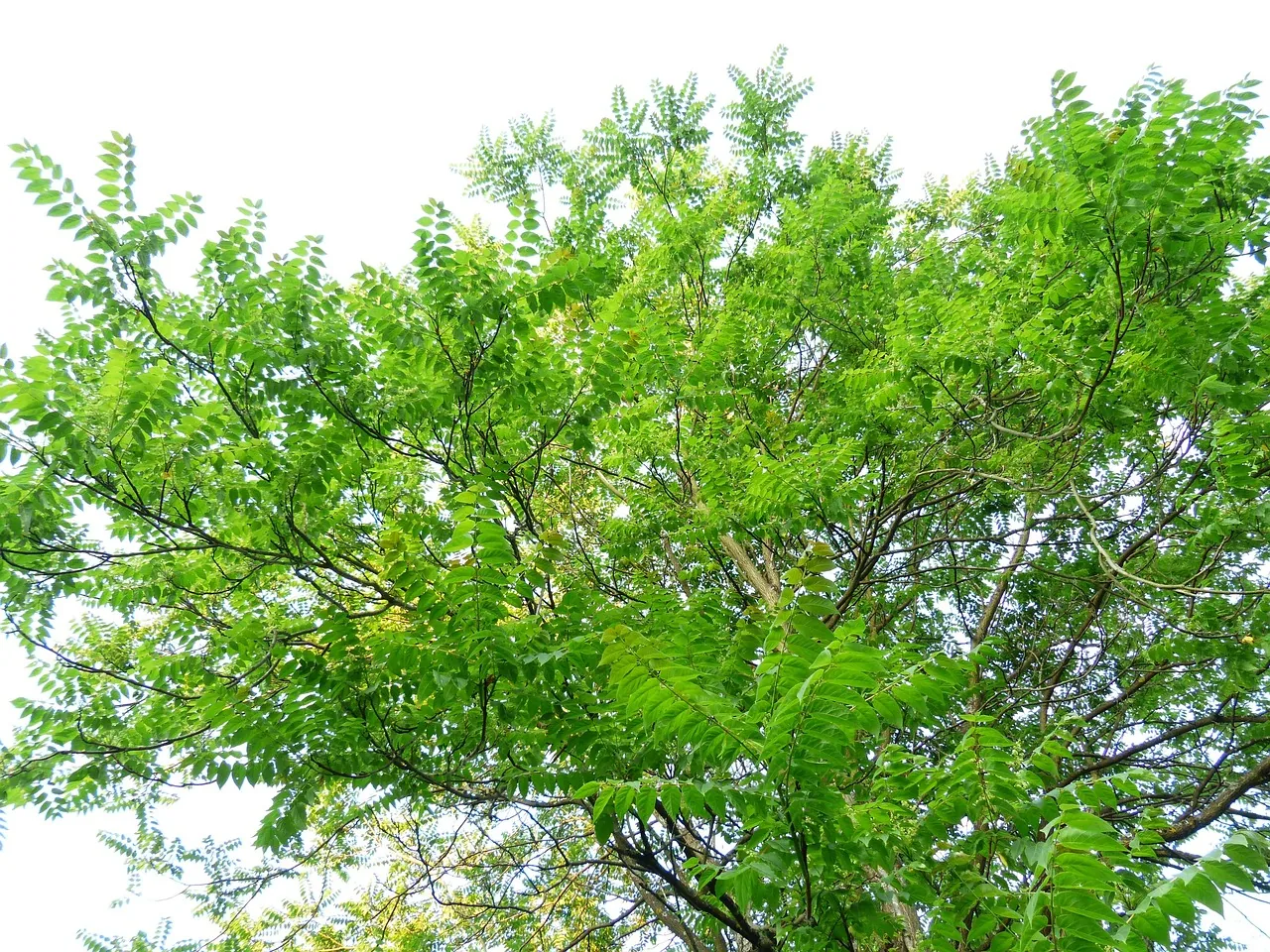
The tree is easy to misjudge. Wikipedia says all parts of it have a strong odor that is often compared to peanuts or rotting cashews, and that its large compound leaves can reach one to three feet long. It also says gardeners soured on the tree because of its suckering habits and odor, even though it was once used widely as a street tree. A volunteer seedling growing from a crack beside a fence or a rail embankment is a common way for it to arrive.
The hard part is removal. Wikipedia says the tree resprouts vigorously when cut, which makes eradication difficult and time consuming. A homeowner who cuts one down and walks away often finds a thicket of sprouts the next season. Our tree removal services crews plan for that regrowth, and our stump grinding work is part of dealing with the stump left behind.
Removing a tree of heaven does not make a property immune. Lanternflies also feed on black walnut, red maple, river birch, and willow, according to Rutgers, so a clean yard can still see adult insects in fall. Removal is a decision about one tree, and it is separate from a plan for the others. On a tight Harrison lot, a tree of heaven often stands close to a fence, a wall, or a neighbor property line, so access and cleanup need planning before a saw starts.
Hosts worth knowing on a Harrison property
- Tree of heaven growing in clumps along edges
- Red maple, a common landscape tree
- River birch and willow near wet ground
- Black walnut, if one is present nearby
If you are unsure whether a young tree is tree of heaven, our guide to choosing an arborist explains what to expect when you ask a professional to identify it.
Fall Egg Masses, Bark Insects, and What to Do Now
October is the month the lanternfly lays eggs. Rutgers says egg laying does not occur until October, that egg masses are laid on smooth surfaces and look like a patch of mud, and that they spend the winter in that stage. Because the insects spend at least a month as adults before laying, Rutgers calls that period a critical time for management.
The same page says that until the effect of natural fungi and predators is better understood, insecticide management and removal of egg masses are the primary lines of defense. Scraping egg masses from a trunk, a fence, or a stone is a job a homeowner can do. Because egg masses ride on vehicles, outdoor furniture, and stored items, Rutgers also advises inspecting those before moving them.
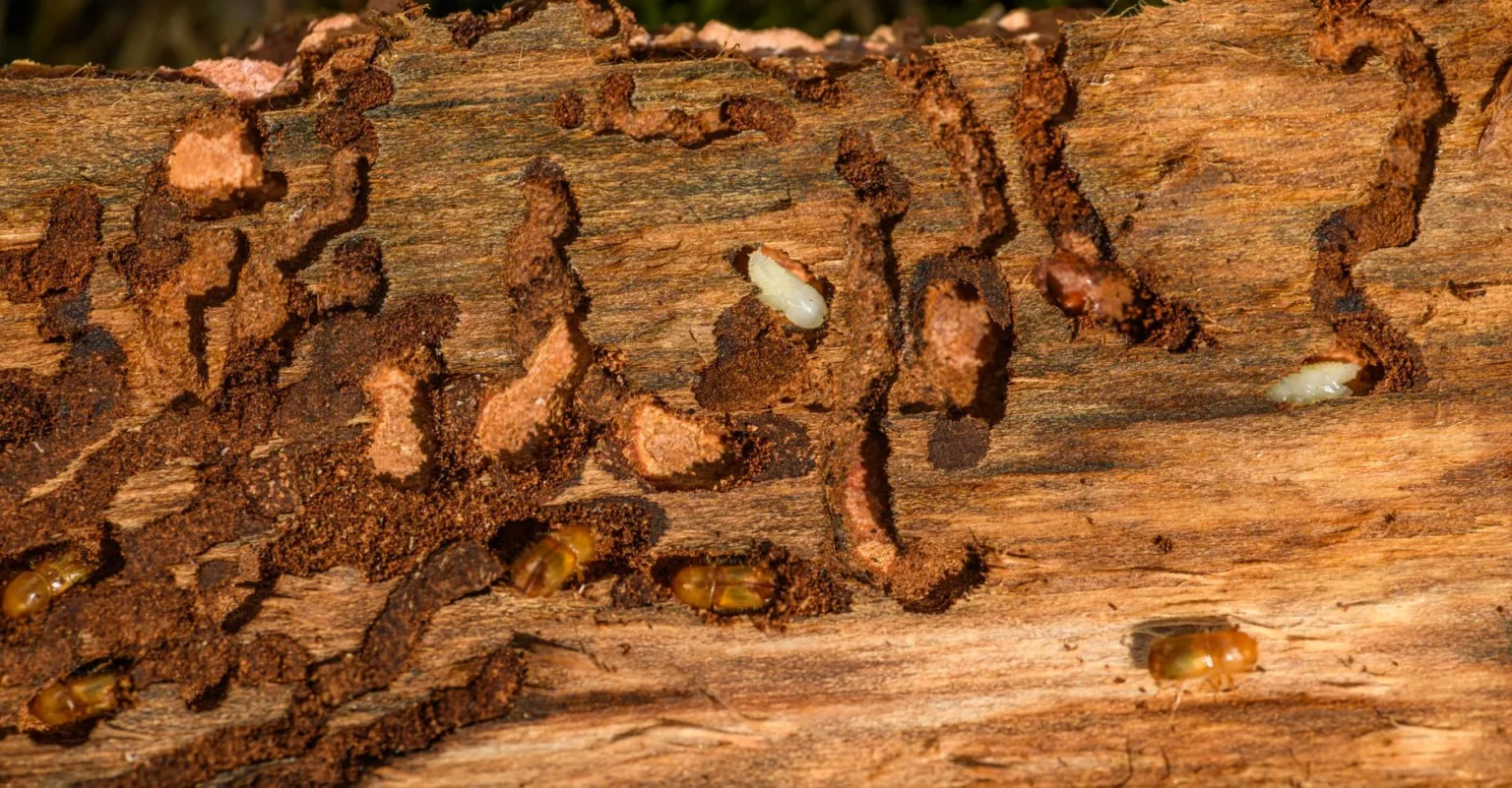
Not every insect on a trunk is a lanternfly, and tree pest management in Harrison has to account for the others. The ISA brochure sorts insects into chewing, sucking, and boring groups, and says boring insects spend time feeding beneath the bark as larvae and some kill twigs and leaves. Tunnels and sawdust under loose bark belong to a different problem and call for a different response. The brochure also warns that treatment without confirming the issue is often ineffective, and that killing all insects without regard for their kind can harm a tree.
Harrison is also changing around its trees. The Observer reported in January 2017 that the town was pursuing grants for a proposed 12.5 acre park on Cape May Street across from Red Bull Arena, with wetlands creation and interpretive signage, as part of its Passaic River waterfront park. Plans change, so confirm the current status with the town. New plantings beside the river will need the same pest watch as the old street trees.
Fall steps for a homeowner or property manager
- Scrape visible egg masses into a bag and seal it
- Photograph insects before any spray decision
- Note which trees show honeydew or dark mold
- Book an inspection before choosing any treatment
We pair this with our tree trimming and pruning service when deadwood or a weak union is found at the same visit, and our Union City pest management guide shows how we handle a similar dense Hudson County setting.
Protecting Harrison Trees Through the Winter
Good tree pest management in Harrison comes down to a short order of steps. Identify the plant, identify the insect, rule out stress, remove what can be removed, and watch the rest. Most trees in a town like this will meet the lanternfly at some point, and a healthy tree with a sound structure handles it better than a stressed one.
Our crews are ISA Certified Arborists and New Jersey Certified Tree Experts, and we say plainly what we find on a tree. Sometimes the answer is a spray, sometimes a cut, and sometimes a note to leave it alone and check again next fall.
Call Reliable Tree Service at (201) 943-4141 to schedule a visit. We are family owned since 1960, and our tree pest management services are built around treating only what needs treating.
Related Articles

Tree Feeding in Rutherford NJ: When Fall Fertilizing Helps Mature Shade Trees
A tree that looks tired is not always hungry, and fertilizer at the wrong time can do harm. This guide covers tree feeding in Rutherford from soil testing to timing and placement.
Stump Grinding in Kearny NJ: What to Know After a Tree Comes Down
A stump is a piece of the ground, and in Kearny the town rules, utility marks, and soil all affect what happens next. This guide covers stump grinding in Kearny from approval to replanting.
Tree Maintenance in Leonia NJ: Fall Care for Mature Shade Trees
Leonia has been a Tree City USA since 1990, and steady care is how its shade trees stay that way. This guide covers tree maintenance in Leonia this fall, from the yearly inspection to mulch, roots, and borough rules.
Tree Trimming in Fair Lawn NJ: Fall Pruning for Mature Yard and Street Trees
Fair Lawn has rewritten how it protects its trees, and careful pruning is the quiet half of that work. This guide covers tree trimming in Fair Lawn this fall, how much a mature tree can lose, and why topping backfires.
Tree Removal in Secaucus NJ: What the Town Permit Means for Your Trees
Secaucus asks owners to get a permit before removing almost any standing tree, dead or alive. This guide explains tree removal in Secaucus, the warning signs that a tree is failing, and how to plan a replacement.
Tree Storm Proofing in Teaneck NJ: Fall Prep for Mature Street and Yard Trees
Teaneck has looked after its street trees since 1995. This guide covers fall tree storm proofing in Teaneck for the yard trees behind the curb, the warning signs to watch for, and who handles what.