Table of Contents
Tree Care in Rutherford, NJ
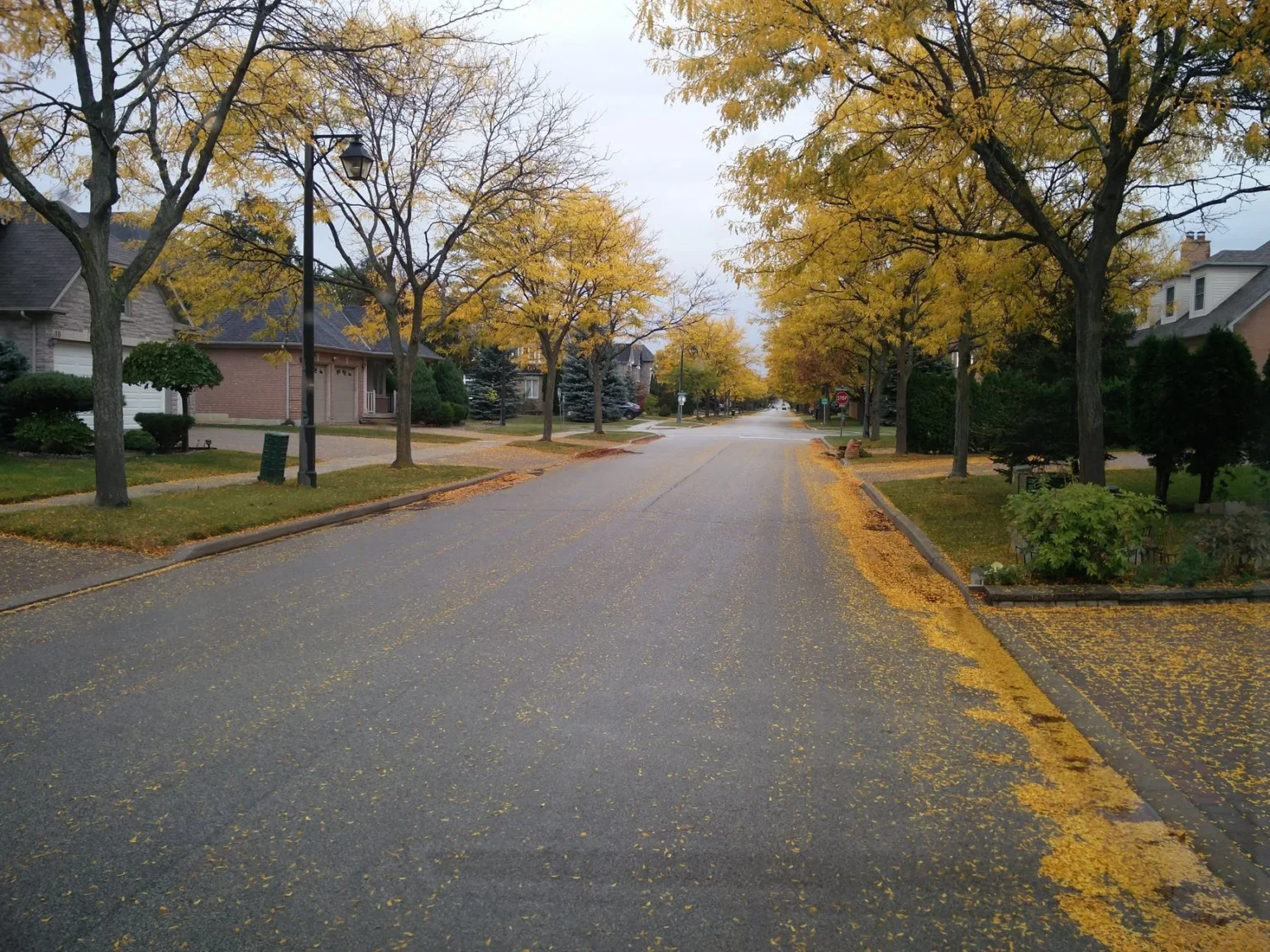
Rutherford sits in Bergen County on a ridge above the Meadowlands, and according to Wikipedia the Legislature made it a borough on September 21, 1881, after a referendum, out of parts of Union Township. The same page says the Passaic River forms its western boundary and that the town is called the Borough of Trees. That nickname is easy to believe on a drive down any shaded street, and it is the reason tree feeding in Rutherford deserves a careful look before anyone spreads a bag of fertilizer.
Public trees in town have an official advocate. The borough Shade Tree Commission page says the commission advises borough officials, the Department of Public Works, and the Shade Tree Division on planting, care, and maintenance of trees on public property. The page describes a large linden planted at Borough Hall for Arbor Day and lists a recommended tree list, emerald ash borer information, a spotted lanternfly guide, watering tips for newly planted trees, and a request and complaint form. It speaks for public trees only, so a tree in your own yard is your decision.
Reliable Tree Service has been family owned since 1960 and works across Hudson and Bergen counties out of Cliffside Park. This guide explains what tree feeding in Rutherford can and cannot do, how to tell whether a tree needs it, why a soil test comes first, and where fertilizer belongs when it is called for.
Fertilizer is one of the most misunderstood parts of tree care. A tree that looks tired is not always hungry, and feeding the wrong tree at the wrong time can do harm. Our tree feeding work starts with a look at the whole tree and its soil before anything goes on the ground.
Fall is the season to plan, not always the season to apply. Our Rutherford tree care guides collect what we publish for the town, and the Leonia fall care guide covers the wider routine of a good fall for mature shade trees.
Reading the Signs Before Tree Feeding in Rutherford
Before any product is chosen, rule out the other causes. An older Connecticut Agricultural Experiment Station fact sheet, dated June 2005, says soil that is too wet or too dry, restricted or girdling roots, and insect or disease damage can all stunt growth. It says that when leaves are normal in size and green and shoot growth is 6 to 8 inches or more, no fertilizer is likely needed. Feeding a tree that has a root problem treats the wrong thing.
The Missouri Botanical Garden gives a similar yardstick. It says a mature tree should add about 4 to 6 inches of new growth a year and a young tree at least 9 to 12 inches. It also says most landscape trees and shrubs do not need fertilizer every year, that fertilizer will not fix drainage, insect, or disease problems, and that too much can make plants more prone to insects, disease, and breakage. We find that last point is the one homeowners hear least.
Oregon State University Extension adds that a tree with fewer leaves that are small and yellowish usually points to a nitrogen shortage, but that reduced growth, leaf discoloration, or pest problems do not always mean a nutrient deficiency. Its fertilizing guide lists wet, cold, or poorly aerated soil, prolonged drought, high soil salt, and root or trunk damage as other causes to check first. Road salt along a Rutherford street can be one of those.
Where the tree stands matters too. The Connecticut sheet says trees in regularly and heavily fertilized lawns may never need deliberate fertilization, while trees whose fallen leaves are removed every year may eventually need it, because about half the nutrients a woody plant absorbs each year end up in the foliage. A tree over a well fed lawn is likely already getting what it needs. A tree in a bare bed with the leaves raked away every fall may be drawing down its soil.
Signs to check on a Rutherford tree before feeding
- Length of the newest twig growth this year
- Leaf size and color compared with last summer
- Whether the lawn under the canopy is already fertilized
- Whether leaves are raked off the root zone each fall
A tree with small pale leaves and short twigs that also has a trunk wound or a heaved root plate has a structural problem, and our tree maintenance visits look at that before they look at nutrients.
Edward Hufnagel, who owns Reliable Tree Service, puts it this way: “Fertilizer is a fix for one kind of problem. If the roots are crowded or the soil stays soggy, a bag of feed only hides the real trouble. We find the cause first and talk about feeding after.”
Soil Testing and Timing in a Northern New Jersey Fall
A soil test is the step that separates a guess from a plan. The Missouri Botanical Garden calls a soil test the best way to determine nutrient needs, and the Connecticut sheet describes how to take one: collect slices from 10 to 12 spots to a depth of 6 inches, mix them, and send one pint. It says results typically come back within 10 business days. New Jersey homeowners can use the Rutgers Soil Testing Laboratory, which directs homeowners to its Landscape and Garden category and sampling instructions and is located in New Brunswick.
Timing is where the sources do not fully agree, and it helps to say so plainly. Oregon State lists late summer or fall, or early spring as growth begins, as the windows for fertilizing shade trees. The Missouri Botanical Garden says the best times are late fall and early spring, that fall feeding should wait until plants are dormant and deciduous leaves have changed color and begun to drop, and that fertilizing from mid summer to early fall can trigger late growth that winter can kill. The Connecticut sheet found a better growth response from spring applications than from autumn ones and says to apply in fall only after leaf fall.
For northern New Jersey the cautious reading is the practical one. In mid October most trees along a Rutherford street still hold leaves, so this is a good week to test soil and a poor week to spread nitrogen. Feeding after the leaves drop or in early spring avoids pushing tender growth right before a freeze.
Oregon State adds a point about product type. For a fall application it recommends an insoluble, slow release fertilizer, because a soluble, high nitrogen product can trigger late growth that an early freeze may damage and leftover nitrogen can leach below the root zone with winter rain. Spring applications can use a soluble product. The label matters as much as the calendar.
What to settle before any fertilizer goes down
- A soil test result in hand, not a guess
- Leaf drop under way or finished
- A product matched to the season
- The root zone mapped past the drip line
If an insect or disease problem is behind a thin canopy, feeding does not address it. The borough lists emerald ash borer and spotted lanternfly information for a reason, and our tree pest management crews can confirm what is actually on the tree.
Where Fertilizer Goes and How Much a Tree Can Use
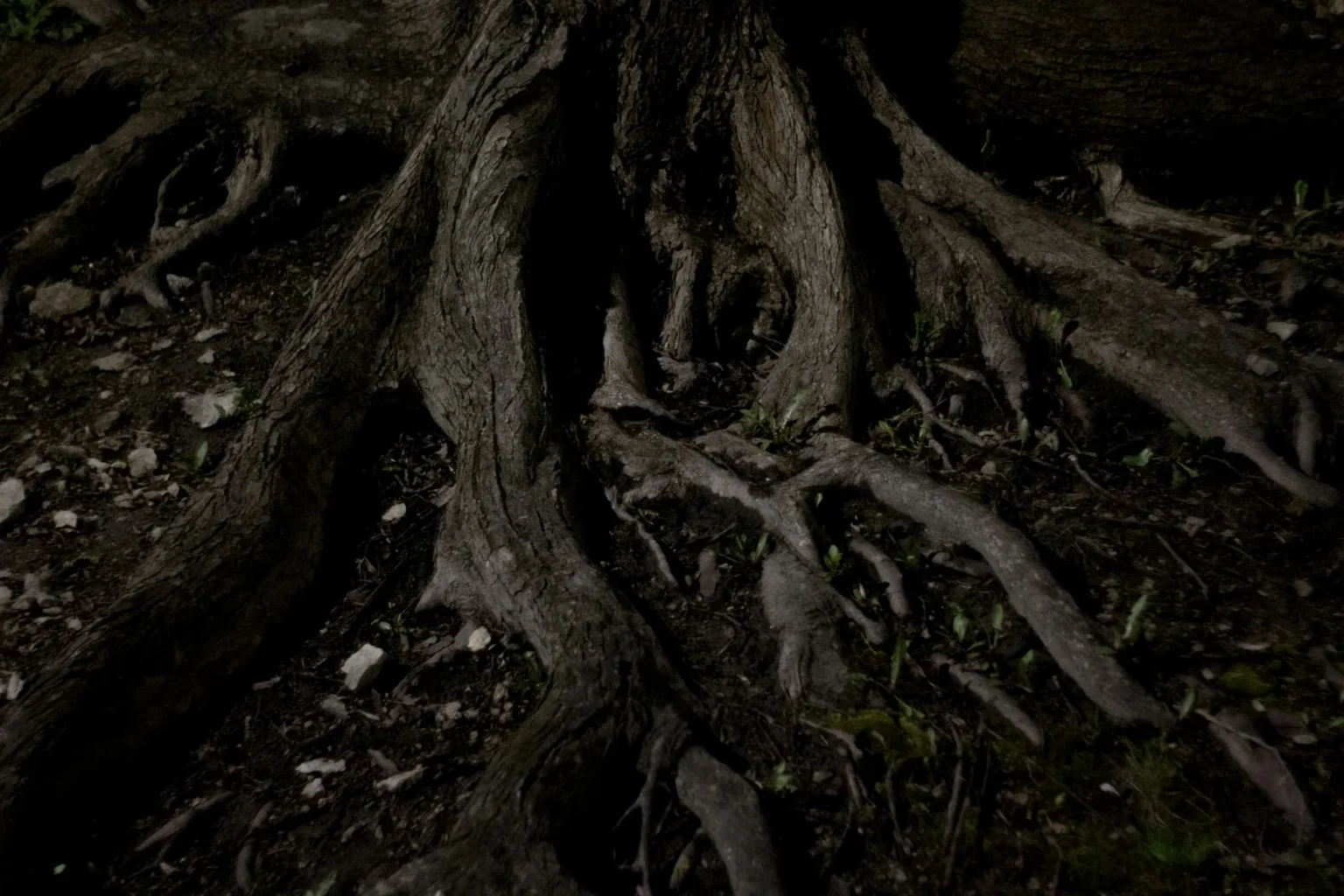
Fertilizer has to reach roots that actually take it up. The Connecticut sheet says tree roots often extend two to three times beyond the drip line and that 80 to 90 percent of the roots sit in the upper 12 inches of soil. Oregon State puts the broadcast area from the trunk base out to 1.5 times the canopy diameter, where most feeder roots grow. Both say to look well past the edge of the leaves, not just under them.
The Connecticut sheet ranks four methods from most to least effective. Broadcasting granular fertilizer on the surface comes first, and subsurface injection of liquid fertilizer, which needs a high pressure pump and needle, comes second. Dry fertilizer in punched or drilled holes works only if the holes are closely spaced, since deep holes of 15 to 18 inches miss most roots. A foliar spray comes last because it is dilute and may need repeating.
Rates are where homeowners go wrong. The Missouri Botanical Garden suggests, without a soil test, 1 to 2 pounds of a balanced granular fertilizer per 100 square feet of root zone for deciduous trees, while the Connecticut sheet gives its numbers per 1,000 square feet and says deliberate tree fertilization is not necessarily needed every year. Oregon State warns that overfertilizing can raise soil salt levels, which harms roots. These sources use different units and different assumptions, which is the strongest argument for working from your own soil test and not from a single rule of thumb.
Lawns add another layer. The Connecticut sheet notes that lawns often receive several times the nitrogen trees need, so overlap is a concern. If a lawn service already treats the grass under a maple, ask what went down and when before adding more.
Ways nutrients reach the root zone
- Broadcast granular fertilizer over the root zone
- Liquid injection below the surface with a pump
- Dry fertilizer in closely spaced drilled holes
- Foliar spray for one specific deficiency
Doing this well takes the right equipment and an honest read of the soil. That is why we pair tree feeding in Rutherford with a look at mulch depth, root flare, and drainage, all of which decide whether a feeding does any good.
Protecting Rutherford Trees Through the Winter
Good tree feeding in Rutherford comes down to a short order of operations. Check the tree for other problems, test the soil, wait for the right season, match the product, and put it where the roots are. Skipping a step usually costs more than the fertilizer.
Our crews are ISA Certified Arborists and New Jersey Certified Tree Experts, and we explain what we see on a tree before we recommend anything. Sometimes the answer is a feeding, and sometimes it is a pruning cut, a change in mulch, or leaving the tree alone.
Call Reliable Tree Service at (201) 943-4141 to schedule a visit. We are family owned since 1960, and our tree feeding service is built around feeding only the trees that need it.
Related Articles

Stump Grinding in Kearny NJ: What to Know After a Tree Comes Down
A stump is a piece of the ground, and in Kearny the town rules, utility marks, and soil all affect what happens next. This guide covers stump grinding in Kearny from approval to replanting.
Tree Maintenance in Leonia NJ: Fall Care for Mature Shade Trees
Leonia has been a Tree City USA since 1990, and steady care is how its shade trees stay that way. This guide covers tree maintenance in Leonia this fall, from the yearly inspection to mulch, roots, and borough rules.
Tree Trimming in Fair Lawn NJ: Fall Pruning for Mature Yard and Street Trees
Fair Lawn has rewritten how it protects its trees, and careful pruning is the quiet half of that work. This guide covers tree trimming in Fair Lawn this fall, how much a mature tree can lose, and why topping backfires.
Tree Removal in Secaucus NJ: What the Town Permit Means for Your Trees
Secaucus asks owners to get a permit before removing almost any standing tree, dead or alive. This guide explains tree removal in Secaucus, the warning signs that a tree is failing, and how to plan a replacement.
Tree Storm Proofing in Teaneck NJ: Fall Prep for Mature Street and Yard Trees
Teaneck has looked after its street trees since 1995. This guide covers fall tree storm proofing in Teaneck for the yard trees behind the curb, the warning signs to watch for, and who handles what.

Weehawken’s Trusted Tree Experts – Trimming, Pruning & Removal
In Weehawken, where history meets the Manhattan skyline, Reliable Tree Service helps every tree tell its story. We specialize in expert trimming, pest care, and precision removals that keep the community’s parks, streets, and waterfront spaces thriving all year.