Table of Contents
Tree Care in Oakland, NJ
Land clearing in Oakland starts with the borough itself. According to Wikipedia, Oakland was incorporated as a borough by an act of the New Jersey Legislature on April 8, 1902, carved out of part of Franklin Township, which is now Wyckoff. The same page says the name comes from the white oak trees in the area, and that the borough covers about 8.77 square miles in Bergen County, roughly 20 miles northwest of New York City.
That land is wooded and hilly, and it is protected in ways many Bergen County towns are not. Wikipedia places Oakland in the Highlands preservation area under the Highlands Water Protection and Planning Act of 2004, and it lists Ramapo Mountain State Forest, Great Oak Park, and the Ramapo River valley among the borough’s features. A homeowner who wants to open up a wooded lot, make room for an addition or a septic repair, or clear overgrown storm damage is working in a place where trees are part of both the identity and the rulebook.
Reliable Tree Service is family owned since 1960 and works across Hudson and Bergen counties out of Cliffside Park. This guide explains how the borough tree ordinance treats clearing, what a root zone is and why it decides the outcome, and how fall timing helps. It is general information, and you should confirm the current rules with the borough before any work starts.
Fall is a sensible time to plan. Leaves are coming down, structure is easier to read, and ground work scheduled now can be permitted before winter. Our land clearing work begins with a walk of the lot to decide which trees stay, which trees go, and how machines will reach the work without crushing what remains.
Our Oakland tree care guides collect what we publish for the town, and our tree removal services cover the individual trees that have to come out.
What the Oakland Tree Ordinance Says About Clearing a Lot
Oakland’s rules sit in Chapter 19 of the borough code, titled Tree Removal, Protection and Replacement. The eCode360 page says the chapter was repealed and replaced by an ordinance added on April 27, 2022. It requires a tree removal permit before anyone cuts down a Landmark tree, an ornamental tree, or any tree six inches in diameter measured four and one half feet above the ground. It also says any firm involved with tree removal or tree trimming must hold a valid Licensed Tree Care Operation license from the State of New Jersey.
Clearing a larger area is treated differently. The chapter defines deforestation as clearing a wooded area greater than 5,000 square feet, and it says land clearing operations are authorized through a final site plan or subdivision approval, with conditions on tree removal and planting set by the Planning Board or the Zoning Board of Adjustment in cooperation with the Shade Tree Commission. It adds that deforestation is not permitted on any property except under a reforestation plan approved by the land use agency. In plain terms, an owner who wants to take out a stand of trees should not assume that a single permit covers it.
For individual trees the review is practical. A commission representative inspects the site and weighs whether removal would harm the remaining trees, change drainage and cause erosion, or fall where a building, driveway, or septic system will go. Dead, diseased, or hazardous trees can be removed without a mitigation plan, though a permit and fee still apply, and the applicant ties a yellow ribbon around each trunk so the proposed work can be inspected. The chapter says the commission representative must respond within 20 business days, so permit timing belongs at the start of a project plan.
Replacement is part of the picture. The ordinance sets a mitigation schedule that asks for more replacement trees as the removed trunk gets larger, and it lists approved replacement species, among them red maple, oak, tulip tree, and white pine, along with species it does not approve, including Norway maple, silver maple, ash, and birch. Those choices matter when you plan land clearing in Oakland, because the trees you plant need room to grow and an opened lot has more of it.
Land clearing in Oakland: what to confirm first
- Whether trunks reach six inches across at chest height
- Whether the cleared area passes 5,000 square feet
- Which trees are dead, diseased, or hazardous
- Which board reviews the lot and the replacement plan
Because the rules differ by project, a call to the borough before work begins saves time. Our tree trimming and pruning crews also keep the notice requirement in mind, since the chapter asks for ten days of notice to the Shade Tree Commission before licensed companies cut or prune trees under the ANSI A300 standards.
Edward Hufnagel, who owns Reliable Tree Service, puts it this way: “Clearing a lot is the easy part. Deciding which trees stay, and protecting their roots while everything around them changes, is the work that decides how the lot looks later.”
Root Zones and Soil on a Cleared Lot
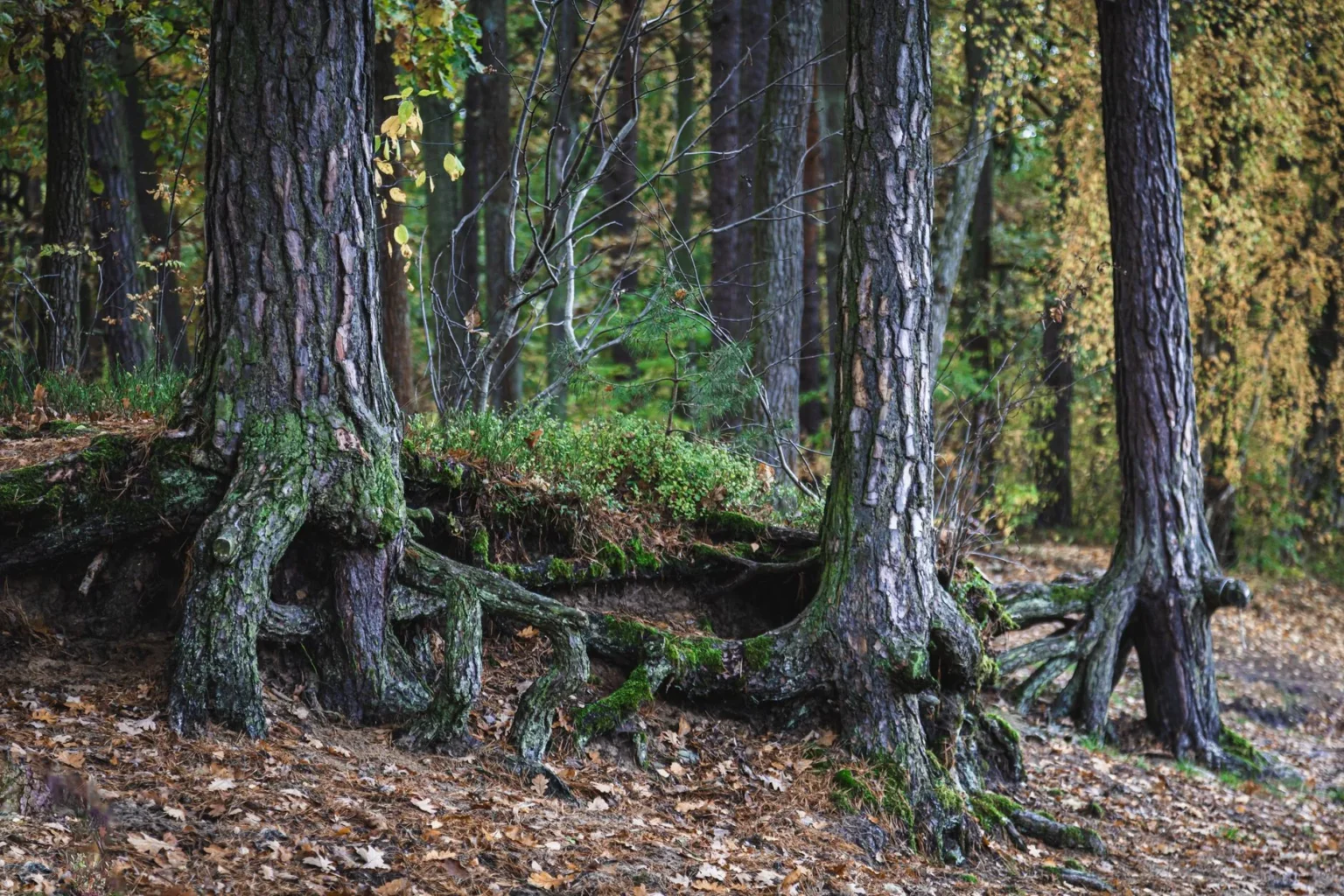
The trees left standing after a clearing take the most risk. The International Society of Arboriculture explains in its brochure on avoiding tree damage during construction that grading, trenching, paving, altering drainage patterns, and adding or removing soil within a critical root zone damages roots, and that if too many roots are damaged the tree will be affected. The critical root zone is the part of the root zone essential for tree health and stability, and it can extend well beyond the trunk and the outer spread of the branches.
Heavy equipment adds a second problem. The brochure says construction equipment increases soil density, called compaction, which slows root growth, limits water penetration, and cuts the oxygen roots need. It also notes that machinery can break branches, tear bark, and wound the trunk, and that wounds weaken a tree and let decay fungi in. Oakland’s ordinance reaches the same worry from the legal side. It calls for snow fencing or another protective barrier at least nine feet from the trunk of any tree that stays, and it bars storing building materials, piling soil, or placing equipment within nine feet of a tree.
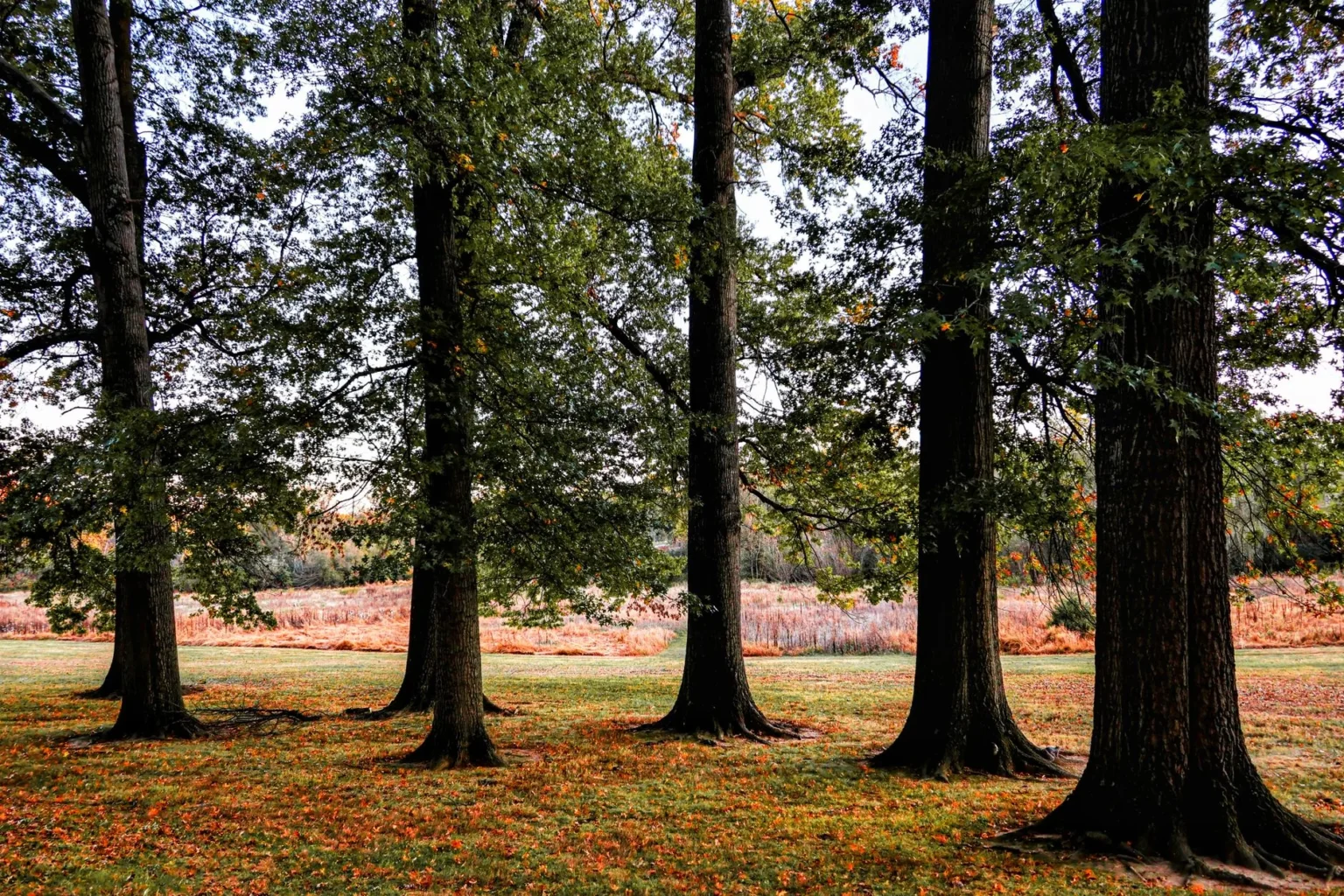
Removing neighbors is a risk too. ISA says closely spaced trees grow as a community, supporting and protecting each other, and that removing some of them exposes the remaining trees to sunscald stress or structural failure. On a wooded lot with oaks and maples standing close together, a thinning cut changes wind and sun exposure for every trunk left behind. That is why we mark the trees to keep before anything is marked for removal, and why we talk through the route machines will take.
Timing helps the soil. Working in fall, when the ground is not baked dry, lets crews use mats or hand work near roots and lets you plan mulch and replanting before winter. Compaction is easier to prevent than to repair, and a few days of care around the roots can decide whether a protected oak thrives for many more seasons.
Protecting roots during a clearing job
- Fence the protection zone before equipment arrives
- Keep soil piles and materials outside the fence
- Route machines over mats or existing hard paving
- Water and mulch the roots after work ends
The same brochure says the sooner and more involved a certified arborist is in a project, the better the chance of keeping trees healthy. We agree, and our tree maintenance visits after a clearing job check the surviving trees for wounds, root loss, and dry soil.
Fall Planning for Wooded Oakland Properties
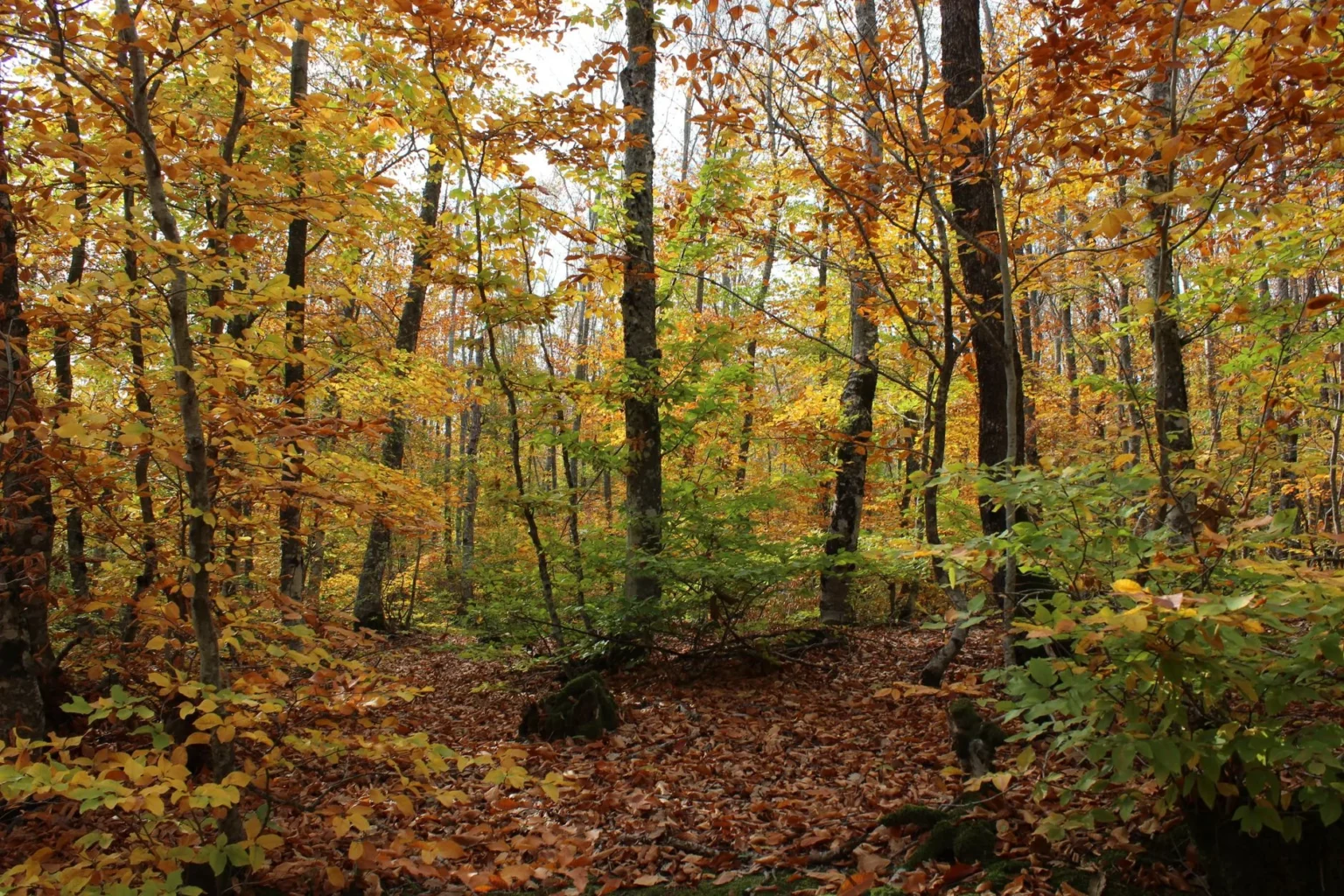
Oakland sits beside Ramapo Mountain State Forest. According to Wikipedia, the forest covers about 4,200 acres in Bergen and Passaic counties and is run by the New Jersey Division of Parks and Forestry. The page says the extension of Route 287 in the early 1990s split the forest in two, and that a footbridge on the Cannonball Trail was built to connect the halves. A wooded lot near a forest like this often has slopes and mature hardwoods, which shapes how clearing is done.
Slopes change the work. The Oakland ordinance tells reviewers to consider whether removal would change drainage patterns and cause soil erosion, and its findings say trees aid in the stabilization of soil by preventing erosion and sedimentation and reduce stormwater runoff. On a hillside, a cleared patch of bare soil can wash in the first heavy rain. We stage clearing so that the roots and ground cover that hold soil stay where they can, and so that debris is not left where it can slide.
Fall also brings storm risk, and that ties clearing to safety. A thinned stand can behave differently in wind, and trees left on the new edge of a cleared area meet gusts they were sheltered from before. Our storm proofing and repair work looks at those edge trees for weak unions, decay, and hanging limbs before winter weather arrives.
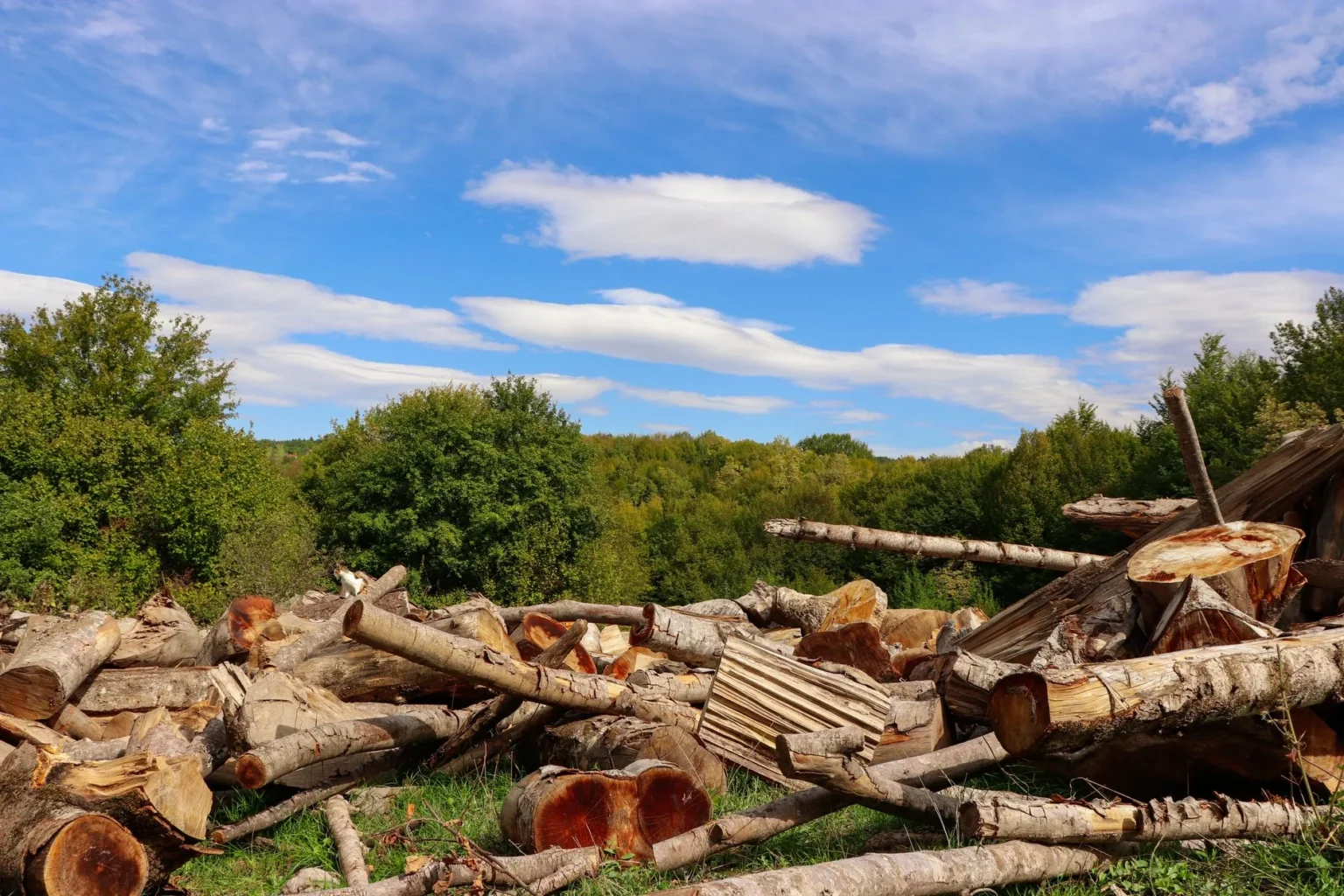
Debris is the other fall question. Cut logs and brush need a plan, whether they are chipped for mulch, milled, or hauled away, and the plan should not bury roots or block drainage. Chips spread thinly over bare soil protect it, while a deep pile against a trunk invites decay. We talk through what happens to the wood before the first cut is made.
Fall checklist for a wooded lot
- Walk the lot and mark the trees to keep
- Photograph trunks and soil before any work
- Confirm permits and notice with the borough
- Plan where logs, chips, and brush will go
Photographs taken before work let you and the commission compare conditions afterward. Our guide to choosing an arborist covers what to ask a company before you sign anything, including licensing.
Protecting Oakland Trees Through Clearing and Beyond
Land clearing in Oakland works best when the plan starts with the trees that remain. Confirm the borough permit and notice steps, fence the roots, keep soil and materials back, and decide what happens to the wood. Those steps cost little compared with losing a mature oak two summers later.
Our crews are ISA Certified Arborists and New Jersey Certified Tree Experts, and we say plainly what we find on a lot, including when a tree should stay. Reliable Tree Service is family owned since 1960, and our land clearing services are planned around permits, roots, and drainage.
Call us at (201) 943-4141 to schedule a visit to your Oakland property. Rules change, so confirm current requirements with the borough before work begins.
Related Articles

Tree Pest Management in Harrison NJ: Spotted Lanternfly and Tree of Heaven in Fall
Spotted lanternflies lay eggs in October and tree of heaven draws them in, so fall is the time to look closely. This guide covers tree pest management in Harrison from the first signs to what to do about egg masses.
Tree Feeding in Rutherford NJ: When Fall Fertilizing Helps Mature Shade Trees
A tree that looks tired is not always hungry, and fertilizer at the wrong time can do harm. This guide covers tree feeding in Rutherford from soil testing to timing and placement.
Stump Grinding in Kearny NJ: What to Know After a Tree Comes Down
A stump is a piece of the ground, and in Kearny the town rules, utility marks, and soil all affect what happens next. This guide covers stump grinding in Kearny from approval to replanting.
Tree Maintenance in Leonia NJ: Fall Care for Mature Shade Trees
Leonia has been a Tree City USA since 1990, and steady care is how its shade trees stay that way. This guide covers tree maintenance in Leonia this fall, from the yearly inspection to mulch, roots, and borough rules.
Tree Trimming in Fair Lawn NJ: Fall Pruning for Mature Yard and Street Trees
Fair Lawn has rewritten how it protects its trees, and careful pruning is the quiet half of that work. This guide covers tree trimming in Fair Lawn this fall, how much a mature tree can lose, and why topping backfires.
Tree Removal in Secaucus NJ: What the Town Permit Means for Your Trees
Secaucus asks owners to get a permit before removing almost any standing tree, dead or alive. This guide explains tree removal in Secaucus, the warning signs that a tree is failing, and how to plan a replacement.