Table of Contents
Tree Care in Washington Township, NJ
The Township of Washington was created by the state legislature on April 13, 1840, from land that had been part of Harrington Township, and it sits in the northern part of Bergen County. It covers about three square miles inside the Hackensack River watershed, according to Wikipedia, with Musquapsink Brook, Pascack Brook, and Schlegel Lake among its waters. Wet ground, mature shade trees, and tight residential lots all come together here.
The township also has a tree code that homeowners should know before they call anyone. Chapter 465 of the municipal code was adopted on September 22, 2025, and it regulates street trees and the removal of trees on private lots. Our risk evaluation in Washington Township starts from that code, because the township defines what a hazard tree is, and an honest evaluation tells you whether a tree meets that definition before any permit is discussed.
Reliable Tree Service has been family owned since 1960 and works across Hudson and Bergen counties out of Cliffside Park. This guide explains what a risk evaluation looks at, how the township code treats roots, pruning and mulch, and which steps the township asks of a homeowner and a contractor.
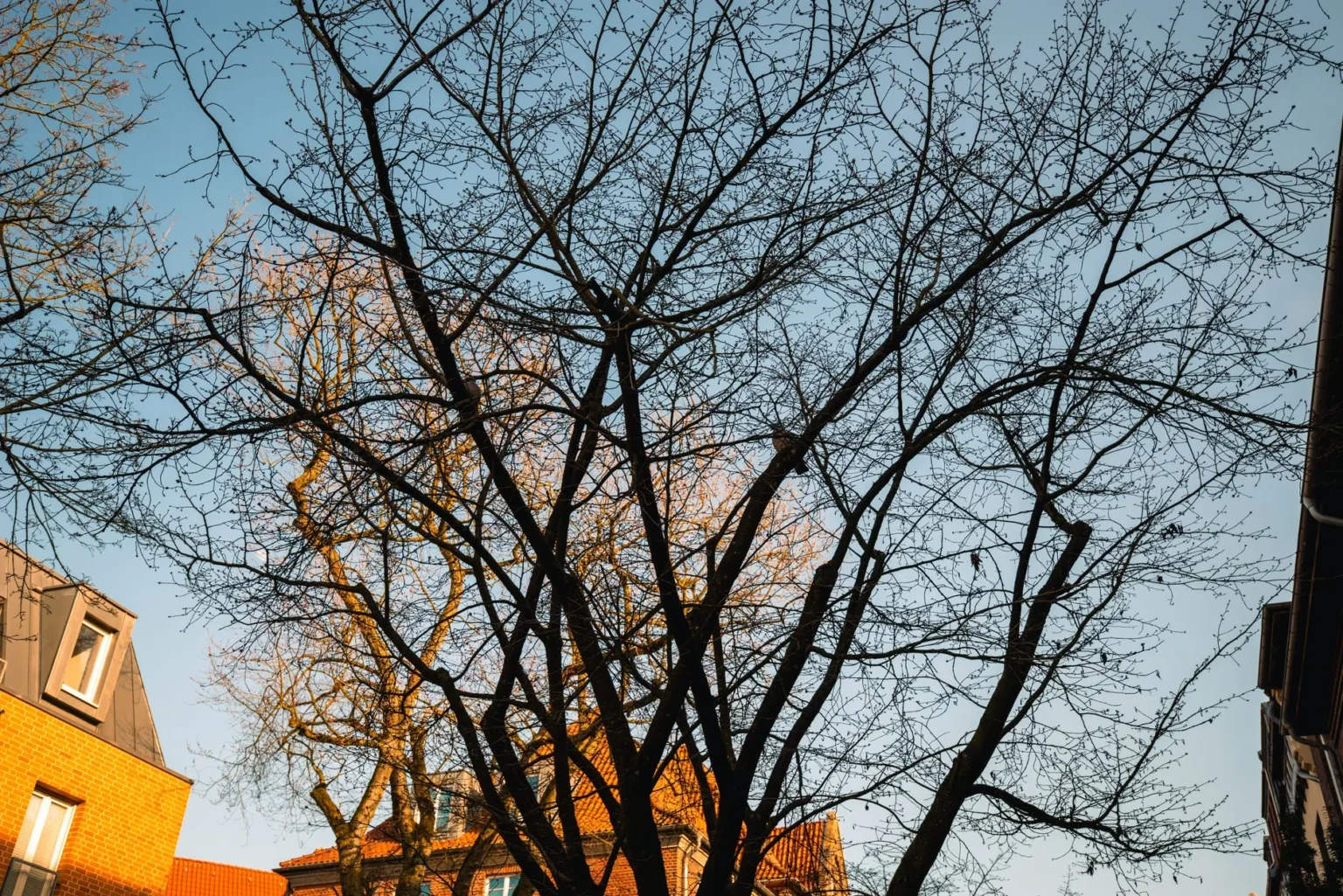
Late November is a good time to look at a tree because the canopy is almost bare. Without leaves you can see the branch unions, the dead wood, and the shape of the crown from the ground. The township is in the middle of leaf season too. Its leaf collection notice says official pickup began on November 2, 2026, and asks residents to keep leaves out of the roadway and away from storm drains, which is a reminder that the ground under your trees is busy this time of year.
An evaluation is easiest when the ground is clear, so rake first and then walk the whole yard. Look up, look at the base, and note anything that has changed since last year. Our other Washington Township tree care guides are collected on one page, and a neighboring example of the same kind of review is our tree risk evaluation in Maywood guide.
What the Township Code Calls a Hazard Tree
The township code gives a clear definition. Chapter 465 says a hazard tree is a tree or limbs of a tree that meet at least one of five tests, as laid out in the Township of Washington tree code. The tree has an infectious disease or an insect infestation, the tree is dead or dying, the tree blocks the view of traffic signs or the free passage of people and vehicles after pruning has not solved it, the tree is causing obvious damage to structures such as foundations or sidewalks, or a certified arborist determines it is a threat to public health, safety, or welfare.
That last test is where a professional evaluation matters. The code also says that a tree proposed for removal only to make room for development is not a hazard tree. In other words, the word has a specific meaning in Washington Township, and a tree that merely annoys a neighbor or drops a lot of leaves does not qualify on that basis alone.
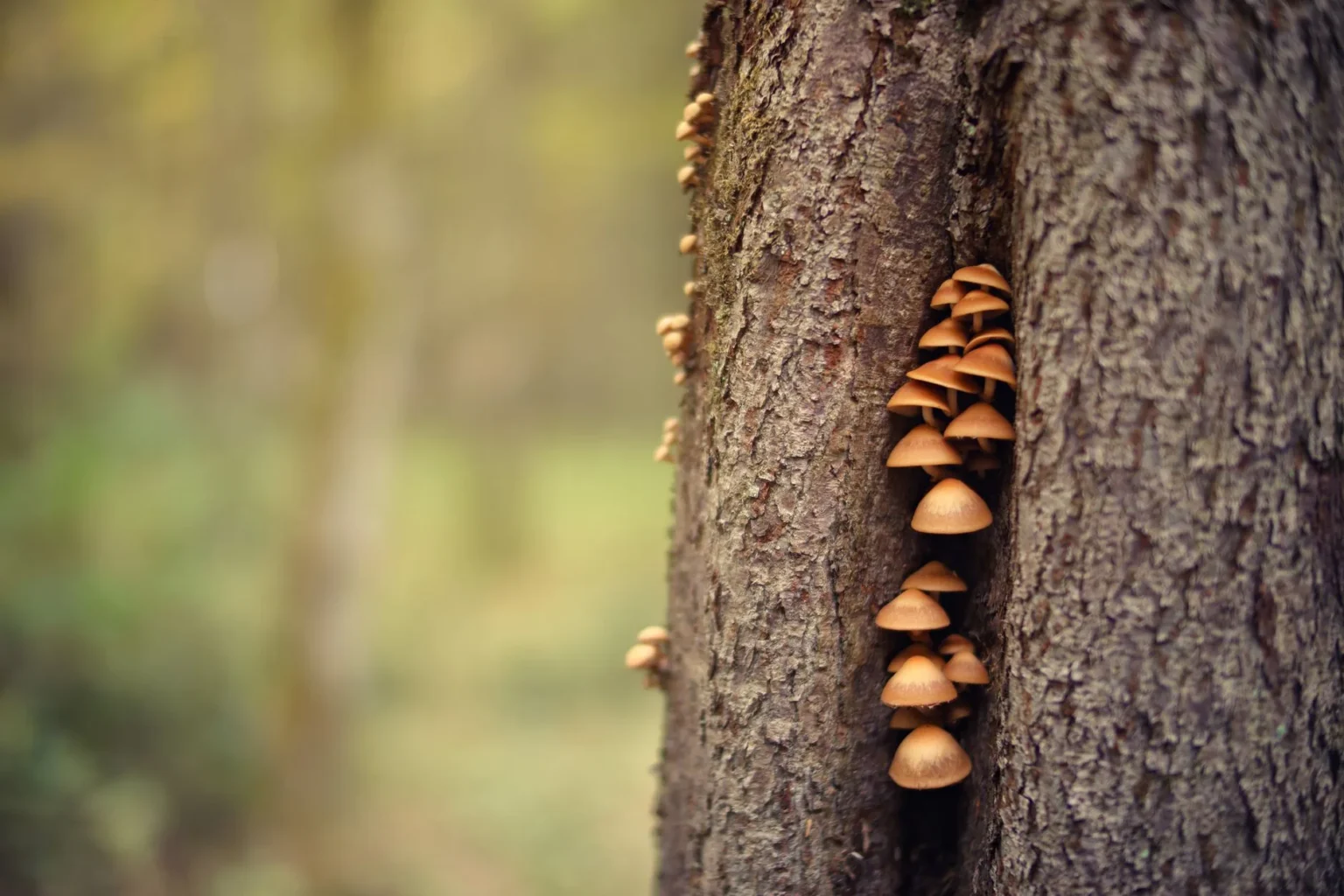
The International Society of Arboriculture gives homeowners a checklist in its Recognizing Tree Risk brochure. It asks about large dead branches, detached or hanging branches, loose bark, cracks or splits in the trunk or where branches attach, cavities or rotten wood, and mushrooms at the base of the tree. It also asks whether the area has been altered by construction, soil level changes, or new lawns and pavement, and whether the tree has been topped or heavily pruned.
The same brochure says that judging how serious a defect is belongs to a professional arborist. A crack on one tree is a cosmetic scar and on another it is the start of a failure. That is why our risk evaluation in Washington Township looks at the whole tree and its surroundings rather than a single flaw, and why we write down what we see so you can compare it next year.
What a risk evaluation in Washington Township checks on a mature tree
- Dead, hanging, and cracked limbs in the canopy
- Branch unions where two stems share one attachment
- Cavities, fungus, and soft wood along the trunk
- Soil lifting or cracking near the root flare
Many findings can be corrected with careful tree trimming and pruning, and others call for support or monitoring. When a tree cannot be made safe, we say so plainly and explain what the township asks of you before it comes down.
Edward Hufnagel, who owns Reliable Tree Service, puts it this way: “A tree tells you what is wrong long before it falls. The job is to know where to look and to look before the weather makes the decision for you.”
Roots, Mulch and Codominant Stems on Township Lots
The township code treats roots and soil as part of the tree. Its definition of tree removal is wider than cutting one down. It includes excessive pruning, toxic substances, over mulching or improper mulching, and improper grading or soil compaction within the critical root radius when the result is the decline or death of the tree. Responsible pruning and maintenance are not counted as removal, which is a useful line to keep in mind when you plan work near a large tree.
The code even shows how to find that radius. The critical root radius is the diameter of the trunk at breast height multiplied by 1.5 feet, so a tree with a six inch trunk has a radius of nine feet. For a large oak or maple the zone is wide, and it often reaches under a patio, a driveway edge, or a flower bed that someone filled with mulch last spring.
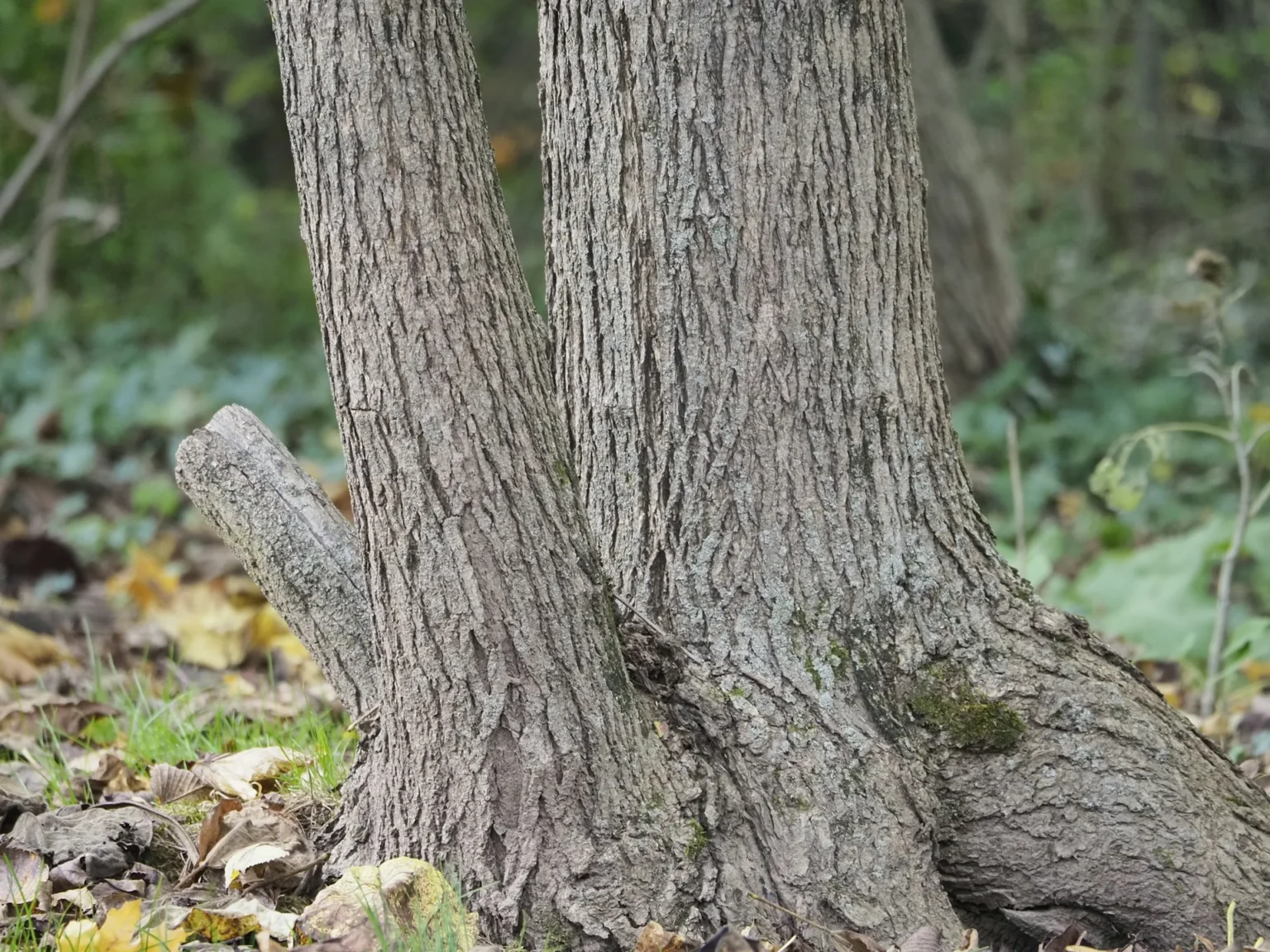
The ISA brochure lists the same causes of trouble. It names construction, grade changes, soil compaction, and poor pruning as sources of wounds, root loss, and decay. It also describes codominant stems, where a trunk divides into two leaders of similar size, as common failure points because the union between them is weak. A crack or separation in the soil near the base can be a sign that roots are moving, especially when the tree also leans.
Washington Township lots give those problems plenty of room to develop. A yard near Musquapsink Brook can stay soft after rain, and saturated soil holds roots less firmly in a wind. Our storm proofing and repair work often begins with exactly this question about the soil, the structure of the tree, and what stands underneath it.
Root zone signs worth a call
- Mulch piled against the trunk like a volcano
- Soil cracks or heaving on the side of a lean
- New paving or fill inside the root zone
- Two trunks joined tightly with included bark
Routine tree maintenance keeps those signs from going unnoticed, because someone trained sees the same tree more than once. A tree that looks fine this fall may show a new lean or a new mushroom next year, and the earlier record makes the change obvious.
Permits, Approved Vendors and Street Trees
Once an evaluation says a tree has to come down, the township has a step by step process. Its Tree Removal Requirements page tells residents to choose a removal company from the Approved Tree Vendor List. If a company is not on the list, the vendor completes a Tree Vendor Registration Application. The resident or the company then submits a Tree Removal Permit Application with a $25 fee, and the page says to allow 10 business days for processing. Fees and timing can change, so confirm them with the township before you schedule the work.
The code adds rules for the trees themselves. Removal of up to three non heritage trees on a building lot within a 12 month period is permitted after a permit is issued. A heritage tree is a single trunk with a circumference of 38 inches or more at four feet above ground, a multi trunk tree whose two largest stems total 60 inches or more, or any tree 35 feet or taller. Those trees get closer review, so a tall oak near the house is more likely to fall into that group than a small ornamental.
Street trees are a separate category. The code defines a street tree as one in the sidewalk, planting strip, or public right of way beside the road, and it requires a permit from the Building Department to cut or remove one. It also says that maintenance of a street tree is the responsibility of the owner of the property next to it. Ask which kind of tree you have before anyone starts a saw.
If the tree is already down or leaning, our tree removal crews can explain the permit steps, and once the trunk is gone our stump grinding service clears what remains. Our guide to urban and suburban tree removal explains why a tight lot changes the plan.
Before work on a Washington Township tree starts
- Confirm the company appears on the approved vendor list
- File the permit application and pay the fee
- Allow the posted processing time before scheduling
- Ask whether the tree is a street or heritage tree
The ISA also gives general hiring advice in its Why Hire an Arborist guide. It recommends checking for an ISA credential, asking for proof of insurance and calling the insurer, checking local permits and licenses, getting more than one estimate, and getting the scope in writing. It warns against door to door offers of bargains.
Protecting Washington Township Trees This Winter
A calm walk around your trees now, with the leaves down, is the cheapest way to find a problem. Take photographs of the base and the unions, write down anything that looks different from last year, and note which trees stand over the house, the driveway, or the street. A risk evaluation in Washington Township turns those notes into a clear plan with the most urgent item first.
Our crews are ISA Certified Arborists and New Jersey Certified Tree Experts, and we are family owned since 1960. If a tree needs work, we will tell you whether it should be pruned, supported, watched, or removed, and what the township asks of you in each case. If it only needs to be left alone, we will say that too.
Call Reliable Tree Service at (201) 943-4141 to schedule an evaluation in Washington Township. We would rather help you find a weak limb now than see it fall later, and our tree feeding service is there if an older tree simply needs better soil care.
Related Articles

Tree Removal in Moonachie NJ: Dangerous Tree Notices and Public Right of Way Permits
Moonachie is a low lying Bergen County borough with its own rules for trees on public ground. This guide explains tree removal in Moonachie, from the borough code and dangerous tree notices to wet soils and curb debris rules.
Tree Storm Proofing in Little Ferry NJ: Wet Soils, Leaf Rules and Winter Wind
Little Ferry sits where the Hackensack River meets Overpeck Creek, and wet ground changes how trees hold in a storm. This guide covers tree storm proofing in Little Ferry, from root stress to borough leaf rules.
Tree Storm Cleanup in Carlstadt NJ: Brush Bundles, Yard Waste Days and Hazard Limbs
Carlstadt sets curb rules for yard waste, brush and wood scrap, and a storm can leave far more than the curb can take. This guide covers tree storm cleanup in Carlstadt, from bundles and bags to the hanging limbs that need a certified arborist.
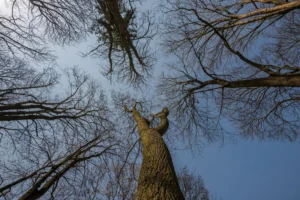
Tree Trimming in Garfield NJ: Late Fall Pruning for Tight City Lots and Shade Trees
Tree trimming in Garfield means working with small lots, wires and mature shade trees in a dense Bergen County city. This guide covers when to prune, how much to take and how to avoid topping.
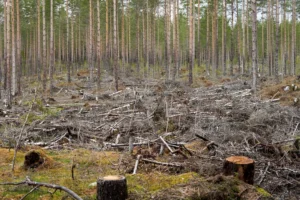
Land Clearing in Haworth NJ: Permit Fees by Trunk Size and Replacement Trees
The Haworth tree removal application sets fees by trunk size and ties each removal to replacement trees. This guide covers land clearing in Haworth, from the ten business day filing rule to protecting the trees that stay.
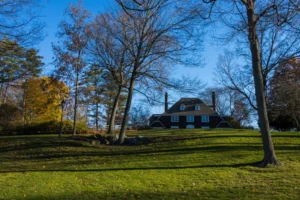
Tree Removal in Harrington Park NJ: Borough Permits, Replacement and Hazard Trees
The Harrington Park tree ordinance asks owners to apply before removing a tree and to replace it by size. This guide covers tree removal in Harrington Park, from the application to hazard trees, stumps and replanting.