
Table of Contents
Tree Care in Rockleigh, NJ
Rockleigh is a borough in northeastern Bergen County. According to Wikipedia it was incorporated on March 13, 1923, from portions of Northvale, covers about 1.01 square miles, and borders Alpine, Northvale, Norwood and Tappan in New York. The same article describes a residential borough of large single family homes on large plots. That is the setting for tree storm proofing in Rockleigh, because big lots tend to hold big, mature trees.
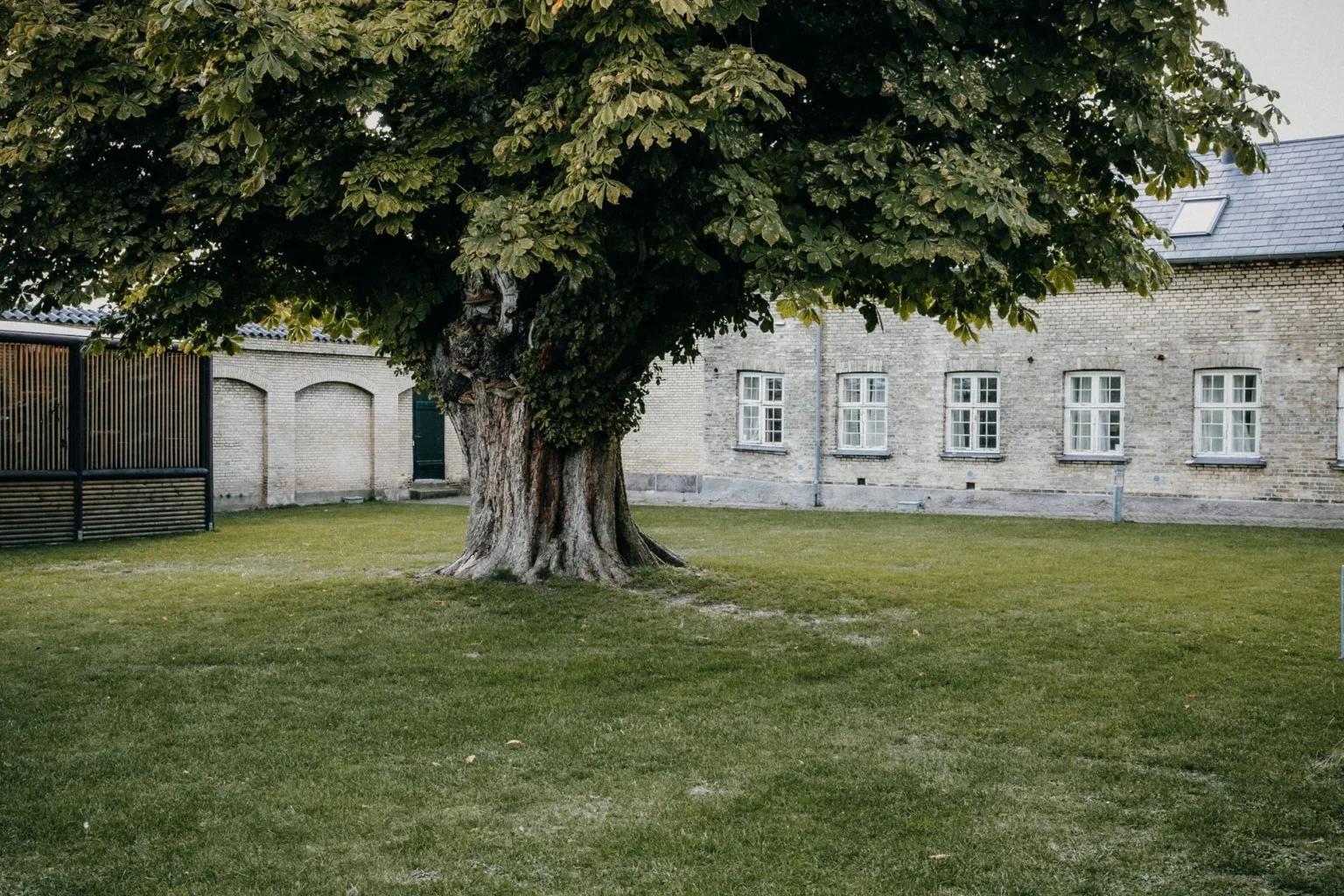
The borough’s own history page describes a 246.45 acre historic district that is rural in character, with open fields and meadows, natural glens and dense wooded tablelands that run up toward the Palisades ridge, with the Sparkill Brook winding through. A wooded borough like this has a lot of tall trees standing close together, and a storm tests every one of them.
This week a storm is on the way. The National Weather Service office in Upton, New York, has issued a Wind Advisory for the Eastern and Western Bergen County zones, running from 10 AM Thursday, November 26, to 5 AM Friday, November 27, 2026. We read the alert text on November 25, 2026, and alerts can change, so check weather.gov for the latest. This guide covers what the wind does to large trees, what the borough tree ordinance asks of owners, and the defects to look for first.
Reliable Tree Service is family owned since 1960 and works across Hudson and Bergen counties from Cliffside Park. Our storm proofing and repair crews look at roots, unions and dead wood before a storm, because the weak spot the wind finds is usually one that was already there.
Rockleigh has quiet neighbors with their own tree rules. We covered tree feeding in Northvale and stump grinding in Norwood, and our guide to tree storm proofing in Little Ferry looks at wet ground and winter wind in another Bergen County borough. For everything we have written about the borough, see our Rockleigh tree care articles.
Tree Storm Proofing in Rockleigh Before the Thanksgiving Wind
The first thing to know is what the forecast says. The Wind Advisory calls for east winds of 20 to 30 mph with gusts up to 55 mph, and its listed impacts are that tree limbs could be blown down and a few power outages may result. It covers portions of northeast New Jersey, including the Eastern and Western Bergen County zones.
Hudson County, where we also work, has a stronger alert. The High Wind Warning for the Hudson zone calls for east winds of 25 to 35 mph with gusts up to 60 mph from 10 AM Thursday to 1 AM Friday, and it says damaging winds will blow down trees and power lines and that widespread power outages are expected. Rockleigh sits in Bergen County, but a property owner with family or a second home across the Hudson County line should know about both alerts.
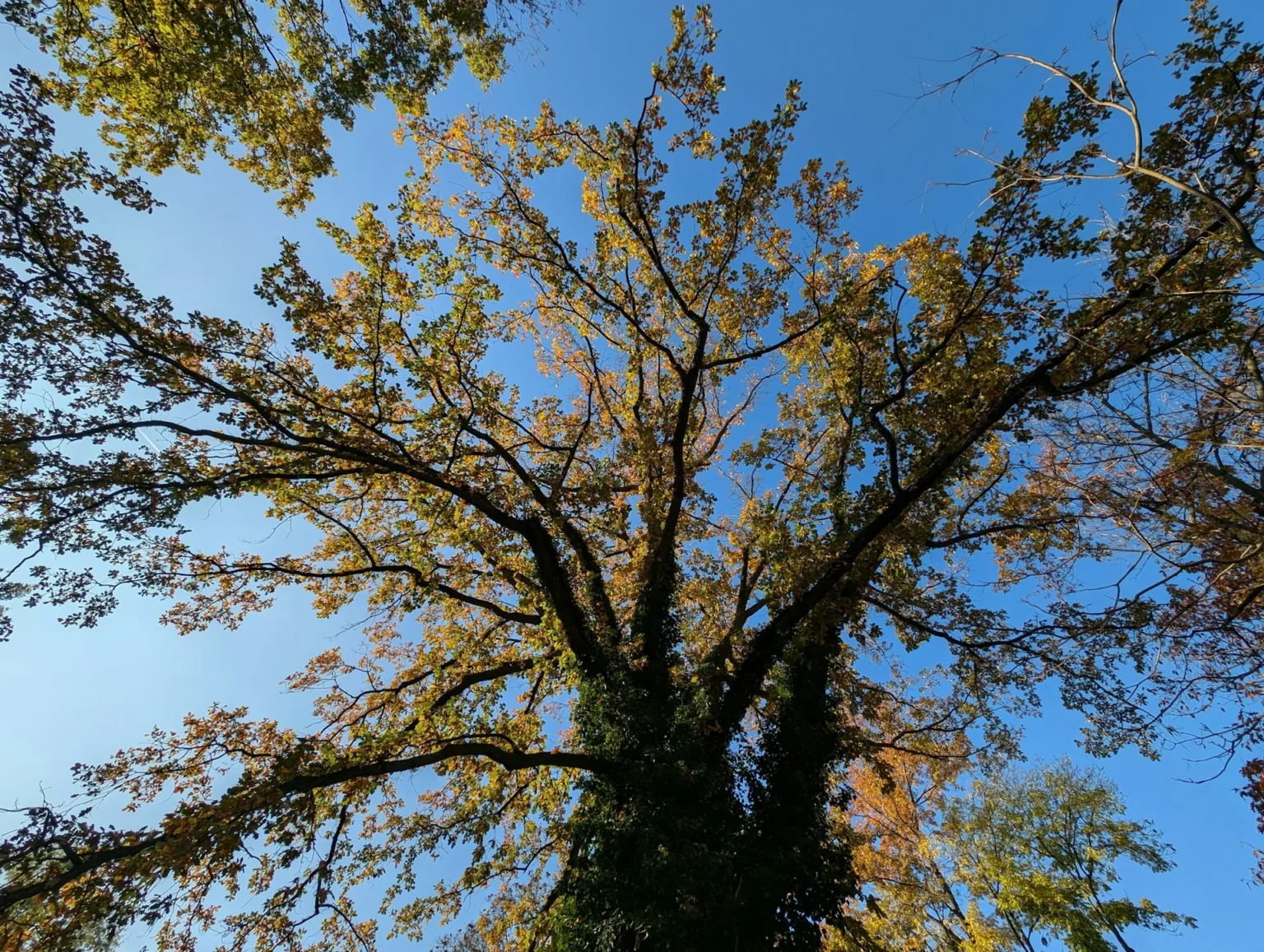
Wind is hard on trees for a simple reason. The International Society of Arboriculture says in its storm related tree damage brochure that strong winds can break branches and even uproot trees, particularly when combined with the softening of soils from heavy rain or snow storms. A large crown acts like a sail, and the roots and the trunk have to hold it. Tree storm proofing in Rockleigh before Thursday is about finding the parts of that system that are already compromised.
The direction matters too. These are east winds, and a tree that rarely faces a strong wind from that side can have little reinforcement there. Trees at the edge of a wooded stand take more of the load than trees inside it, and a tree that was recently exposed by a neighbor’s removal may be seeing real wind for the first time.
What to do before the wind arrives
- Walk the lot and note dead or hanging limbs
- Move cars and patio furniture away from large trees
- Write down the utility outage numbers and charge phones
- Stay clear of any tree that leans or shows cracks
None of this replaces an inspection, but it gives you a head start and a record. Edward Hufnagel, who owns Reliable Tree Service, puts it this way: “Wind finds the weak point in a tree before you do. Check the one you were already worried about while the sky is still quiet.”
Rockleigh Tree Ordinance Rules Owners Should Know Before Storm Cleanup
Tree storm proofing in Rockleigh includes knowing the local rules. The borough adopted a tree ordinance, Ordinance 2024-3, on June 3, 2024. The ordinance says its purpose is to reduce soil erosion and pollutant runoff, promote infiltration of rainwater into the soil and protect the environment. It is a scanned PDF, and we read all of the operative sections on November 25, 2026. As with any local rule, confirm the current wording with the borough before you act.
The rule applies by trunk size. Anyone planning to remove a street tree with a diameter at breast height of 2.5 inches or more, or any other tree with a diameter of 6 inches or more, must submit a Tree Removal Application to the Construction Official, and the ordinance says no tree shall be removed until municipal officials have reviewed and approved the removal. Replacement is tied to the size of the tree removed, from one replacement tree for the smallest category to four for trunks of 33 inches or more, and the application fee runs from $25.00 to $75.00 by category.
Storms are where the hazard tree definition matters. The ordinance lists a tree with an infectious disease or insect infestation, a tree that is dead or dying, a tree causing obvious damage to structures, and a tree determined to be a threat to public health, safety or welfare by a certified arborist or Licensed Tree Expert. Hazard trees may be removed with no fee or replacement requirement, and a person claiming an exemption must give the borough written justification, which can be photographs or statements from a licensed tree expert or certified arborist. The pages we read do not describe a separate emergency process, so call the borough office before any removal that is not truly urgent.
The ordinance also defines tree removal more broadly than cutting a tree down. It includes excessive pruning, applying substances toxic to the tree, over mulching and improper grading or soil compaction within the critical root radius, which is the diameter at breast height multiplied by 1.5 feet. A 6 inch tree would have a radius of 9 feet. Heavy equipment parked on roots during a cleanup can fall into that language, and so can a rushed pruning job. Our tree removal crews work with these definitions in mind.
What to confirm with the Construction Official
- Whether the tree counts as a street tree
- The trunk diameter at breast height
- Whether the tree qualifies as a hazard tree
- Which photographs or statements the borough wants
The ordinance sets a fine of $500.00 per tree for violations, and not less than the cost of the required replacement and planting. A short call and a few photographs before the work starts is much cheaper than sorting it out afterward.
Wooded Lots, Roots and the Defects Wind Finds First
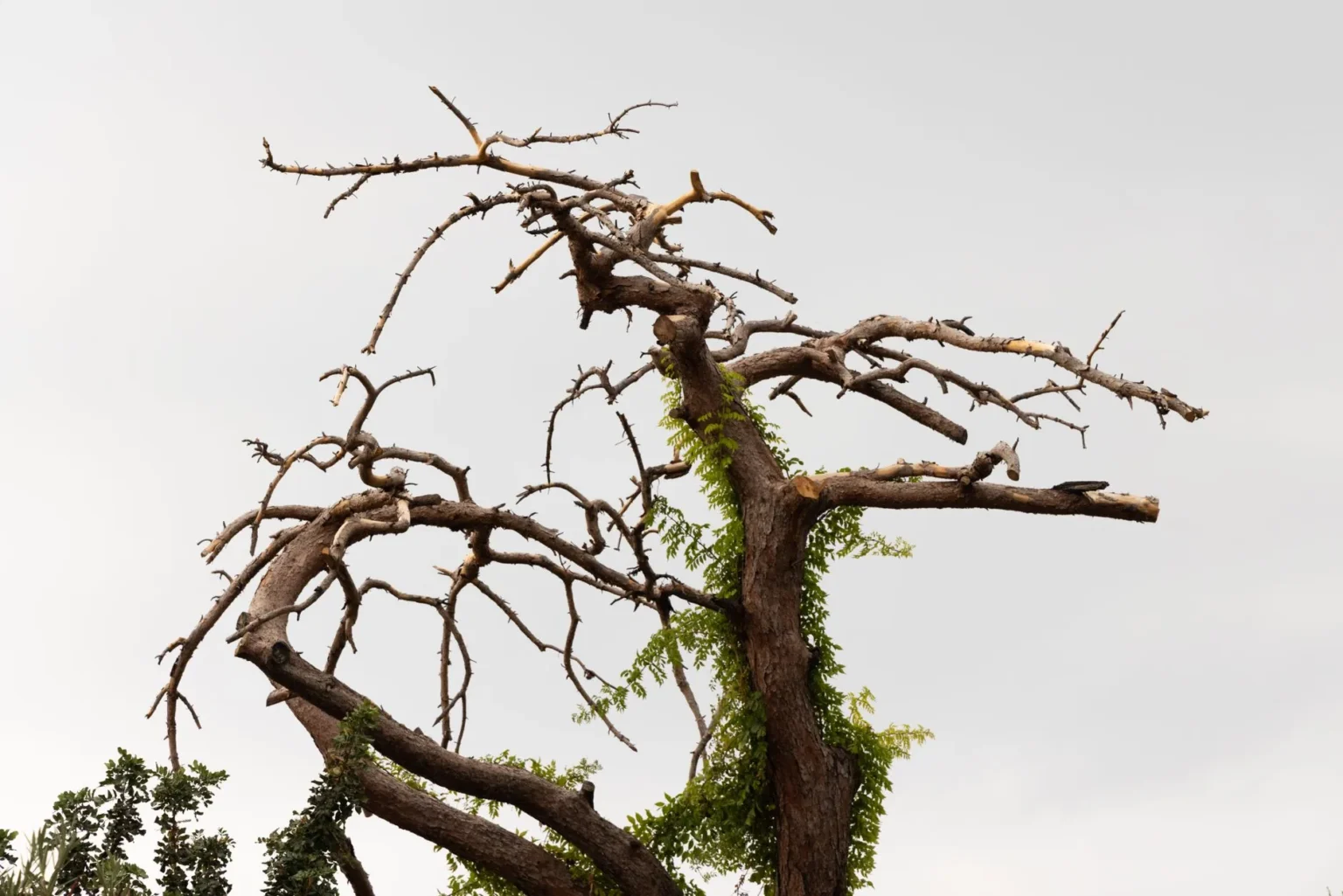
Wind tests structure. The ISA brochure on recognizing tree risk describes defects an owner can spot from the ground, and several of them are the ones a wind event finds. Codominant stems, which are two trunks of similar size joined at one point, can often be failure points. Poor taper, where weight is concentrated near the end of a branch or stem, makes a limb more prone to failure. Dead branches in the canopy are probably the most obvious hazard, and the brochure says the risk depends on the size of the branch and its distance from anything it could hit.
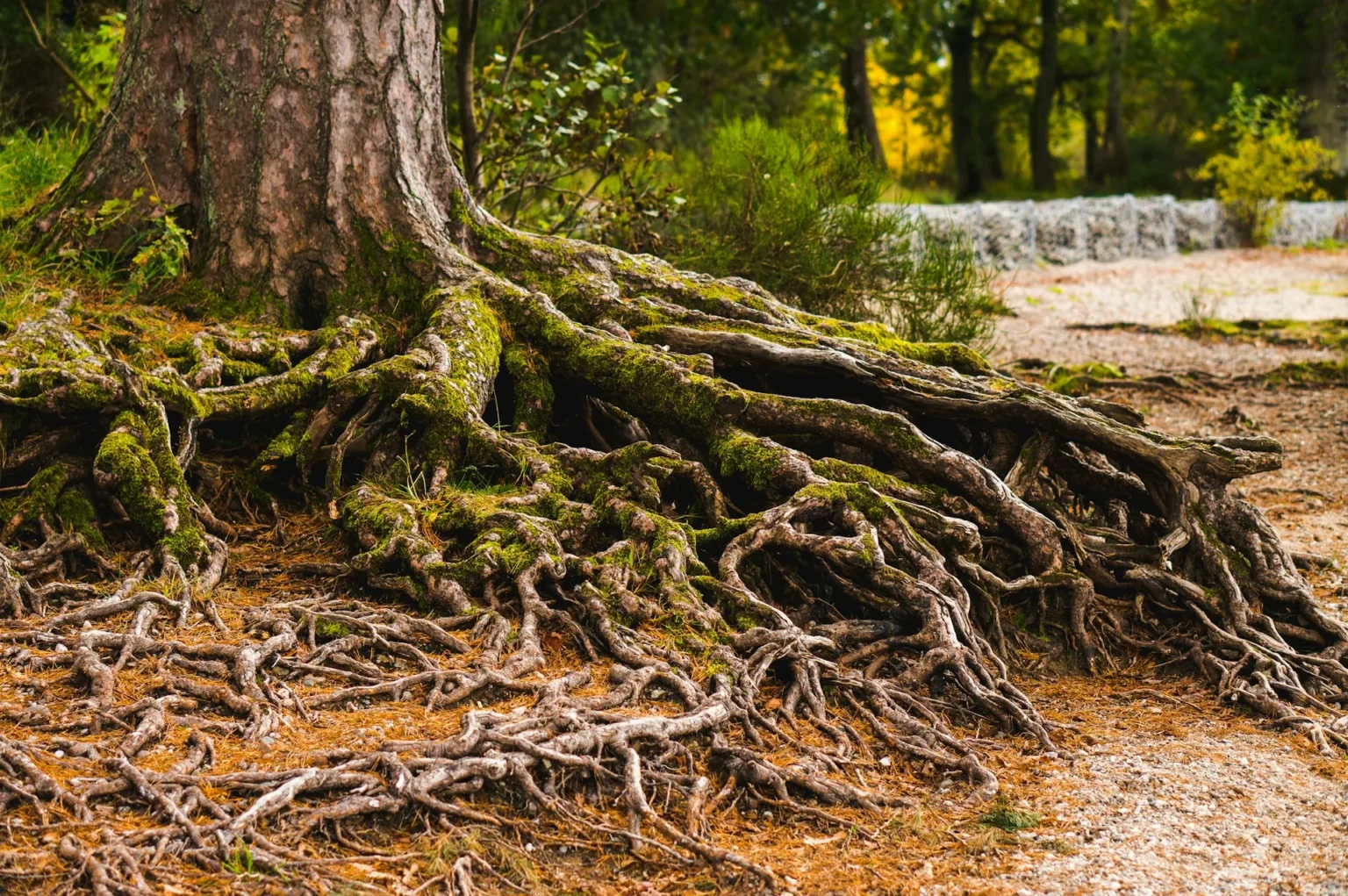
Roots deserve a look as well. The brochure says cracks or separations in the soil can indicate soil heaving from excessive movement of the roots, and that this is a warning sign for failure, especially if the tree is leaning. It also lists wounds, root loss and decay caused by construction, grade changes and soil compaction. On a large lot, a recent driveway, patio or regrade near an old tree is worth noting when you call an arborist.
Utility lines add a second hazard. The brochure says never to attempt to remove branches from or near power lines and never to go near downed lines, which could still be conducting electricity. The borough’s Building Department page lists the utility contacts for reporting outages, PSE&G and Orange and Rockland Utilities. Save both numbers in your phone before Thursday.
Fixes start with pruning. Removing dead and defective branches is the most common first step, and our tree trimming and pruning crews do that work. The brochure also lists cabling and bracing for weak stems, with the plain warning that such supports are not guarantees against failure, and removal when the risk is unacceptable. Where a tree comes down, the ordinance language above decides what the borough expects next.
Defects to check from the ground
- Dead limbs hanging over a roof or driveway
- Two trunks of equal size joined in a V
- Cracks or splits at branch unions
- Soil cracked or lifted beside a leaning trunk
Photograph anything you find and keep the pictures dated. Then book an inspection while the tree is still standing, since a defect found before the wind is a much easier conversation than one found after it.
Protecting Rockleigh Trees Through the Wind and Winter
Rockleigh is a small borough with large trees, and the wind forecast for Thursday and Friday is a good reason to look up, and tree storm proofing in Rockleigh is best done before the first gust. The ISA storm brochure says to stay clear of damaged trees, to have an arborist assess trees that look undamaged but may have cracks, hanging branches or soil heaving, and to resist the urge to do the cleanup yourself, since the work at height and near wires is dangerous.
Reliable Tree Service is family owned since 1960, and our crews are ISA Certified Arborists and New Jersey Certified Tree Experts. Call us at (201) 943-4141 when a limb is hanging, a trunk is leaning or soil has lifted near the base. Regular tree maintenance keeps small problems small before the next storm arrives.
Related Articles

Tree Risk Evaluation in Washington Township NJ: Hazard Trees, Permits and Vendors
Washington Township in Bergen County has its own tree code, and it defines a hazard tree in plain terms. This guide covers tree risk evaluation in Washington Township, from the warning signs to the permit and vendor steps.
Tree Removal in Moonachie NJ: Dangerous Tree Notices and Public Right of Way Permits
Moonachie is a low lying Bergen County borough with its own rules for trees on public ground. This guide explains tree removal in Moonachie, from the borough code and dangerous tree notices to wet soils and curb debris rules.
Tree Storm Proofing in Little Ferry NJ: Wet Soils, Leaf Rules and Winter Wind
Little Ferry sits where the Hackensack River meets Overpeck Creek, and wet ground changes how trees hold in a storm. This guide covers tree storm proofing in Little Ferry, from root stress to borough leaf rules.
Tree Storm Cleanup in Carlstadt NJ: Brush Bundles, Yard Waste Days and Hazard Limbs
Carlstadt sets curb rules for yard waste, brush and wood scrap, and a storm can leave far more than the curb can take. This guide covers tree storm cleanup in Carlstadt, from bundles and bags to the hanging limbs that need a certified arborist.
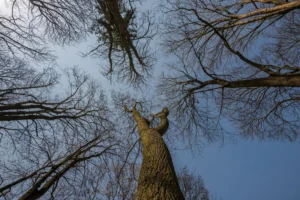
Tree Trimming in Garfield NJ: Late Fall Pruning for Tight City Lots and Shade Trees
Tree trimming in Garfield means working with small lots, wires and mature shade trees in a dense Bergen County city. This guide covers when to prune, how much to take and how to avoid topping.
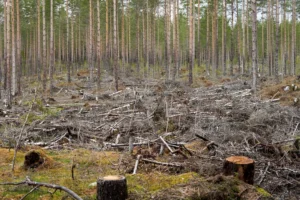
Land Clearing in Haworth NJ: Permit Fees by Trunk Size and Replacement Trees
The Haworth tree removal application sets fees by trunk size and ties each removal to replacement trees. This guide covers land clearing in Haworth, from the ten business day filing rule to protecting the trees that stay.