Table of Contents
Tree Care in Cresskill, NJ
Cresskill is a borough in Bergen County, and according to Wikipedia it was incorporated on May 8, 1894, from part of Palisades Township. It covers about 2.07 square miles at an elevation of roughly 46 feet, and the same article says its name comes from watercress that grew in its streams and from the old word kill, which means a stream. A town named for flowing water is a good reminder that trees here grow in ground that moves water around, and that matters for tree maintenance in Cresskill.
Tree maintenance is the steady work that keeps a mature tree safe and healthy between the big jobs. It means looking at the structure, pruning for a reason, watching the roots and the soil, and knowing which tree is yours to care for and which one belongs to the borough. In Cresskill that last question carries real weight, because the borough has a shade tree chapter in its code and a tree removal ordinance that was replaced in 2025.
This guide explains who is responsible for a tree beside the street, what the code says about willows and poplars near water and sewer mains, and how the 2025 ordinance treats pruning, root damage, and removal. Reliable Tree Service has been family owned since 1960 and works across Hudson and Bergen counties from Cliffside Park. Rules change, so confirm every detail with the Cresskill Building Department before any work begins.
The older rules sit in Chapter 214 of the borough code. The Cresskill shade tree chapter on eCode360 says it was adopted on January 1, 1981 as Ordinance 80-23-780, with amendments noted since, so it is a long standing part of how the borough looks after its street trees. The newer rules are in Ordinance 25-14-1670, which replaced the tree removal section of the zoning chapter in its entirety. We read the text of Ordinance 25-14-1670 for this article. Treat both as a starting point and ask the borough for the current versions.
Fall is a sensible time to learn these rules. Leaves are dropping, which makes the structure of a tree easier to see, and soil problems around the roots are easier to spot. Our tree maintenance page explains the work in general terms, and the sections below take ownership first, then roots and pipes, then pruning and removal.
Tree Maintenance in Cresskill Starts With Knowing Who Owns the Tree
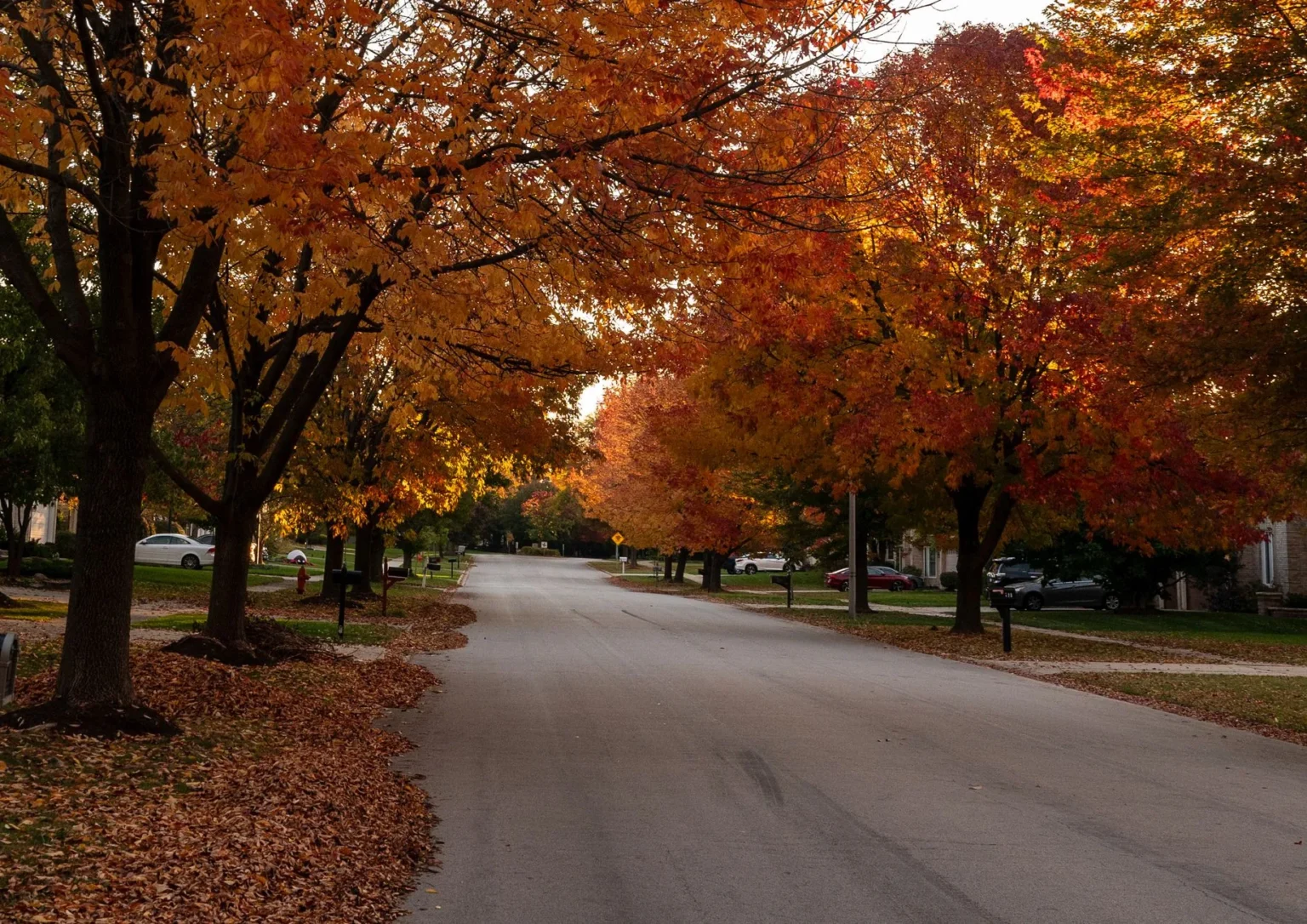
A tree beside a Cresskill street may belong to the borough, or it may belong to you. The tree removal ordinance draws the line at ten feet. A shade tree that stands more than ten feet from the face of the street side of the curb, measured to the center of the tree, is the responsibility of the property owner. The same ordinance says the borough is not responsible for evergreen trees planted in the right of way. A homeowner who assumes the borough looks after every tree near the curb can be wrong, and a tree that fails then becomes the owner’s problem.
Trees on the public side are protected. Chapter 214 says no one may remove, cut down, or prune a shade tree on a public street, place, or easement without a permit from the Shade Tree Committee. It also makes it unlawful to cut, break, or injure a shade tree, to place a rope, wire, sign, or poster on one, or to drive a vehicle into one. Climbing a street tree with spurs that perforate the bark is prohibited, and so is fastening an electric wire to a shade tree.
Overhead clearance is the rule that touches the most yards. The chapter makes the person in possession of a property, owner or tenant, responsible for keeping the lowest branches that overhang a sidewalk at least 14 feet 6 inches above ground level. The Mayor and Council or the Police Department can give written notice with 10 days to cut back or remove the growth. If the owner does not comply, the borough may cut it back and charge the reasonable cost to the land through the tax bill. On notice, owners must also cut shrubs and hedges near street corners down to two and a half feet.
Clearance pruning is easy to get wrong. The ISA brochure Pruning Mature Trees explains that raising removes the lower branches of a tree to give clearance for buildings, vehicles, and pedestrians, and that no branch should be removed without a reason because each cut changes how the tree grows. A correct cut sits just outside the branch collar and never flush to the trunk, and a heavy limb should be taken off in stages so the bark does not tear.
Questions to settle before touching a tree near the street
- Measure from the curb face to the center of the trunk
- Confirm whether the tree is a borough shade tree
- Check the branch height over the sidewalk
- Ask the Shade Tree Committee before any pruning cut
Our tree trimming and pruning crews can take those measurements with you and tell you which side of the line a tree falls on, and our Closter street tree guide shows how a neighboring borough handles the same question. Edward Hufnagel, who owns Reliable Tree Service, puts it this way: “Before you decide what a tree needs, find out whose tree it is. The right cut on the wrong owner’s tree is still the wrong cut.”
Willows, Poplars, and the Sewer and Water Main Rule in Cresskill
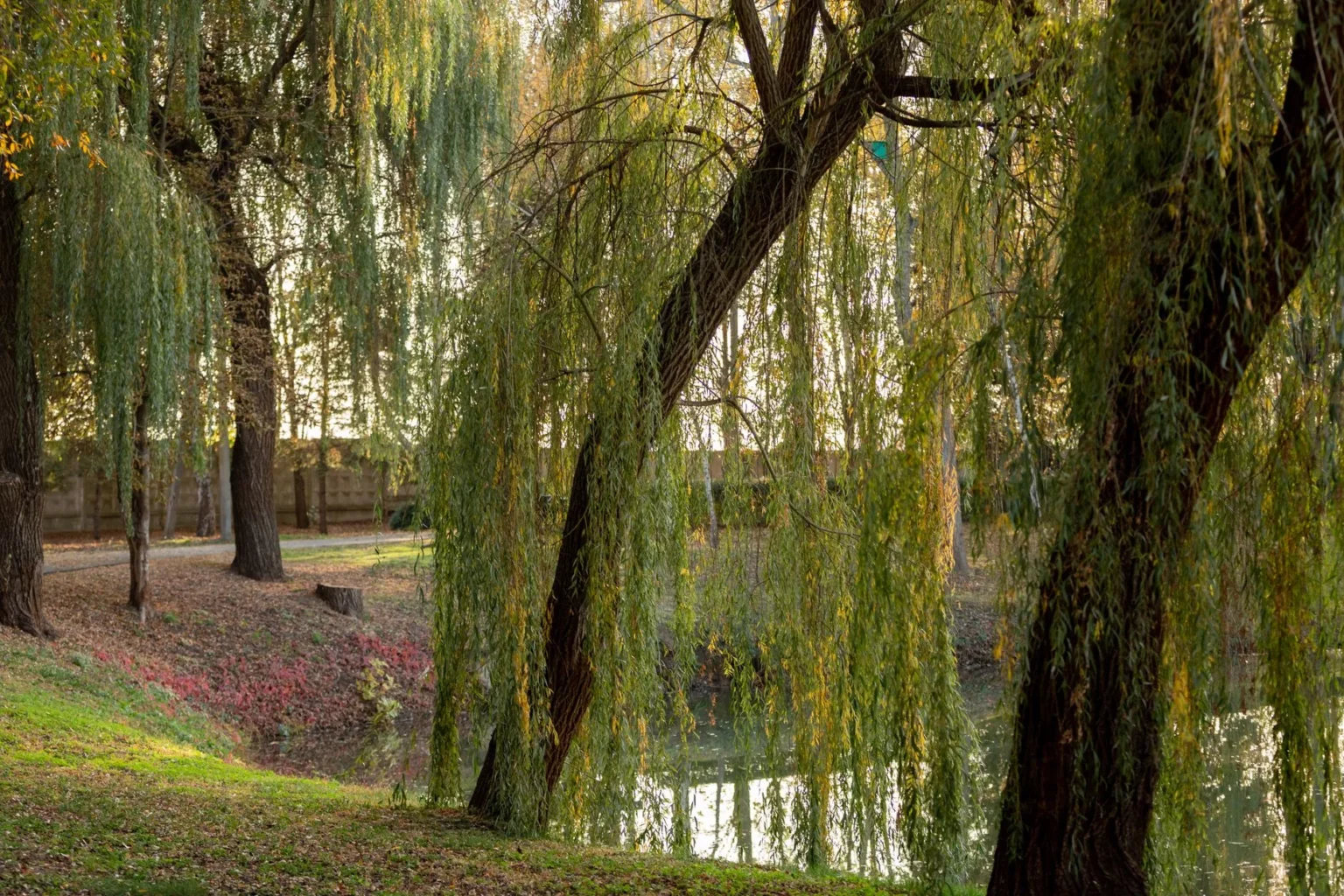
Few towns write a species into the code, but Cresskill does. Section 214-9 says no one may plant or permit to be planted any poplar or willow tree in the borough. Section 214-10 goes further and declares every poplar or willow within 40 feet of a sewer or water main a nuisance. Those standing in a public street or public place are removed by the Shade Tree Committee. Those on private property must be removed by the owner within 30 days after the Shade Tree Committee gives written notice.
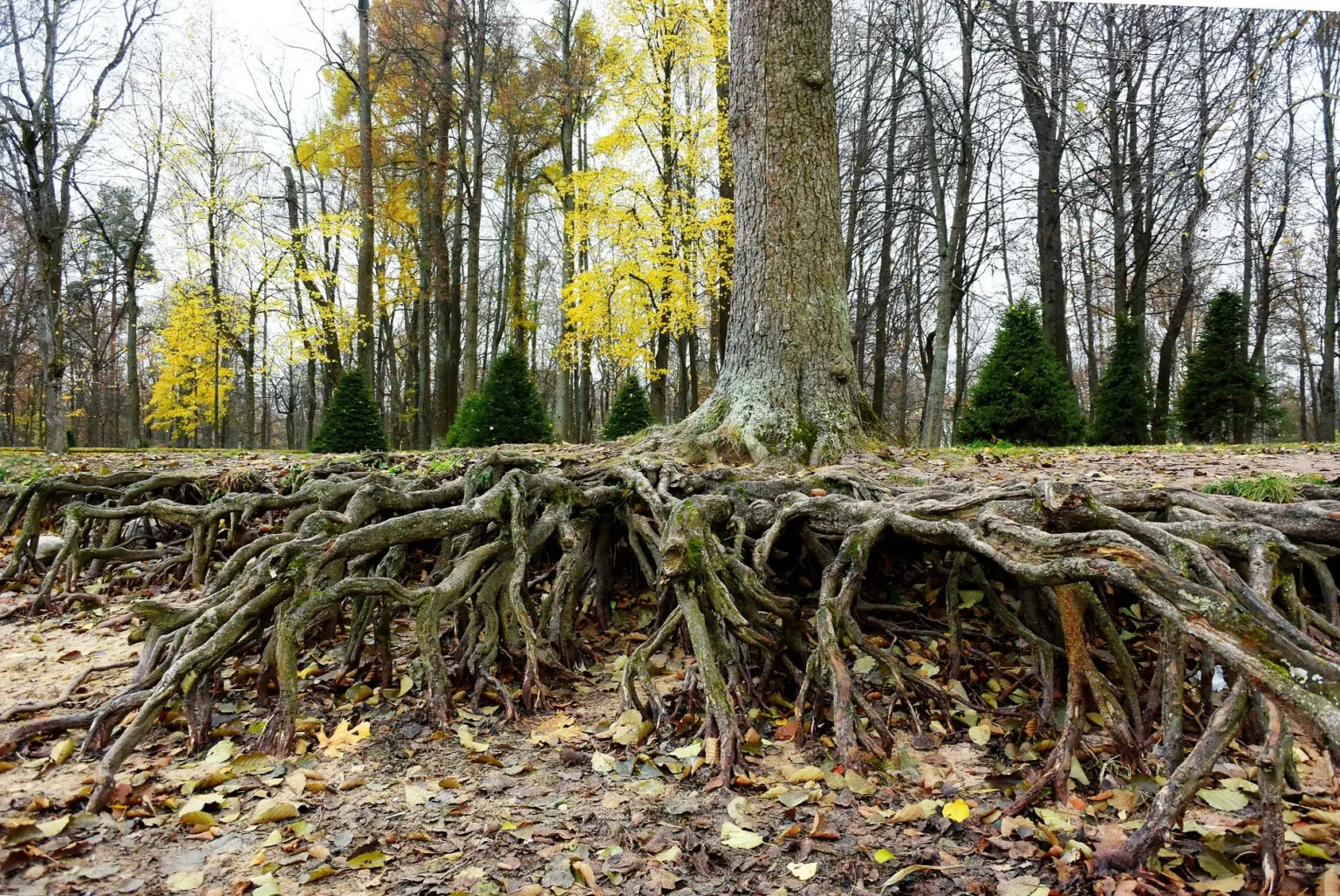
The rule makes sense once you see how roots behave. A University of Tennessee Extension guide to choosing sewer safer trees explains that roots enter sewer lines because the pipes hold water, nutrients, and oxygen, which are the three things a tree needs to grow. It adds that most roots grow in the top 18 to 24 inches of soil, so they can spread far to the side, and it advises locating trees more than 10 feet from sewer lines.
The same guide names willow and poplar, by their botanical genera Salix and Populus, among the large, fast growing trees with aggressive roots that it does not recommend near wastewater pipes. It also lists ash, sweetgum, sycamore, and several maples, including red, sugar, Norway, and silver maples, which shows that the risk is not limited to the two species Cresskill names. It says no tree is truly sewer safe, and its answer is to choose small, slower growing trees and replace them before they outgrow the space.
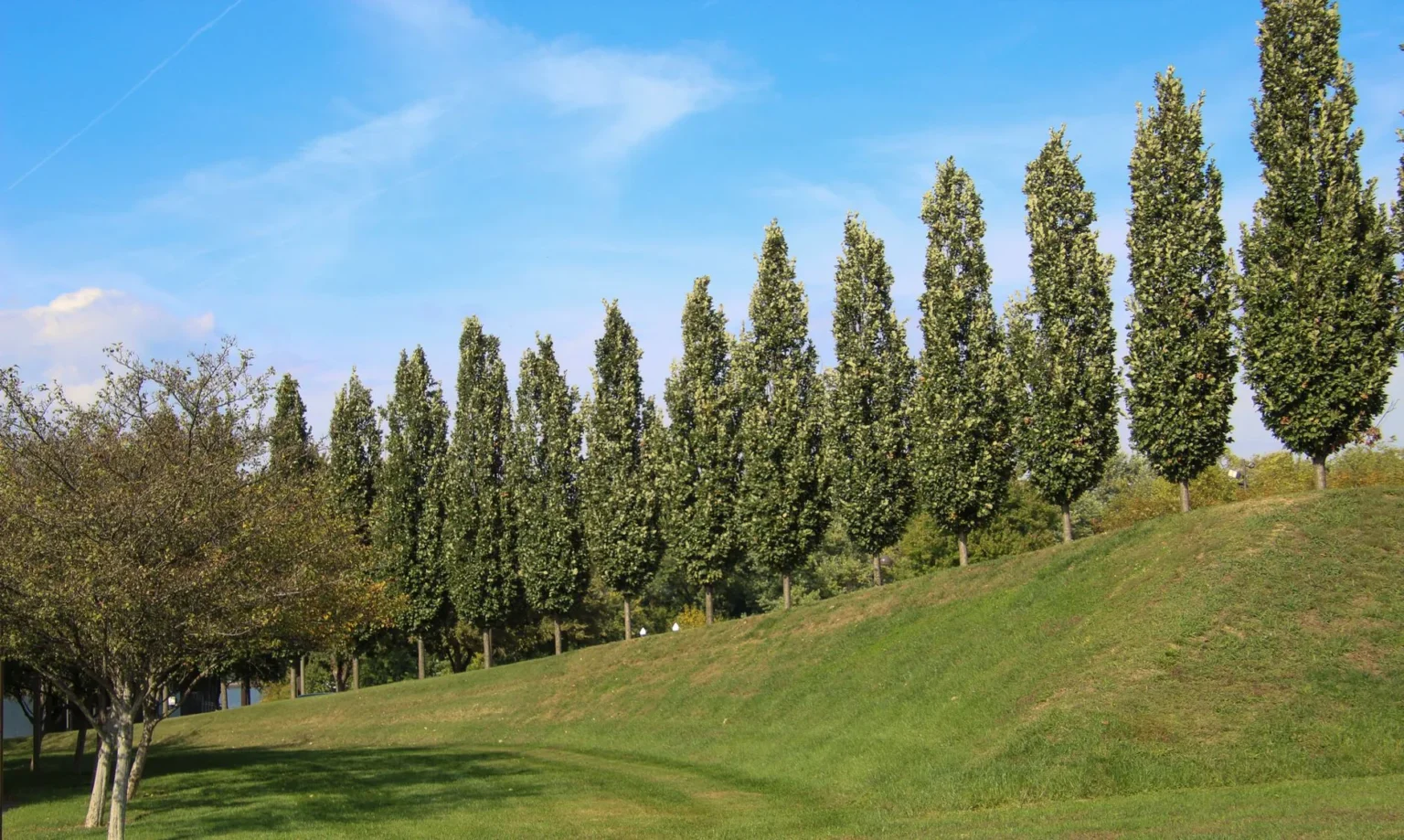
Cresskill’s planting rules point the same way. Chapter 214 groups street trees into small trees that reach 25 feet, medium trees that reach 45 feet, and large trees of 45 feet or more, with spacing of 30, 40, and 50 feet. It keeps every street tree other than a small one at least 15 feet from the vertical plane of an existing power line, and 7 1/2 feet to the side of an underground water, sewer, or other utility line. No tree, shrub, or hedge may be planted in the borough right of way without prior permission of the Shade Tree Committee.
Signs that a tree is working against a pipe or paving
- Repeated slow drains or backups near a large tree
- Sidewalk slabs or curbs lifted beside the trunk
- Large roots surfacing over the line of a buried pipe
- A willow or poplar standing within 40 feet of a main
A tree with these signs does not automatically need to come down, and a plumber or the borough may need to look at the pipe as well. When a tree does need to go, our tree removal team can walk the lot with you, and stump grinding afterward keeps an old root mass from sitting where a new tree or line will go. Because the code names willows and poplars, ask the borough in writing before you plant or remove one.
Pruning, Root Damage, and Removal Under the 2025 Borough Ordinance
Ordinance 25-14-1670 treats tree removal as more than cutting a tree down. It defines removal as killing a tree or causing irreparable damage that leads to its decline or death, and it names excessive pruning, over mulching or improper mulching, improper grading, and soil compaction within the critical root radius. Responsible pruning and maintenance do not count as removal. The critical root radius is calculated by multiplying the trunk diameter at breast height by 1.5, and the ordinance gives a 6 inch tree and a 9 inch radius as its example.
A permit from the Building Department is needed to remove a tree with a diameter greater than 6 inches, measured at four feet above the ground. There is no permit fee for a tree under 16 inches in diameter and a fee of $125 for a tree of 16 inches or more. Administrative fees add $35 for an existing structure or a vacant lot, and $300 for new construction. Residents who remove fewer than four trees per acre within a rolling five year period are exempt, and so are dead or diseased trees that an arborist or tree expert has certified. Fees may be changed by resolution, so ask for the current schedule.
Hazard trees and emergencies have their own path. The ordinance treats a tree as hazardous if it has an infectious disease or insect infestation, is dead or dying, blocks the view of traffic signs or free passage where pruning has not worked, is damaging structures such as foundations or sidewalks, or is judged a threat by a Certified Arborist or Licensed Tree Expert. In an emergency a tree may come down without a permit if a licensed Tree Care Operator certifies its condition within three business days, with photographs, and a retroactive permit application is filed with the certification.
Replacement and penalties matter too. A removed tree is replaced by one to four trees of at least 2.5 inch caliper depending on trunk diameter, planted within one year. If the borough decides the trees cannot all go on the property, the applicant plants them in an approved area or pays $500 per tree into a tree fund. Working without a permit can bring a fine of two to ten times the permit amount on a first offense, plus court costs and fees, and the penalties grow with repeat offenses. Because heavy pruning can count as removal, the ISA guidance to take off no more than about a quarter of the crown at once is a sound working limit.
Steps to take before pruning or removing a large tree
- Measure the trunk at four feet above the ground
- Mark any tree to be removed with orange spray paint
- Ask whether the work could count as a removal
- Hire a state registered tree care business
That last step is a state rule as well as good sense. The New Jersey Board of Tree Experts advises asking any tree company for its business registration, proof of insurance, and the name and license number of its licensed person. Heavy limbs over a roof or driveway are a common reason to book a storm proofing and repair visit, and our Glen Rock pruning guide shows how another Bergen County borough ties pruning to its permit.
Protecting Cresskill Trees Through the Fall Season
Tree maintenance in Cresskill works best when it is steady and documented. Know whose tree it is, keep branches clear of the sidewalk, give roots the room they need, and ask before any cut that could count as removal. Our tree maintenance team can inspect a mature tree and tell you what it needs this fall.
Our crews are ISA Certified Arborists and New Jersey Certified Tree Experts, and we are glad to look at a tree with you and explain what we see in plain terms. You can find our other local guides on one page of Cresskill tree care articles, and our Englewood permit guide shows how a nearby city handles replacement rules.
Call Reliable Tree Service at (201) 943-4141 to schedule tree maintenance in Cresskill. We are family owned since 1960, and we will tell you what the tree needs and what the borough requires before any work begins.
Related Articles

Land Clearing in Englewood NJ: Tree Permits, Root Zones, and Replacement Rules
Englewood regulates tree removal under Chapter 425 of its city code, and clearing a lot can trigger a permit before the first tree comes down. This guide covers land clearing in Englewood, from permits to root protection.
Stump Grinding in Hackensack NJ: City Removal Rules, Grinding Depth, and Replanting
Hackensack regulates most tree removals under a 2024 ordinance, and the stump is what remains when the paperwork is done. This guide covers stump grinding in Hackensack, from the city form to grinding depth, wood chips, and replanting.
Tree Removal in Park Ridge NJ: Hazard Trees, Replacement Rules, and Root Zones
Park Ridge adopted a tree removal and replacement ordinance in 2024, and it reaches further than most owners expect. This guide covers tree removal in Park Ridge, from hazard trees to replacement planting and the root zone.
Tree Storm Proofing in Ramsey NJ: Thunderstorm Wind, Borough Rules, and Fall Checks
Ramsey has plenty of mature trees, and a June thunderstorm showed what wind can do to them. This guide covers tree storm proofing in Ramsey, from common defects to the borough’s rules on who handles which tree.
Tree Maintenance in River Edge NJ: Leaves, Mulch, and Root Care for Fall
River Edge has been a Tree City USA every year since 2000, and what happens on the ground under a tree matters as much as what happens in the canopy. This guide covers tree maintenance in River Edge from fallen leaves and mulch to who handles street trees.
Tree Removal in North Bergen NJ: Hillside Roots, Hazard Trees, and Replacement Rules
North Bergen sits on the Hudson Palisades, so trees grow on steep ground, close to walls and buildings. This guide covers tree removal in North Bergen, from what a slope does to roots to the paperwork worth gathering first.